


 プレビュー
プレビュー
 プリントを購入
 シェアする
シェアする シェアする
シェアする
 詳細を見る
詳細を見る

 ダウンロード
 似ている作品
 X線調査
X線調査 スライドショー
The Soothsayer
 Oil On Canvas
- WallArt
- Baroque
 1740
1740 154.0 x 114.0 cm
 Gallerie dell’Accademia
 詳細を見る
詳細を見る




P118B $10

P118H $10

P118W $10

P438Z $10

P508JH $12

P508YH $12

P805H $10

P805Z $10

P919BZ $10

P919G $10

P919XJ $10

P959ZH $10

P968JZ $12

W106C $8

W218G $10

W218JH $8

W218Y $10

W307PJ $10

W316G $10

W316PJ $8

W316Y $10

W398PJ $8

W4111J $10

W500HY $15

W500JH $15

W692G $12

W849H $8

W940BG $15

W953PJ $8




作品のオリジナル比率に合わせた、当店の規定サイズからお選びください。

特定のフレームやスペースに合わせて、ご希望のサイズをご入力いただけます。選択されたサイズが元の画像の比率と異なる場合、アートワークをトリミングするか、手描きで要素を追加して絵画を拡張いたします。デジタルモックアップ を制作し、制作開始前にご確認(承認)をいただきます。
画面上のプレビューは、実際のトリミングや拡張を正確に反映しているものではありません。最終的な構図は、モックアップによってのみ正確にご確認いただけます。
カスタムサイズもご利用いただけますが、元の比率を維持するためには、あらかじめ用意されたリストからサイズを選択することをお勧めいたします。
ご注文後、ArtsDot.com チームより詳細な指示をお送りするとともに、仕上がりイメージ(モックアップ)をご提供いたします。


 ガラスオプションは、110cm未満のサイズでのみご利用いただけます。

The Soothsayer
複製技法
複製画のサイズ
-


合計金額
$ 313
作品解説
Giovanni Battista Piazzetta’s “The Soothsayer”: A Venetian Baroque Vision
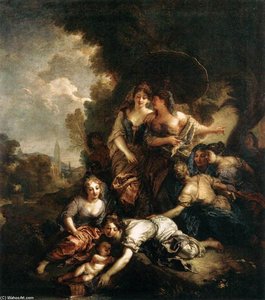
The painting "The Soothsayer," created by Giovanni Battista Piazzetta in 1740, stands as a testament to the opulent grandeur and psychological depth of Venetian Baroque art. Housed within the Gallerie dell'Accademia in Venice, Italy—a museum dedicated to showcasing masterpieces from the region’s artistic heritage—this monumental oil on canvas (measuring 154 x 114 cm) transcends mere visual representation; it embodies a complex tapestry of symbolism and masterful technique that continues to captivate viewers centuries later. Piazzetta's work exemplifies the era's fascination with dramatic lighting, emotive expression, and an idealized portrayal of human experience—elements skillfully interwoven into this unforgettable scene.Composition and Style: Baroque Drama Embodied
At first glance, “The Soothsayer” presents a captivating tableau dominated by a woman seated upon a rocky outcrop. This central figure, draped in flowing robes that convey both serenity and vulnerability, is encircled by three companions—two children and an adult woman—creating a dynamic interplay of figures against a blurred backdrop. Piazzetta’s masterful use of chiaroscuro – the dramatic contrast between light and shadow – immediately draws attention to the soothsayer as the focal point, highlighting her face and torso with radiant illumination while plunging the surrounding figures into deep darkness. This technique wasn't merely stylistic; it served to heighten emotional impact, mirroring the psychological turmoil often explored in Baroque art. The overall composition adheres to principles of theatrical staging, reminiscent of opera productions prevalent during Piazzetta’s time—a deliberate choice designed to engage the viewer’s imagination and evoke a profound sense of drama.Technique: Impasto and Color Harmony – Reflections of Venetian Tradition
Piazzetta's artistic prowess is evident in his meticulous brushwork, characterized by impasto—thickly applied paint—which lends texture and depth to the canvas surface. This technique allows for an astonishing level of detail, capturing the subtle nuances of drapery folds and facial expressions with remarkable accuracy. Furthermore, Piazzetta’s palette leans heavily on warm hues—ochre, browns, and reds—contrasted by cooler blues and greens in the distant landscape. These colors aren't merely decorative; they contribute to the painting’s atmospheric mood and reinforce its symbolic significance. The artist skillfully employs perspective—flattened yet suggestive of recession—to create a sense of spatial illusion, immersing the viewer within the scene’s environment. This meticulous attention to detail aligns seamlessly with Venetian artistic traditions, reflecting the influence of artists like Rubens and Caravaggio who championed realism and emotional intensity.Symbolism: Motherhood, Innocence, and Classical Virtue
Beyond its aesthetic brilliance, “The Soothsayer” resonates with profound symbolic meaning. The woman seated on the outcrop is interpreted as representing motherhood—a cornerstone of Venetian artistic iconography—symbolizing nurturing, protection, and divine grace. Her gaze directs towards the children, embodying innocence and purity—values cherished during the Baroque period. The entire scene evokes themes of classical virtue—wisdom, courage, and moral fortitude—drawing inspiration from ancient Greek mythology and philosophy. Piazzetta’s subtle gestures and expressions convey unspoken emotions, inviting contemplation on matters of faith, morality, and human destiny.Historical Context: Venice at the Height of Artistic Flourishing
“The Soothsayer” emerged during a period of unparalleled artistic creativity in Venice—the zenith of Baroque art. The city served as a beacon of cultural innovation, attracting artists from across Europe who sought to emulate its grandeur and sophistication. Piazzetta’s work reflects the broader intellectual currents of the time—a preoccupation with religious mysticism, humanist ideals, and an interest in exploring the complexities of human psychology. Its placement within the Gallerie dell'Accademia underscores Venice’s enduring legacy as a cradle of artistic excellence and ensures that “The Soothsayer” continues to inspire admiration for generations to come.- Artist: giovanni battista piazzetta
- Birth Year: 1682
- Death Year: 1754
- Birth City: Venice
- Birth Country: Italy
Further Exploration:
Visit https://ArtsDot.com for handmade oil painting reproductions of masterpieces like “The Soothsayer” and explore the Museo San Vidal in Venice, Italy. Discover other artists and their works on Wikipedia, such as Pietro Longhi and his painting “The Soothsayer”.Resources:
View more paintings by Giovanni Battista Piazzetta at https://ArtsDot.com Learn about the Museo San Vidal in Venice, Italy, at /art/list/?Filter=A@D3BH6X-The-Museum-San-Vidal-(Venice-Italy) Explore other artists and their works on Wikipedia, such as Pietro Longhi and his painting “The Soothsayer”.関連作品

アーティストの略歴
ヴェネツィアにおける初期の生涯と芸術的形成
ジョヴァンニ・バッティスタ・ピアゼッタは、1682年または1683年の2月13日、ヴェネツィアに生を享けました(当時の記録にはいくらか曖昧さが残っています)。彼が産声を上げたのは、豊かな芸術的伝統に浸かりながらも、時代の嗜好が静かに移ろいゆく都市でした。彫刻家であった父ジャコモ・ピアゼッタの工房で、若きジョヴァンニは木彫を通じて形と職人技への初期の審美眼を養いました。しかし、彼の歩みはやがて絵画へと向かい、1697年にはアントニオ・モリナーリに師事し始めます。この基礎形成期は技法の根幹を植え付けるものとなりましたが、真の変革をもたらしたのは、1703年から1とした1705年にかけてのボローニャ滞在でした。そこで彼は、日常の情景を驚くべき写実性と心理的深みをもって描き出す巨匠、ジュゼッペ・マリア・クレスピーの教えを吸収したのです。この経験は、ピアゼッタ独自の進化し続けるスタイルの決定的な特徴となりました。ボローニャの影響によって、彼は名もなき人々の人間性を捉えることへの情熱を抱くようになります。それは、壮大な歴史画や神話的物語を好んだ当時のヴェネツィアの同時代人たちとは一線を画す、独自の感性でした。比類なきロココの声:様式と影響
ピアゼッタの芸術的な声は、しばしばロココ運動の中に分類されますが、その中においても彼は極めて独特な地位を占めています。この時代の特徴である優雅さや装飾的な華やかさを受け入れつつも、彼の作品には、単なる装飾的な画家たちとは一線を画す感情的な響きと、キアロスクーロ(明暗法)の強烈な力強さが宿っています。深みのある赤、オーカー、茶色といった温かく豊かな色彩の使用は、親密さと神秘性が共存する独特の空気感を生み出し、高く評価されました。彼の絵画は単に視覚的な美しさを提供するだけでなく、観る者を深い瞑想へと誘います。宗教的な主題に、手に触れられるような人間ドラマを吹き込む彼の能力は、とりわけ注目に値するものでした。彼はしばしば農民を描き、その構図の中で彼らを尊厳と精神的な重要性を持つ存在へと昇華させました。これは単なる写実主義の追求ではなく、庶民の生活に対する真の共感の表れでもありました。現在ヴェネツィアのアカデミア美術館に収蔵されている「占い師」は、その完璧な例と言えるでしょう。この作品の力強さは、精緻な細部にあるのではなく、人物たちの微細な仕草や表情の中にあり、目に見えない不安や深い内面の葛藤を暗示しています。この時期のヴェネツィア絵画を支配していたティエポロのような、光り輝く華麗な芸術家たちの存在を認めつつも、ピアゼッタは自らの道を切り拓きました。彼は、ティエポロが概して避けていた、より暗く内省的なテーマを探求したのです。主要な作品と芸術的領域
ピアゼッタの作品群は驚くほど多岐にわたり、「聖フランチェスコの法悦」、「パドヴァの聖アントニオ」、「聖ガエターノ」、「守護天使」といった宗教画を網羅しています。これらの作品は、彼の構成力の高さと、表情豊かな人物像や劇的な光の演出を通じて精神的な熱狂を伝える能力を証明しています。しかし、彼を宗教画の画家としてのみ定義してしまうのは、あまりに惜しいことです。彼の領域は風俗画へと大きく広がり、鋭い観察眼と人間心理への深い洞察をもって、日常の営みを描き出しました。より幅広い主題を探求しようとするこの姿勢こそが、多くの同業者との違いとなりました。彼は、一見ありふれた場面においてさえ、人間存在の複雑さを描くことを恐れませんでした。彼の構図はしばしば、注意深く配置された人物群によって構成され、観る者をその情景へと引き込むダイナミックな物語を生み出します。布地の質感や顔に落ちる光の戯れといった細部へのこだわりが、作品に写実性と臨場感という層を付け加えているのです。晩年、教育、そして不朽の遺産
1750年、ピアゼッタはキャリアの頂点に立ちます。新設されたヴェネツィア美術アカデミア(Accademia di Belle Arti di Venezia)の初代校長に任命されたのです。この任命は、ヴェネツィアの芸術界における彼の地位を裏付けるとともに、次世代の芸術家を育むための舞台を与えました。彼は晩年を教育に捧げ、自らの知識と芸術的原則を志ある画家たちへと伝承しました。また1727年には、権威あるボローニャのアカデミア・クレメンティーナの会員に選出され、イタリア美術界における指導的な人物としての名声をさらに確固たるものにしました。ヴェネツィア絵画に対するピアゼッタの影響は、直接の弟子たちだけに留まりませんでした。感情的な深みと心理的写実性を重視する彼の姿勢は、単なる装飾的な様式を超えようとした後の時代の芸術家たちの道を切り拓いたのです。生前には、同時代の他の画家たちほど広く称賛されなかったかもしれませんが、近年の研究者たちはロココ運動への彼の独自の貢献と、人間性の複雑さを捉え続ける不朽の能力を再評価し、彼の作品は再び脚光を浴びています。彼の絵画は、その温もり、ドラマ、そして深い神秘の感覚をもって、今なお観る者を魅了し続けています。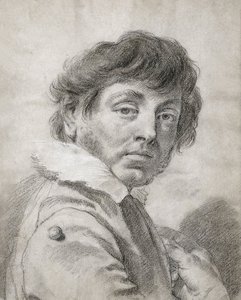
ジョヴァンニ・バッティスタ・ピアゼッタ
1715 - 1754 , イタリア
基本情報
- Artistic Movement Or Style: ロココ
- Artists Who Influenced This Artist:
- G.M. クレスピ
- アントニオ・モリーナリ
- Date Of Birth: 1682年または1683年
- Date Of Death: 1754年
- Full Name: ジョヴァンニ・バッティスタ・ピアゼッタ
- Nationality: イタリア
- Notable Artworks:
- 聖フランチェスコの脱魂
- パドヴァの聖アントニオ
- 聖ガエターノ
- 守護天使
- 占い師
- Place Of Birth: イタリア、ヴェネツィア
関連記事

The Enduring Power of Painting: A Historical & Contemporary Exploration of Form and Emotion
Explore the rich history & enduring techniques of oil painting with ArtsDot. Discover masterpieces, learn about art collecting, and find authentic handmade reproductions crafted by skilled artists.

バロックのドラマ:現代のインテリアに壮麗さと情感を取り込む
バロック様式の歴史、絵画、家具の魅力をご紹介。ArtsDotでは、高品質な油絵複製やカスタムポートレートをご提供し、現代のインテリアに壮麗さと情感を取り入れます。アートコンサルテーションも承ります。

The Enduring Legacy of Oil on Canvas: Technique, History & Aesthetic Impact
Explore the rich history & techniques of oil painting – from Renaissance masters to Impressionism. Discover pigments, layering methods, and why this timeless medium endures. Expert insights for artists & art enthusiasts.

The Dramatic Flourish: Exploring the Baroque Movement's Enduring Legacy in Art History
Explore the dramatic world of Baroque art! Discover iconic artists like Caravaggio & Rubens, defining techniques, and its lasting impact on art history. Expert insights for collectors & enthusiasts at ArtsDot.

バロック美術を極めた至宝:時代を彩る10大名作の世界
バロック美術の華!カラヴァッジョ、ベルニーニら巨匠が創り上げた10大名作を徹底解剖。ドラマチックな色彩と豪華絢爛の世界観に触れ、至宝のアートプリントで空間を彩ろう。ArtsDot.comで美術館品質の複製と洗練されたインテリアを見つけましょう!

