 プリントを購入
 シェアする
シェアする シェアする
シェアする
 詳細を見る
詳細を見る

 ダウンロード
 似ている作品
 スライドショー
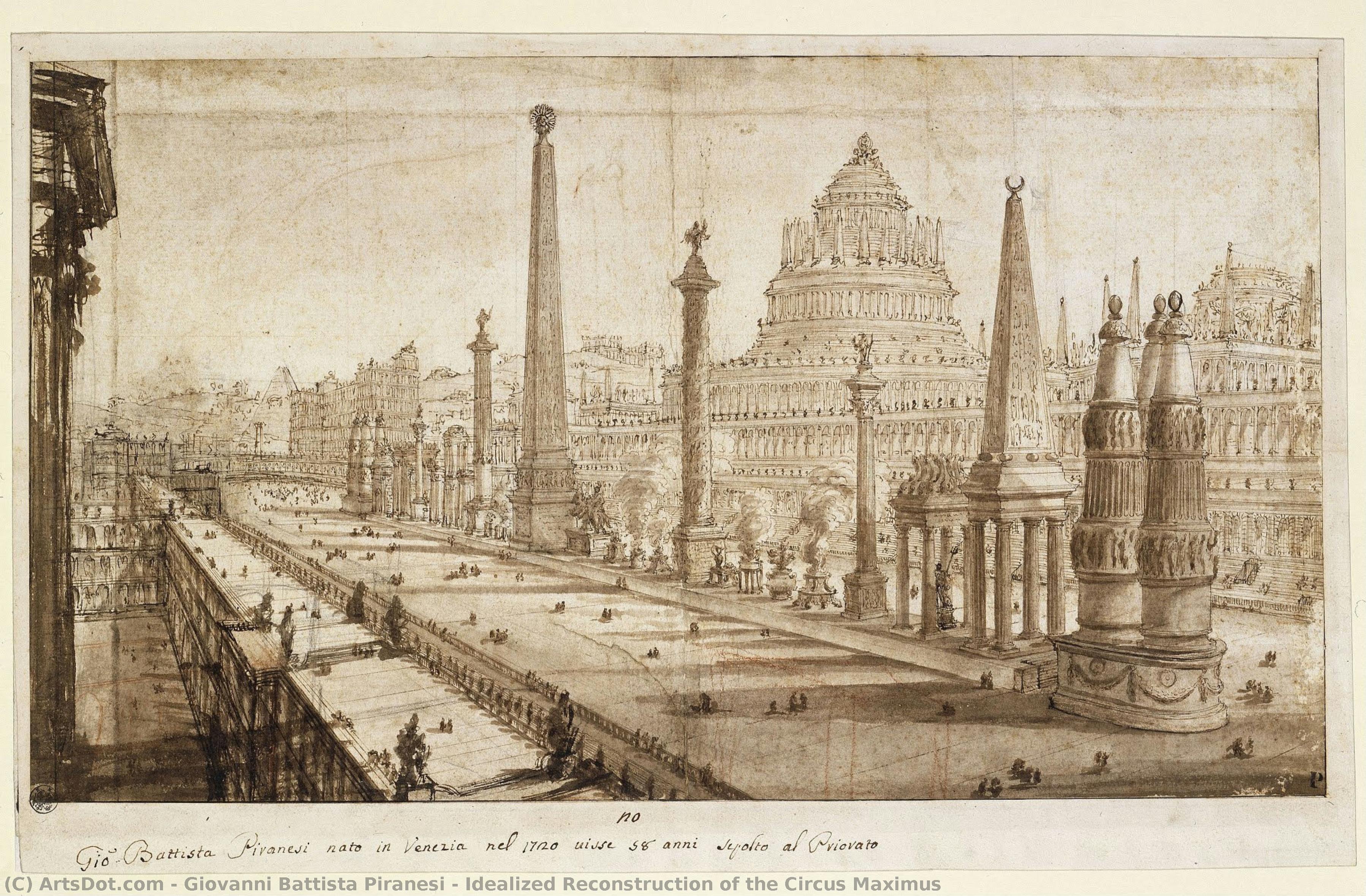
Idealized Reconstruction of the Circus Maximus
 Giclée Print
- Digital
- Rococo Romanticism
 46.0 x 26.0 cm
 クーパーシュチッヒカビネット
 詳細を見る
詳細を見る




































作品のオリジナル比率に合わせた、当店の規定サイズからお選びください。

特定のフレームやスペースに合わせて、ご希望のサイズをご入力いただけます。選択されたサイズが元の画像の比率と異なる場合、アートワークをトリミングするか、手描きで要素を追加して絵画を拡張いたします。デジタルモックアップ を制作し、制作開始前にご確認(承認)をいただきます。
画面上のプレビューは、実際のトリミングや拡張を正確に反映しているものではありません。最終的な構図は、モックアップによってのみ正確にご確認いただけます。
カスタムサイズもご利用いただけますが、元の比率を維持するためには、あらかじめ用意されたリストからサイズを選択することをお勧めいたします。
ご注文後、ArtsDot.com チームより詳細な指示をお送りするとともに、仕上がりイメージ(モックアップ)をご提供いたします。


 ガラスオプションは、110cm未満のサイズでのみご利用いただけます。

Idealized Reconstruction of the Circus Maximus
複製技法
複製画のサイズ
-


合計金額
$ 263
A Vision of Ancient Rome: Piranesi's Circus Maximus
Giovanni Battista Piranesi’s “Idealized Reconstruction of the Circus Maximus” isn’t merely a drawing; it’s a portal. A meticulously rendered, almost hallucinatory glimpse into the heart of ancient Rome as imagined through the lens of a 18th-century antiquarian and artist. Born in 1720 near Venice, Piranesi possessed an unparalleled ability to breathe life back into the ruins that dotted Italy – not simply documenting them, but transforming them into evocative landscapes brimming with psychological depth and a profound sense of loss for a vanished empire. This particular piece, created around 1756, stands as a testament to his unique vision, a complex layering of historical reference, artistic license, and a deeply felt connection to the past.
The drawing itself is dominated by the colossal scale of the Circus Maximus – an arena that once throbbed with the energy of chariot races, gladiatorial combat, and public spectacles. Piranesi doesn’t offer a straightforward depiction; instead, he constructs a layered reality. The foreground explodes with detail: meticulously rendered triumphal columns, censers overflowing with fragrant spices, obelisks standing proud against the sky, and sculptures – fragments of gods and heroes – adorning the *spina*, the central dividing line of the arena. These aren’t simply decorative elements; they are carefully chosen echoes of 16th-century antiquarians like Pirro Ligorio and Onofrio Panvinio, whose meticulous reconstructions of Roman ruins served as templates for artists and architects of the time.
The Architect's Dream: Technique and Historical Context
Piranesi’s technique is both precise and deliberately fantastical. He employs a masterful understanding of perspective – evident in the receding lines of the arena and the dramatic foreshortening of figures – yet simultaneously introduces elements that defy realistic representation. The addition of numerous monuments to the foreground, seemingly plucked from various historical periods and locations, creates a sense of temporal confusion, suggesting a world unbound by linear time. This wasn’t an attempt at strict accuracy; rather, it was a deliberate exploration of how the past could be re-imagined and presented to a contemporary audience.
The drawing's genesis lies within the burgeoning field of archaeology during the 18th century. Rome, having been ravaged by war and neglect, was undergoing a renewed period of excavation, revealing an astonishing wealth of ancient ruins. Piranesi, deeply immersed in this process, became fascinated with reconstructing these lost spaces – not as static monuments, but as living landscapes imbued with historical significance. His work reflects the intellectual currents of his time, a fascination with classical antiquity combined with a burgeoning interest in the power of imagination and the role of art in shaping our understanding of the past.
Symbolism and Emotional Resonance
Beyond its technical brilliance, “Idealized Reconstruction of the Circus Maximus” is profoundly evocative. The drawing speaks to themes of grandeur, decay, and the enduring legacy of Rome. The imposing scale of the arena evokes a sense of awe and power, while the scattered fragments of sculptures hint at the impermanence of human achievement. The inclusion of numerous figures – both Roman citizens and contemporary observers – suggests a continuous dialogue between past and present, highlighting the cyclical nature of history.
Piranesi’s choice to add these extra monuments is particularly significant. They aren't simply decorative; they represent an attempt to impose order onto chaos, to create a coherent narrative from fragmented remains. This act of reconstruction itself becomes a symbol of humanity’s enduring desire to understand and control the world around us – a desire that continues to resonate powerfully today.
A Timeless Masterpiece: Reproduction and Display
Reproductions of “Idealized Reconstruction of the Circus Maximus” offer a remarkable opportunity to bring this extraordinary artwork into your home or office. Printed on high-quality archival paper, these reproductions capture the intricate details and atmospheric depth of Piranesi’s original drawing with stunning clarity. Consider framing it in a classic wooden frame to complement its historical context, or opt for a minimalist display to allow the image to speak for itself. This piece is more than just decoration; it's an invitation to contemplate the complexities of history, the power of imagination, and the enduring beauty of ancient Rome.
関連作品
アーティストの略歴
Giovanni Battista Piranesi (1720–1778): イタリアの彫刻家、建築家、そして芸術家
ジョヴァンニ・バッティスタ・ピラネーシはイタリアで生まれました。彼は単に周囲の世界を描写するだけでなく、歴史的な壮大さと深い心理的な重みを帯びた空間を創造しました。彼の人生はローマが古代の心を熱心な学者や芸術家に開く中で展開され、この時期には考古学的な発見が活発化していました。しかしピラネーシはそれだけ記録することに満足しませんでした。彼は遺跡をより何かへと変貌させました。それは想像力豊かな風景であり、神秘と畏敬の念を帯びたものでした。彼の父親は石工師であり、母親はイタリアで生まれました。彼は建築における経験を幼い頃から受け継ぎ、叔父マテオ・ルッチーシがヴェネツィアの水利機構責任者である建築家からの指導を受けました。この独特の設計スキルと技術的な熟練さはピラネーシに建築の正確さとドラマチックな芸術ビジョンをシームレスに融合させることができました。彼は特にローマでの長期間の滞在を通してイタリア全土を旅し、古代ローマの歴史と崩壊する美しさに対する情熱を抱きました。彼は何が存在するかだけでなく、かつて存在したものを探求しました。
彫刻家としてのピラネーシの育成
ピラネーシは石工師の息子であり、叔父マテオ・ルッチーシがヴェネツィアの水利機構責任者である建築家からの指導を受けました。この独特の設計スキルと技術的な熟練さはピラネーシに建築の正確さとドラマチックな芸術ビジョンをシームレスに融合させることができました。彼は特にローマでの長期間の滞在を通してイタリア全土を旅し、古代ローマの歴史と崩壊する美しさに対する情熱を抱きました。彼は何が存在するかだけでなく、かつて存在したものを探求しました。
彫刻家としてのピラネーシの育成
彼の幼少期は建築における経験を幼い頃から受け継ぎました。叔父マテオ・ルッチーシがヴェネツィアの水利機構責任者である建築家からの指導を受けました。この独特の設計スキルと技術的な熟練さはピラネーシに建築の正確さとドラマチックな芸術ビジョンをシームレスに融合させることができました。彼は特にローマでの長期間の滞在を通してイタリア全土を旅し、古代ローマの歴史と崩壊する美しさに対する情熱を抱きました。彼は何が存在するかだけでなく、かつて存在したものを探求しました。
彫刻家としてのピラネーシの育成
彼は特にローマでの長期間の滞在を通してイタリア全土を旅し、古代ローマの歴史と崩壊する美しさに対する情熱を抱きました。彼は何が存在するかだけでなく、かつて存在したものを探求しました。
彫刻家としてのピラネーシの育成
彼の幼少期は建築における経験を幼い頃から受け継ぎました。叔父マテオ・ルッチーシがヴェネツィアの水利機構責任者である建築家からの指導を受けました。この独特の設計スキルと技術的な熟練さはピラネーシに建築の正確さとドラマチックな芸術ビジョンをシームレスに融合させることができました。彼は特にローマでの長期間の滞在を通してイタリア全土を旅し、古代ローマの歴史と崩壊する美しさに対する情熱を抱きました。彼は何が存在するかだけでなく、かつて存在したものを探求しました。
彫刻家としてのピラネーシの育成
彼の幼少期は建築における経験を幼い頃から受け継ぎました。叔父マテオ・ルッチーシがヴェネツィアの水利機構責任者である建築家からの指導を受けました。この独特の設計スキルと技術的な熟練さはピラネーシに建築の正確さとドラマチックな芸術ビジョンをシームレスに融合させることができました。彼は特にローマでの長期間の滞在を通してイタリア全土を旅し、古代ローマの歴史と崩壊する美しさに対する情熱を抱きました。彼は何が存在するかだけでなく、かつて存在したものを探求しました。
彫刻家としてのピラネーシの育成
彼の幼少期は建築における経験を幼い頃から受け継ぎました。叔父マテオ・ルッチーシがヴェネツィアの水利機構責任者である建築家からの指導を受けました。この独特の設計スキルと技術的な熟練さはピラネーシに建築の正確さとドラマチックな芸術ビジョンをシームレスに融合させることができました。彼は特にローマでの長期間の滞在を通してイタリア全土を旅し、古代ローマの歴史と崩壊する美しさに対する情熱を抱きました。彼は何が存在するかだけでなく、かつて存在したものを探求しました。
彫刻家としてのピラネーシの育成
彼の幼少期は建築における経験を幼い頃から受け継ぎました。叔父マテオ・ルッチーシがヴェネツィアの水利機構責任者である建築家からの指導を受けました。この独特の設計スキルと技術的な熟練さはピラネーシに建築の正確さとドラマチックな芸術ビジョンをシームレスに融合させることができました。彼は特にローマでの長期間の滞在を通してイタリア全土を旅し、古代ローマの歴史と崩壊する美しさに対する情熱を抱きました。彼は何が存在するかだけでなく、かつて存在したものを探求しました。
彫刻家としてのピラネーシの育成
彼の幼少期は建築における経験を幼い頃から受け継ぎました。叔父マテオ・ルッチーシがヴェネツィアの水利機構責任者である建築家からの指導を受けました。この独特の設計スキルと技術的な熟練さはピラネーシに建築の正確さとドラマチックな芸術ビジョンをシームレスに融合させることができました。彼は特にローマでの長期間の滞在を通してイタリア全土を旅し、古代ローマの歴史と崩壊する美しさに対する情熱を抱きました。彼は何が存在するかだけでなく、かつて存在したものを探求しました。
彫刻家としてのピラネーシの育成
彼の幼少期は建築における経験を幼い頃から受け継ぎました。叔父マテオ・ルッチーシがヴェネツィアの水利機構責任者である建築家からの指導を受けました。この独特の設計スキルと技術的な熟練さはピラネーシに建築の正確さとドラマチックな芸術ビジョンをシームレスに融合させることができました。彼は特にローマでの長期間の滞在を通してイタリア全土を旅し、古代ローマの歴史と崩壊する美しさに対する情熱を抱きました。彼は何が存在するかだけでなく、かつて存在したものを探求しました。
彫刻家としてのピラネーシの育成
彼の幼少期は建築における経験を幼い頃から受け継ぎました。叔父マテオ・ルッチーシがヴェネツィアの水利機構責任者である建築家からの指導を受けました。この独特の設計スキルと技術的な熟練さはピラネーシに建築の正確さとドラマチックな芸術ビジョンをシームレスに融合させることができました。彼は特にローマでの長期間の滞在を通してイタリア全土を旅し、古代ローマの歴史と崩壊する美しさに対する情熱を抱きました。彼は何が存在するかだけでなく、かつて存在したものを探求しました。
彫刻家としてのピラネーシの育成
彼の幼少期は建築における経験を幼い頃から受け継ぎました。叔父マテオ・ルッチーシがヴェネツィアの水利機構責任者である建築家からの指導を受けました。この独特の設計スキルと技術的な熟練さはピラネーシに建築の正確さとドラマチックな芸術ビジョンをシームレスに融合させることができました。彼は特にローマでの長期間の滞在を通してイタリア全土を旅し、古代ローマの歴史と崩壊する美しさに対する情熱を抱きました。彼は何が存在するかだけでなく、かつて存在したものを探求しました。
彫刻家としてのピラネーシの育成
彼の幼少期は建築における経験を幼い頃から受け継ぎました。叔父マテオ・ルッチーシがヴェネツィアの水利機構責任者である建築家からの指導を受けました。この独特の設計スキルと技術的な熟練さはピラネーシに建築の正確さとドラマチックな芸術ビジョンをシームレスに融合させることができました。彼は特にローマでの長期間の滞在を通してイタリア全土を旅し、古代ローマの歴史
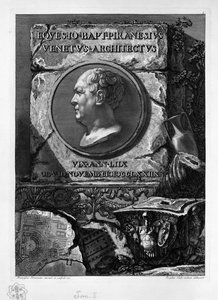
ジョヴァンニ・バッティストーア・ピラネーシ
1720 - 1778 , イタリア
基本情報
- Artistic Movement Or Style: ネオクラシスム
- Artists Or Movements Influenced By This Artist:
- ロマン主義
- シュルレアリスム
- Artists Who Influenced This Artist:
- ジョゼパ・ヴァーシー
- マテオ・ルーチェッシー
- Date Of Birth: 1720年4月4日
- Date Of Death: 1778年11月9日
- Full Name: Giovanni Battista Piranesi
- Nationality: イタリア人
- Notable Artworks: ['カーチェリ・ディンヴェンツォーニ」「ヴェデューテ・ディ・ローマ」「サンタマリアマグダラナ教会堂']
- Place Of Birth: ヴェネツィア、イタリア
関連記事

Giovanni Battista Piranesi: Visionary of Ruins & Architect of Imagination
Explore the life & work of Giovanni Battista Piranesi, master etcher of Roman views & creator of the haunting 'Carceri d'Invenzione'. Discover his architectural vision and lasting influence on art history.
Hubert Robert: Picturing Ruins, Preserving Memory – A Study of Romantic Antiquarianism & Artistic Innovation
Explore the captivating world of Hubert Robert, master of Romantic landscape painting & 'capriccio' ruins. Discover his historical context, artistic innovations, and collecting insights with ArtsDot.
Bartolomeo Pinelli: Neoclassical Linearity & Roman Topography of Memory
Explore the captivating world of Bartolomeo Pinelli, a master Italian engraver renowned for his evocative Roman scenes & historical narratives. Discover his art and legacy with ArtsDot.
Giovanni Paolo Panini: Capturing Roman Grandeur – A Vedute Master's Legacy
Explore the captivating world of Giovanni Paolo Panini, master of Roman vedute painting. Discover his technique, iconic works, influence on art history & collecting advice from experts at ArtsDot.
Echoes of Antiquity: Exploring Themes & Techniques in Classical Art Masterpieces
Explore the timeless beauty & profound themes of Classical art! Discover Greek & Roman masterpieces, Neoclassical revivals, and the enduring influence on artistic movements. Expert insights & high-quality reproductions at ArtsDot.