 プレビュー
プレビュー
 プリントを購入
 シェアする
シェアする シェアする
シェアする
 詳細を見る
詳細を見る

 ダウンロード
 似ている作品
 X線調査
X線調査 スライドショー
The Ponte Solario


 詳細を見る
詳細を見る




P118B $10

P118H $10

P118W $10

P438Z $10

P508JH $12

P508YH $12

P805H $10

P805Z $10

P919BZ $10

P919G $10

P919XJ $10

P959ZH $10

P968JZ $12

W106C $8

W218G $10

W218JH $8

W218Y $10

W307PJ $10

W316G $10

W316PJ $8

W316Y $10

W398PJ $8

W4111J $10

W500HY $15

W500JH $15

W692G $12

W849H $8

W940BG $15

W953PJ $8




作品のオリジナル比率に合わせた、当店の規定サイズからお選びください。

特定のフレームやスペースに合わせて、ご希望のサイズをご入力いただけます。選択されたサイズが元の画像の比率と異なる場合、アートワークをトリミングするか、手描きで要素を追加して絵画を拡張いたします。デジタルモックアップ を制作し、制作開始前にご確認(承認)をいただきます。
画面上のプレビューは、実際のトリミングや拡張を正確に反映しているものではありません。最終的な構図は、モックアップによってのみ正確にご確認いただけます。
カスタムサイズもご利用いただけますが、元の比率を維持するためには、あらかじめ用意されたリストからサイズを選択することをお勧めいたします。
ご注文後、ArtsDot.com チームより詳細な指示をお送りするとともに、仕上がりイメージ(モックアップ)をご提供いたします。


 ガラスオプションは、110cm未満のサイズでのみご利用いただけます。

The Ponte Solario
複製技法
複製画のサイズ
-


合計金額
$ 263
A Silent Echo of Rome: Piranesi’s “The Ponte Solario”
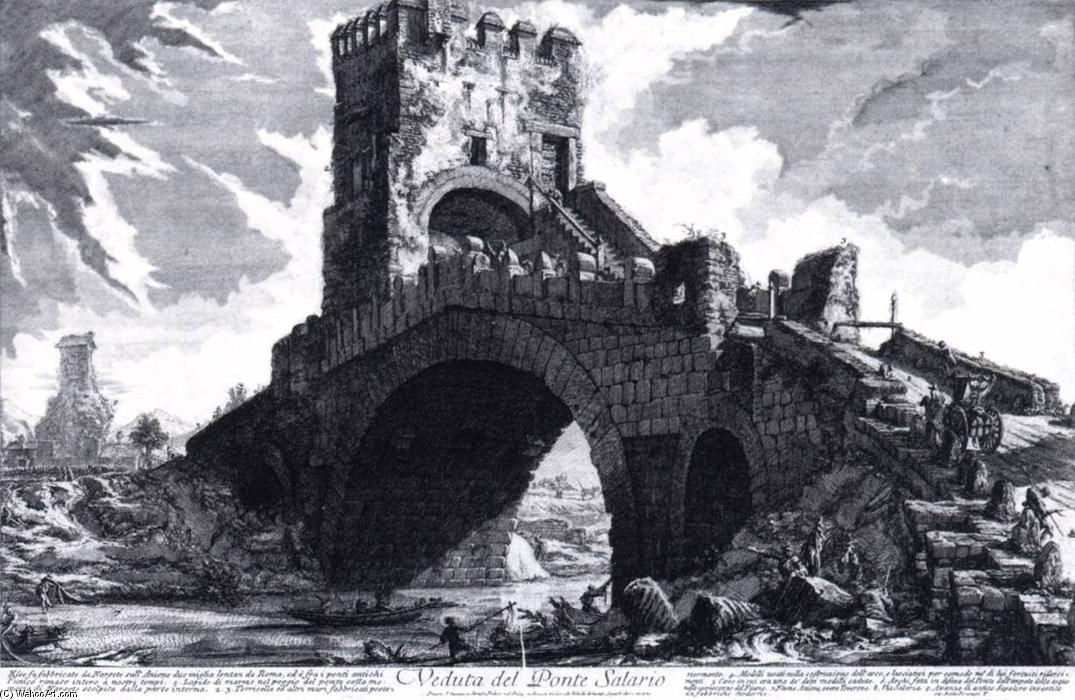
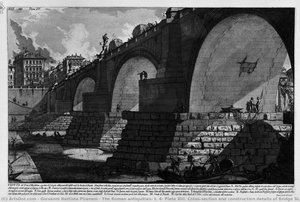
Giovanni Battista Piranesi's "The Ponte Solario," etched in 1756, isn’t merely a depiction of an old bridge; it’s a portal to a vanished world. This evocative image transcends the simple act of recording a physical space, instead offering a profound meditation on time, memory, and the enduring power of ruins. The etching, rendered in meticulous detail with characteristic Piranesi precision, captures a moment suspended between past glory and encroaching decay – a scene that resonates deeply within the viewer’s psyche long after the eye has moved on.
The subject itself is deceptively straightforward: a crumbling bridge spanning a waterway, flanked by imposing, weathered structures. Yet, Piranesi elevates this commonplace vista into something extraordinary through his masterful use of line and shadow. The bridge, the Ponte Solario, likely once connected key parts of Rome’s infrastructure, now stands as a skeletal reminder of its former importance. The surrounding ruins – towers with crenellations hinting at long-lost fortifications, crumbling walls, and stepped approaches – speak to a civilization that has slipped into the realm of legend. The artist doesn't shy away from portraying the decay; instead, he embraces it, using the textures of stone and the play of light and dark to create an atmosphere of palpable age.
The Language of Ruins: Piranesi’s Technique
Piranesi was a pioneer in etching, pushing the medium's expressive capabilities far beyond its traditional use for portraiture. He developed a unique technique – often referred to as “vedute” or ‘views’ – that prioritized atmospheric perspective and the rendering of architectural detail with unparalleled accuracy. “The Ponte Solario” exemplifies this approach perfectly. Notice how Piranesi employs hatching and cross-hatching to build up tonal values, creating a sense of depth and volume within the stone structures. The delicate lines delineate every crack, every weathered surface, every fragment of crumbling masonry. This painstaking attention to detail isn’t simply about realism; it's about conveying the *feeling* of age – the weight of centuries pressing down on these silent witnesses to history.
The use of monochrome further enhances the etching’s dramatic effect. The absence of color forces the viewer to focus entirely on texture, form, and light. Piranesi masterfully manipulates shadows to create a sense of mystery and intrigue, drawing the eye into the heart of the scene. The subtle gradations of gray suggest both the coldness of stone and the warmth of sunlight filtering through the clouds – elements that contribute to the etching’s haunting beauty.
A Historical Tapestry: Context and Symbolism
Piranesi's work emerged during a period of intense archaeological interest in Rome, fueled by the rediscovery of ancient Roman ruins. The Enlightenment fostered a fascination with classical antiquity, leading scholars and artists to meticulously document and interpret these remnants of the past. Piranesi’s etchings weren’t simply reproductions; they were carefully considered artistic statements that sought to evoke a sense of awe and wonder at the grandeur of Rome's imperial history. The presence of the tower-like structure, with its defensive features, suggests a time when Rome was a military power, constantly vigilant against external threats.
The solitary figure in the foreground adds another layer of interpretation. Often interpreted as an observer contemplating the ruins, this figure represents humanity’s relationship to history – our attempts to understand and interpret the legacies of those who came before us. The figure's smallness in comparison to the monumental structures emphasizes the insignificance of individual existence against the backdrop of vast historical time.
An Enduring Legacy: Emotional Resonance
"The Ponte Solario" is more than just a beautiful image; it’s an emotionally resonant work that speaks to our enduring fascination with ruins and the passage of time. It evokes a sense of melancholy, a quiet contemplation on loss and decay, but also a profound appreciation for the beauty and resilience of the past. The etching invites us to step into Piranesi's world – a world where stone whispers stories of forgotten empires and where the silence of ruins holds a powerful, almost palpable, presence.
Reproductions of this iconic work offer a remarkable opportunity to bring this evocative scene into your home or office. The meticulous detail and atmospheric depth of Piranesi’s original etching are faithfully captured in high-quality reproductions, allowing you to experience the full emotional impact of this timeless masterpiece.
関連作品
アーティストの略歴
Giovanni Battista Piranesi (1720–1778): イタリアの彫刻家、建築家、そして芸術家
ジョヴァンニ・バッティスタ・ピラネーシはイタリアで生まれました。彼は単に周囲の世界を描写するだけでなく、歴史的な壮大さと深い心理的な重みを帯びた空間を創造しました。彼の人生はローマが古代の心を熱心な学者や芸術家に開く中で展開され、この時期には考古学的な発見が活発化していました。しかしピラネーシはそれだけ記録することに満足しませんでした。彼は遺跡をより何かへと変貌させました。それは想像力豊かな風景であり、神秘と畏敬の念を帯びたものでした。彼の父親は石工師であり、母親はイタリアで生まれました。彼は建築における経験を幼い頃から受け継ぎ、叔父マテオ・ルッチーシがヴェネツィアの水利機構責任者である建築家からの指導を受けました。この独特の設計スキルと技術的な熟練さはピラネーシに建築の正確さとドラマチックな芸術ビジョンをシームレスに融合させることができました。彼は特にローマでの長期間の滞在を通してイタリア全土を旅し、古代ローマの歴史と崩壊する美しさに対する情熱を抱きました。彼は何が存在するかだけでなく、かつて存在したものを探求しました。
彫刻家としてのピラネーシの育成
ピラネーシは石工師の息子であり、叔父マテオ・ルッチーシがヴェネツィアの水利機構責任者である建築家からの指導を受けました。この独特の設計スキルと技術的な熟練さはピラネーシに建築の正確さとドラマチックな芸術ビジョンをシームレスに融合させることができました。彼は特にローマでの長期間の滞在を通してイタリア全土を旅し、古代ローマの歴史と崩壊する美しさに対する情熱を抱きました。彼は何が存在するかだけでなく、かつて存在したものを探求しました。
彫刻家としてのピラネーシの育成
彼の幼少期は建築における経験を幼い頃から受け継ぎました。叔父マテオ・ルッチーシがヴェネツィアの水利機構責任者である建築家からの指導を受けました。この独特の設計スキルと技術的な熟練さはピラネーシに建築の正確さとドラマチックな芸術ビジョンをシームレスに融合させることができました。彼は特にローマでの長期間の滞在を通してイタリア全土を旅し、古代ローマの歴史と崩壊する美しさに対する情熱を抱きました。彼は何が存在するかだけでなく、かつて存在したものを探求しました。
彫刻家としてのピラネーシの育成
彼は特にローマでの長期間の滞在を通してイタリア全土を旅し、古代ローマの歴史と崩壊する美しさに対する情熱を抱きました。彼は何が存在するかだけでなく、かつて存在したものを探求しました。
彫刻家としてのピラネーシの育成
彼の幼少期は建築における経験を幼い頃から受け継ぎました。叔父マテオ・ルッチーシがヴェネツィアの水利機構責任者である建築家からの指導を受けました。この独特の設計スキルと技術的な熟練さはピラネーシに建築の正確さとドラマチックな芸術ビジョンをシームレスに融合させることができました。彼は特にローマでの長期間の滞在を通してイタリア全土を旅し、古代ローマの歴史と崩壊する美しさに対する情熱を抱きました。彼は何が存在するかだけでなく、かつて存在したものを探求しました。
彫刻家としてのピラネーシの育成
彼の幼少期は建築における経験を幼い頃から受け継ぎました。叔父マテオ・ルッチーシがヴェネツィアの水利機構責任者である建築家からの指導を受けました。この独特の設計スキルと技術的な熟練さはピラネーシに建築の正確さとドラマチックな芸術ビジョンをシームレスに融合させることができました。彼は特にローマでの長期間の滞在を通してイタリア全土を旅し、古代ローマの歴史と崩壊する美しさに対する情熱を抱きました。彼は何が存在するかだけでなく、かつて存在したものを探求しました。
彫刻家としてのピラネーシの育成
彼の幼少期は建築における経験を幼い頃から受け継ぎました。叔父マテオ・ルッチーシがヴェネツィアの水利機構責任者である建築家からの指導を受けました。この独特の設計スキルと技術的な熟練さはピラネーシに建築の正確さとドラマチックな芸術ビジョンをシームレスに融合させることができました。彼は特にローマでの長期間の滞在を通してイタリア全土を旅し、古代ローマの歴史と崩壊する美しさに対する情熱を抱きました。彼は何が存在するかだけでなく、かつて存在したものを探求しました。
彫刻家としてのピラネーシの育成
彼の幼少期は建築における経験を幼い頃から受け継ぎました。叔父マテオ・ルッチーシがヴェネツィアの水利機構責任者である建築家からの指導を受けました。この独特の設計スキルと技術的な熟練さはピラネーシに建築の正確さとドラマチックな芸術ビジョンをシームレスに融合させることができました。彼は特にローマでの長期間の滞在を通してイタリア全土を旅し、古代ローマの歴史と崩壊する美しさに対する情熱を抱きました。彼は何が存在するかだけでなく、かつて存在したものを探求しました。
彫刻家としてのピラネーシの育成
彼の幼少期は建築における経験を幼い頃から受け継ぎました。叔父マテオ・ルッチーシがヴェネツィアの水利機構責任者である建築家からの指導を受けました。この独特の設計スキルと技術的な熟練さはピラネーシに建築の正確さとドラマチックな芸術ビジョンをシームレスに融合させることができました。彼は特にローマでの長期間の滞在を通してイタリア全土を旅し、古代ローマの歴史と崩壊する美しさに対する情熱を抱きました。彼は何が存在するかだけでなく、かつて存在したものを探求しました。
彫刻家としてのピラネーシの育成
彼の幼少期は建築における経験を幼い頃から受け継ぎました。叔父マテオ・ルッチーシがヴェネツィアの水利機構責任者である建築家からの指導を受けました。この独特の設計スキルと技術的な熟練さはピラネーシに建築の正確さとドラマチックな芸術ビジョンをシームレスに融合させることができました。彼は特にローマでの長期間の滞在を通してイタリア全土を旅し、古代ローマの歴史と崩壊する美しさに対する情熱を抱きました。彼は何が存在するかだけでなく、かつて存在したものを探求しました。
彫刻家としてのピラネーシの育成
彼の幼少期は建築における経験を幼い頃から受け継ぎました。叔父マテオ・ルッチーシがヴェネツィアの水利機構責任者である建築家からの指導を受けました。この独特の設計スキルと技術的な熟練さはピラネーシに建築の正確さとドラマチックな芸術ビジョンをシームレスに融合させることができました。彼は特にローマでの長期間の滞在を通してイタリア全土を旅し、古代ローマの歴史と崩壊する美しさに対する情熱を抱きました。彼は何が存在するかだけでなく、かつて存在したものを探求しました。
彫刻家としてのピラネーシの育成
彼の幼少期は建築における経験を幼い頃から受け継ぎました。叔父マテオ・ルッチーシがヴェネツィアの水利機構責任者である建築家からの指導を受けました。この独特の設計スキルと技術的な熟練さはピラネーシに建築の正確さとドラマチックな芸術ビジョンをシームレスに融合させることができました。彼は特にローマでの長期間の滞在を通してイタリア全土を旅し、古代ローマの歴史と崩壊する美しさに対する情熱を抱きました。彼は何が存在するかだけでなく、かつて存在したものを探求しました。
彫刻家としてのピラネーシの育成
彼の幼少期は建築における経験を幼い頃から受け継ぎました。叔父マテオ・ルッチーシがヴェネツィアの水利機構責任者である建築家からの指導を受けました。この独特の設計スキルと技術的な熟練さはピラネーシに建築の正確さとドラマチックな芸術ビジョンをシームレスに融合させることができました。彼は特にローマでの長期間の滞在を通してイタリア全土を旅し、古代ローマの歴史
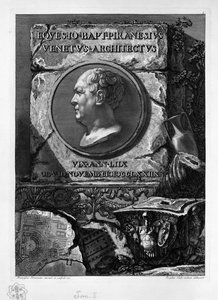
ジョヴァンニ・バッティストーア・ピラネーシ
1720 - 1778 , イタリア
基本情報
- Artistic Movement Or Style: ネオクラシスム
- Artists Or Movements Influenced By This Artist:
- ロマン主義
- シュルレアリスム
- Artists Who Influenced This Artist:
- ジョゼパ・ヴァーシー
- マテオ・ルーチェッシー
- Date Of Birth: 1720年4月4日
- Date Of Death: 1778年11月9日
- Full Name: Giovanni Battista Piranesi
- Nationality: イタリア人
- Notable Artworks: ['カーチェリ・ディンヴェンツォーニ」「ヴェデューテ・ディ・ローマ」「サンタマリアマグダラナ教会堂']
- Place Of Birth: ヴェネツィア、イタリア
関連記事

Etching Masters: 10 Legendary Prints That Revolutionized Art | ArtsDot
Journey through 10 legendary etching masterpieces by Rembrandt, Dürer & Goya. Explore the history of printmaking and discover timeless art for your home. Find museum-quality reproductions at ArtsDot.com.

Etching: A Historical Survey of Technique, Aesthetic Qualities & Enduring Artistic Significance
Explore the rich history of etching, from its origins to Rembrandt's masterful innovations. Discover the technique, aesthetic qualities & enduring legacy of this captivating art form. Expert insights for collectors and enthusiasts.

The Intricate World of Etching: A Historical Survey of Technique, Aesthetic Evolution, and Enduring Artistic Impact
Explore the rich history of etching, from its origins to modern practice. Discover techniques, key artists like Rembrandt, and insights for collectors. A comprehensive guide by ArtsDot.

ロマン派ランドスケープ:時代を彩る巨匠の10選|アートとインテリアの世界
ロマン派絵画の時代を彩る10選。巨匠たちの風景が織りなす感動の世界へ。ターナー、ルーベンスなど、名作の裏話と高精細複製でアートをお部屋に。ArtsDot.comで至福のアート体験を。

Evocations of Place: A Historical Journey Through Landscape Art
Explore the rich history of landscape art with ArtsDot. Discover renowned artists, movements like Impressionism & Romanticism, and expert guidance for collecting timeless pieces. Find your perfect serene escape today!