

 プレビュー
プレビュー
 プリントを購入
 シェアする
シェアする シェアする
シェアする
 詳細を見る
詳細を見る

 ダウンロード
 似ている作品
 X線調査
X線調査 スライドショー
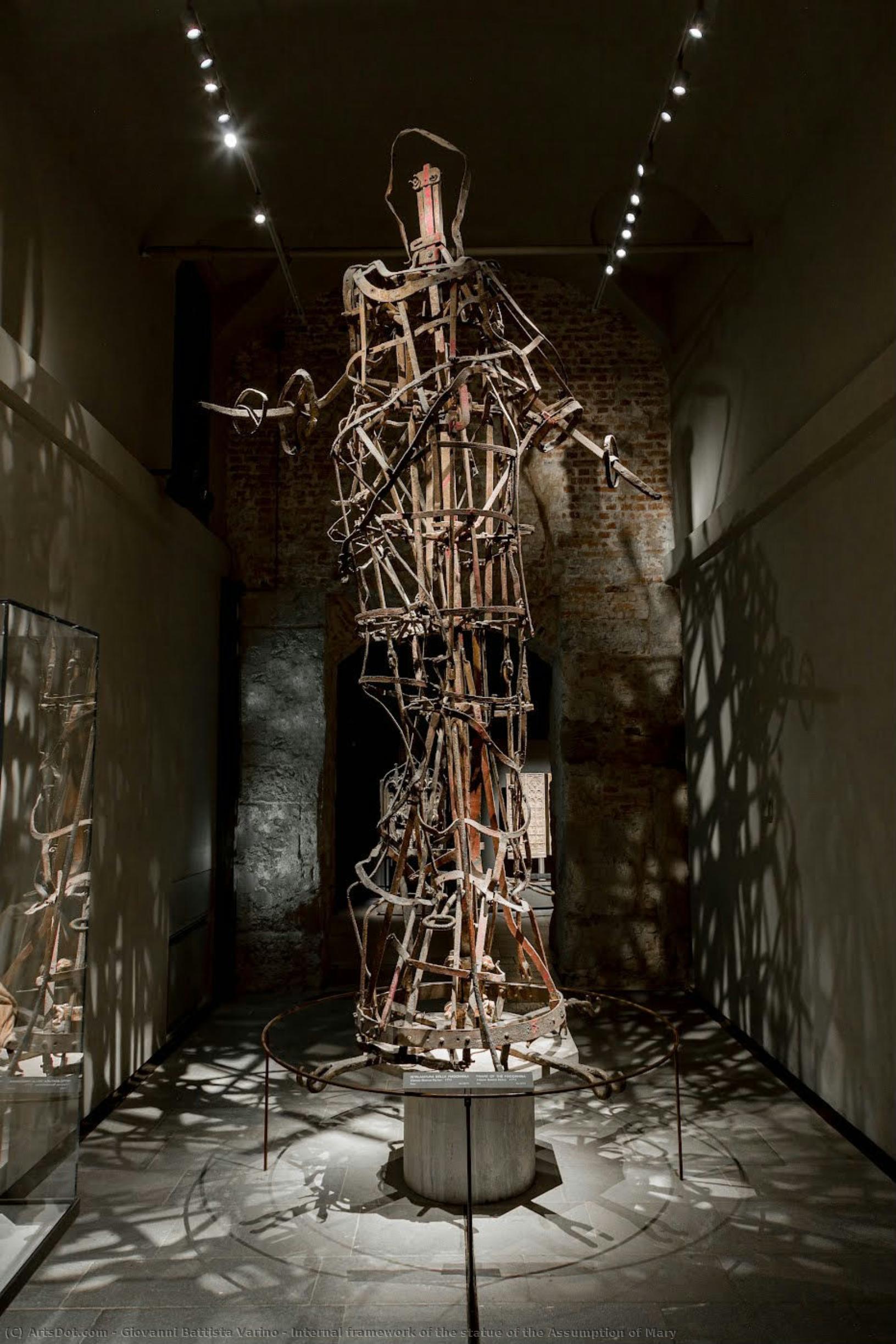
Internal framework of the statue of the Assumption of Mary
 410.0 x 150.0 cm
 Veneranda Fabbrica del Duomo di Milano
 詳細を見る
詳細を見る
オンラインプレビューをはるかに凌ぐ、高解像度で鮮明なデジタル画像をご購入いただけます。
各ファイルは、社内の専門家が高度なツールと熟練した手作業によるレタッチを用いて、細心の注意を払って準備されています。すべての画像において、卓越した鮮明度、正確な色彩再現性、そして繊細なディテールを保証いたします。
最終ファイルは、プロフェッショナルな編集・印刷環境ですぐにご利用いただけるよう最適化された状態で、72時間以内にメールにてお届けいたします。これは、一流のデザインスタジオ、出版社、ギャラリーから信頼されているものと同等の品質です。
デジタル画像のご注文に付随する特典
高品質なデジタル画像配信を、確かな品質で。
ArtsDot.com を選ぶことは、単に画像を手に入れることではありません。それは、プロの手によって精密に仕上げられ、満足保証が付いた高品質なデジタルアートワークを受け取ることを意味します。ご注文いただいた際に自動的に付随する内容は、以下の通りです:

メールですぐにお届け
ご注文から72時間以内に、高解像度のデジタル画像ファイルがメールでお手元に届きます。すぐにそのままご利用いただけます。

AI技術で最適化されたデジタルファイル
お客様の作品は、高度なAIツールと専門家による手作業の編集を組み合わせてプロフェッショナルに最適化されており、細部のディテール、鮮明さ、そして正確な色再現性を最大限に引き出しています。

一生涯無料の再送サービス
ファイルを誤って削除したり、紛失してしまったりしましたか?ご安心ください。いつでも無料で再送いたします。

輸入手数料は一切かかりません
関税や手数料、配送料を気にすることなく、お気に入りのアートワークをすぐにお楽しみいただけます。デジタルダウンロードは常に免税です。

色彩再現の保証
プロ仕様のツールとカラーマネジメント技術を用いることで、デジタル画像が元の色を最大限に忠実に再現することを保証いたします。

60日間満足保証
ご購入いただいたデジタル画像にご満足いただけない場合は、60日以内であれば、修正または100%の返金(理由を問う必要はありません)をさせていただきます。

100% 返金保証
ご満足いただけない場合は、デジタルファイルを受け取ってから60日以内であれば、理由を問わず全額返金いたします。

まとめ買い割引
3枚購入で10%OFF - 5枚購入で15%OFF - 10枚以上購入で20%OFF。クリエイティブなプロジェクト、ギャラリー、エージェンシーに最適です。
関連作品
作家の略歴
Pieter Bruegel the Elder: A Vision of Humanity
Pieter Bruegel the Elder, a name synonymous with the vibrant tapestry of 16th-century Flemish life, remains one of the most compelling and enduring figures in Western art. Born around 1525 in Breda (modern-day Netherlands), his journey from a humble upbringing to becoming the “Peasant Bruegel” – a title reflecting both his origins and his profound empathy for the common people – is a testament to artistic vision and unwavering observation. His legacy isn’t defined by grand, idealized narratives but rather by a remarkably honest portrayal of everyday existence, imbued with a subtle humor, poignant social commentary, and an uncanny ability to capture the spirit of his time. Bruegel's work transcends mere representation; it offers a window into a world teeming with life, labor, superstition, and the quiet dramas unfolding within rural communities.
- Early Life & Training: Little is definitively known about Bruegel’s early years. He likely received his initial artistic training from Pieter Coecke van Aelst in Antwerp, a renowned artist and master printmaker whose workshop provided a fertile ground for experimentation and innovation. This connection to the established art world laid the foundation for Bruegel's own distinctive style, though he quickly forged his own path, diverging from the prevailing trends of the era.
- Move to Antwerp & Patronage: Bruegel settled permanently in Antwerp around 1550, a bustling center of commerce and artistic activity. He secured patronage from wealthy merchants and nobles, including the influential Hieronymus Cock, whose printmaking workshop became a crucial outlet for Bruegel’s designs. This association with printing significantly impacted his career, allowing him to disseminate his ideas widely through engravings and woodcuts.
- The Italian Journey: A pivotal moment in Bruegel's artistic development was his trip to Italy between 1548 and 1552. While the impact of this journey is debated – some scholars argue it had little influence on his style – it undoubtedly exposed him to the works of masters like Leonardo da Vinci, Michelangelo, and Raphael, broadening his understanding of perspective, composition, and classical themes.
A World in Miniature: Landscapes and Social Commentary
Bruegel’s artistic genius lies primarily in his masterful landscapes, which serve as the backdrop for a remarkable array of scenes depicting peasant life, religious narratives, and seasonal festivities. He wasn't simply painting pretty pictures; he was meticulously documenting the rhythms of rural existence, capturing the details of farming practices, village celebrations, and the superstitions that permeated everyday belief. His compositions are often crowded with figures, creating a sense of bustling activity and communal engagement – a deliberate departure from the more formal and static arrangements favored by many of his contemporaries.
- The Power of Observation: Bruegel’s paintings are rooted in direct observation. He spent considerable time sketching and studying rural landscapes, meticulously rendering the textures of fields, forests, and waterways. This commitment to realism is evident in the intricate details of his works – from the worn clothing of peasants to the weathered faces of farmers.
- Moralizing Scenes: Many of Bruegel’s paintings carry a subtle moral message, often conveyed through allegorical figures or humorous situations. *The Fall of Icarus*, for example, isn't merely a depiction of a tragic event but also a commentary on hubris and the dangers of ambition. Similarly, *Hunters in the Snow* offers a poignant meditation on human endurance and the harsh realities of winter.
- Genre Painting: Bruegel is considered one of the pioneers of genre painting – the representation of everyday life. His works offer invaluable insights into the social customs, beliefs, and values of 16th-century Flemish society.
Technique and Style
Bruegel’s artistic style evolved significantly throughout his career, reflecting his growing confidence and experimentation. Early works demonstrate a clear influence from the Flemish landscape tradition, characterized by meticulous detail and a focus on atmospheric perspective. As he matured, his compositions became increasingly dynamic and complex, incorporating multiple narrative threads and a greater sense of theatricality. His use of color is often muted and earthy, creating a harmonious palette that reflects the natural world. He was also an exceptionally skilled draftsman, evident in the precision and clarity of his preparatory sketches.
- Engraving as a Medium: Bruegel’s collaboration with Hieronymus Cock on a series of engravings proved to be hugely influential. He designed over forty prints, which were then reproduced using innovative techniques that allowed for detailed depictions of both figures and landscapes.
- The “Peasant” Aesthetic: Despite his aristocratic patrons, Bruegel cultivated an image as the "peasant Bruegel," a title reflecting his deep empathy for the common people. This is evident in his choice of subjects – he frequently depicted scenes of rural life, often with a focus on the hardships and joys of peasant existence.
- A Unique Vision: Bruegel’s distinctive style—characterized by its dynamism, humor, and social commentary—set him apart from his contemporaries and established him as one of the most important artists of the Northern Renaissance.
Legacy and Influence
Pieter Bruegel the Elder's impact on art history is profound and far-reaching. His innovative approach to landscape painting, his insightful portrayal of peasant life, and his subtle use of humor have inspired generations of artists. He anticipated many of the developments in European art that would emerge in the 18th and 19th centuries – including the rise of Realism and Romanticism. His work continues to resonate with audiences today, offering a timeless reflection on the human condition and the enduring beauty of everyday life.
Bruegel’s legacy extends beyond his individual paintings; his techniques and ideas influenced countless artists who followed in his footsteps. His emphasis on observation, social commentary, and the celebration of ordinary people helped to shape the course of Western art history, solidifying his place as a true visionary and one of the most beloved figures in the pantheon of great painters.
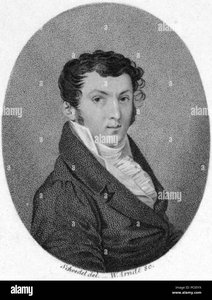
giovanni battista varino
1569 - 1625 , Italy
プロフィール概要
- Artistic Movement Or Style: Northern Renaissance
- Artists Or Movements Influenced By This Artist:
- Bosch
- Dutch Golden Age
- Artists Who Influenced This Artist: ['Pieter Coecke van Aelst']
- Date Of Birth: c. 1525, Breda
- Date Of Death: Sept. 5/9, 1569, Brussels
- Full Name: Pieter Bruegel the Elder
- Nationality: Flemish
- Notable Artworks:
- Landscape with the Fall of Icarus
- The Peasant Wedding
- Hunters in the New Forest
- Place Of Birth: Breda, Brabant (Netherlands)

