

 プレビュー
プレビュー
 プリントを購入
 シェアする
シェアする シェアする
シェアする
 詳細を見る
詳細を見る

 ダウンロード
 似ている作品
 X線調査
X線調査 スライドショー
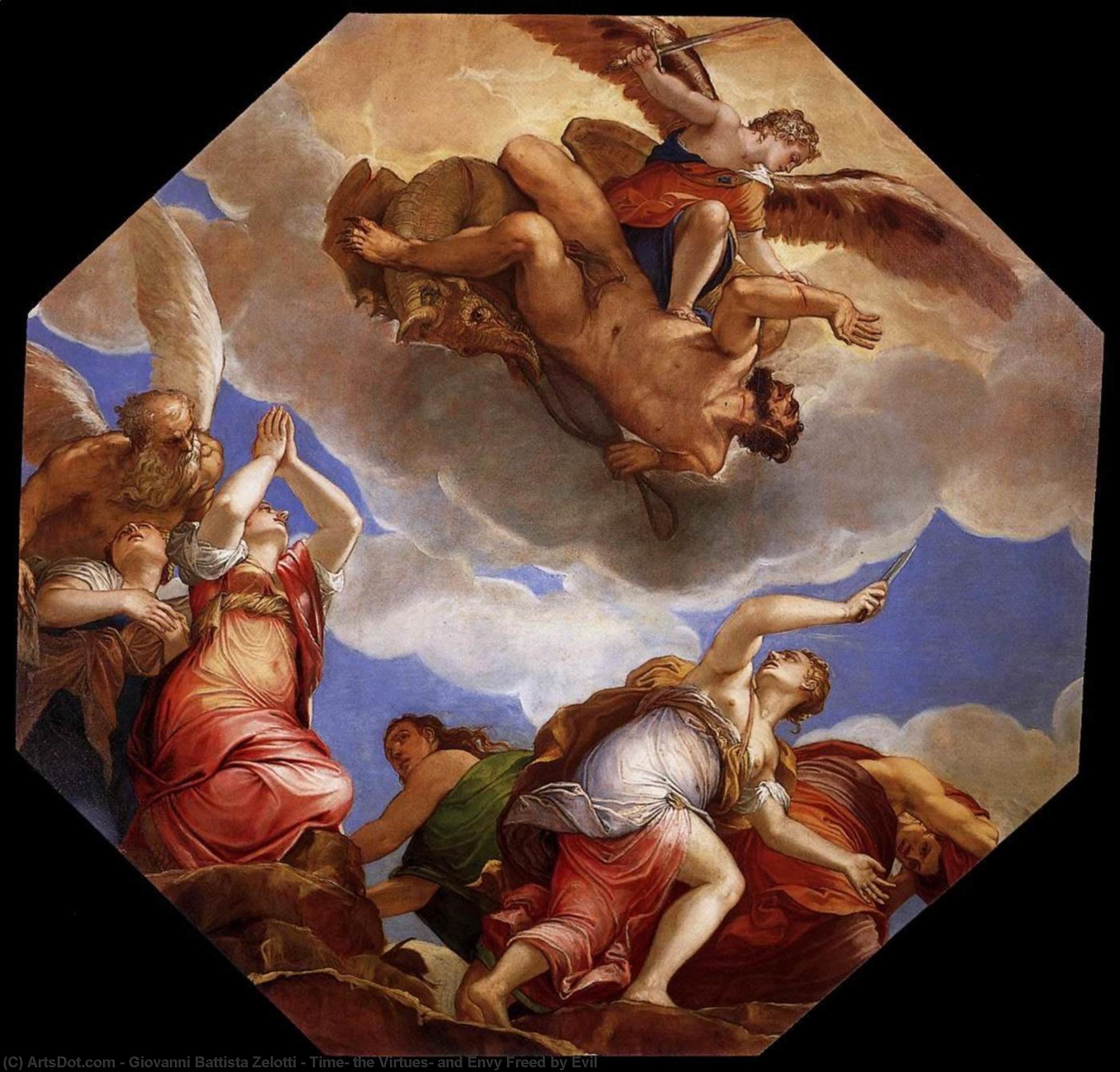
Time, the Virtues, and Envy Freed by Evil


 詳細を見る
詳細を見る
オンラインプレビューをはるかに凌ぐ、高解像度で鮮明なデジタル画像をご購入いただけます。
各ファイルは、社内の専門家が高度なツールと熟練した手作業によるレタッチを用いて、細心の注意を払って準備されています。すべての画像において、卓越した鮮明度、正確な色彩再現性、そして繊細なディテールを保証いたします。
最終ファイルは、プロフェッショナルな編集・印刷環境ですぐにご利用いただけるよう最適化された状態で、72時間以内にメールにてお届けいたします。これは、一流のデザインスタジオ、出版社、ギャラリーから信頼されているものと同等の品質です。
デジタル画像のご注文に付随する特典
高品質なデジタル画像配信を、確かな品質で。
ArtsDot.com を選ぶことは、単に画像を手に入れることではありません。それは、プロの手によって精密に仕上げられ、満足保証が付いた高品質なデジタルアートワークを受け取ることを意味します。ご注文いただいた際に自動的に付随する内容は、以下の通りです:

メールですぐにお届け
ご注文から72時間以内に、高解像度のデジタル画像ファイルがメールでお手元に届きます。すぐにそのままご利用いただけます。

AI技術で最適化されたデジタルファイル
お客様の作品は、高度なAIツールと専門家による手作業の編集を組み合わせてプロフェッショナルに最適化されており、細部のディテール、鮮明さ、そして正確な色再現性を最大限に引き出しています。

一生涯無料の再送サービス
ファイルを誤って削除したり、紛失してしまったりしましたか?ご安心ください。いつでも無料で再送いたします。

輸入手数料は一切かかりません
関税や手数料、配送料を気にすることなく、お気に入りのアートワークをすぐにお楽しみいただけます。デジタルダウンロードは常に免税です。

色彩再現の保証
プロ仕様のツールとカラーマネジメント技術を用いることで、デジタル画像が元の色を最大限に忠実に再現することを保証いたします。

60日間満足保証
ご購入いただいたデジタル画像にご満足いただけない場合は、60日以内であれば、修正または100%の返金(理由を問う必要はありません)をさせていただきます。

100% 返金保証
ご満足いただけない場合は、デジタルファイルを受け取ってから60日以内であれば、理由を問わず全額返金いたします。

まとめ買い割引
3枚購入で10%OFF - 5枚購入で15%OFF - 10枚以上購入で20%OFF。クリエイティブなプロジェクト、ギャラリー、エージェンシーに最適です。
A Baroque Drama of Fate: Unveiling Zelotti’s “Time, the Virtues, and Envy Freed by Evil”
Giovanni Battista Zelotti's 1553 fresco, "Time, the Virtues, and Envy Freed by Evil," isn’t merely a depiction of mythological figures; it’s a visceral embodiment of humanity’s eternal struggle against chaos and corruption. Born in Verona during the late Renaissance, Zelotti was deeply rooted in the artistic traditions of his region, absorbing influences from masters like Titian while forging his own distinctive voice within the vibrant milieu of Venice. This monumental work, commissioned for a private collection, immediately commands attention with its dramatic composition and masterful use of chiaroscuro – a technique that plunges the scene into pools of light and shadow, amplifying the sense of conflict and urgency. The fresco’s sheer scale, combined with Zelotti's signature Baroque flair, creates an immersive experience, transporting the viewer directly into the heart of this allegorical narrative.
At first glance, the composition appears complex, yet it’s meticulously structured around a pyramidal arrangement that draws the eye upwards towards Time himself. He is not presented as a serene deity but as a figure actively engaged in battle, his face etched with determination and vulnerability. Opposing him is an angel wielding a sword – a potent symbol of divine justice attempting to restrain the rampant forces of Envy and Evil. These figures are rendered with a remarkable physicality, characteristic of Baroque art; their muscular forms and dynamic poses convey a sense of raw emotion and unrelenting struggle. The inclusion of Virtue, represented by a radiant figure, underscores the importance of moral strength in resisting these destructive influences. The scene unfolds across a layered background of swirling clouds and celestial elements, suggesting the vastness of time and the eternal nature of this conflict.
Technique and Materials: A Masterclass in Fresco Painting
Zelotti’s skill as a fresco painter is immediately apparent. The technique itself – applying pigments to wet plaster – demands immense precision and control, requiring the artist to work quickly before the surface dries. The resulting texture is both tactile and visually rich; smooth areas on the figures' skin contrast dramatically with the rougher surfaces of the rocks and clouds, creating a compelling interplay of visual interest. The layering of pigments, meticulously built up over time, contributes to the fresco’s depth and luminosity. Zelotti expertly manipulated color – deep reds and blues representing passion and chaos, contrasted against the gold and white of Virtue – to heighten the emotional impact of the scene. The use of perspective, while somewhat flattened due to the medium, effectively creates a sense of spatial depth, drawing the viewer into the drama unfolding before them.
Symbolism: Unpacking the Allegory
Beyond its immediate visual appeal, “Time, the Virtues, and Envy Freed by Evil” is laden with symbolic meaning. Time itself represents the relentless march of existence, constantly battling against the forces of corruption – symbolized here by Envy and Evil. The angel’s sword signifies divine intervention, attempting to maintain order and prevent chaos from overwhelming humanity. Virtue embodies moral strength and righteousness, offering a path towards redemption. The inclusion of Envy is particularly significant; it's not merely a destructive force but actively “freed,” suggesting that it thrives on human desires and imperfections. The entire composition serves as a potent reminder of the ongoing struggle between good and evil within ourselves and in the world around us – a timeless theme explored by artists throughout history.
Historical Context and Artistic Legacy
Zelotti’s work reflects the artistic trends of the late Renaissance, particularly the influence of Venetian masters like Titian. His style is characterized by its dramatic intensity, rich color palette, and dynamic compositions – hallmarks of the Baroque movement that would soon follow. The fresco's subject matter—allegorical narratives exploring moral and philosophical themes—was a popular genre during this period. Zelotti’s legacy extends beyond this single masterpiece; he continued to produce significant works throughout his career, contributing to the artistic vibrancy of Venice and Verona. Reproductions of “Time, the Virtues, and Envy Freed by Evil” offer a remarkable opportunity to experience the power and beauty of this iconic fresco, bringing its timeless message to a new generation.
関連作品

作家の略歴
The Veronese Echo: The Life and Legacy of Giovanni Battista Zelotti
In the vibrant tapestry of the Venetian Renaissance, few threads are as intricately woven into the architectural grandeur of Italy as those spun by Giovanni Battista Zelotti. Born in Verona in 1526, a city then flourishing under the dominion of Venice, Zelotti emerged not merely as a painter, but as a master of atmosphere and narrative scale. His early years were shaped by the rigorous traditions of masters such as Antonio Badile and Domenico Riccio, and his artistic lineage suggests a profound connection to the legendary Titian. This formative period instilled in him a command over color and light that would later allow him to transform static walls into breathing, mythological landscapes.
Zelotti’s journey through the artistic hubs of Padua and Venice allowed him to absorb the evolving stylistic cues of his era. While often viewed as a contemporary and collaborator of Paolo Veronese, Zelotti possessed a unique ability to blend the classical ideals of the High Renaissance with an emerging sense of drama. His work became a bridge between the balanced compositions of the past and the more opulent, emotive qualities that would eventually characterize the Baroque period. This evolution is most evident in his mastery of fresco, a medium that required both immense physical stamina and a sophisticated understanding of how light interacts with plaster and pigment.
Architectural Symbiosis and the Palladian Connection
One of the most enduring aspects of Zelotti’s career was his profound synergy with architecture, most notably through his collaborations with the visionary Andrea Palladio. The relationship between painter and architect reached its zenith in the decoration of magnificent villas, such as Villa Emo and Villa Foscari. In these spaces, Zelotti did not merely decorate; he expanded the architectural boundaries. Alongside fellow artists like Bernardino India and Battista Franco, he injected a sense of movement and mythological depth into Palladio’s structured, classical designs.
His frescoes served to animate the stone and marble, bringing the heavens and ancient legends down to the earthly realm of the Venetian nobility. This ability to harmonize with monumental structures ensured that his work became an inseparable part of the Italian landscape. Whether decorating a private villa or a public monument, Zelotti’s hand was always present to provide the narrative soul to Palladio's structural bones.
A Monumental Presence in Venice and Beyond
The true scale of Zelotti’s ambition is perhaps best witnessed in his contributions to the most prestigious institutions of the Venetian Republic. The Doge’s Palace, a symbol of Venetian power and splendor, holds within its ceilings the masterful work of Zelotti, specifically his depiction of “Santi Giovanni e Paolo.” Here, his use of intricate detail and masterful perspective creates an illusion of infinite height, a testament to his skill in managing large-scale compositions. His work in the Biblioteca Marciana further solidified his reputation as a scholar-painter, as he utilized classical mythology to celebrate the humanist ideals that defined the age.
Beyond the borders of Venice, Zelotti’s influence traveled to Mantua, where he engaged with the prestigious Palazzo Gonzaga, continuing the rich Veronese tradition in new territories. His stylistic hallmarks—characterized by:
- Dramatic Lighting: A precursor to the Baroque, using shadow to create depth and emotion.
- Opulent Ornamentation: A lushness of detail that reflected the wealth and prestige of his patrons.
- Mythological Narrative: The seamless integration of Greco-Roman legends into contemporary settings.
Though history sometimes shadows him in the wake of Veronese, Giovanni Battista Zelotti remains an indispensable figure. He was a painter who understood that art is not merely something to be viewed, but something to be inhabited, turning the very walls of Italy's greatest palaces into windows onto the divine and the ancient.
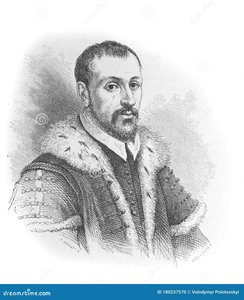
Giovanni Battista Zelotti
1526 - 1578 , Italy
プロフィール概要
- Artistic Movement Or Style: Late Renaissance
- Artists Or Movements Influenced By This Artist: ['Andrea Palladio']
- Artists Who Influenced This Artist:
- Antonio Badile
- Domenico Riccio
- Titian
- Date Of Birth: 1526 Verona Italy
- Date Of Death: 1578 Mantova Italy
- Full Name: Giovanni Battista Zelotti
- Nationality: Italian
- Notable Artworks:
- View of the Room of Sofonisba
- Venice Seated upon the Globe and upon a Lion
- Place Of Birth: Verona Italy

