 プレビュー
プレビュー
 シェアする
シェアする シェアする
シェアする
 詳細を見る
詳細を見る

 ダウンロード
 似ている作品
 X線調査
X線調査 スライドショー
 Stats
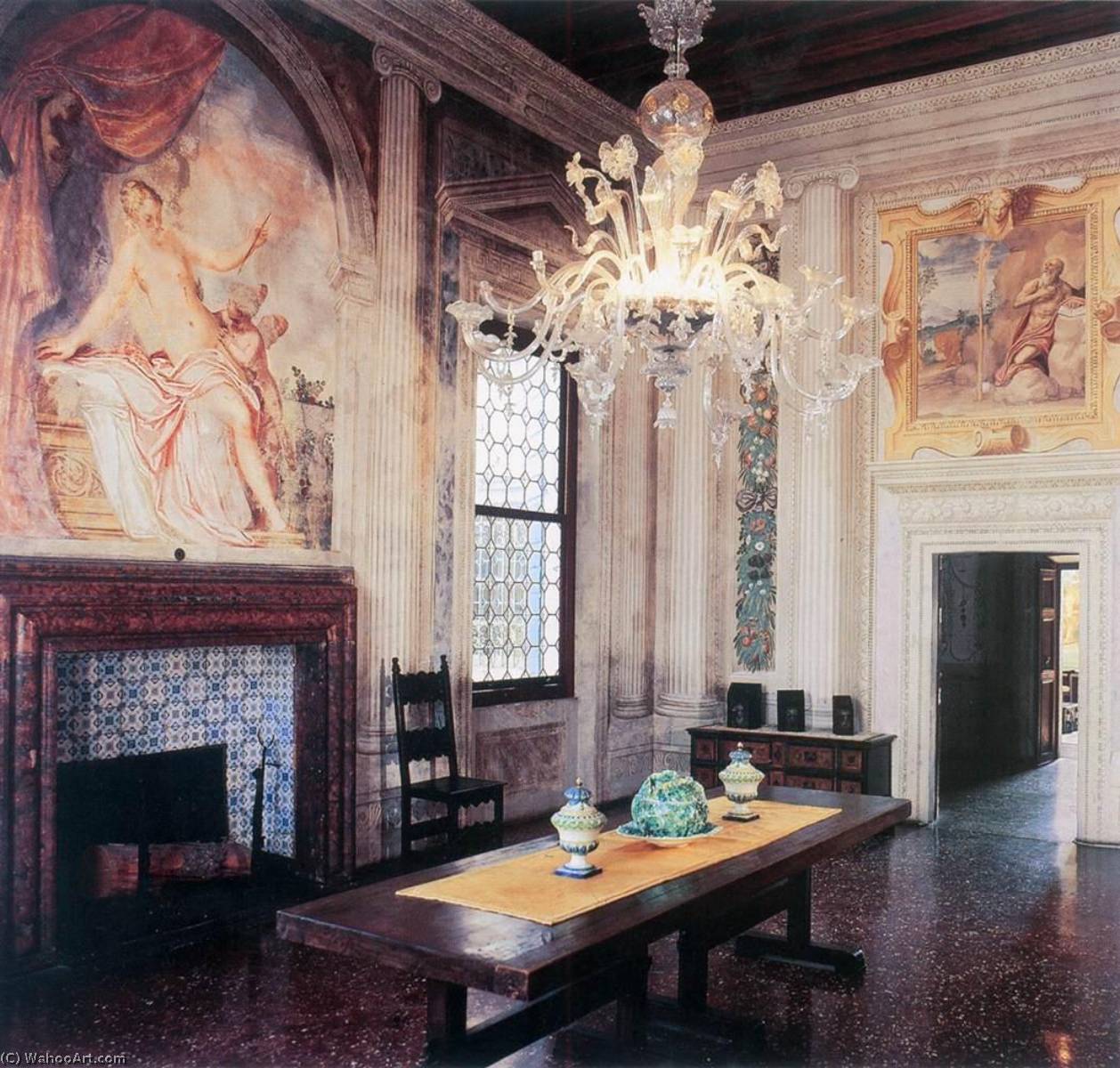
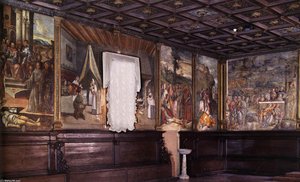
StatsView of the Hall of Venus

 詳細を見る
詳細を見る
ジークレー/アートプリント
迅速な制作と多彩な仕上げオプションを備えた、ミュージアムクオリティのジークレーまたはキャンバスプリント。 ( 手描きの絵画を購入 Switch to Digital Image)




































作品のオリジナル比率に合わせた、当店の規定サイズからお選びください。

特定のフレームやスペースに合わせて、ご自身でサイズを指定することも可能です。選択されたサイズが元の画像の比率と一致しない場合、作品をトリミングするか、鏡面反射または単色での塗りつぶしによって画像を拡張いたします。制作を開始する前に、ご確認用のデジタルモックアップをお送りいたします。
画面上のプレビューには、実際のトリミングや拡張は反映されませんのでご注意ください。最終的な構図を正確に確認できるのは、モックアップのみとなります。
カスタムサイズも承っておりますが、元の比率を維持するためには、あらかじめ用意されたリストからサイズを選択することをお勧めいたします。


 ガラスオプションは、110cm未満のサイズでのみご利用いただけます。

View of the Hall of Venus
ジークレー/アートプリント
複製画のサイズ
-


合計金額
$ 62
関連作品



アーティストの略歴
The Veronese Echo: The Life and Legacy of Giovanni Battista Zelotti
In the vibrant tapestry of the Venetian Renaissance, few threads are as intricately woven into the architectural grandeur of Italy as those spun by Giovanni Battista Zelotti. Born in Verona in 1526, a city then flourishing under the dominion of Venice, Zelotti emerged not merely as a painter, but as a master of atmosphere and narrative scale. His early years were shaped by the rigorous traditions of masters such as Antonio Badile and Domenico Riccio, and his artistic lineage suggests a profound connection to the legendary Titian. This formative period instilled in him a command over color and light that would later allow him to transform static walls into breathing, mythological landscapes.
Zelotti’s journey through the artistic hubs of Padua and Venice allowed him to absorb the evolving stylistic cues of his era. While often viewed as a contemporary and collaborator of Paolo Veronese, Zelotti possessed a unique ability to blend the classical ideals of the High Renaissance with an emerging sense of drama. His work became a bridge between the balanced compositions of the past and the more opulent, emotive qualities that would eventually characterize the Baroque period. This evolution is most evident in his mastery of fresco, a medium that required both immense physical stamina and a sophisticated understanding of how light interacts with plaster and pigment.
Architectural Symbiosis and the Palladian Connection
One of the most enduring aspects of Zelotti’s career was his profound synergy with architecture, most notably through his collaborations with the visionary Andrea Palladio. The relationship between painter and architect reached its zenith in the decoration of magnificent villas, such as Villa Emo and Villa Foscari. In these spaces, Zelotti did not merely decorate; he expanded the architectural boundaries. Alongside fellow artists like Bernardino India and Battista Franco, he injected a sense of movement and mythological depth into Palladio’s structured, classical designs.
His frescoes served to animate the stone and marble, bringing the heavens and ancient legends down to the earthly realm of the Venetian nobility. This ability to harmonize with monumental structures ensured that his work became an inseparable part of the Italian landscape. Whether decorating a private villa or a public monument, Zelotti’s hand was always present to provide the narrative soul to Palladio's structural bones.
A Monumental Presence in Venice and Beyond
The true scale of Zelotti’s ambition is perhaps best witnessed in his contributions to the most prestigious institutions of the Venetian Republic. The Doge’s Palace, a symbol of Venetian power and splendor, holds within its ceilings the masterful work of Zelotti, specifically his depiction of “Santi Giovanni e Paolo.” Here, his use of intricate detail and masterful perspective creates an illusion of infinite height, a testament to his skill in managing large-scale compositions. His work in the Biblioteca Marciana further solidified his reputation as a scholar-painter, as he utilized classical mythology to celebrate the humanist ideals that defined the age.
Beyond the borders of Venice, Zelotti’s influence traveled to Mantua, where he engaged with the prestigious Palazzo Gonzaga, continuing the rich Veronese tradition in new territories. His stylistic hallmarks—characterized by:
- Dramatic Lighting: A precursor to the Baroque, using shadow to create depth and emotion.
- Opulent Ornamentation: A lushness of detail that reflected the wealth and prestige of his patrons.
- Mythological Narrative: The seamless integration of Greco-Roman legends into contemporary settings.
Though history sometimes shadows him in the wake of Veronese, Giovanni Battista Zelotti remains an indispensable figure. He was a painter who understood that art is not merely something to be viewed, but something to be inhabited, turning the very walls of Italy's greatest palaces into windows onto the divine and the ancient.

Giovanni Battista Zelotti
1526 - 1578 , Italy
基本情報
- Artistic Movement Or Style: Late Renaissance
- Artists Or Movements Influenced By This Artist: ['Andrea Palladio']
- Artists Who Influenced This Artist:
- Antonio Badile
- Domenico Riccio
- Titian
- Date Of Birth: 1526 Verona Italy
- Date Of Death: 1578 Mantova Italy
- Full Name: Giovanni Battista Zelotti
- Nationality: Italian
- Notable Artworks:
- View of the Room of Sofonisba
- Venice Seated upon the Globe and upon a Lion
- Place Of Birth: Verona Italy