

 プレビュー
プレビュー
 シェアする
シェアする シェアする
シェアする
 詳細を見る
詳細を見る

 ダウンロード
 似ている作品
 X線調査
X線調査 スライドショー
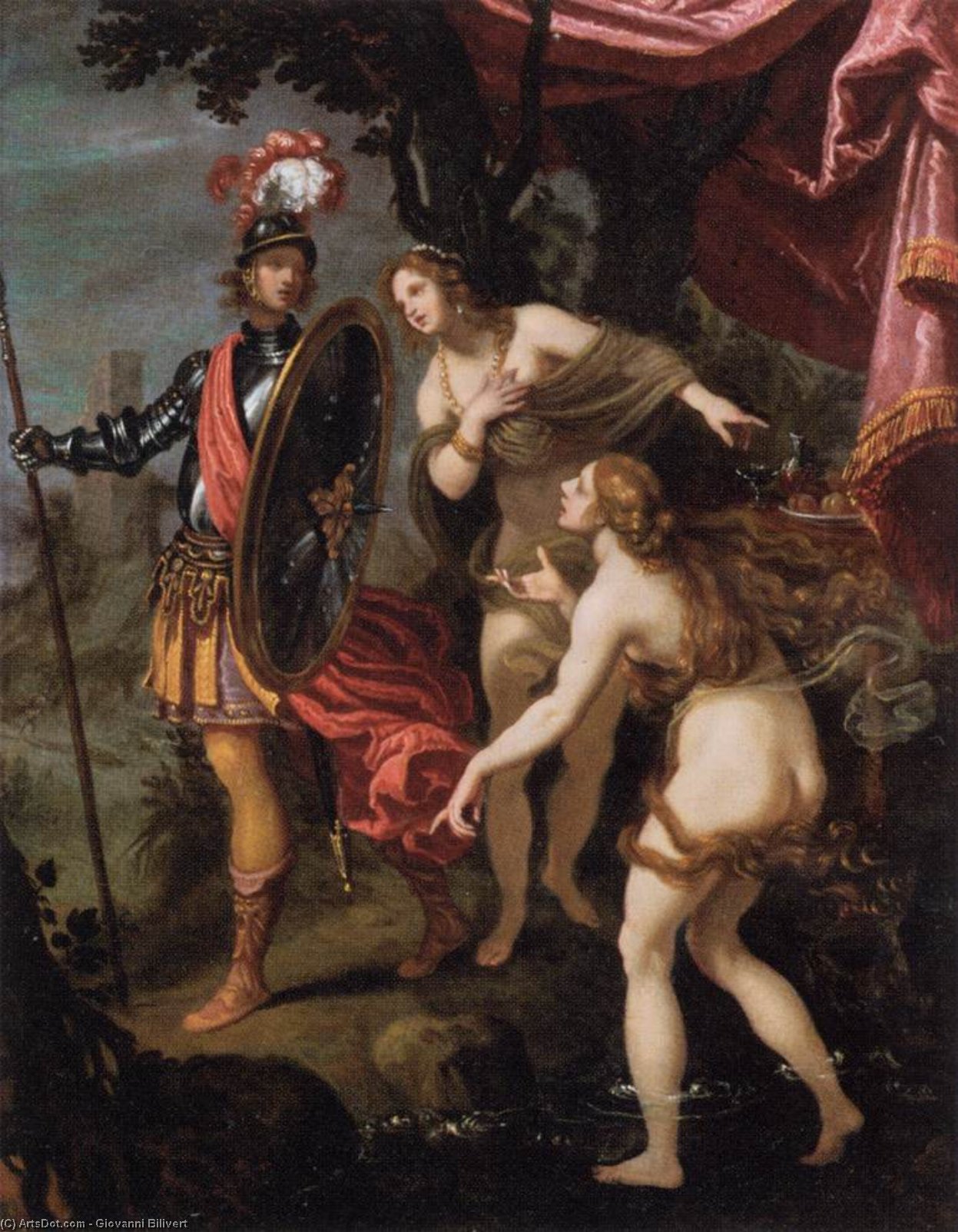
The Temptation of Charles and Ubalde
 Oil On Copper
- Baroque Mannerism
 1629
1629 37.0 x 28.0 cm
 ルーブル美術館
 詳細を見る
詳細を見る
ジークレー/アートプリント
迅速な制作と多彩な仕上げオプションを備えた、ミュージアムクオリティのジークレーまたはキャンバスプリント。 ( 手描きの絵画を購入 画像を購入)




P118B $10

P118H $10

P118W $10

P438Z $10

P508JH $12

P508YH $12

P805H $10

P805Z $10

P919BZ $10

P919G $10

P919XJ $10

P959ZH $10

P968JZ $12

W106C $8

W218G $10

W218JH $8

W218Y $10

W307PJ $10

W316G $10

W316PJ $8

W316Y $10

W398PJ $8

W4111J $10

W500HY $15

W500JH $15

W692G $12

W849H $8

W940BG $15

W953PJ $8




作品のオリジナル比率に合わせた、当店の規定サイズからお選びください。

特定のフレームやスペースに合わせて、ご自身でサイズを指定することも可能です。選択されたサイズが元の画像の比率と一致しない場合、作品をトリミングするか、鏡面反射または単色での塗りつぶしによって画像を拡張いたします。制作を開始する前に、ご確認用のデジタルモックアップをお送りいたします。
画面上のプレビューには、実際のトリミングや拡張は反映されませんのでご注意ください。最終的な構図を正確に確認できるのは、モックアップのみとなります。
カスタムサイズも承っておりますが、元の比率を維持するためには、あらかじめ用意されたリストからサイズを選択することをお勧めいたします。


 ガラスオプションは、110cm未満のサイズでのみご利用いただけます。

The Temptation of Charles and Ubalde
ジークレー/アートプリント
複製画のサイズ
-


合計金額
$ 62
Giovanni Bilivert: A Florentine Master of Mannerist Sensuality
Giovanni Biliverti, born Jacob Janszoon Bijlevelt in Maastricht around 1585, was a Dutch-born Italian painter who achieved considerable renown during the late Mannerism and early Baroque periods. His artistic journey began in Delft, where he apprenticed under his father, Giacomo Giovanni Biliverti – himself a skilled painter and goldsmith – before relocating to Florence, Italy, seeking patronage and artistic opportunities. This decisive move cemented his place within the vibrant artistic landscape of the Renaissance’s twilight years.Early Training & Influences: Siena and Cigoli's Legacy
Bilivert’s formative years were spent honing his craft in Siena alongside Alessandro Casolani, absorbing the stylistic nuances of Tuscan Mannerism. However, it was his association with Ludovico Cigoli that truly shaped his artistic vision. Collaborating closely with the papal artist on ambitious projects commissioned by Clement VIII between 1604 and 1607, Bilivert internalized Cigoli’s masterful command of Baroque aesthetics – particularly dramatic lighting and idealized forms – establishing a foundation for his subsequent work. This partnership wasn't merely professional; it fostered a deep intellectual exchange concerning artistic principles and compositional strategies.The Medici Patronage & Artistic Flourishing in Florence
In 1609, Bilivert joined the Accademia del Disegno in Florence, securing invaluable access to influential figures and fostering an environment conducive to creative experimentation. The patronage of the Medici family provided him with considerable resources and encouraged him to push boundaries within established conventions. This period witnessed a prolific output of paintings reflecting the prevailing stylistic trends – sensual depictions of mythological subjects infused with emotional intensity—demonstrating Bilivert’s ability to synthesize disparate influences into a cohesive artistic idiom.“The Temptation of Charles and Ubalde”: A Study in Psychological Drama
“The Temptation of Charles and Ubalde,” completed around 1629-30, exemplifies Bilivert's signature style: a meticulously crafted oil painting on copper that captures the essence of Mannerist drama. The scene portrays the allure of temptation—represented by two enigmatic women—targeting Charles and Ubalde, figures imbued with symbolic significance. Their poses are deliberately unsettling, conveying vulnerability and desire amidst a backdrop of stylized natural elements – towering trees and rugged rocks – which heighten the atmosphere of suspense and psychological complexity. Bilivert’s technique is characterized by smooth brushstrokes and subtle gradations of color, skillfully manipulating light to create an illusionistic depth that draws the viewer into the narrative. The painting's emotional impact resonates with themes of moral struggle and spiritual yearning, reflecting the anxieties of the era and cementing Bilivert’s reputation as a painter capable of conveying profound psychological states.A Legacy of Sensuality and Artistic Innovation
Giovanni Bilivert’s contribution to Florentine art is undeniable. His unwavering dedication to mastering technique combined with his astute understanding of humanist ideals ensured that “The Temptation of Charles and Ubalde,” like much of his oeuvre, continues to captivate audiences today—a testament to the enduring power of Mannerist artistry and Bilivert's singular artistic vision.関連作品


アーティストの略歴
The Florentine Master of Light and Shadow
In the vibrant, transitioning era between the structured elegance of Mannerism and the dramatic intensity of the Baroque, the name Giovanni Bilivert emerges as a luminous figure in the Florentine artistic landscape. Though his roots trace back to the Dutch city of Maastricht—born Jacob Janszoon Bijlevelt to a family of Flemish descent—his soul was irrevocably shaped by the warmth and grandeur of Italy. His journey from the workshops of Delft, where he learned the meticulous craft of his father, the goldsmith and painter Giacomo Giovanni Biliverti, to the prestigious studios of Florence, represents a profound cultural synthesis. This fusion of Northern precision and Italian passion allowed him to develop a style that was both technically rigorous and emotionally resonant.
Bilivert’s early training was a tapestry of diverse influences, beginning with the delicate touch of Alessandro Casolani in Siena. However, it was his pivotal apprenticeship under Lodovico Cardi, famously known as Cigoli, that would define his artistic trajectory. Working alongside Cigoli in Rome between 1604 and 1607, Bilivert was immersed in the high-stakes world of papal commissions under Clement VIII. This period served as a crucible, refining his ability to handle large-scale compositions and instilling in him a deep understanding of the emerging Baroque aesthetic, characterized by a newfound sense of movement and psychological depth.
A Legacy Within the Medici Circle
The year 1609 marked a monumental milestone in Bilivert’s career when he was admitted to the Accademia delle Arti del Disegno in Florence. This prestigious institution, under the direct patronage of the Medici family, provided him with an unparalleled platform to showcase his talents. His relationship with the Florentine court was not merely that of a painter but also of a versatile designer; he contributed significantly to the exquisite pietra dura projects commissioned by Cosimo II de’ Medici. This multidisciplinary expertise allowed him to infuse his canvases with a decorative richness and a tactile quality that mirrored the luxury of the Grand Ducal court.
His oeuvre is a testament to his ability to navigate complex narratives through the masterful use of chiaroscuro. In works such as The Temptation of Charles and Ubalde, Bilivert captures a sense of dramatic tension, utilizing lush landscapes and carefully orchestrated light to guide the viewer's eye through scenes of seduction and moral conflict. His talent for portraying human emotion through subtle gestures and expressive facial features is perhaps most poignant in his biblical depictions, where the divine and the earthly intersect with breathtaking grace.
Masterpieces and Enduring Significance
The enduring power of Bilivert’s art lies in its ability to evoke a sense of wonder and spiritual contemplation. His celebrated works often revolve around themes of protection, farewell, and divine intervention, most notably seen in the Tobias cycle. In 'Tobias’s Farewell to the Angel', the artist achieves a serene yet profound composition that remains one of his most cherished legacies, currently housed in the prestigious Galleria Palatina. Whether he was depicting the Archangel Raphael refusing a gift or the dramatic flaying of Marsyas by Apollo, Bilivert possessed a unique capacity to breathe life into myth and scripture.
As we reflect on his contributions to art history, several key elements define his lasting impact:
- Technical Mastery: His ability to blend the meticulous detail of his Northern heritage with the dramatic lighting techniques of the Italian Baroque.
- Narrative Depth: A profound skill in using composition and gesture to convey complex theological and mythological stories.
- Cultural Bridge: Serving as a vital link between the late Mannerist tradition and the burgeoning Baroque movement within the influential Florentine milieu.
Though his life ended in 1644, the echoes of Giovanni Bilivert’s brushwork continue to resonate through the halls of the world's great museums. He remains a quintessential artist of his age, a painter who could capture the fleeting light of a Tuscan afternoon and the eternal weight of a divine encounter with equal, incomparable brilliance.
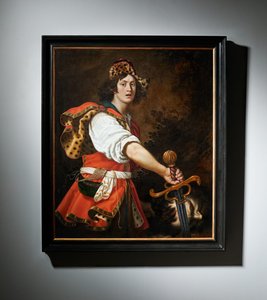
Giovanni Bilivert
1585 - 1644 , Italy
基本情報
- Artistic Movement Or Style: Late Mannerism/Early Baroque
- Artists Or Movements Influenced By This Artist: ['Mannerism']
- Artists Who Influenced This Artist: ['Ludovico Cigoli']
- Date Of Birth: August 25, 1585
- Date Of Death: July 16, 1644
- Full Name: Giovanni Biliverti
- Nationality: Italian
- Notable Artworks:
- Tobias's Farewell
- The Temptation of Charles and Ubalde
- The Archangel Raphael Refusing Tobias's Gift
- Place Of Birth: Florence, Italy
関連記事

バロックのドラマ:現代のインテリアに壮麗さと情感を取り込む
バロック様式の歴史、絵画、家具の魅力をご紹介。ArtsDotでは、高品質な油絵複製やカスタムポートレートをご提供し、現代のインテリアに壮麗さと情感を取り入れます。アートコンサルテーションも承ります。

The Dramatic Flourish: Exploring the Baroque Movement's Enduring Legacy in Art History
Explore the dramatic world of Baroque art! Discover iconic artists like Caravaggio & Rubens, defining techniques, and its lasting impact on art history. Expert insights for collectors & enthusiasts at ArtsDot.

バロック美術を極めた至宝:時代を彩る10大名作の世界
バロック美術の華!カラヴァッジョ、ベルニーニら巨匠が創り上げた10大名作を徹底解剖。ドラマチックな色彩と豪華絢爛の世界観に触れ、至宝のアートプリントで空間を彩ろう。ArtsDot.comで美術館品質の複製と洗練されたインテリアを見つけましょう!

The Visceral Stage: Exploring Dramatic Narratives & Emotional Intensity in Baroque Art
Explore the dramatic world of Baroque art! Discover iconic masters like Caravaggio & Rembrandt, their techniques, and the movement's lasting impact. Expert insights for collectors & enthusiasts at ArtsDot.
Theatricality & Triumph: Baroque Drama in Painting & Sculpture
Explore the dramatic world of Baroque art! Discover its history, defining characteristics, & lasting influence on painting & sculpture. Expert insights into Caravaggio, Zurbarán, and Bernini – plus high-quality reproductions at ArtsDot.

