

 プレビュー
プレビュー
 プリントを購入
 シェアする
シェアする シェアする
シェアする
 詳細を見る
詳細を見る

 ダウンロード
 似ている作品
 X線調査
X線調査 スライドショー
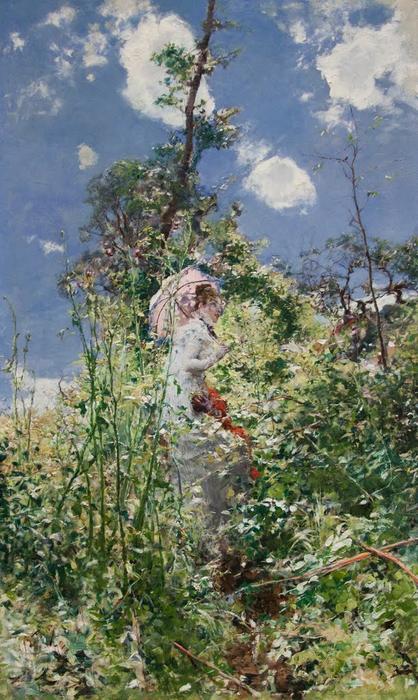
Woman with a Parasol


 詳細を見る
詳細を見る




P118B $10

P118H $10

P118W $10

P438Z $10

P508JH $12

P508YH $12

P805H $10

P805Z $10

P919BZ $10

P919G $10

P919XJ $10

P959ZH $10

P968JZ $12

W106C $8

W218G $10

W218JH $8

W218Y $10

W307PJ $10

W316G $10

W316PJ $8

W316Y $10

W398PJ $8

W4111J $10

W500HY $15

W500JH $15

W692G $12

W849H $8

W940BG $15

W953PJ $8




作品のオリジナル比率に合わせた、当店の規定サイズからお選びください。

特定のフレームやスペースに合わせて、ご希望のサイズをご入力いただけます。選択されたサイズが元の画像の比率と異なる場合、アートワークをトリミングするか、手描きで要素を追加して絵画を拡張いたします。デジタルモックアップ を制作し、制作開始前にご確認(承認)をいただきます。
画面上のプレビューは、実際のトリミングや拡張を正確に反映しているものではありません。最終的な構図は、モックアップによってのみ正確にご確認いただけます。
カスタムサイズもご利用いただけますが、元の比率を維持するためには、あらかじめ用意されたリストからサイズを選択することをお勧めいたします。
ご注文後、ArtsDot.com チームより詳細な指示をお送りするとともに、仕上がりイメージ(モックアップ)をご提供いたします。


 ガラスオプションは、110cm未満のサイズでのみご利用いただけます。

Woman with a Parasol
複製技法
複製画のサイズ
-


合計金額
$ 263
作品解説
Giovanni Boldini’s ‘Woman with a Parasol’: A Symphony of Light and Elegance
Giovanni Boldini (1842-1931), a name synonymous with the refined aesthetic of the Belle Époque, stands as a pivotal figure in Italian Impressionism. Born on December 31st, 1842, in Ferrara, Italy, Boldini’s artistic journey began under the tutelage of his father, a painter specializing in religious iconography – an early exposure that instilled within him a foundational understanding of composition and meticulous detail. However, it was his relocation to Florence in 1862 that truly unleashed his creative potential, placing him squarely at the forefront of the burgeoning Macchiaioli movement. This encounter with Florentine realist painters profoundly influenced Boldini’s landscapes, imbuing them with a newfound vibrancy and responsiveness to the natural world—a characteristic that would permeate much of his oeuvre. Yet, it was in capturing the essence of his subjects through portraiture that Boldini achieved enduring fame, establishing himself as one of Paris's most celebrated portraitists during his formative years.- Subject Matter: Boldini’s ‘Woman with a Parasol,’ painted circa 1876, depicts Madame Monet and her son Jean Monet amidst the tranquil beauty of Argenteuil’s gardens. The scene captures a fleeting moment – a stroll on a sunny day – rendered with remarkable sensitivity to atmospheric conditions.
- Style: Undeniably Impressionist, the painting embodies the movement's core tenets: prioritizing sensory experience over precise representation. Boldini eschews sharp outlines and meticulous shading in favor of loose brushstrokes that convey the immediacy of observation.
- Technique: Boldini’s masterful technique involves layering paint—a process known as glazing—to build up color and texture, creating a luminous effect characteristic of Impressionist painting. He skillfully utilizes short, broken strokes to achieve this textural richness, mirroring the dappled sunlight filtering through foliage.
Compositional Harmony: Light, Color, and Vertical Emphasis
The artwork’s composition is dominated by dense vegetation—trees and bushes—which establish a sense of enclosure around the central figure, Madame Monet. Boldini employs a flattened perspective, prioritizing visual impact over strict spatial accuracy. Lines are predominantly short, broken strokes that build up to form shapes and textures rather than clearly defined contours. The placement of Madame Monet slightly off-center contributes to balance and draws the viewer’s eye across the canvas. The color palette—primarily greens and blues—creates a cool, refreshing atmosphere, reflecting the serenity of the garden setting. Boldini expertly captures the interplay of light and shadow, highlighting the vibrancy of the blossoms and grasses while subtly conveying the breezy warmth of the day.Symbolism Beyond Beauty: Tranquility and Contemplation
Beyond its visual splendor, ‘Woman with a Parasol’ resonates with deeper symbolic themes. The parasol serves as a visual motif representing protection from the sun's glare—a subtle allusion to both physical comfort and mental refuge. Madame Monet’s posture exudes calmness and grace, embodying the ideals of feminine elegance during the Belle Époque. The painting invites contemplation on themes of beauty, solitude, and the restorative power of nature – sentiments that align perfectly with the broader artistic spirit of Impressionism.Legacy and Influence: Boldini's Enduring Impact
Giovanni Boldini’s ‘Woman with a Parasol’ exemplifies the Impressionist preoccupation with capturing fleeting moments of sensory experience. His innovative approach to brushwork and color—a hallmark of his style—influenced subsequent generations of artists, cementing his place as one of Italy’s most important portraitists. Today, reproductions of this iconic artwork continue to inspire collectors and interior designers alike, offering a glimpse into the artistic brilliance of a bygone era. Its luminous palette and expressive technique remain captivating, demonstrating Boldini's unparalleled ability to translate emotion onto canvas.関連作品
アーティストの略歴
華麗なる時代の肖像画家、ジョヴァンニ・ボルディーニ
1842年12月31日、イタリアのフェラーラに生まれたジョヴァンニ・ボルディーニは、ベル・エポックの優雅さと魅力を体現する芸術家として、パリ社交界で名声を得た肖像画家です。彼の芸術への道は、宗教画を専門とする父の指導のもとから始まりました。幼少期からの教育は彼に技術と構図の基礎を築かせましたが、1862年にフィレンツェに移ったことが、彼の創造性を真に刺激しました。そこで彼は、光、色彩、そして即興的な表現を重視し、印象派の先駆けとなったイタリアの写実主義画家集団「マッキアイオーリ」に出会います。この出会いは画期的な転換点となり、ボルディーニの風景画に新たな活力と自然への感受性を吹き込みました。しかし、彼が永続的な名声を得ることになったのは、被写体の本質を捉えた肖像画を描くことでした。フィレンツェからパリ社交界へ
ボルディーニの芸術的キャリアはまずロンドンへと進み、そこでレディ・ホランドやウェストミンスター公爵夫人の肖像画で早くも認められました。この初期の成功が、1872年に彼を「故郷」そして「ミューズ」となるパリへの移住へと導きます。パリにおいてボルディーニは芸術界に没頭し、エドガー・ドガと親交を結び、フランス首都の複雑な社会情勢を巧みに航海しました。彼は流動性、ダイナミズム、そして劇場的な表現力を特徴とする独自のスタイルを確立しました。彼の筆致は単なる描写にとどまらず、被写体の動き、個性、そして周囲の空気までも捉えているようでした。この類まれなアプローチが、1933年に彼に「スウィッシュの巨匠」という異名をもたらし、彼の作品に浸透する優雅なエネルギーを称えました。彼はパリ社交界の肖像画家として確固たる地位を築き、女優、社交界の名士、そして貴族たちの華麗な生活を永遠に残しました。技法と影響
ボルディーニの技法は、彼が描いた人物たちと同じくらい魅惑的でした。彼のキャンバスはしばしば大規模で、被写体の威厳と存在感を強調していました。彼は自由奔放な筆致を用い、色彩を重ねてテクスチャと奥行きを生み出しました。この手法に加えて、細部への鋭い観察眼と、つかの間の表情を捉える能力が組み合わさり、驚くほど写実的でありながら、否定できない風格を持つ肖像画が生み出されました。マッキアイオーリの光と即興性を重視する影響を受けつつも、ボルディーニはジョン・シンガー・サージェントやポール・エルウのような芸術家からもインスピレーションを得ました。彼らのダイナミックな筆致が彼の芸術的感性に共鳴したのです。彼は単に似姿を再現しているのではなく、印象—人物の性格と社会的地位を鮮やかに表現する作品を生み出していました。彼の肖像画は単なるイメージではなく、ステートメントでした。遺産と再発見
ボルディーニはキャリアを通じて広く展示会に出品し、1895年、1903年、1905年、そして1912年のヴェネツィア・ビエンナーレにも参加しました。彼は芸術への貢献によりレジオン・ドヌール勲章を受章し、パリの美術界における彼の地位を確固たるものとしました。しかし、人生の終盤には、ボルディーニの人気は衰え始めました。彼は絵を描き続けましたが、彼の作品はしばらくの間忘れ去られていました。近年になって失われた作品が再発見され、2010年にパリのアパートでひっそりと隠されていたマルテ・ド・フロリアンの肖像画が見つかったこともあり、ボルディーニの芸術に対する関心が高まっています。この絵画を取り巻く物語—数十年間人知れず秘められていた宝物—は、芸術家と被写体両方にまつわる神秘性をさらに深めています。永続的な印象
ジョヴァンニ・ボルディーニは1931年1月11日にパリで亡くなり、彼の時代において最もファッショナブルで革新的な肖像画家のひとりとしての遺産を残しました。彼の作品は今もなお芸術家や芸術愛好家たちにインスピレーションを与え続け、かつての優雅さ、洗練された雰囲気、そして芸術的才能の一端を垣間見せてくれます。彼は単に社会を記録しているのではなく、その美しさ、エネルギー、そして時代を超越する魅力をキャンバスに描き出していました。ボルディーニの肖像画は、彼の技術、ビジョン、そして絵を描く行為を魅力的なパフォーマンスへと変貌させる能力の強力な証となっています。- ボルディーニの影響は現代の肖像画にも見られます。
- 彼の作品は世界中の主要な美術館に展示されています。
- 失われた作品の再発見が、学術的な関心を高め続けています。
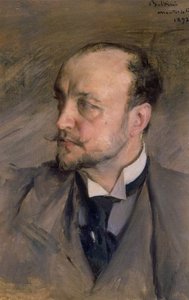
ジョヴァンニ・ボルディーニ
1842 - 1931
基本情報
- Artistic Movement Or Style: 印象派
- Artists Or Movements Influenced By This Artist: ['ジョン・シンガー・サージェント']
- Artists Who Influenced This Artist: ['マッキアイオーリ画家たち']
- Date Of Birth: 1842年12月31日
- Date Of Death: 1931年7月11日
- Full Name: ジョヴァンニ・ボルドーニ
- Nationality: イタリア人
- Notable Artworks (List Of Titles):
- ラスティ伯爵夫人
- マールリの機械
- Place Of Birth (City And Country): イタリア、フェラーラ
関連記事
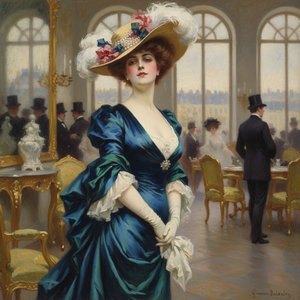
Giovanni Boldini: A Study in Belle Époque Portraiture & the Cult of Personality
Explore the captivating world of Giovanni Boldini, master of Belle Époque portraiture. Discover his signature style, iconic works like 'Miss Bell,' and lasting influence on art history. Expert analysis for collectors.
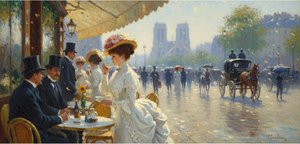
Impressionistic Realism's Finest: 10 Masterpieces for Your Home | ArtsDot
Journey through Impressionistic Realism with 10 iconic masterpieces by Monet, Renoir & Van Gogh. Explore art history, techniques & find museum-quality reproductions for your home at ArtsDot.com. Discover all masterpieces online!
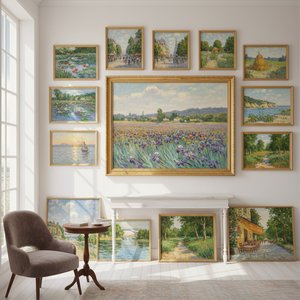
印象派風景を彩った至宝:アート史に名を刻む10選
印象派風景の革新を彩った10選。モネ、ルノワールら巨匠の名作を紐解き、色彩と光が生み出す感動の世界へ。アートの歴史とインテリアのインスピレーションをArtsDot.comで。高品質な複製画で、あなただけの空間を創造しましょう。
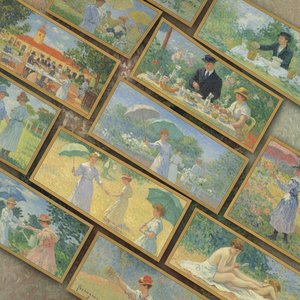
ルノワール傑作25選:光と色彩が織りなす印象派の華麗なる世界 | ArtsDot
ルノワールの傑作25選🎨 印象派の光と色彩が輝く世界へ。絵画の背景、技法、そして時代を超えて愛される理由を紐解きます。ArtsDotで高品質な複製画やインテリアアートを見つけ、お部屋に芸術的な彩りを✨ Explore the full collection online!
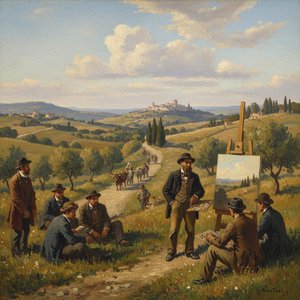
Giovanni Fattori: Realism, Identity & the Tuscan Landscape – A Macchiaioli Master
Explore the life & art of Giovanni Fattori, a leading figure of the Macchiaioli movement. Discover his revolutionary realism, captivating Tuscan landscapes, and lasting impact on Italian painting. Learn more at ArtsDot.

