

 プレビュー
プレビュー
 プリントを購入
 シェアする
シェアする シェアする
シェアする
 詳細を見る
詳細を見る

 ダウンロード
 似ている作品
 X線調査
X線調査 スライドショー
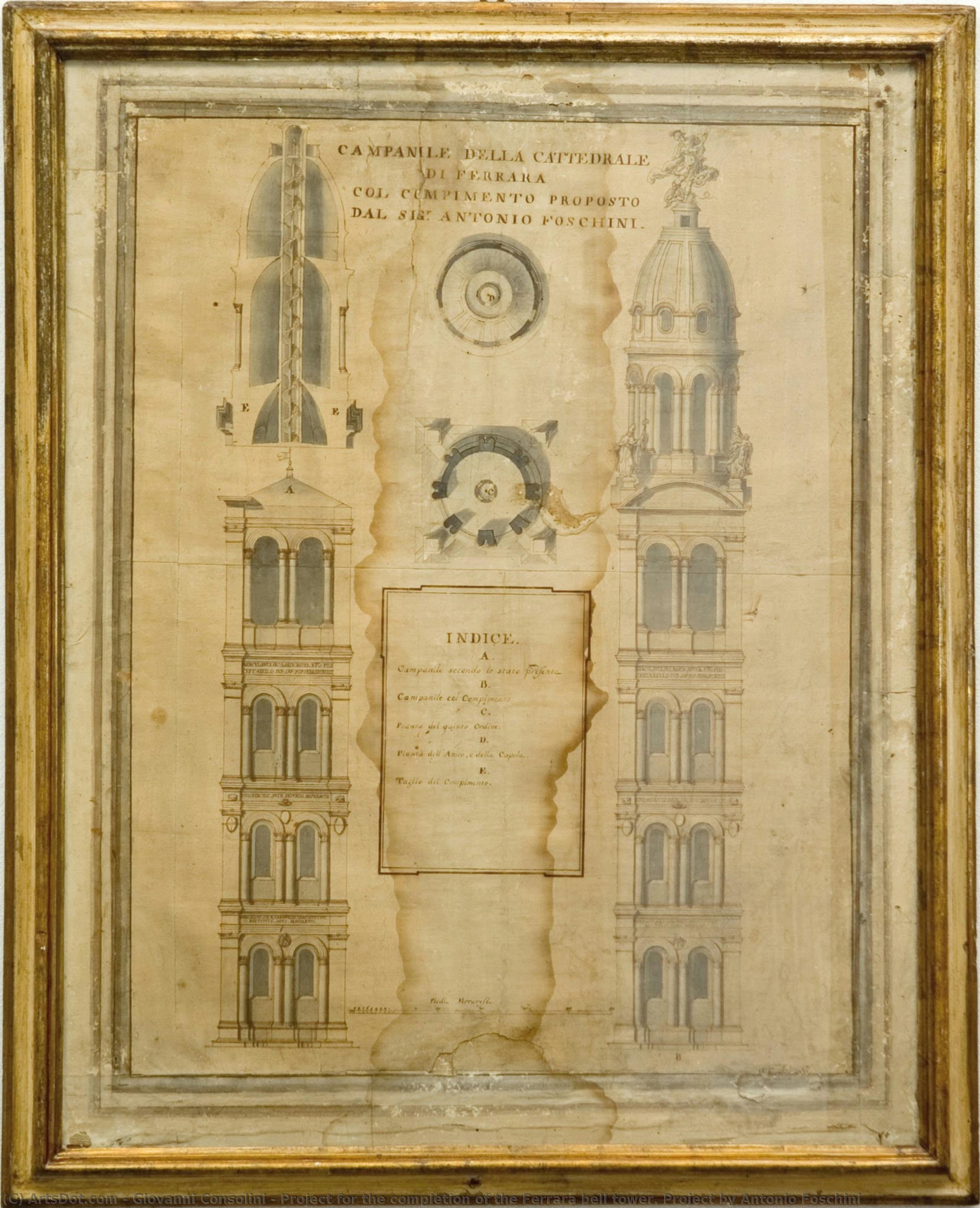
Project for the completion of the Ferrara bell tower. Project by Antonio Foschini
 19th Century
 77.0 x 97.0 cm
 Cathedral Museum of Ferrara
 詳細を見る
詳細を見る
オンラインプレビューをはるかに凌ぐ、高解像度で鮮明なデジタル画像をご購入いただけます。
各ファイルは、社内の専門家が高度なツールと熟練した手作業によるレタッチを用いて、細心の注意を払って準備されています。すべての画像において、卓越した鮮明度、正確な色彩再現性、そして繊細なディテールを保証いたします。
最終ファイルは、プロフェッショナルな編集・印刷環境ですぐにご利用いただけるよう最適化された状態で、72時間以内にメールにてお届けいたします。これは、一流のデザインスタジオ、出版社、ギャラリーから信頼されているものと同等の品質です。
デジタル画像のご注文に付随する特典
高品質なデジタル画像配信を、確かな品質で。
ArtsDot.com を選ぶことは、単に画像を手に入れることではありません。それは、プロの手によって精密に仕上げられ、満足保証が付いた高品質なデジタルアートワークを受け取ることを意味します。ご注文いただいた際に自動的に付随する内容は、以下の通りです:

メールですぐにお届け
ご注文から72時間以内に、高解像度のデジタル画像ファイルがメールでお手元に届きます。すぐにそのままご利用いただけます。

AI技術で最適化されたデジタルファイル
お客様の作品は、高度なAIツールと専門家による手作業の編集を組み合わせてプロフェッショナルに最適化されており、細部のディテール、鮮明さ、そして正確な色再現性を最大限に引き出しています。

一生涯無料の再送サービス
ファイルを誤って削除したり、紛失してしまったりしましたか?ご安心ください。いつでも無料で再送いたします。

輸入手数料は一切かかりません
関税や手数料、配送料を気にすることなく、お気に入りのアートワークをすぐにお楽しみいただけます。デジタルダウンロードは常に免税です。

色彩再現の保証
プロ仕様のツールとカラーマネジメント技術を用いることで、デジタル画像が元の色を最大限に忠実に再現することを保証いたします。

60日間満足保証
ご購入いただいたデジタル画像にご満足いただけない場合は、60日以内であれば、修正または100%の返金(理由を問う必要はありません)をさせていただきます。

100% 返金保証
ご満足いただけない場合は、デジタルファイルを受け取ってから60日以内であれば、理由を問わず全額返金いたします。

まとめ買い割引
3枚購入で10%OFF - 5枚購入で15%OFF - 10枚以上購入で20%OFF。クリエイティブなプロジェクト、ギャラリー、エージェンシーに最適です。
A Vision in Ink and Stone: The Architectural Dream of Ferrara
In the delicate interplay between architectural precision and artistic imagination, Giovanni Consolini’s "Project for the completion of the Ferrara bell tower" stands as a profound testament to the era of grand structural ambitions. This evocative work, which serves as a visual blueprint for the completion of the iconic Ferrara bell tower, transcends mere technical drafting to become a piece of historical storytelling. At first glance, the viewer is drawn into a meticulous rendering of a cathedral, where the weight of stone and the passage of time are captured through masterful linework. The composition centers on the imposing presence of the towers, one dominating the skyline with its clock-faced grandeur, while a secondary structure provides a sense of depth and architectural dialogue. Through Consolini’s hand, we do not merely see a plan; we witness the very soul of an urban monument caught in a moment of transition.
The technique employed in this piece reflects the disciplined spirit of 19th-century academic drafting, yet it is infused with a painterly sensitivity that breathes life into the inanimate. The artist utilizes subtle tonal variations to suggest the texture of weathered masonry and the play of light across the cathedral's facade. There is a quiet, contemplative rhythm in the way the lines define the intricate details of the clock and the structural silhouettes. This precision is softened by the presence of a solitary figure standing near the bottom left corner—a small but vital element that provides a sense of scale and human connection. This figure serves as a silent witness to the monumental task at hand, grounding the grand architectural aspirations in the humble reality of human endeavor.
For the discerning collector or interior designer, this artwork offers more than just aesthetic beauty; it offers a window into the historical consciousness of Italy. The piece carries an inherent sense of nostalgia and reverence for the classical traditions that shaped European cities. Its muted palette and structured composition make it an exceptional choice for sophisticated interiors, particularly those seeking to evoke a sense of heritage, stability, and intellectual depth. Whether placed in a study adorned with leather-bound books or as a focal point in a contemporary gallery space, this reproduction of Consolini’s vision brings with it the timeless elegance of the Italian Renaissance spirit, reimagined through the lens of 19th-century romanticism.
To possess such a work is to hold a fragment of architectural history. It invites the viewer to contemplate the intersection of art and engineering, where every stroke of the brush or pen serves to bridge the gap between a conceptual dream and a physical reality. As an evocative centerpiece, it inspires conversation about the enduring legacy of our built environments and the visionary minds that sought to complete them.
関連作品
作家の略歴
Giovanni Consolini: A Forgotten Voice of 19th Century Italy
Born in Brescia, Italy, in 1818, Giovanni Consolini remains a largely unsung figure of Italian musical history – a composer whose talent blossomed amidst the shifting landscape of operatic tradition. While overshadowed by his contemporaries and later generations, Consolini’s contributions, particularly his opera Il Conte di Salto (The Count of Leap), offer a fascinating glimpse into the evolving aesthetics of 19th-century Italian opera. His life, intertwined with the cultural currents of Savona, where he spent much of his career, reveals a dedication to craft and a subtle yet distinct musical voice.
Consolini’s early years are shrouded in relative obscurity. Records suggest he received his initial musical training within Brescia, though specific details remain elusive. He began his professional career as a church organist, a role that undoubtedly honed his skills in harmony and counterpoint – foundational elements crucial to the operatic style of his time. It was during this period that he began composing, initially exploring sacred music before transitioning to secular works, including operas and vocal pieces. The influence of the Neapolitan tradition is evident in his early compositions, particularly in their melodic richness and dramatic flair—a hallmark of the opera houses flourishing in Naples at the time.
The Rise to Prominence: Il Conte di Salto
Consolini’s most celebrated work, Il Conte di Salto, premiered at the Teatro Chiabrera in Savona in January 1894. This opera, a comedic masterpiece, tells the story of a boastful count who attempts to leap over a castle wall, resulting in a series of chaotic and humorous events. The success of this work marked a significant turning point in Consolini’s career, establishing him as a recognized composer within Italian operatic circles. The score is characterized by its lively melodies, intricate orchestration, and clever use of vocal coloratura—demonstrating a skillful command of the dramatic potential of the voice.
Beyond Il Conte di Salto, Consolini composed other notable operas, including La Finta Pazza (The Pretend Madwoman), showcasing his ability to explore complex emotional themes through music. While these works may not achieve the same level of widespread recognition as some of his contemporaries, they represent a substantial body of work reflecting his artistic development and stylistic preferences.
A Savona Connection: Life and Legacy
Savona became Consolini’s adopted home, where he spent much of his adult life. The city's Teatro Chiabrera served as the primary venue for his operas, fostering a strong connection between the composer and the local audience. His presence in Savona coincided with a period of significant cultural activity, contributing to the vibrant artistic atmosphere of the region. He was known to be a dedicated craftsman, meticulously refining his scores and paying close attention to every detail of the musical performance.
Despite his contributions, Consolini’s legacy has remained somewhat understated. The limited availability of biographical information and the relative obscurity of his operas have contributed to this lack of recognition. However, recent scholarship is beginning to shed light on his work, highlighting its artistic merit and historical significance. His music offers a valuable window into the operatic landscape of 19th-century Italy—a period marked by innovation, experimentation, and a fervent embrace of dramatic storytelling through song.
Beyond the Opera: A Wider Context
It’s important to note that Consolini's life was also connected to broader Italian cultural developments. His surname, Consolini, is found in various parts of Italy, suggesting a family history rooted in the region. The existence of other notable individuals bearing the same name—including Adolfo Consolini, an Olympic athlete—further underscores this connection. Furthermore, his work reflects the broader trends within Italian music during the 19th century, including the influence of the Neapolitan tradition and the rise of Romanticism.
Consolini passed away in Savona in May 1906, leaving behind a body of work that deserves greater appreciation. His operas represent a valuable addition to the repertoire of Italian opera, offering audiences a chance to experience the music of a talented composer who often remains hidden from view.

giovanni consolini
1818 - 1906 , Italy
プロフィール概要
- Artistic Movement Or Style: Composer
- Date Of Birth: September 20, 1818
- Date Of Death: May 25, 1906
- Full Name: Giovanni Consolini
- Nationality: Italian
- Notable Artworks:
- Il Conte di Salto
- La Finta Pazza
- Place Of Birth: Brescia, Italy

