

 プレビュー
プレビュー
 プリントを購入
 シェアする
シェアする シェアする
シェアする
 詳細を見る
詳細を見る

 ダウンロード
 似ている作品
 X線調査
X線調査 スライドショー
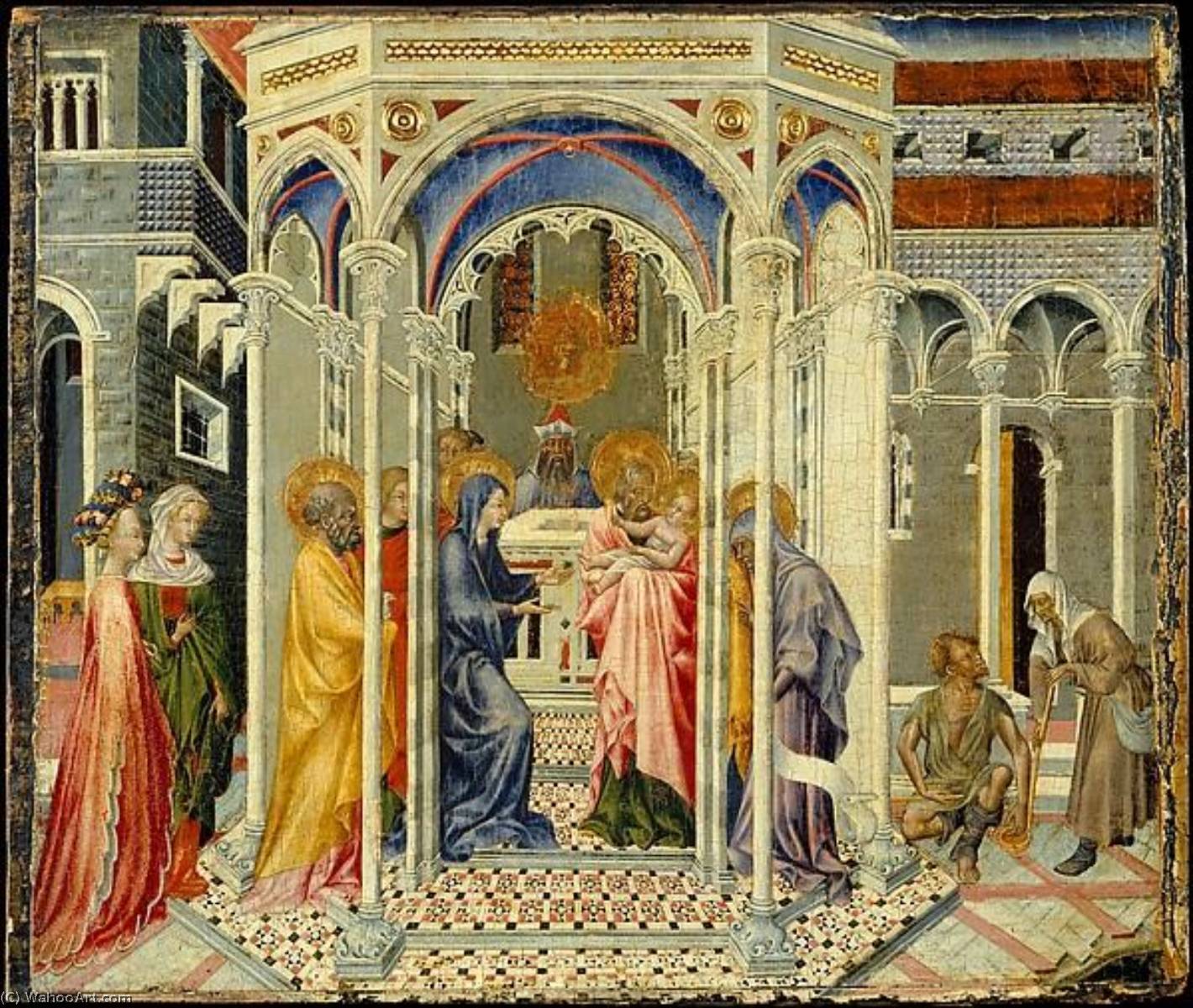
The Presentation of Christ in the Temple
 1435
1435 39.0 x 44.0 cm
 詳細を見る
詳細を見る




































作品のオリジナル比率に合わせた、当店の規定サイズからお選びください。

特定のフレームやスペースに合わせて、ご希望のサイズをご入力いただけます。選択されたサイズが元の画像の比率と異なる場合、アートワークをトリミングするか、手描きで要素を追加して絵画を拡張いたします。デジタルモックアップ を制作し、制作開始前にご確認(承認)をいただきます。
画面上のプレビューは、実際のトリミングや拡張を正確に反映しているものではありません。最終的な構図は、モックアップによってのみ正確にご確認いただけます。
カスタムサイズもご利用いただけますが、元の比率を維持するためには、あらかじめ用意されたリストからサイズを選択することをお勧めいたします。
ご注文後、ArtsDot.com チームより詳細な指示をお送りするとともに、仕上がりイメージ(モックアップ)をご提供いたします。


 ガラスオプションは、110cm未満のサイズでのみご利用いただけます。

The Presentation of Christ in the Temple
複製技法
複製画のサイズ
-


合計金額
$ 263
関連作品
アーティストの略歴
Giovanni di Paolo: A Visionary Painter of Siena
Giovanni di Paolo (c.1403 – 1482) stands as one of the most remarkable figures in Sienese painting during the fifteenth century, a period renowned for its artistic dynamism and innovation. Born around 1403, his early life remains shrouded in relative obscurity, though he emerged as a prolific illuminator and painter, primarily serving ecclesiastical patrons—a testament to the importance of monastic commissions within the cultural landscape of Siena at the time. His formative years were marked by apprenticeship under Taddeo di Bartolo, arguably establishing him firmly within the established artistic traditions of his region.- Early Influences & Style: Giovanni’s initial works demonstrate a clear debt to earlier sienese masters—particularly Ambrogio Lorenzetti and Simone Martini—reflecting the enduring legacy of Gothic art in Siena. However, he swiftly developed a distinctive style characterized by cool, subdued colors and elongated figures, subtly diverging from prevailing trends.
- Manuscript Illuminations & Dante’s Legacy: Giovanni gained considerable renown as an illuminator, notably undertaking ambitious projects illustrating Dante Alighieri's *Divine Comedy*. His meticulous attention to detail and expressive rendering of biblical narratives solidified his reputation as a master craftsman and cemented his place within the intellectual currents of the era.
The Gothic Resonance & International Artistic Dialogue
Giovanni’s artistic vision extended beyond mere stylistic imitation; he actively engaged with international artistic influences, most notably those emanating from Gentile da Fabriano—a collaboration that profoundly impacted his oeuvre. Fabriano's groundbreaking *Adoration of the Magi* served as a crucial reference point, informing Giovanni’s approach to composition and color palettes. This connection underscored the interconnectedness of European art during this period, demonstrating how artists drew inspiration from distant precedents.
- Notable Paintings & Recurring Themes: Giovanni produced an impressive body of work encompassing altarpieces, panel paintings, and frescoes—each imbued with a palpable sense of atmosphere and psychological depth. His most celebrated canvases include *The Mystic Marriage of Saint Catherine of Siena*, depicting a serene depiction of the saint’s visionary experience; *Coronation of the Virgin*, showcasing a masterful blend of realism and symbolic representation; and *The Miracle of Saint Nicholas of Tolentino*, an unsettling portrayal of divine intervention that exemplifies Giovanni's penchant for surreal imagery.
A Synthesis of Tradition & Innovation
Giovanni’s artistic evolution can be characterized as a harmonious synthesis between established conventions and groundbreaking experimentation. While retaining the stylistic hallmarks of Gothic art—particularly elongated figures and flattened perspectives—he pushed boundaries in terms of color usage, favoring muted hues that conveyed profound emotional resonance. Furthermore, he skillfully manipulated light and shadow to heighten dramatic tension and create an illusionistic depth rarely achieved by his contemporaries.
- Last Judgment & Artistic Legacy: Giovanni’s final masterpieces – *Heaven*, *Hell,* and *The Last Judgment*—represent a culmination of his artistic endeavors, presenting grotesque depictions of biblical themes with uncompromising honesty. These works stand as enduring symbols of Sienese artistic achievement, demonstrating Giovanni's unwavering commitment to conveying complex theological concepts through visual language. His influence extended beyond Siena, shaping the aesthetic sensibilities of artists across Italy and contributing significantly to the broader trajectory of Renaissance art.
Rediscovery & Recognition Despite a decline in recognition following his death in 1482, Giovanni di Paolo experienced a revival in scholarly interest during the twentieth century—primarily due to advancements in scientific analysis that revealed innovative techniques employed by him and his workshop. Today, Giovanni di Paolo is regarded as one of the foremost painters of the Sienese School, celebrated for his visionary imagination, masterful craftsmanship, and profound engagement with religious iconography. His paintings continue to captivate audiences worldwide, offering a glimpse into the artistic spirit of fifteenth-century Siena and its enduring contribution to European art history.
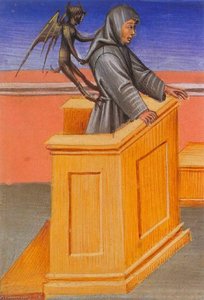
giovanni di paolo di grazia
1403 - 1482
基本情報
- Artistic Movement Or Style: Sienese Painting
- Artists Or Movements Influenced By This Artist: ['International Gothic']
- Artists Who Influenced This Artist:
- Gentile da Fabriano
- Taddeao di Bartolo
- Date Of Birth: c.1403
- Date Of Death: 1482
- Full Name: Giovanni di Paolo di Grazia
- Nationality: Italian
- Notable Artworks:
- The Mystic Marriage of Saint Catherine of Siena
- Coronation of the Virgin
- Place Of Birth: Florence

