

 プレビュー
プレビュー
 プリントを購入
 シェアする
シェアする シェアする
シェアする
 詳細を見る
詳細を見る

 ダウンロード
 似ている作品
 X線調査
X線調査 スライドショー
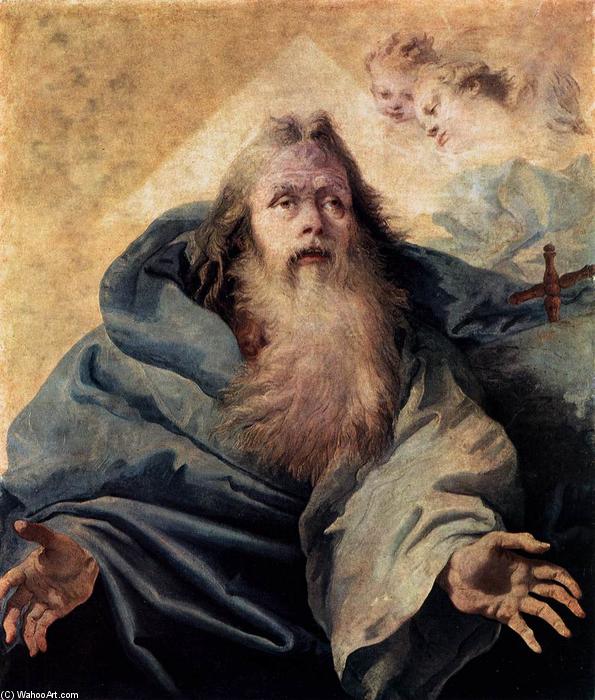
God the Father
 Oil On Canvas
- WallArt
- Rococo Fresco
 96.0 x 81.0 cm
 Szépművészeti Múzeum
 詳細を見る
詳細を見る




P118B $10

P118H $10

P118W $10

P438Z $10

P508JH $12

P508YH $12

P805H $10

P805Z $10

P919BZ $10

P919G $10

P919XJ $10

P959ZH $10

P968JZ $12

W106C $8

W218G $10

W218JH $8

W218Y $10

W307PJ $10

W316G $10

W316PJ $8

W316Y $10

W398PJ $8

W4111J $10

W500HY $15

W500JH $15

W692G $12

W849H $8

W940BG $15

W953PJ $8




作品のオリジナル比率に合わせた、当店の規定サイズからお選びください。

特定のフレームやスペースに合わせて、ご希望のサイズをご入力いただけます。選択されたサイズが元の画像の比率と異なる場合、アートワークをトリミングするか、手描きで要素を追加して絵画を拡張いたします。デジタルモックアップ を制作し、制作開始前にご確認(承認)をいただきます。
画面上のプレビューは、実際のトリミングや拡張を正確に反映しているものではありません。最終的な構図は、モックアップによってのみ正確にご確認いただけます。
カスタムサイズもご利用いただけますが、元の比率を維持するためには、あらかじめ用意されたリストからサイズを選択することをお勧めいたします。
ご注文後、ArtsDot.com チームより詳細な指示をお送りするとともに、仕上がりイメージ(モックアップ)をご提供いたします。


 ガラスオプションは、110cm未満のサイズでのみご利用いただけます。

God the Father
複製技法
複製画のサイズ
-


合計金額
$ 263
The Weight of Divinity: Giovanni Domenico Tiepolo’s ‘God the Father’
Giovanni Domenico Tiepolo's “God the Father,” a monumental canvas measuring 96 x 81 cm, is not merely a depiction of a divine figure; it’s an immersive experience. Painted circa 1759, this work transcends simple portraiture, plunging the viewer into a realm of profound contemplation and spiritual yearning. The painting immediately commands attention with its muted palette – deep blues, earthy browns, and subtle greys – creating an atmosphere of solemnity and introspection. It’s a deliberate choice that contrasts sharply with the vibrant colors often associated with Tiepolo's earlier, more exuberant works, suggesting a shift in his artistic focus towards a quieter, more meditative style.
At the heart of the composition sits the Father figure himself – a man burdened by an almost palpable weariness. His long hair, unkempt and falling across his shoulders, speaks to a life lived with intensity, perhaps even hardship. The heavy cloak draped over his arms isn’t simply attire; it represents the weight of responsibility, the immense task of guiding humanity. His downcast gaze, directed towards his left hand outstretched as if reaching for an unseen solace, is profoundly moving. It's a gesture that invites us to share in his silent struggle – a poignant reminder of the human condition and our inherent need for connection.
A Rococo Vision Steeped in Symbolism
Tiepolo’s work firmly anchors itself within the traditions of the Rococo style, yet it possesses a unique depth that elevates it beyond mere decorative flourish. The two angelic figures flanking the Father are not simply attendants; they embody compassion and concern. Their hovering presence suggests a divine intervention, a silent offering of support to this weary deity. The use of light is masterful – a diffused glow illuminates the central figure, drawing our attention while simultaneously casting shadows that emphasize his vulnerability. This interplay of light and dark isn’t just aesthetic; it symbolizes the struggle between darkness and divinity, despair and hope.
Beyond the immediate depiction, “God the Father” is rich in symbolic language. The outstretched hand, a motif frequently found in depictions of God, represents both power and grace – the ability to bestow blessings while simultaneously acknowledging our need for guidance. The overall composition evokes a sense of pilgrimage, suggesting that the journey towards spiritual understanding is fraught with challenges but ultimately rewarding. It’s a visual meditation on faith, responsibility, and the enduring mystery of the divine.
Historical Context & The Tiepolo Legacy
Giovanni Domenico Tiepolo was a pivotal figure in his family's artistic dynasty, inheriting and expanding upon the legacy of his renowned father, Giovanni Battista Tiepolo. While Giovanni Battista was celebrated for his grand, theatrical frescoes adorning palaces across Europe, Giovanni Domenico developed a more introspective style, often focusing on smaller-scale works that explored themes of human emotion and spiritual contemplation. This painting exemplifies this shift – a departure from the bombastic displays of his father towards a quieter, more deeply felt expression of faith.
The work’s creation coincided with a period of significant artistic change in Europe, as the Rococo style began to give way to Neoclassicism. Tiepolo's approach, however, remained firmly rooted in the traditions of the past while subtly incorporating elements of contemporary sensibility. His meticulous attention to detail, combined with his masterful use of color and composition, ensures that “God the Father” remains a captivating testament to the enduring power of art to explore profound human experiences.
A Timeless Masterpiece for Reflection & Display
“God the Father” is more than just a beautiful painting; it’s an invitation to contemplate the complexities of faith, responsibility, and the human spirit. Its evocative imagery and masterful technique make it a compelling addition to any collection, while its quiet intensity offers a welcome respite from the noise and distractions of modern life. Reproductions of this remarkable work capture much of its original power, allowing art lovers to experience its profound beauty and spiritual depth in their own homes.
関連作品
アーティストの略歴
ジョヴァンニ・ドメニコ・ティエポロ:ロココ様式を彩るフレスコ画の巨匠
ジョヴァンニ・ドメニコ・ティエポロ(1727年8月30日 – 1804年3月3日)は、ヴェネツィア共和国が生んだ高名なイタリアの画家であり、版画家です。彼はロココ様式の旗手としてその名を刻んでおり、偉大な父であるジョヴァンニ・バッティスタ・ティエポロが築き上げた輝かしい遺産を継承し、さらなる広がりを見せました。その画業は数十年にわたり、鮮やかな色彩、躍動感あふれる構図、そして神話の情景や肖像、風景を優雅に描き出す卓越した技法によって、豊穣な作品群を後世に残しています。
幼少期と研鑽の道
芸術家の一族に生まれたジョヴァンニ・ドメニコにとって、幼少期は芸術の世界と分かちがたく結びついたものでした。壮大なフレスコ画で知られる名高い画家、父ジョヴァンニ・バッティスタ・ティエポロは、彼にとって最大の師となりました。父の指導のもと、厳格な訓練を積み重ねることで、彼は自身の芸術的発展の礎となる技法や様式的な機微を習得していきました。また、セバスティアーノ・リッチやフェデリコ・ベンコヴィッチといった当時の著名な芸術家たちの作品に触れたことも、彼の芸術的視野を広げる大きな糧となりました。若き日の彼は、父が手掛ける大規模なプロジェクトに頻繁に随行し、フレスコ画制作における極めて貴重な実践的経験を積み上げていったのです。
芸術的キャリアと独自の様式
18世紀を通じて、ジョヴァン動ニ・ドメニコのキャリアは華々しく開花しました。彼は単独での作品制作のみならず、共同プロジェクトにおいても重要な役割を果たす熟練した芸術家としての地位を確立しました。当初は父の傍らで活動していましたが、次第に独自のスタイルを確立していき、当時のヴェネツィア美術に浸透していたロココ的な美学を保ちつつも、彼ならではの個性を表現するに至りました。その創作活動は多岐にわたり、フレスコ画、キャンバス画、そしてエッチング(銅版画)といった多様な媒体にわたっています。
- フレスコ画: ティエポロは特にフレスコ画においてその名を馳せ、イタリア各地の数多くの場所に精緻な情景を描き込みました。特筆すべき例としては、ヴェネツィアの大運河沿いに位置するカ・ドルフィン宮殿のフレスコ画や、同じくヴェネツィアにあるジェズアティ教会(サンタ・マリア・デル・ロザリオ教会)の天井画などが挙げられます。
- 絵画: フレスコ画に留まらず、彼は神話的な主題や肖像を題材としたキャンバス画を数多く残しています。その代表作には、「ペルセウスとアンドロメダ」(こちらから閲覧)、「エウロパの略奪」(こちらから閲覧)、そして「鹿を連れた狩人」(こちらから閲覧)などがあります。
- エッチング: また、版画の分野においてもその卓越した技術を発揮し、「聖アウグスティヌス、フランス王ルイ、福音記者ヨハネ、およびマグヌス」(こちらから閲覧)のような、細密で表現力豊かな作品を生み出しました。
影響と進化
ジョヴァンニ・ドメニコの芸術的発展は、父ジョヴァンニ・バッティスタ・ティエポロから深い影響を受けていました。彼は父が誇った色彩の魔術、構図の妙、そして物語を紡ぎ出す叙事的な表現力を受け継いだのです。しかし、彼のスタイルは単なる模倣に留まりませんでした。次第に風俗画や日常生活の描写へと重点を置くようになり、父の作品に見られる記念碑的で古典主義的な重厚さとは一線を画す、独自の進化を遂げました。さらに、彼は演劇的な演出や動きの表現にも強い関心を示しており、それは「プルチネッラ」(こちらから閲覧)や「ヘラクレスの神格化」(こちらから閲覧)といった作品の中に鮮明に見て取ることができます。
歴史的意義
ジョヴァンニ・ドメニコ・ティエポロは、ヴェネツィア・ロココ美術の継続と進化において極めて重要な役割を果たしました。生前は父の偉大な名声の影に隠れがちではありましたが、今日では彼自身が一人の重要な芸術家として正当に評価されています。彼のフレスコ画や絵画は、18世紀のヴェネツィアおよびイタリアにおける芸術的嗜好や文化的価値観を知るための貴重な窓となっています。古典的な主題と当時の現代的な感性を融合させるその手腕は、ロココ運動における彼の地位を確固たるものとし、その鮮烈な芸術の遺産は、時を超えて今なお見る者の心を捉えて離しません。
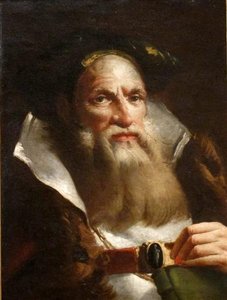
ジョヴァンニ・ドメニコ・ティエポロ
2007 - 1770
基本情報
- Artistic Movement Or Style: ロココ
- Artists Who Influenced This Artist: ['ジョヴァンニ・バッティスタ・ティエポロ']
- Date Of Birth: 1727年8月30日
- Date Of Death: 1804年3月3日
- Full Name: ジョヴァンニ・ドメニコ・ティエポロ
- Nationality: イタリア
- Notable Artworks:
- ペルセウスとアンドロメダ
- エウロパの略奪
- 鹿を持つ狩人
- 聖アウグスティヌス、フランス王ルイ、福音記者ヨハネ、マグヌス
- アポロとダイアナ
- ヘラクレスの神格化
- Place Of Birth: イタリア、ヴェネツィア
関連記事
From Grandeur to Grace: Exploring the Evolution of Baroque & Rococo Art
Explore the captivating evolution from Baroque's drama to Rococo's grace! Discover key artists, characteristics & lasting influence of these art movements with expert insights at ArtsDot.
Giambattista Tiepolo: A Rococo Master's Legacy of Light & Illusion
Explore the captivating world of Giambattista Tiepolo, master of Rococo art. Discover his innovative techniques, iconic frescoes, and lasting influence on Italian painting. A guide for discerning collectors.

The Dramatic Flourish: Exploring the Baroque Movement's Enduring Legacy in Art History
Explore the dramatic world of Baroque art! Discover iconic artists like Caravaggio & Rubens, defining techniques, and its lasting impact on art history. Expert insights for collectors & enthusiasts at ArtsDot.

華麗なるロココ:芸術史を彩る10大傑作の世界
華麗なるロココ美術の世界へ。バロックから生まれた優雅な芸術、その10大傑作を徹底解説!ブーシェ、フロマンなど巨匠たちの技と物語を紐解き、お部屋を彩るアートを見つけよう。ArtsDot.comで至高の美術館品質レプリカとインテリアアイデアを発見。

The Rococo Aesthetic: Opulence, Rebellion & the Pursuit of Pleasure in 18th-Century Art
Explore the opulent world of Rococo art! Discover its origins, key artists like Watteau & Boucher, and lasting influence on design. Expert insights for collectors & enthusiasts.

