

 プレビュー
プレビュー
 プリントを購入
 シェアする
シェアする シェアする
シェアする
 詳細を見る
詳細を見る

 ダウンロード
 似ている作品
 X線調査
X線調査 スライドショー
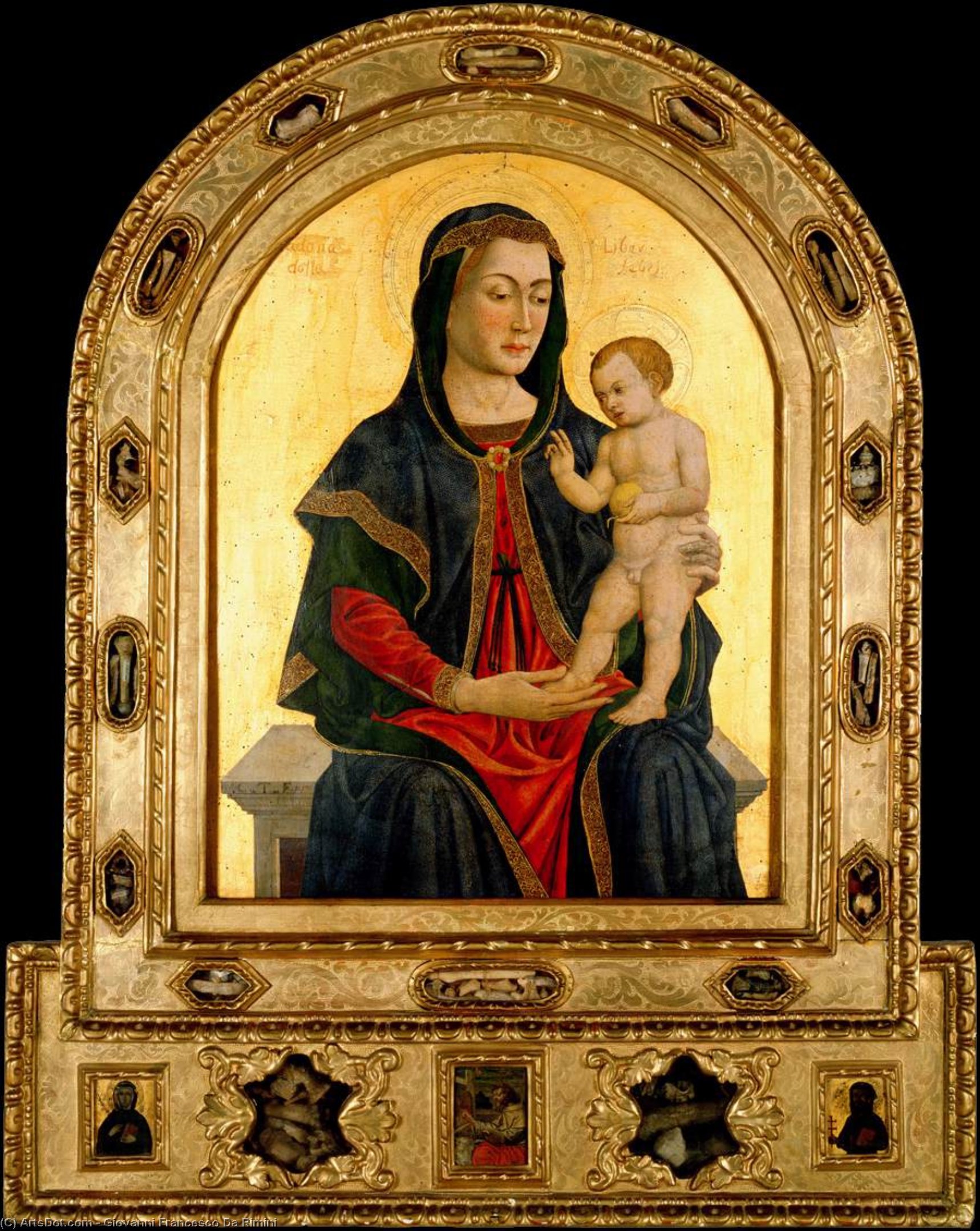
Virgin and Child
 Oil On Panel
- Early Italian Renaissance
 1465
1465- Renaissance
 89.0 x 72.0 cm
 Galerie Nationale de Slovénie
 詳細を見る
詳細を見る




P118B $10

P118H $10

P118W $10

P438Z $10

P508JH $12

P508YH $12

P805H $10

P805Z $10

P919BZ $10

P919G $10

P919XJ $10

P959ZH $10

P968JZ $12

W106C $8

W218G $10

W218JH $8

W218Y $10

W307PJ $10

W316G $10

W316PJ $8

W316Y $10

W398PJ $8

W4111J $10

W500HY $15

W500JH $15

W692G $12

W849H $8

W940BG $15

W953PJ $8




作品のオリジナル比率に合わせた、当店の規定サイズからお選びください。

特定のフレームやスペースに合わせて、ご希望のサイズをご入力いただけます。選択されたサイズが元の画像の比率と異なる場合、アートワークをトリミングするか、手描きで要素を追加して絵画を拡張いたします。デジタルモックアップ を制作し、制作開始前にご確認(承認)をいただきます。
画面上のプレビューは、実際のトリミングや拡張を正確に反映しているものではありません。最終的な構図は、モックアップによってのみ正確にご確認いただけます。
カスタムサイズもご利用いただけますが、元の比率を維持するためには、あらかじめ用意されたリストからサイズを選択することをお勧めいたします。
ご注文後、ArtsDot.com チームより詳細な指示をお送りするとともに、仕上がりイメージ(モックアップ)をご提供いたします。


 ガラスオプションは、110cm未満のサイズでのみご利用いただけます。

Virgin and Child
複製技法
複製画のサイズ
-


合計金額
$ 288
作品解説
A Divine Encounter in Gold and Crimson
In the quiet, hallowed atmosphere of the Italian Renaissance, few images capture the profound intimacy of the divine as tenderly as Giovanni Francesco da Rimini’s Virgin and Child. Created around 1465, this exquisite panel painting serves as a window into a period where the celestial and the earthly were woven together through masterful artistry. The composition centers on the Virgin Mary, her presence radiating a serene maternal grace as she cradles the infant Jesus. There is an immediate, palpable sense of devotion that enveloplar the viewer, drawing them into a sacred dialogue between mother and child. The artwork does not merely depict a religious scene; it invites the observer to participate in a moment of eternal peace, making it a profound centerpiece for any collection dedicated to the spiritual beauty of the Quattrocento.
The technical brilliance of the piece lies in its sophisticated use of light and texture, characteristic of the Early Italian Renaissance. Da Rimini employs a palette dominated by rich, regal golds and deep, emotive reds, creating an atmosphere of opulence that reflects the high status of the subject matter. The application of paint—likely oil on wood panel—demonstrates a remarkable ability to simulate the weight and luster of heavy drapery. As light dances across the gilded background, it catches the subtle gradations of shadow in the folds of Mary’s robes, lending a three-dimensional vitality to the figures. This interplay of light and shadow, or chiaroscuro, breathes life into the organic forms, transforming flat pigments into a tactile experience that feels both substantial and ethereal.
Symbolism and the Language of Devotion
Every element within this masterpiece is imbued with deep symbolic meaning, designed to guide the faithful through layers of theological significance. The halo encircling the Christ child is not merely a decorative flourish but a luminous signifier of his divine nature, separating the sacred from the mundane. Mary’s choice of attire, particularly the striking red robe, serves a dual purpose: it denotes her royal status as the Queen of Heaven while simultaneously foreshadowing the sacrifice of her son. The use of gold leaf in the background further elevates the scene, stripping away the distractions of the physical world to place the figures in a timeless, heavenly realm. For the discerning collector or interior designer, these symbolic layers offer a depth of narrative that transforms a decorative object into a profound piece of storytelling.
Beyond its historical and religious weight, the Virgin and Child possesses an enduring emotional resonance that transcends the centuries. The soft, focused gaze between the mother and her infant evokes a universal sense of maternal love and protection, making the painting deeply relatable to the human experience. This balance of high-art sophistication and raw, tender emotion is what makes a high-quality reproduction of this work so compelling for modern spaces. Whether placed in a sunlit gallery or as a focal point in a classically styled study, the painting brings with it an aura of tranquility and timeless elegance, offering a sense of historical continuity and spiritual reflection to any environment.
関連作品
アーティストの略歴
A Life Emerging from the Shadows: Giovanni Francesco da Rimini
Giovanni Francesco da Rimini, a name that resonates softly within the annals of Renaissance painting, represents a fascinating case study in artistic attribution and rediscovery. Born around 1420 in the vibrant city of Rimini, nestled along the Adriatic coast of Italy, he initially existed as little more than a stylistic label – “The Master of the Scenes from the Life of the Virgin” – until diligent scholarship began to piece together his biography through fragmented archival records and compelling artistic evidence. His story is not one of meteoric rise or groundbreaking innovation, but rather a testament to consistent skill, devout artistry, and a subtle yet significant contribution to the religious painting of his time.Early Training and Artistic Wanderings
The details of Giovanni Francesco’s early training remain elusive, shrouded in the typical obscurity that often surrounds artists predating widespread biographical documentation. It is believed he began his artistic journey within the local workshops of Rimini, absorbing the prevailing northern Italian traditions characterized by a blend of lingering Gothic sensibilities and the nascent stirrings of Renaissance naturalism. By 1441, documents place him in Padua, a crucial center for artistic exchange under the influence of Francesco Squarcione, whose workshop fostered a revivalist interest in classical antiquity. This period likely exposed Giovanni Francesco to a broader range of influences, shaping his developing style and technical approach. His movements continued, with repeated appearances in Bologna between 1459 and 1469, where he undertook numerous commissions for church altarpieces and devotional panels. These travels weren’t merely geographical shifts; they were immersions into diverse artistic climates, each leaving an imprint on his evolving oeuvre.A Style of Quiet Devotion
Giovanni Francesco da Rimini's paintings are immediately recognizable by their distinctive character – a quiet devotion that permeates every brushstroke. He primarily worked in egg tempera on wood panels, favoring intimate compositions centered around the Virgin and Child. His figures possess a gentle grace, with fair complexions, large expressive eyes, and an overall sense of serene piety. While contemporaries were experimenting with dramatic perspective and anatomical precision, Giovanni Francesco remained largely faithful to established conventions. This isn’t to suggest a lack of skill; rather, his mastery lay in refining existing traditions, imbuing them with a delicate emotionality and meticulous attention to detail. His use of gold leaf adds a luminous quality to his works, enhancing the spiritual atmosphere and emphasizing the sacred nature of his subjects. The architectural settings within his paintings – often featuring classical arches and columns – provide a dignified backdrop for these tender scenes, evoking a sense of timeless reverence.Influences and Artistic Connections
Pinpointing specific influences on Giovanni Francesco’s work is a complex undertaking. While the impact of Squarcione's workshop in Padua is evident, particularly in his early works, he also demonstrates an awareness of other regional styles. Some scholars have noted connections to Bonfigli, whose influence can be seen in certain aspects of his composition and color palette. More intriguingly, the sculptures of Agostino di Duccio appear to have informed his depictions of depth and form, suggesting a broader engagement with contemporary sculptural practices. However, Giovanni Francesco never fully embraced the radical innovations of artists like Mantegna or Piero della Francesca. His style occupies a unique position – a bridge between the Gothic past and the burgeoning Renaissance, characterized by a conservative approach that prioritized religious piety over groundbreaking naturalism.Legacy and Historical Significance
Giovanni Francesco da Rimini died in Bologna around 1469, leaving behind a relatively small but remarkably consistent body of work. For centuries, his paintings were attributed to various anonymous masters, their authorship lost to the passage of time. It wasn’t until the early 20th century that Corrado Ricci began to systematically identify and attribute works to “Hovanes Franciscus da Rimino,” initiating a process of rediscovery that continues today. While he may not be a household name like Leonardo or Michelangelo, Giovanni Francesco's contribution to Renaissance art is significant. He represents the often-overlooked artists who sustained regional traditions, catering to the devotional needs of private patrons and contributing to the rich tapestry of Italian painting beyond the major artistic centers of Florence and Venice. His works offer a poignant glimpse into the spiritual life of the 15th century, reminding us that beauty and devotion can flourish even in the shadows of more celebrated masters. His paintings are not about revolution; they are about reverence.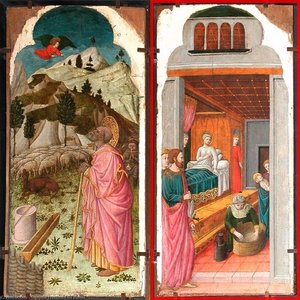
giovanni francesco da rimini
1425 - 1470 , Italy
基本情報
- Artistic Movement Or Style: Renaissance painting
- Artists Who Influenced This Artist:
- Agostino di Duccio
- Bonfigli
- Date Of Birth: 1425
- Date Of Death: 1470
- Full Name: Giovanni Francesco da Rimini
- Nationality: Italian
- Notable Artworks:
- Stories of the Life of Christ
- St Philip; St Paul
- Virgin and Child
- Place Of Birth: Rimini, Italy
関連記事
レオナルド・ダ・ヴィンチ:至高の25選 - 芸術、科学、そして不朽の名作の世界
レオナルド・ダ・ヴィンチの至宝25選。モナリザ、最後の晩餐…ルネサンス美術を代表する名画の世界へ。芸術史、技法、そして感動の物語を紐解き、お部屋に飾る高級複製画で特別な空間を。ArtsDot.comで全コレクションをご覧ください。
Leonardo da Vinci: A Renaissance Master’s Synthesis of Art, Science & Human Observation – Reinterpreted for the Collector
Explore Leonardo da Vinci’s timeless masterpieces with ArtsDot. Discover insights into his art, science, and legacy – trusted expertise for discerning collectors seeking authentic reproductions & investment opportunities.

ウフィツィ美術館の至宝25選:ルネサンス巨匠たちの傑作とアートデコレーション
ウフィツィ美術館の至宝25選:ボッティチェリ、レオナルド・ダ・ヴィンチ…ルネサンス巨匠たちの傑作と感動的な物語を紐解きます。高品質な絵画複製やアートプリントで、お部屋に名画の輝きを。ArtsDot.comで芸術の世界へ。
Giovanni Fattori: Realism, Identity & the Tuscan Landscape – A Macchiaioli Master
Explore the life & art of Giovanni Fattori, a leading figure of the Macchiaioli movement. Discover his revolutionary realism, captivating Tuscan landscapes, and lasting impact on Italian painting. Learn more at ArtsDot.
Antonello da Messina: Innovation, Devotion & the Sicilian Renaissance Master's Enduring Legacy
Explore the groundbreaking art of Antonello da Messina, a pivotal figure of the Renaissance. Discover his innovative oil painting techniques, captivating portraits, and lasting influence on Italian masters. Learn more at ArtsDot.

