

 プレビュー
プレビュー
 プリントを購入
 シェアする
シェアする シェアする
シェアする
 詳細を見る
詳細を見る

 ダウンロード
 似ている作品
 X線調査
X線調査 スライドショー
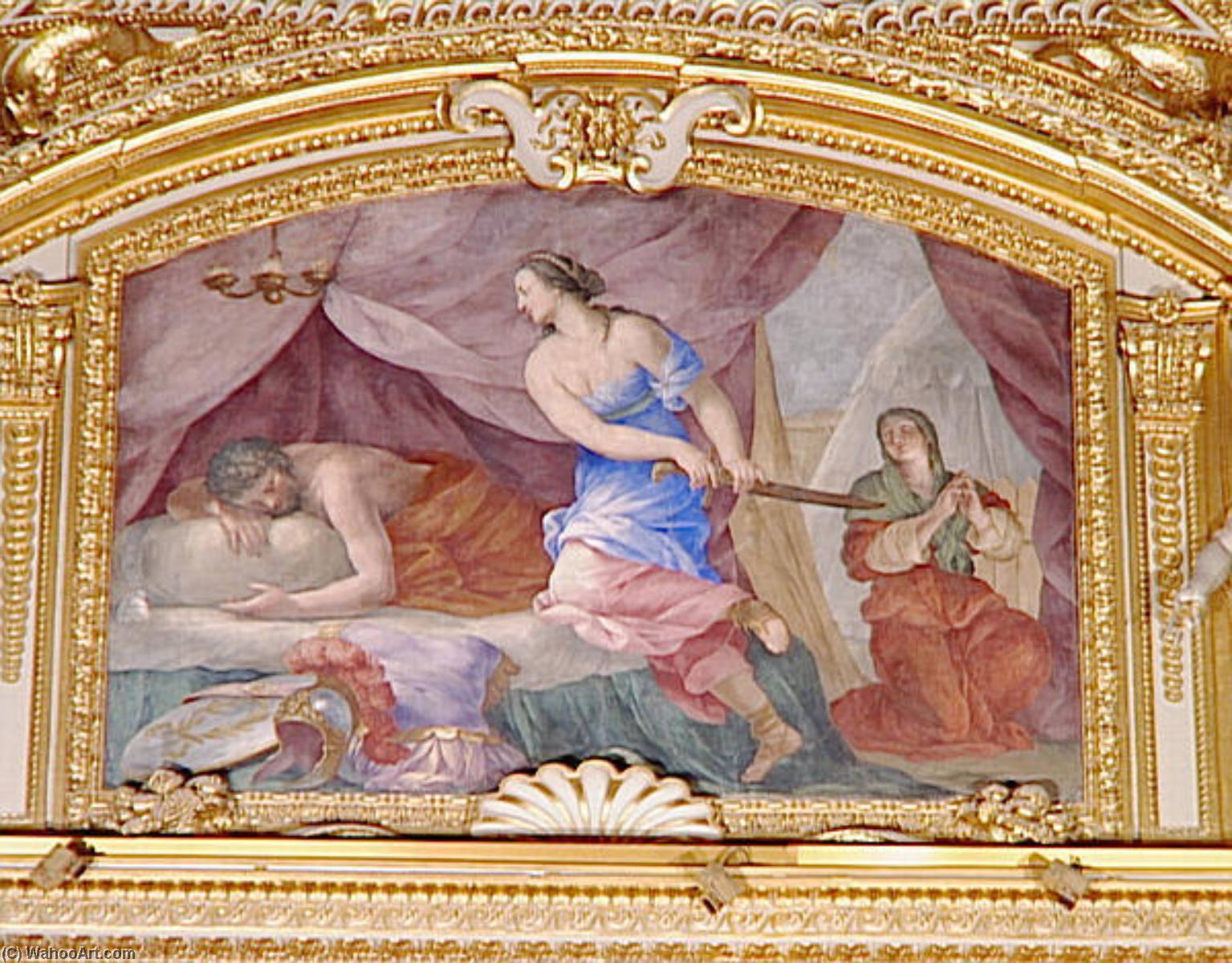
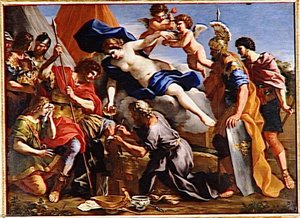
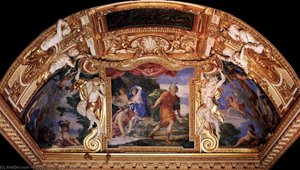
LA RELIGION ET LES VERTUS THEOLOGALES ESTHER ET ASSUERUS LA PRUDENCE, DEUX AMOURS TENANT L'UN UN COMPAS, L'AUTRE UN SABLIER LA CONTINENCE DEUX AMOURS DONT L'UN VERSE DE L'EAU DANS UN RECIPIENT JUDITH ET HOLOPHERNE LA TEMPERANCE ET LA PAIX DEUX AMOURS....


 詳細を見る
詳細を見る
オンラインプレビューをはるかに凌ぐ、高解像度で鮮明なデジタル画像をご購入いただけます。
各ファイルは、社内の専門家が高度なツールと熟練した手作業によるレタッチを用いて、細心の注意を払って準備されています。すべての画像において、卓越した鮮明度、正確な色彩再現性、そして繊細なディテールを保証いたします。
最終ファイルは、プロフェッショナルな編集・印刷環境ですぐにご利用いただけるよう最適化された状態で、72時間以内にメールにてお届けいたします。これは、一流のデザインスタジオ、出版社、ギャラリーから信頼されているものと同等の品質です。
デジタル画像のご注文に付随する特典
高品質なデジタル画像配信を、確かな品質で。
ArtsDot.com を選ぶことは、単に画像を手に入れることではありません。それは、プロの手によって精密に仕上げられ、満足保証が付いた高品質なデジタルアートワークを受け取ることを意味します。ご注文いただいた際に自動的に付随する内容は、以下の通りです:

メールですぐにお届け
ご注文から72時間以内に、高解像度のデジタル画像ファイルがメールでお手元に届きます。すぐにそのままご利用いただけます。

AI技術で最適化されたデジタルファイル
お客様の作品は、高度なAIツールと専門家による手作業の編集を組み合わせてプロフェッショナルに最適化されており、細部のディテール、鮮明さ、そして正確な色再現性を最大限に引き出しています。

一生涯無料の再送サービス
ファイルを誤って削除したり、紛失してしまったりしましたか?ご安心ください。いつでも無料で再送いたします。

輸入手数料は一切かかりません
関税や手数料、配送料を気にすることなく、お気に入りのアートワークをすぐにお楽しみいただけます。デジタルダウンロードは常に免税です。

色彩再現の保証
プロ仕様のツールとカラーマネジメント技術を用いることで、デジタル画像が元の色を最大限に忠実に再現することを保証いたします。

60日間満足保証
ご購入いただいたデジタル画像にご満足いただけない場合は、60日以内であれば、修正または100%の返金(理由を問う必要はありません)をさせていただきます。

100% 返金保証
ご満足いただけない場合は、デジタルファイルを受け取ってから60日以内であれば、理由を問わず全額返金いたします。

まとめ買い割引
3枚購入で10%OFF - 5枚購入で15%OFF - 10枚以上購入で20%OFF。クリエイティブなプロジェクト、ギャラリー、エージェンシーに最適です。
A Tapestry of Virtue: Romanelli’s “La Religion et les Vertus Théologales”
Giovanni Francesco Romanelli's "La Religion et les Vertus Théologales," housed within the hallowed halls of the Louvre Museum in Paris, is more than just a painting; it’s an immersive allegory, a meticulously crafted visual sermon rendered in the vibrant hues and dramatic chiaroscuro characteristic of the Baroque period. Completed around 1650, this monumental work transcends mere representation, plunging the viewer into a complex narrative of faith, reason, and moral fortitude – a testament to Romanelli's skill as both an artist and a communicator of profound ideas.
The painting depicts a sprawling scene teeming with figures representing various virtues, each meticulously rendered in a style that blends classical idealism with a palpable sense of contemporary life. At the heart of the composition stands Esther and Assuerus, embodying prudence – their gestures suggest a careful balance between deliberation and action, symbolized by the compass and hourglass they hold. These aren’t static objects; they represent the delicate dance between reason and time, a crucial element in navigating the complexities of human existence. Nearby, we encounter La Continence, two figures pouring water into a vessel, a potent symbol of self-control and moderation – a vital component of spiritual discipline. The scene is further enriched by Judith and Holopherne, not merely as warriors but as embodiments of temperance and peace, their hands clasped around laurel wreaths, signifying victory and honor achieved through restraint.
The Baroque Masterpiece: Technique and Style
Romanelli’s mastery lies in his ability to seamlessly integrate diverse artistic influences. Trained under Pietro da Cortona, a leading figure of the Roman Baroque, he inherited a tradition of theatrical lighting and dynamic composition. “La Religion et les Vertus Théologales” exemplifies this perfectly; the use of *tenebrism*, a technique popularized by Caravaggio, creates dramatic contrasts between light and shadow, drawing the viewer’s eye to key figures and emphasizing their emotional weight. The color palette is rich and opulent – deep reds, blues, and golds dominate, reflecting the grandeur of the subject matter and evoking a sense of spiritual intensity. The meticulous detail evident in each figure's clothing, jewelry, and expression speaks volumes about Romanelli’s dedication to realism and his ability to capture the nuances of human character.
A Historical Context: Patronage and Purpose
This painting was commissioned for the ceiling of the Salle des Antonins within the Louvre Palace during the reign of Louis XIV. Such grand allegorical works were not merely decorative; they served as powerful tools for conveying moral and religious values to the king and his court. The choice of subject matter – virtues, faith, and divine order – aligned perfectly with the aims of the French monarchy, which sought to establish a strong sense of national identity rooted in Christian principles. The painting’s creation coincided with a period of intense artistic patronage, where artists were employed to glorify the crown and reinforce its authority through spectacular displays of skill and artistry.
Symbolism Unveiled: A Language of Faith
Beyond the immediate depiction of figures, “La Religion et les Vertus Théologales” is laden with symbolic meaning. The presence of characters from biblical stories – Esther, Judith, Holopherne – underscores the importance of faith and moral conduct in shaping human destiny. The inclusion of elements like scales (representing justice), a sword (symbolizing courage and righteousness), and various instruments of time (the compass and hourglass) further reinforces the painting’s complex theological message. The overall composition can be interpreted as an invitation to contemplate the virtues necessary for achieving spiritual enlightenment – prudence, temperance, fortitude, charity, and humility. It's a visual meditation on the path towards salvation, rendered with breathtaking artistry and profound symbolic depth.
A Legacy of Beauty: Reproduction Possibilities
Today, “La Religion et les Vertus Théologales” remains one of the Louvre’s most celebrated masterpieces. For those seeking to experience its beauty and contemplate its profound message, high-quality reproductions offer a remarkable opportunity to bring this iconic artwork into your home or office. ArtsDot offers meticulously crafted hand-painted reproductions that faithfully capture the original's vibrant colors, dramatic lighting, and intricate details – allowing you to appreciate Romanelli’s genius for generations to come.
関連作品

作家の略歴
ミケランジェロ・メリジ・ダ・カラヴァッジョ:光と影の革命児
カラヴァッジョの名でより広く知られるミケランジェロ・メリジは、美術史において最も激しい論争を巻き起こし、かつ深遠な影響を与え続けている人物の一人です。1571年にミラノに生まれた彼の生涯は、まさに劇的な出来事の渦中の中にありました。類まれなる芸術的才能と、その後の追放や早すぎる死へと繋がることになる激しい気性の両面が、彼の人生を彩っています。短くも爆発的な彼のキャリアは、絵画の歴史を決定的に変え、強烈なリアリズム、劇的な光の演出、そして現代の生活への前例のない関わりを特徴とする、新たな視覚言語を確立しました。カラヴァエッジョが遺したレガシーは、時を超えて今なお響き渡り、アーティストたちにインスピレーションを与え、観る者を魅了し続けています。幼少期と芸術への研鑽
カラヴァッジョの初期の人生は、どこか謎に包まれています。彼はミラノの控えめな家庭に生まれ、マルシカ公ヴェンチェンツォ1世の宮廷画家であったロッソ・メリジの息子でした。この環境が彼を芸術の世界へと導く最初のきっかけとなりましたが、彼が正式な美術教育を受けたわけではありません。青年時代をクレモナ、ボローニャ、ヴェネツィアといったイタリアの様々な都市で過ごし、素描の技術を磨きながら、画家としてのキャリアに向けて自らを鍛え上げました。そして1592年、彼はさらなる機会を求め、芸術界の活気あふれる中心地であるローマへと移り住みます。当初は依頼を得るのに苦労した彼は、当時の一般的な手法であった静物画――果物や花を描いた作品――に特化し、日々の糧を得るために街頭で作品を売って生活していました。こうした初期の仕事は控えめなものではありましたが、自然物の質感や色彩を驚くべき正確さで捉える、彼が生まれ持った天賦の才を証明するものでした。突破口:劇的なリアリズムと演劇的な光
カラヴァッジョの転機は1596年、鋭い審美眼を持ち、新進気鋭の芸術家を支援することで知られていた枢機卿フランチェスコ・マリア・デル・モンテからの依頼によって訪れました。枢機卿のコネクションを通じて、カラヴァラッジョは最初の重要な公的依頼である『聖マタイの召命』と『聖マタイの殉教』を手にするに至り、その名声は一夜にして不動のものとなりました。これらの作品は、宗教画へのアプローチにおいて革命的なものでした。聖人を、地上の苦悩から切り離された理想化された存在として描くのではなく、劇的な瞬間に立ち会う「ありふれた人々」として描き出したのです。彼は「テネブリズム」と呼ばれる技法を用いました。これは光と影の強烈なコントラストを特徴とし、人物を暗闇の中に沈み込ませる一方で、重要な要素に強烈な光を当てる手法です。これにより、観る者を場面へと直接引き込むような、圧倒的な臨場感とドラマが生まれました。キース・クリスチャンセンが著書『カラヴァッジョ(ミケランジェロ・メリジ)(1571–1610)とその追随者たち』の中で指摘しているように、カラヴァッジョは「人物を画面の最前面へと押し出し、光を用いることで劇的なインパクトを高め、人物に切迫した質感を与えた」のです。論争、暴力、そして追放
しかし、カラヴァッブリッドの革新的なスタイルは、批判を免れたわけではありませんでした。美化されることのない特徴を持ち、当時の現代的な衣服をまとった普通の人々の描写は、伝統的な芸術的慣習に挑戦するものでした。また、彼は激しい気性と喧嘩好きでも知られており、敵対者のマントを切り裂いたり、ウェイターにアーティチョークの皿を投げつけたり、警官と暴力的な衝突を起こしたりといった事件が絶えませんでした。1606年、ある青年との争いから致命的な刺傷事件を引き起こし、彼の人生は悲劇的な転換点を迎えます。法の裁きを避けるべく、カラヴァッジョはローマを逃れ、ナポリ、マルタ、シチリアへと亡命の旅に出ました。その旅路もまた、さらなる暴力事件や法的トラブルに彩られ、最終的には別の喧嘩が原因でマルタから追放されることとなりました。晩年と遺されたもの
波乱に満ちた生涯であったにもかかわらず、カラヴァッジョは亡命中も描き続け、自身のスタイルの進化を示す一連の作品を残しました。ナポリでは色彩と構図の実験を行い、シチリアでは殉教や犠牲といった劇的な場面に焦点を当てました。晩年は、酒場での喧嘩による深刻な負傷が彼を苦しめ、それが最終的に健康状態の悪化を招くこととなります。1610年、イタリアのポルト・エルコレにて、彼は39歳の若さでその生涯を閉じました。 短い生涯であったにもかかわらず、カラヴァッジョが芸術に与えた衝撃は計り知れません。光、構図、そして主題における彼の革新は、レンブラント、ベラスケス、ジェンティレスキといった後世の画家たちに深い影響を与えました。彼が確立したテネブリズムの手法は、今日でも研究され、模倣され続けています。彼の絵画は、西洋美術史において最も称賛され、感情を揺さぶる作品として君臨しています。ナショナル・ギャラリーが記しているように、「カラヴァッジョの絵画は論争を呼び、大衆に支持され、ヨーロッパ全土の後継世代の画家たちに多大な影響を与えた」のです。彼の遺志は、芸術的ヴィジョンの力、そして光と影の劇的な相互作用に対する永遠の魅惑の証として、今もなお生き続けています。
ジョヴァンニ・フランチェスコ・ロマネッリ
1610 - 1662 , イタリア
プロフィール概要
- Artistic Movement Or Style: カラヴァッジズム
- Artists Or Movements Influenced By This Artist: ['バロック']
- Artists Who Influenced This Artist:
- レオナルド・ダ・ヴィンチ
- ミケランジェロ
- Date Of Birth: 1571年
- Date Of Death: 1610年
- Full Name: ミケランジェロ・メリジ・ダ・カラヴァッジオ
- Nationality: イタリア人
- Notable Artworks:
- 聖マタイの召命
- エマオの晩餐
- ダビデとゴリアテ
- 聖母の死
- Place Of Birth: ロンバルディア州、ミラノ

