

 プレビュー
プレビュー
 シェアする
シェアする シェアする
シェアする
 詳細を見る
詳細を見る

 ダウンロード
 似ている作品
 X線調査
X線調査 スライドショー
 統計情報
統計情報View of Capolago


 詳細を見る
詳細を見る
ジークレー/アートプリント
迅速な制作と多彩な仕上げオプションを備えた、ミュージアムクオリティのジークレーまたはキャンバスプリント。 ( 手描きの絵画を購入 デジタル画像販売へ切り替え)




P118B $10

P118H $10

P118W $10

P438Z $10

P508JH $12

P508YH $12

P805H $10

P805Z $10

P919BZ $10

P919G $10

P919XJ $10

P959ZH $10

P968JZ $12

W106C $8

W218G $10

W218JH $8

W218Y $10

W307PJ $10

W316G $10

W316PJ $8

W316Y $10

W398PJ $8

W4111J $10

W500HY $15

W500JH $15

W692G $12

W849H $8

W940BG $15

W953PJ $8




作品のオリジナル比率に合わせた、当店の規定サイズからお選びください。

特定のフレームやスペースに合わせて、ご自身でサイズを指定することも可能です。選択されたサイズが元の画像の比率と一致しない場合、作品をトリミングするか、鏡面反射または単色での塗りつぶしによって画像を拡張いたします。制作を開始する前に、ご確認用のデジタルモックアップをお送りいたします。
画面上のプレビューには、実際のトリミングや拡張は反映されませんのでご注意ください。最終的な構図を正確に確認できるのは、モックアップのみとなります。
カスタムサイズも承っておりますが、元の比率を維持するためには、あらかじめ用意されたリストからサイズを選択することをお勧めいたします。


 ガラスオプションは、110cm未満のサイズでのみご利用いただけます。

View of Capolago
ジークレー/アートプリント
複製画のサイズ
-


合計金額
$ 62
A Mountain’s Embrace: Giovanni Giacometti's "View of Capolago"
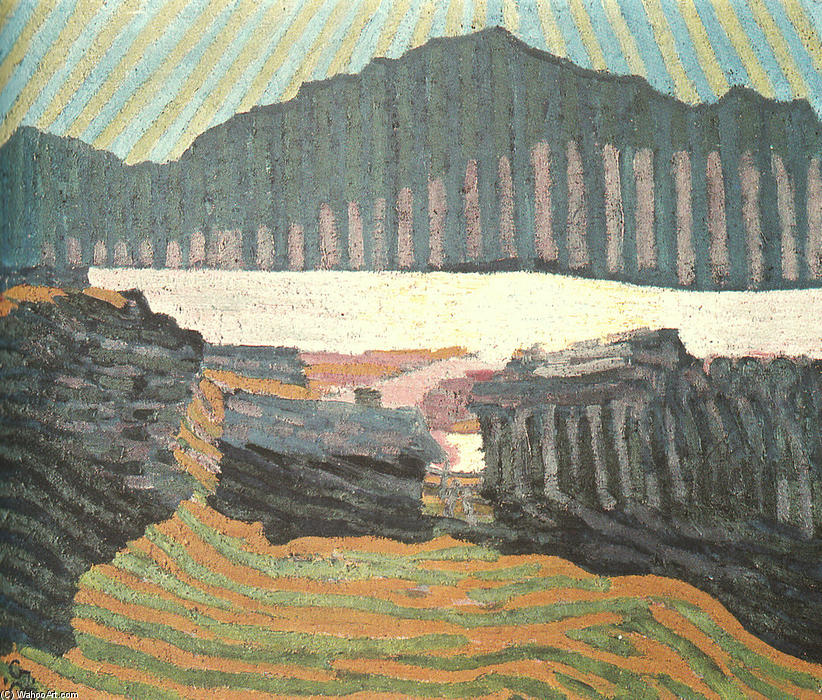
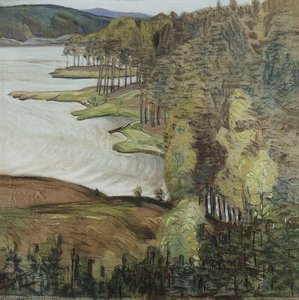
Giovanni Giacometti’s “View of Capolago,” painted in 1907, isn’t merely a landscape; it’s an immersion into the heart of the Swiss Alps and a testament to the artist’s evolving artistic vision. Nestled amidst the dramatic peaks of Ticino, Capolago is a village that became a crucial subject for Giacometti, offering him a sanctuary where he could translate the raw beauty of his native land onto canvas. This particular work captures a moment of serene intensity – a sun-drenched lake reflecting the vibrant hues of its surrounding mountains and houses, creating an almost dreamlike quality.
The painting’s style represents a fascinating transitional phase in Giacometti's career. Initially influenced by the meticulous realism of his mentor, Giovanni Segantini, who taught him the techniques of Divisionism – a method emphasizing small brushstrokes to build up color and texture – Giacometti gradually moved away from this approach. He sought a more expressive language, drawing inspiration from the Impressionists and, crucially, Vincent van Gogh. The long, sweeping strokes of color, particularly the intense blues and purples that dominate the lake’s reflection, directly echo Van Gogh's dynamic brushwork and his masterful use of light and shadow. This shift signals a move towards a more subjective and emotionally charged representation of nature.
The Language of Light and Color
Giacometti’s technique in “View of Capolago” is characterized by a bold, almost audacious palette. He abandons the delicate, fragmented brushwork of Segantini in favor of broader, more confident strokes. The color itself is not merely descriptive; it's expressive – a deliberate attempt to capture the *feeling* of the landscape. Notice how he utilizes contrasting colors: the cool blues and purples of the lake are juxtaposed with the warm yellows and oranges reflecting off the houses, creating a dynamic tension within the composition. The artist’s use of hatching—short, parallel lines—adds texture and depth to the scene, subtly suggesting the ruggedness of the mountains and the shimmering surface of the water.
Interestingly, Giacometti's choice of framing – an original white wooden frame reminiscent of those favored by his mentor – further emphasizes this connection to tradition while simultaneously highlighting his own artistic departure. It’s a subtle yet significant detail that speaks volumes about his relationship with the past and his willingness to forge his own path.
A Reflection of Existentialism
Beyond its purely aesthetic qualities, “View of Capolago” offers a glimpse into Giacometti's broader artistic concerns. As explored in scholarly articles like "Giovanni Giacometti: Sculpting Existentialism – A Study of Form, Space, and the Human Condition," his work during this period began to grapple with themes of isolation, solitude, and the relationship between humanity and nature. The painting’s lack of a clear focal point or narrative element contributes to this sense of unease and contemplation. There are no figures actively engaging with the landscape; instead, we are presented with an objective observation – a moment frozen in time.
Furthermore, Giacometti's deliberate simplification of forms—reducing the mountains and houses to their essential shapes—can be interpreted as a reflection of his growing interest in existentialist philosophy. By stripping away extraneous details, he forces the viewer to confront the fundamental elements of existence: light, color, space, and form.
A Timeless Masterpiece – Perfect for Reproduction
ArtsDot offers meticulously crafted hand-painted reproductions of “View of Capolago,” allowing you to bring this captivating landscape into your home or office. Our skilled artists faithfully recreate Giacometti’s distinctive style, capturing the painting's vibrant colors and evocative atmosphere with exceptional detail. Whether you are an art enthusiast, a collector seeking a unique addition to your collection, or simply someone who appreciates beautiful artwork, our reproduction provides an authentic and stunning representation of this remarkable piece. Experience the serenity and emotional depth of “View of Capolago” – a timeless masterpiece brought to life.
関連作品

アーティストの略歴
スイスの風景に浸った生涯
1868年3月7日、スイスのボルゴノヴォで生まれたジョヴァンニ・ジャコメッティは、その人生と作品を故郷の劇的な美しさの中に深く根ざした画家でした。8人の子供がいる大家族に生まれ、父親がパン作りとカフェ経営を両立させていた幼少期、若いジョヴァンニの芸術的才能は、いとこで同じく画家のアウグスト・ジャコメッティによって早い段階から育まれました。この家族との繋がりが、生涯にわたる芸術への献身へと繋がる最初の火花となりました。1886年にミュンヘンのKunstgewerbeschule(美術工芸学校)で正式な訓練を開始しましたが、その厳格な構造は彼の芽生え始めた芸術的ビジョンには合わず、すぐにパリへ拠点を移しました。クノ・アミエと共に、ウィリアム・アドルフ・ブーグローとジョゼフ・ニコラ・ロベール=フルーリーにアカデミー・ジュリアンで師事しましたが、経済的な事情から1891年にスイスに戻らざるを得ませんでした。これらの初期の経験が、伝統的な技法と新興の現代美術の流れを融合させる彼のスタイルを築き上げました。セガンティーニの影響と分割主義への傾倒
スイスに戻った後のジョヴァンニ・ジャコメッティは、彷徨いながらも芸術的探求を続けましたが、1894年の重要な出会いが彼の発展に決定的な転換点をもたらしました。山岳風景の光と雰囲気を捉える名手であるジョヴァンニ・セガンティーニとの出会いは、彼の人生におけるターニングポイントとなりました。セガンティーニは単なる知人ではなく、スイスアルプスの崇高な美しさの目を開き、鮮やかで輝く効果を生み出すために小さな点や筆致の色を適用する分割主義という技法を紹介した師でした。この影響は、彼の初期の風景画に顕著に表れており、セガンティーニの光への繊細さ、そして自然の壮大さを表現する能力が反映されています。ベルゲッル地方のそびえ立つ山々と劇的な眺めは、彼の芸術的スタイルだけでなく、土地との感情的な繋がりをも形作る絶え間ないインスピレーションの源となりました。進化するスタイルと芸術的探求
ジャコメッティの芸術的旅路は分割主義に限定されませんでした。セガンティーニから深い影響を受けながらも、彼はキャリアを通じて様々なスタイルや技法を常に模索し続けました。時とともに、彼の作品はポスト印象派へと進化し、表現主義の兆候さえも見られるようになり、伝統的な絵画の境界線を押し広げようとする意欲を示しました。象徴主義とアール・ヌーヴォーの要素も取り入れ、構成に意味の層を加え、装飾的な華やかさを添えました。このスタイルの流動性は、彼の周囲の本質を表現し、捉えるための新しい方法を常に探求するアーティストであることを反映しています。彼の主題は主に風景と肖像画に焦点を当てていましたが、これらのジャンルの中で、家族の親密な描写からスイスアルプスの広大なパノラマまで、卓越した多様性を示しました。「ヤギ小屋の中」、「カポラーゴの冬」、「シルス湖の朝」などの傑作は、光、色彩、構成の彼の習熟度を例証しています。家族の遺産と永続的な意義
自身の芸術的功績を超えて、ジョヴァンニ・ジャコメッティの遺産は、息子たち:アルベルト、ディエゴ、ブルーノのものと不可分に結びついています。1900年、アネッタ・スタンパと結婚し、子供たちの才能を育む創造的な環境の中で家族を育てました。アルバートやディエゴの国際的な名声に隠れてしまうこともありますが、ジョヴァンニは生前には尊敬されるアーティストでした。1898年にチューリッヒ美術館でクノ・アミエとフェルディナンド・ホドラーと共に展示会を開催し、Die Brücke(橋)との1908年の展覧会やベルリン分離派の1911年の展覧会など、キャリアを通じて重要な展覧会に参加し続けました。彼の最初の個展は1912年にチューリッヒ美術館で開催され、1920年には回顧展が開催されました。また、彼は1918年から1921年、そして再び1931年から1932年までEidgenössische Kunstkommission(スイス連邦芸術委員会)の委員を務め、スイス国内の芸術を支援することへの献身を示しました。ジョヴァンニ・ジャコメッティは1933年に亡くなり、伝統的な技法からより現代的なアプローチへと移行する転換期を反映した作品群と、20世紀初頭の芸術的景観に永続的な貢献を残しました。彼は19世紀後半から20世紀初頭にかけてのスイスにおける芸術運動を繋ぐ重要な役割を果たしました。彼の遺産は自身の芸術的アウトプットを超えて、現代美術の主要な人物となる子供たちの才能を育んだ創造的な環境を作り出したことにまで及びます。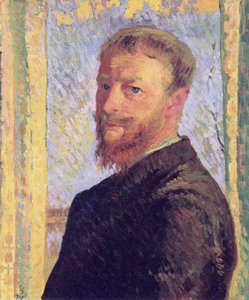
ジョヴァンニ・ジャコメッティ
1868 - 1933 , スイス
基本情報
- Artistic Movement Or Style: ポスト印象派、表現主義
- Artists Or Movements Influenced By This Artist:
- アルベルト・ジャコメッティ
- ディエゴ・ジャコメッティ
- Artists Who Influenced This Artist: ['ジョヴァンニ・セガンティーニ']
- Date Of Birth: 1868年3月7日
- Date Of Death: 1933年6月25日
- Full Name: ジョヴァンニ・ウルリコ・ジャコメッティ
- Nationality: スイス人
- Notable Artworks (List Of Titles):
- ヤギ小屋にて
- カポラゴの冬
- シルスの湖の朝陽
- Place Of Birth (City And Country): ボルゴノヴォ、スイス
関連記事

ポール・セザンヌ:至高の25選 - 傑作と革新の軌跡 | ArtsDot
ポール・セザンヌの至高の25選。ポスト印象派を代表する画家、セザンヌの傑作と革新的な技法を紐解きます。ArtsDotで高品質な複製画やインテリアアートを見つけ、芸術の世界をご自宅に。今すぐコレクションをご覧ください。

ロマン派ランドスケープ:時代を彩る巨匠の10選|アートとインテリアの世界
ロマン派絵画の時代を彩る10選。巨匠たちの風景が織りなす感動の世界へ。ターナー、ルーベンスなど、名作の裏話と高精細複製でアートをお部屋に。ArtsDot.comで至福のアート体験を。

Impressionistic Landscapes: 10 Masterpieces That Changed Art & Decor
Journey into the heart of Impressionism! Explore 10 masterpieces by Monet, Renoir & Degas that revolutionized landscape art. Discover their stories, techniques & find museum-quality reproductions to elevate your home decor on ArtsDot.com.

Evocations of Place: A Historical Journey Through Landscape Art
Explore the rich history of landscape art with ArtsDot. Discover renowned artists, movements like Impressionism & tonalism, and expert guidance for collecting timeless pieces. Find your perfect serene escape today!

Evocations of Place: A Historical Journey Through Landscape Art
Explore the rich history of landscape art with ArtsDot. Discover renowned artists, movements like Impressionism & Romanticism, and expert guidance for collecting timeless pieces. Find your perfect serene escape today!