

 プレビュー
プレビュー
 プリントを購入
 シェアする
シェアする シェアする
シェアする
 詳細を見る
詳細を見る

 ダウンロード
 似ている作品
 X線調査
X線調査 スライドショー
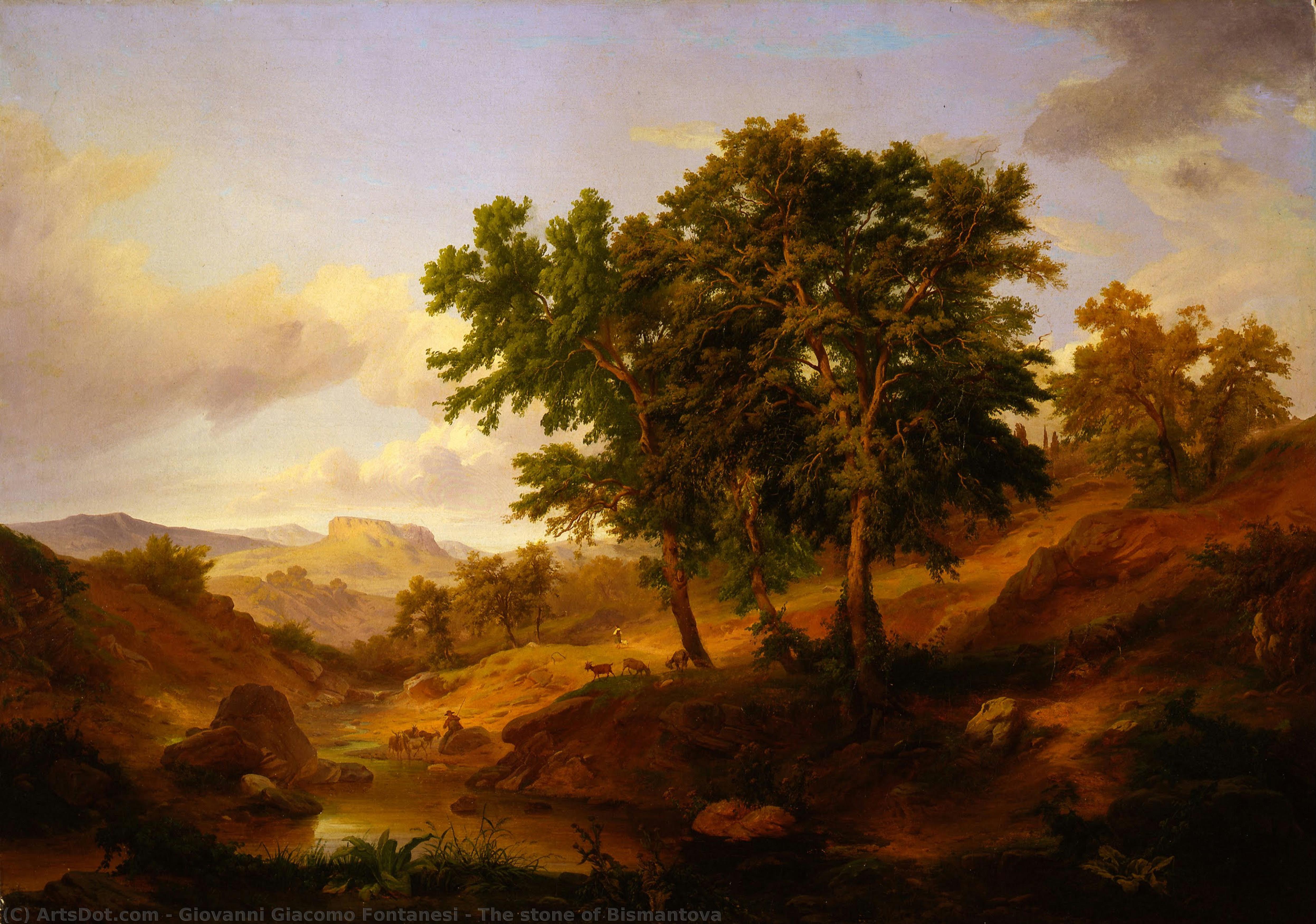
The stone of Bismantova
 Oil On Canvas
- WallArt
- Landscape Realism
 19th Century
 135.0 x 95.0 cm
 Civic Museums of Reggio Emilia
 詳細を見る
詳細を見る
オンラインプレビューをはるかに凌ぐ、高解像度で鮮明なデジタル画像をご購入いただけます。
各ファイルは、社内の専門家が高度なツールと熟練した手作業によるレタッチを用いて、細心の注意を払って準備されています。すべての画像において、卓越した鮮明度、正確な色彩再現性、そして繊細なディテールを保証いたします。
最終ファイルは、プロフェッショナルな編集・印刷環境ですぐにご利用いただけるよう最適化された状態で、72時間以内にメールにてお届けいたします。これは、一流のデザインスタジオ、出版社、ギャラリーから信頼されているものと同等の品質です。
デジタル画像のご注文に付随する特典
高品質なデジタル画像配信を、確かな品質で。
ArtsDot.com を選ぶことは、単に画像を手に入れることではありません。それは、プロの手によって精密に仕上げられ、満足保証が付いた高品質なデジタルアートワークを受け取ることを意味します。ご注文いただいた際に自動的に付随する内容は、以下の通りです:

メールですぐにお届け
ご注文から72時間以内に、高解像度のデジタル画像ファイルがメールでお手元に届きます。すぐにそのままご利用いただけます。

AI技術で最適化されたデジタルファイル
お客様の作品は、高度なAIツールと専門家による手作業の編集を組み合わせてプロフェッショナルに最適化されており、細部のディテール、鮮明さ、そして正確な色再現性を最大限に引き出しています。

一生涯無料の再送サービス
ファイルを誤って削除したり、紛失してしまったりしましたか?ご安心ください。いつでも無料で再送いたします。

輸入手数料は一切かかりません
関税や手数料、配送料を気にすることなく、お気に入りのアートワークをすぐにお楽しみいただけます。デジタルダウンロードは常に免税です。

色彩再現の保証
プロ仕様のツールとカラーマネジメント技術を用いることで、デジタル画像が元の色を最大限に忠実に再現することを保証いたします。

60日間満足保証
ご購入いただいたデジタル画像にご満足いただけない場合は、60日以内であれば、修正または100%の返金(理由を問う必要はありません)をさせていただきます。

100% 返金保証
ご満足いただけない場合は、デジタルファイルを受け取ってから60日以内であれば、理由を問わず全額返金いたします。

まとめ買い割引
3枚購入で10%OFF - 5枚購入で15%OFF - 10枚以上購入で20%OFF。クリエイティブなプロジェクト、ギャラリー、エージェンシーに最適です。
A Symphony of Light and Stone
In the quiet majesty of The Stone of Bismantova, we are invited into a realm where the terrestrial and the ethereal converge. This breathtaking landscape captures a moment of profound stillness, centered around the monumental geological wonders of the Italian countryside. At the heart of the composition, a solitary tree stands as a silent sentinel in the foreground, its branches reaching toward a sky heavy with the soft, diffused light of passing clouds. Nearby, companion trees anchor the scene, creating a sense of natural companionship that mirrors the human presence scattered throughout the valley below. As the eye wanders through the verdant layers of the painting, it discovers a winding river that carves its way through the landscape, acting as a silver thread that binds the rugged mountains to the peaceful meadows.
The artistry of Giovanni Giacomo Fontanesi is masterfully displayed in the way he manipulates atmosphere and depth. Through a delicate application of technique, the artist achieves a remarkable sense of chiaroscuro, where the interplay between light and shadow breathes life into the distant mountain ranges. The brushwork is not merely descriptive but emotive; it captures the moisture in the air and the weight of the clouds, evoking a palpable sense of humidity and freshness. This mastery of tone allows the background to recede into a soft, hazy blue, providing a magnificent sense of scale that makes the viewer feel both small in the face of nature's grandeur and intimately connected to its quiet rhythms.
The Soul of the Landscape
Beyond its technical brilliance, this work serves as a profound meditation on the relationship between humanity and the natural world. The inclusion of tiny, distant figures—people engaged in their daily rhythms amidst the vastness of the Bismantova landscape—adds a layer of narrative warmth to the scene. They are not intruders upon the landscape but integral parts of its eternal cycle. This creates a poignant symbolism: the permanence of the ancient stone and the fleeting nature of human life existing in a harmonious, tranquil balance. For the collector or interior designer, this painting offers more than just visual beauty; it provides an emotional anchor for a room, bringing a sense of contemplative peace and timelessness to any curated space.
For those seeking to adorn their homes with a piece that inspires awe and tranquility, a high-quality reproduction of this masterpiece serves as a window into another era. The painting’s ability to evoke the soft light of an Italian afternoon makes it a versatile choice for sophisticated interiors, whether placed in a sunlit gallery or a cozy study. It is a work that invites long periods of gazing, rewarding the observer with new details of texture and light upon every encounter, much like the landscape itself reveals new secrets with every passing season.
関連作品





作家の略歴
John Everett Millais: A Pre-Raphaelite Pioneer of Light and Nature
Born in Southampton on June 8, 1829, John Everett Millais was a pivotal figure in the burgeoning art world of Victorian England. His early life, marked by a prodigious talent nurtured within a wealthy family—his father, John William Millais, was a successful gentleman from a Jersey lineage and his mother came from a prosperous saddlery family—laid the foundation for a career that would forever alter perceptions of landscape painting and the depiction of human experience. From a young age, Millais demonstrated an exceptional aptitude for drawing, earning a silver medal at the Society of Arts in 1843 at just nine years old, and later winning a coveted silver medal at the Royal Academy Schools in 1840 – a remarkable achievement considering he was admitted as their youngest student ever. This early success foreshadowed a trajectory defined by technical mastery and an unwavering commitment to capturing the beauty of the natural world.
Early Influences and Artistic Formation
Millais’s artistic development was profoundly shaped by his association with William Holman Hunt and Dante Gabriel Rossetti at the Royal Academy. These encounters proved crucial in his formation as a Pre-Raphaelite, a movement dedicated to reviving the aesthetics of the early Renaissance—specifically, the art before Raphael. The Pre-Raphaelites rejected the academic conventions prevalent at the time, prioritizing truth to nature, vibrant colors, and detailed observation. Millais’s first major exhibition piece, *Pizarro Seizing the Inca of Peru* (1846), showcased this commitment, depicting a dramatic historical scene with an almost photographic realism—a departure from the idealized representations favored by the Royal Academy.
- Holman Hunt's Influence: Millais’s friendship with Holman Hunt led to collaborative projects, including *Ophelia* (1851-52), a hauntingly beautiful depiction of Shakespeare’s tragic heroine. Hunt’s meticulous attention to detail and his exploration of moral themes deeply influenced Millais’s approach to subject matter.
- Rossetti's Vision: Dante Gabriel Rossetti, known for his evocative poetry and symbolic imagery, encouraged Millais to explore the emotional depth of his paintings.
The Height of Pre-Raphaelite Success: *Ophelia* and Beyond
1851 marked a turning point in Millais’s career with the completion of *Ophelia*. The painting, based on Shakespeare's tragedy, became an instant sensation, captivating audiences with its exquisite detail, luminous colors, and poignant portrayal of grief. It established Millais as one of the leading figures of the Pre-Raphaelite Brotherhood and cemented his reputation for capturing the delicate beauty of nature and human emotion. Following *Ophelia*, he continued to produce a series of iconic works, including *Christ in the House of His Parents ('The Carpenter's Shop')* (1849-50), a controversial piece initially met with unfavorable reception due to its unflinching realism and depiction of domestic life. Despite this initial criticism, it demonstrated Millais’s willingness to challenge conventional artistic norms.
- Technique: Millais was renowned for his meticulous outdoor painting technique, often working directly from nature for extended periods. He employed a rapid brushstroke to capture the fleeting effects of light and atmosphere.
- Symbolism: His paintings were rich in symbolism, drawing on literary sources, mythology, and religious themes.
Marriage, Perth, and Later Works
In 1855, Millais married Effie Chalmers, the former wife of Ruskin, a relationship that brought him into close contact with the influential art critic and philosopher. The couple settled in Perth, where he painted *Autumn Leaves* (1855-6), capturing the vibrant colors and textures of the Scottish landscape. His later career saw a shift towards portraiture, reflecting his growing recognition as a respected artist. He produced numerous portraits of prominent figures, including Thomas Carlyle, Lillie Langtry, Gladstone, Disraeli, and Tennyson, demonstrating his ability to capture both physical likeness and inner character.
- Portraiture: Millais’s portraiture was characterized by its elegance, sensitivity, and psychological insight.
- Later Recognition: He achieved considerable popularity as a painter of children, creating charming depictions such as *Bubbles* (1886), which became an iconic advertisement for Pears soap.
Legacy and Historical Significance
John Everett Millais died in London on August 13, 1896, at the age of 67. His legacy as a Pre-Raphaelite painter is secure, and his works continue to be celebrated for their beauty, technical skill, and emotional resonance. He played a crucial role in shaping the course of Victorian art, influencing generations of artists with his dedication to truth to nature, his innovative techniques, and his profound understanding of human experience. His paintings remain powerful testaments to the enduring appeal of light, color, and the timeless themes explored within the Pre-Raphaelite movement. He was made an Associate of the Royal Academy in 1853, and a full member in 1863. In 1885 he was created a baronet and in 1896 was elected President of the Royal Academy, but died shortly thereafter in London. He is buried in St Paul's Cathedral.
giovanni giacomo fontanesi
1829 - 1892 , Italy
プロフィール概要
- Artistic Movement Or Style: Pre-Raphaelite
- Artists Or Movements Influenced By This Artist: ["Millais' work influenced later Pre-Raphaelites."]
- Artists Who Influenced This Artist:
- Holman Hunt
- Rossetti
- Date Of Birth: 8 June 1829
- Date Of Death: 13 August 1896
- Full Name: Sir John Everett Millais, Bt
- Nationality: British
- Notable Artworks:
- Ophelia
- The Carpenter's Shop
- Autumn Leaves
- Bubbles
- Stella
- Place Of Birth: Southampton, England

