

 プレビュー
プレビュー
 シェアする
シェアする シェアする
シェアする
 詳細を見る
詳細を見る

 ダウンロード
 似ている作品
 X線調査
X線調査 スライドショー
Christ and the Woman of Samaria
 Acrylic On Canvas
- WallArt
- Baroque Painting
 1620
1620 66.0 x 87.0 cm
 アシュモリアン美術館
 詳細を見る
詳細を見る
ジークレー/アートプリント
迅速な制作と多彩な仕上げオプションを備えた、ミュージアムクオリティのジークレーまたはキャンバスプリント。 ( 手描きの絵画を購入 画像を購入)




P118B $10

P118H $10

P118W $10

P438Z $10

P508JH $12

P508YH $12

P805H $10

P805Z $10

P919BZ $10

P919G $10

P919XJ $10

P959ZH $10

P968JZ $12

W106C $8

W218G $10

W218JH $8

W218Y $10

W307PJ $10

W316G $10

W316PJ $8

W316Y $10

W398PJ $8

W4111J $10

W500HY $15

W500JH $15

W692G $12

W849H $8

W940BG $15

W953PJ $8




作品のオリジナル比率に合わせた、当店の規定サイズからお選びください。

特定のフレームやスペースに合わせて、ご自身でサイズを指定することも可能です。選択されたサイズが元の画像の比率と一致しない場合、作品をトリミングするか、鏡面反射または単色での塗りつぶしによって画像を拡張いたします。制作を開始する前に、ご確認用のデジタルモックアップをお送りいたします。
画面上のプレビューには、実際のトリミングや拡張は反映されませんのでご注意ください。最終的な構図を正確に確認できるのは、モックアップのみとなります。
カスタムサイズも承っておりますが、元の比率を維持するためには、あらかじめ用意されたリストからサイズを選択することをお勧めいたします。


 ガラスオプションは、110cm未満のサイズでのみご利用いただけます。

Christ and the Woman of Samaria
ジークレー/アートプリント
複製画のサイズ
-


合計金額
$ 62
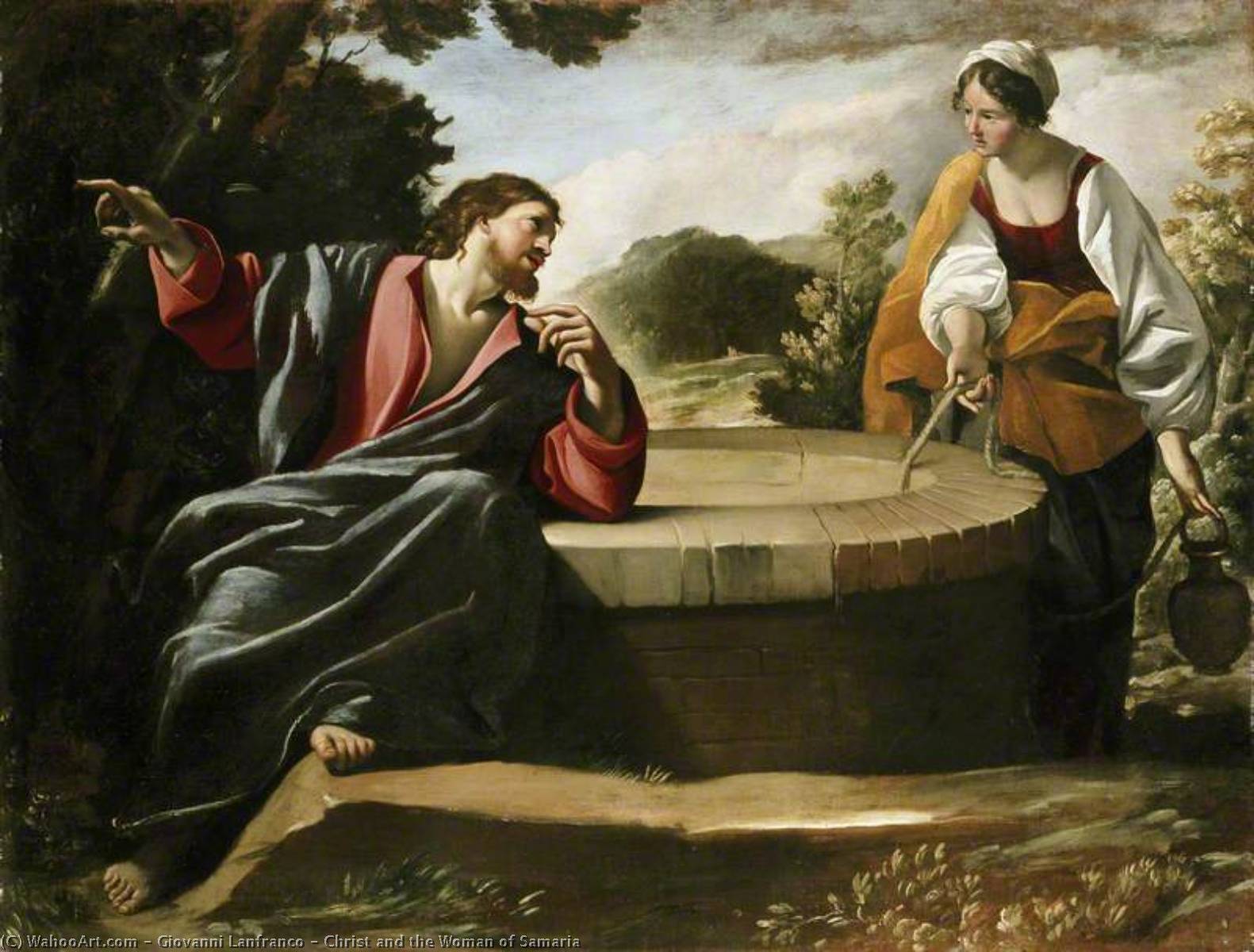
Giovanni Lanfranco’s “Christ and the Woman of Samaria”: A Baroque Revelation
The fresco "Christ and the Woman of Samaria," painted by Giovanni Lanfranco in 1620, stands as a pivotal work within the artist's oeuvre and a compelling example of the dynamism and dramatic intensity characteristic of the High Renaissance’s transition into the Baroque. Housed today at the Ashmolean Museum in Oxford, this scene from the Gospel of John is not merely a depiction of biblical narrative; it’s an immersive experience, a carefully constructed tableau designed to evoke both spiritual contemplation and immediate emotional response. Lanfranco, trained under the tutelage of Agostino Carracci and later working within Annibale Carracci's workshop in Rome, masterfully synthesizes influences from his predecessors while forging a distinctly personal style marked by dramatic lighting, complex spatial arrangements, and an almost theatrical use of color.
The composition itself is immediately arresting. Jesus Christ, rendered with a serene yet commanding presence, engages in a conversation with a Samaritan woman at a well – a location imbued with symbolic significance within the Gospel story. The woman’s forward lean, her eager gaze directed towards Christ, speaks volumes about her transformation and the profound impact of their encounter. Surrounding them is a bustling scene: disciples observing from behind, a partially visible walled city hinting at the Samaritan community, and a detailed landscape that stretches into the distance, creating a sense of depth and perspective rarely achieved in earlier Italian painting. Lanfranco’s use of *chiaroscuro*, the dramatic interplay of light and shadow, is particularly noteworthy; it not only illuminates key figures but also serves to heighten the emotional intensity of the scene, drawing the viewer's eye towards Christ and the woman.
The Language of Gesture and Symbolism
Beyond its technical brilliance, “Christ and the Woman of Samaria” is rich in symbolic detail. The well itself represents a source of spiritual refreshment – a metaphor for salvation offered by Christ to those who are thirsty for divine grace. The woman’s gesture, pointing towards something unseen, suggests her openness to revelation and her willingness to embrace faith. Even the placement of the figures within the landscape is deliberate; the receding city walls symbolize the limitations of earthly concerns, while the open space invites contemplation about the boundless nature of God's love. Lanfranco doesn’t simply illustrate a biblical story; he uses every element of the composition – from the color palette to the spatial arrangement – to convey a deeper theological message.
Interestingly, this particular scene was not entirely unique in its artistic representation. Artemisia Gentileschi created her own version of “Christ and the Woman of Samaria” around 1637, demonstrating that the narrative resonated strongly with female artists as well. While both paintings share a similar composition and subject matter, they differ significantly in their stylistic approaches – Gentileschi’s work is characterized by a greater sense of realism and emotional intensity, while Lanfranco's leans towards a more idealized and theatrical presentation. Studying these two versions side-by-side offers valuable insights into the evolving artistic conventions of the Baroque period.
Lanfranco’s Context: Rome and the Papal Patronage
Giovanni Lanfranco’s career flourished during a period of immense artistic activity in Rome, fueled by the patronage of Pope Paul V. He was deeply involved in the decoration of several prominent papal palaces, including the Galleria Farnese and the Quirinale Palace. This exposure to the grand scale and ambitious projects of the Vatican provided him with invaluable experience and honed his skills as a fresco painter. Lanfranco’s ability to create illusionistic effects – particularly in ceiling frescoes – was highly prized by the papacy, and he became one of the leading artists commissioned to adorn the interiors of Rome's most important buildings.
Furthermore, Lanfranco’s artistic development was shaped by his apprenticeship with Annibale Carracci, a key figure in the revival of classical art within the Renaissance. Carracci’s emphasis on naturalism and anatomical accuracy influenced Lanfranco’s approach to depicting human figures, while his innovative use of perspective informed Lanfranco's own compositional strategies. The legacy of these influences is evident throughout “Christ and the Woman of Samaria,” where Lanfranco skillfully blends classical ideals with Baroque dynamism.
A Timeless Masterpiece: Reproduction Possibilities
“Christ and the Woman of Samaria” remains a powerfully evocative work of art, offering viewers a glimpse into the spiritual and emotional landscape of the Baroque era. Today, high-quality reproductions are available through various sources, allowing art enthusiasts to bring this masterpiece into their homes or offices. When selecting a reproduction, consider the medium – oil on canvas offers exceptional detail and color fidelity, while fine art prints provide an affordable alternative. Whether you choose a traditional print or a more contemporary format, a reproduction of Lanfranco’s fresco will undoubtedly serve as a captivating focal point, sparking conversation and inspiring contemplation for years to come.
関連作品
アーティストの略歴
ジョヴァンニ・ランフランコ:バロック絵画を牽引した巨匠
- 生年:イタリア、パルマ(1582年)
- 没年:1647年
幼少期と修業時代
ジョヴァンニ・ガスパーレ・ランフランコは、1582年にパルマにて、ステファノとコルネリア・ランフランキの三男として生を受けました。その類まれな芸術的才能は早くから周囲に認められ、ボローニャを代表する画家アンニバーレ・カラッチの弟であるアゴスティーノ・カラッチのもとで修業を積むこととなります。また、パルマのファルネーゼ宮殿ではシスト・バダロッチョと共に研鑽を重ねました。ランフランコの学びは、ローマにあるアンニバーレ・カラッチの巨大な工房へと引き継がれ、そこで彼は「ガッレリア・ファルネーゼ」のような壮大なプロジェクトに携わりました。ポリュフェモスとガラテアを描いたパネル制作への参加は、彼を活気に満ちた芸術的環境へと導き、その後の輝かしいキャリアの揺るぎない礎となったのです。
様式の確立と芸術的特質
1609年にアンニバーレ・カラッチが没した後、ランフランコは一時パルマへ戻りますが、1612年には再びローマに拠点を構え、自らの地位を確立しました。そこで彼が築き上げたのは、ダイナミックな構図と演劇的な光の演出、そして天井画に極めて適した先見的なアプローチを特徴とする、独自の様式でした。ルドヴィーコ・カラッチの後期の作品や、おそらくカラヴァッジョの影響も受けつつ、彼はコレッジョの装飾的なスタイルに対しても強い親和性を示しました。初期の作品には、様々な巨匠たちの要素を取り入れながらも、次第に自らの道を切り拓いていく折衷的な広がりが見て取れます。彼の発展における決定的な要素は、フレスコ画において錯視的な効果を生み出す卓越した能力であり、それがバロック美学の形成に多大な貢献を果たしたのです。
主要な業績と依頼作品
ランフランコのキャリアは、彼に数多くの作品を依頼した教皇パウルス5世のもとで黄金期を迎えます。彼の代表的な業績には、以下のようなものがあります:
- マッテイ宮殿のフレスコ画:遠近法と錯視表現における、彼の高まりゆく熟練度を証明しています。
- ヴィラ・ボルゲーゼの天井画(オリンポスの神々):複雑な物語性と躍動感あふれる人物像を描き出した記念碑的な傑作です。
- クイリナーレ宮殿のサラ・デ・コラッツィエーリおよびサラ・レジア:ローマにおける主要なフレスコ画家としての名声を決定づけました。
- サンタンドレア・デッラ・ヴァッレ教会の聖母被昇天:彼の最高傑作とされるこの野心的なドームフレスコ画は、劇的な光の使い分け、密集した構図、そして革新的な遠近法の活用で広く知られています。壮大さと感情的なインパクトを重視するバロック様式の真髄を体現しています。
影響力と歴史的意義
ジョヴァンニ・ランフランコは、17世紀ローマの芸術的景観を形作る上で極めて重要な役割を果たしました。彼は主要な依頼案件を巡ってドメニキーノと競い合い、当時の一流画家たちの間で繰り広げられた激しい競争の一翼を担いました。フレスコ画に対する彼の革新的なアプローチ、特に錯視技法の習熟と劇的な構図は、後世の芸術家たちに深い影響を与えました。ランフランコの作品には、ダイナミズム、感情、そして壮大さを追求したバロック時代全体の潮流が反映されており、彼をその時代で最も重要な画家の一人として不動のものにしました。その足跡は、フランチェスコ・ソリメーナをはじめとする後続のイタリア人画家たちの作品の中にも、脈々と受け継がれています。
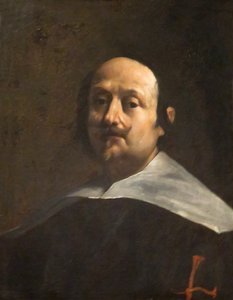
ジョヴァンニ・ランフランコ
1582 - 1647 , イタリア
基本情報
- Artistic Movement Or Style: バロック絵画
- Artists Or Movements Influenced By This Artist: ['フランチェスコ・ソリメーナ']
- Artists Who Influenced This Artist:
- コレッジョ
- アンニバーレ・カラッチ
- ルードヴィーコ・カラッチ
- Date Of Birth: 1582年1月26日
- Date Of Death: 1647年11月30日
- Full Name: ジョヴァンニ・ランフランコ
- Nationality: イタリア
- Notable Artworks:
- 預言者エリヤの目覚め
- 聖ルカ
- 竪琴を弾くヴィーナス
- オリンポスの神々のフレスコ画
- Place Of Birth (City And Country): イタリア、パルマ
関連記事

バロックのドラマ:現代のインテリアに壮麗さと情感を取り込む
バロック様式の歴史、絵画、家具の魅力をご紹介。ArtsDotでは、高品質な油絵複製やカスタムポートレートをご提供し、現代のインテリアに壮麗さと情感を取り入れます。アートコンサルテーションも承ります。

The Visceral Stage: Exploring Dramatic Narratives & Emotional Intensity in Baroque Art
Explore the dramatic world of Baroque art! Discover iconic masters like Caravaggio & Rembrandt, their techniques, and the movement's lasting impact. Expert insights for collectors & enthusiasts at ArtsDot.

バロック美術を極めた至宝:時代を彩る10大名作の世界
バロック美術の華!カラヴァッジョ、ベルニーニら巨匠が創り上げた10大名作を徹底解剖。ドラマチックな色彩と豪華絢爛の世界観に触れ、至宝のアートプリントで空間を彩ろう。ArtsDot.comで美術館品質の複製と洗練されたインテリアを見つけましょう!
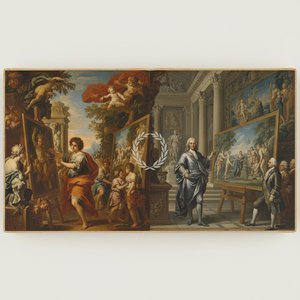
Simon Vouet: A Baroque Master's Journey from Italian Influence to French Classicism
Explore the life & art of Simon Vouet, a pivotal French Baroque painter who introduced Italian styles to France. Discover his masterpieces and lasting influence on 17th-century art.

The Dramatic Flourish: Exploring the Baroque Movement's Enduring Legacy in Art History
Explore the dramatic world of Baroque art! Discover iconic artists like Caravaggio & Rubens, defining techniques, and its lasting impact on art history. Expert insights for collectors & enthusiasts at ArtsDot.

