

 プレビュー
プレビュー
 シェアする
シェアする シェアする
シェアする
 詳細を見る
詳細を見る

 ダウンロード
 似ている作品
 X線調査
X線調査 スライドショー
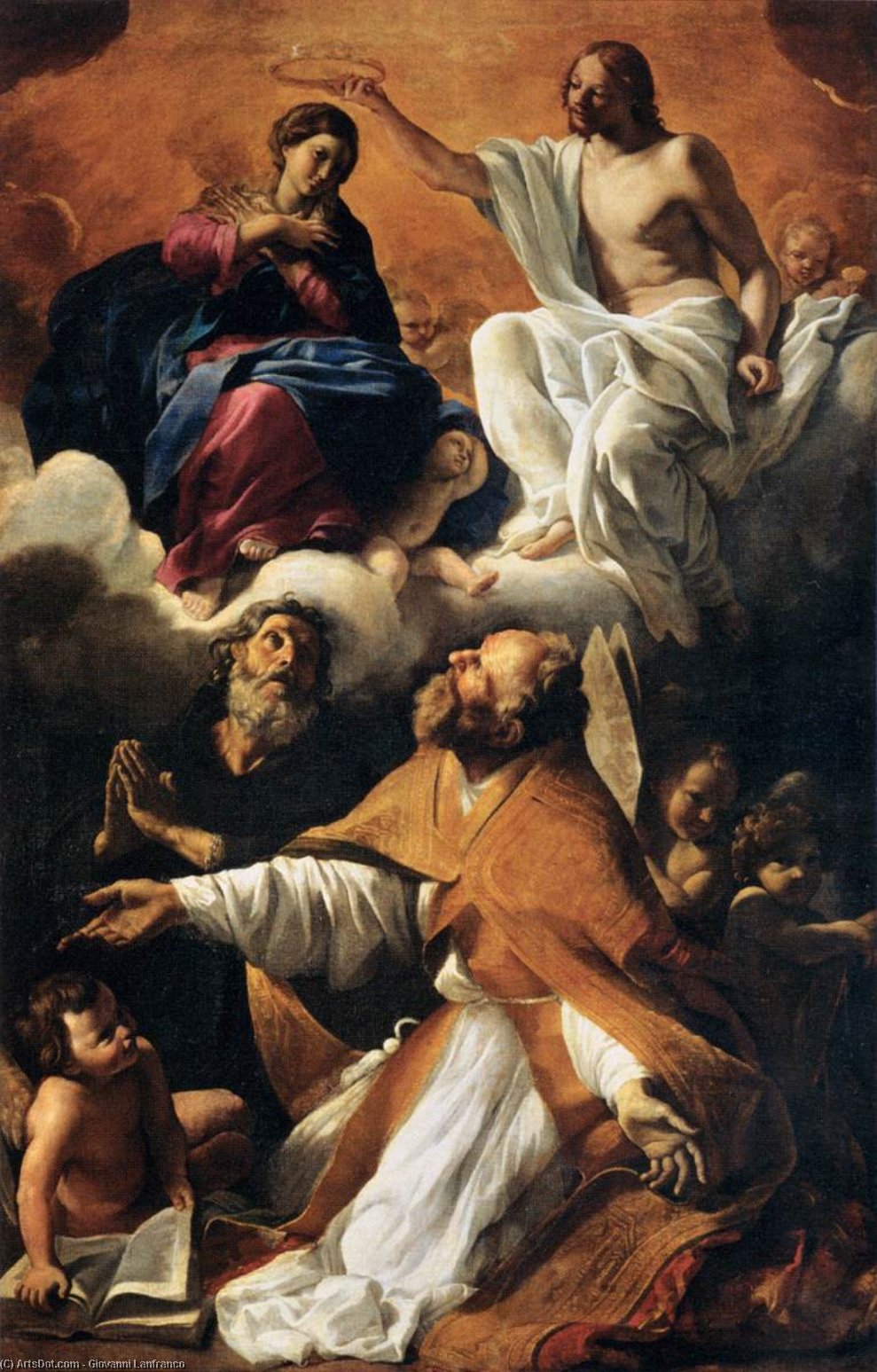
Coronation of the Virgin with St Augustine and St William of Aquitaine
 Acrylic On Canvas
- WallArt
- Baroque Painting
 1616
1616 220.0 x 144.0 cm
 ルーブル美術館
 詳細を見る
詳細を見る
ジークレー/アートプリント
迅速な制作と多彩な仕上げオプションを備えた、ミュージアムクオリティのジークレーまたはキャンバスプリント。 ( 手描きの絵画を購入 画像を購入)




P118B $10

P118H $10

P118W $10

P438Z $10

P508JH $12

P508YH $12

P805H $10

P805Z $10

P919BZ $10

P919G $10

P919XJ $10

P959ZH $10

P968JZ $12

W106C $8

W218G $10

W218JH $8

W218Y $10

W307PJ $10

W316G $10

W316PJ $8

W316Y $10

W398PJ $8

W4111J $10

W500HY $15

W500JH $15

W692G $12

W849H $8

W940BG $15

W953PJ $8




作品のオリジナル比率に合わせた、当店の規定サイズからお選びください。

特定のフレームやスペースに合わせて、ご自身でサイズを指定することも可能です。選択されたサイズが元の画像の比率と一致しない場合、作品をトリミングするか、鏡面反射または単色での塗りつぶしによって画像を拡張いたします。制作を開始する前に、ご確認用のデジタルモックアップをお送りいたします。
画面上のプレビューには、実際のトリミングや拡張は反映されませんのでご注意ください。最終的な構図を正確に確認できるのは、モックアップのみとなります。
カスタムサイズも承っておりますが、元の比率を維持するためには、あらかじめ用意されたリストからサイズを選択することをお勧めいたします。


 ガラスオプションは、110cm未満のサイズでのみご利用いただけます。

Coronation of the Virgin with St Augustine and St William of Aquitaine
ジークレー/アートプリント
複製画のサイズ
-


合計金額
$ 62
作品詳細説明
Giovanni Lanfranco’s Coronation of the Virgin: A Baroque Masterpiece
Giovanni Lanfranco stands as one of the most influential painters of the Baroque era, leaving an indelible mark on Roman art and shaping the aesthetic sensibilities of his time. Born in Parma in 1582, he honed his skills under the tutelage of Agostino Carracci, immersing himself in the vibrant artistic currents of Bolognese painting – a formative experience that instilled within him a profound understanding of composition and color theory. His subsequent apprenticeship with Annibale Carracci’s workshop propelled him into the epicenter of artistic innovation, where he collaborated on monumental projects like the Galleria Farnese, notably contributing to the iconic panel depicting Polyphemus and Galatea. This association solidified Lanfranco's reputation as a virtuoso craftsman and cemented his position amongst the leading artists shaping the visual landscape of Rome.A Symphony of Color and Dynamic Composition
Lanfranco’s artistic style is characterized by an unparalleled dynamism, reflecting the Baroque preoccupation with theatrical grandeur and emotional intensity. He eschewed static poses and favored sweeping gestures and dramatic lighting—techniques that immediately captivate the viewer's gaze and convey a palpable sense of movement. This stylistic hallmark is particularly evident in “Coronation of the Virgin with St Augustine and St William of Aquitaine,” commissioned in 1616 for the Benedictine Monastery of San Paolo fuori le mura in Rome. The painting’s central focus—the Virgin Mary receiving her crown from Jesus Christ—is rendered with meticulous detail, yet infused with an energy that transcends mere representation. Lanfranco skillfully employs chiaroscuro – the interplay between light and shadow – to sculpt form and heighten emotional impact, guiding the eye across the canvas and immersing it in a realm of sublime beauty.Historical Context and Symbolic Resonance
“Coronation of the Virgin” emerged during a period of fervent religious fervor—the Counter-Reformation—when the Catholic Church sought to reaffirm its authority and inspire piety through art. Lanfranco’s depiction aligns perfectly with this cultural ethos, embodying the ideals of divine grace and spiritual contemplation. The saints Augustine and William of Aquitaine flanking Mary serve as symbols of theological wisdom and papal patronage, respectively – reflecting the importance of intellectual discourse and ecclesiastical leadership within Renaissance society. Furthermore, the radiant aureole encircling Mary’s head symbolizes her holiness and divine majesty—a visual motif prevalent throughout Baroque iconography.Technique: Oil Paint on Canvas
Lanfranco's masterful execution demonstrates an exceptional command of oil paint—the dominant medium of the Baroque period. He meticulously layered pigments onto a canvas surface, achieving remarkable tonal gradations and luminous effects that capture the ethereal quality of religious ecstasy. The artist’s meticulous attention to detail extends beyond mere visual accuracy; it encompasses a profound understanding of artistic principles—principles rooted in observation and informed by humanist scholarship. Lanfranco's technique exemplifies the Baroque commitment to realism combined with expressive idealism, resulting in an artwork that transcends its historical context and continues to inspire admiration centuries later.Emotional Impact: Reverence and Spiritual Delight
Ultimately, “Coronation of the Virgin” succeeds in evoking a profound emotional response—one characterized by reverence and spiritual delight. The painting’s serene beauty—coupled with its dramatic lighting—transports viewers into a realm of transcendent contemplation. Lanfranco's ability to convey complex theological ideas through visual imagery underscores the enduring power of art as a vehicle for spiritual expression. It remains a testament to the Baroque artist’s capacity to capture not only the outward appearance of reality but also the inner workings of human consciousness—a feat that secures Lanfranco’s place among the greatest painters in European history.関連作品

アーティストの略歴
ジョヴァンニ・ランフランコ:バロック絵画を牽引した巨匠
- 生年:イタリア、パルマ(1582年)
- 没年:1647年
幼少期と修業時代
ジョヴァンニ・ガスパーレ・ランフランコは、1582年にパルマにて、ステファノとコルネリア・ランフランキの三男として生を受けました。その類まれな芸術的才能は早くから周囲に認められ、ボローニャを代表する画家アンニバーレ・カラッチの弟であるアゴスティーノ・カラッチのもとで修業を積むこととなります。また、パルマのファルネーゼ宮殿ではシスト・バダロッチョと共に研鑽を重ねました。ランフランコの学びは、ローマにあるアンニバーレ・カラッチの巨大な工房へと引き継がれ、そこで彼は「ガッレリア・ファルネーゼ」のような壮大なプロジェクトに携わりました。ポリュフェモスとガラテアを描いたパネル制作への参加は、彼を活気に満ちた芸術的環境へと導き、その後の輝かしいキャリアの揺るぎない礎となったのです。
様式の確立と芸術的特質
1609年にアンニバーレ・カラッチが没した後、ランフランコは一時パルマへ戻りますが、1612年には再びローマに拠点を構え、自らの地位を確立しました。そこで彼が築き上げたのは、ダイナミックな構図と演劇的な光の演出、そして天井画に極めて適した先見的なアプローチを特徴とする、独自の様式でした。ルドヴィーコ・カラッチの後期の作品や、おそらくカラヴァッジョの影響も受けつつ、彼はコレッジョの装飾的なスタイルに対しても強い親和性を示しました。初期の作品には、様々な巨匠たちの要素を取り入れながらも、次第に自らの道を切り拓いていく折衷的な広がりが見て取れます。彼の発展における決定的な要素は、フレスコ画において錯視的な効果を生み出す卓越した能力であり、それがバロック美学の形成に多大な貢献を果たしたのです。
主要な業績と依頼作品
ランフランコのキャリアは、彼に数多くの作品を依頼した教皇パウルス5世のもとで黄金期を迎えます。彼の代表的な業績には、以下のようなものがあります:
- マッテイ宮殿のフレスコ画:遠近法と錯視表現における、彼の高まりゆく熟練度を証明しています。
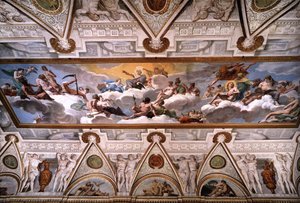
- ヴィラ・ボルゲーゼの天井画(オリンポスの神々):複雑な物語性と躍動感あふれる人物像を描き出した記念碑的な傑作です。
- クイリナーレ宮殿のサラ・デ・コラッツィエーリおよびサラ・レジア:ローマにおける主要なフレスコ画家としての名声を決定づけました。
- サンタンドレア・デッラ・ヴァッレ教会の聖母被昇天:彼の最高傑作とされるこの野心的なドームフレスコ画は、劇的な光の使い分け、密集した構図、そして革新的な遠近法の活用で広く知られています。壮大さと感情的なインパクトを重視するバロック様式の真髄を体現しています。
影響力と歴史的意義
ジョヴァンニ・ランフランコは、17世紀ローマの芸術的景観を形作る上で極めて重要な役割を果たしました。彼は主要な依頼案件を巡ってドメニキーノと競い合い、当時の一流画家たちの間で繰り広げられた激しい競争の一翼を担いました。フレスコ画に対する彼の革新的なアプローチ、特に錯視技法の習熟と劇的な構図は、後世の芸術家たちに深い影響を与えました。ランフランコの作品には、ダイナミズム、感情、そして壮大さを追求したバロック時代全体の潮流が反映されており、彼をその時代で最も重要な画家の一人として不動のものにしました。その足跡は、フランチェスコ・ソリメーナをはじめとする後続のイタリア人画家たちの作品の中にも、脈々と受け継がれています。
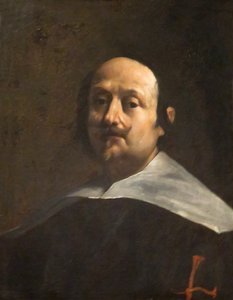
ジョヴァンニ・ランフランコ
1582 - 1647 , イタリア
基本情報
- Artistic Movement Or Style: バロック絵画
- Artists Or Movements Influenced By This Artist: ['フランチェスコ・ソリメーナ']
- Artists Who Influenced This Artist:
- コレッジョ
- アンニバーレ・カラッチ
- ルードヴィーコ・カラッチ
- Date Of Birth: 1582年1月26日
- Date Of Death: 1647年11月30日
- Full Name: ジョヴァンニ・ランフランコ
- Nationality: イタリア
- Notable Artworks:
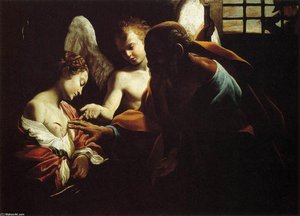
- 預言者エリヤの目覚め
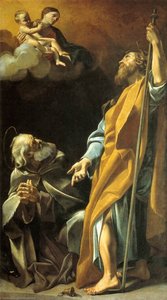
- 聖ルカ
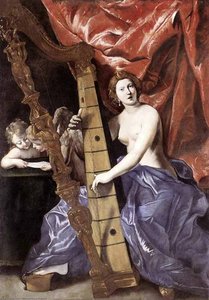
- 竪琴を弾くヴィーナス
- オリンポスの神々のフレスコ画
- Place Of Birth (City And Country): イタリア、パルマ
関連記事

The Dramatic Flourish: Exploring the Baroque Movement's Enduring Legacy in Art History
Explore the dramatic world of Baroque art! Discover iconic artists like Caravaggio & Rubens, defining techniques, and its lasting impact on art history. Expert insights for collectors & enthusiasts at ArtsDot.

バロックのドラマ:現代のインテリアに壮麗さと情感を取り込む
バロック様式の歴史、絵画、家具の魅力をご紹介。ArtsDotでは、高品質な油絵複製やカスタムポートレートをご提供し、現代のインテリアに壮麗さと情感を取り入れます。アートコンサルテーションも承ります。

バロック美術を極めた至宝:時代を彩る10大名作の世界
バロック美術の華!カラヴァッジョ、ベルニーニら巨匠が創り上げた10大名作を徹底解剖。ドラマチックな色彩と豪華絢爛の世界観に触れ、至宝のアートプリントで空間を彩ろう。ArtsDot.comで美術館品質の複製と洗練されたインテリアを見つけましょう!

The Visceral Stage: Exploring Dramatic Narratives & Emotional Intensity in Baroque Art
Explore the dramatic world of Baroque art! Discover iconic masters like Caravaggio & Rembrandt, their techniques, and the movement's lasting impact. Expert insights for collectors & enthusiasts at ArtsDot.
The Golden Age Reforged: Dramatic Realism & Religious Zeal in Spanish Baroque Art
Explore the dramatic world of Spanish Baroque art! Discover masters like Zurbarán & the powerful influence of religious zeal on painting techniques – a guide for collectors and enthusiasts.

