

 プレビュー
プレビュー
 プリントを購入
 シェアする
シェアする シェアする
シェアする
 詳細を見る
詳細を見る

 ダウンロード
 似ている作品
 X線調査
X線調査 スライドショー
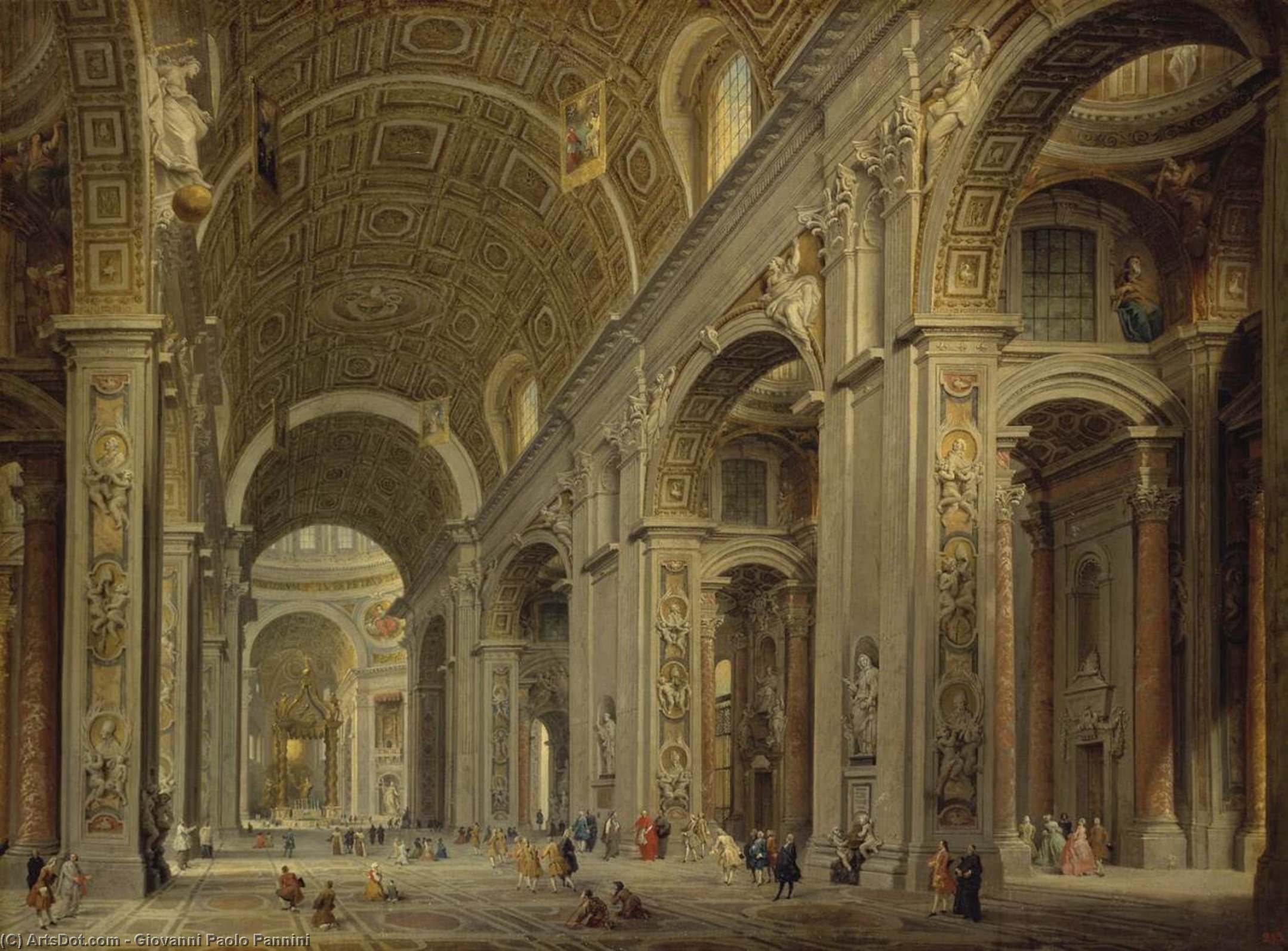
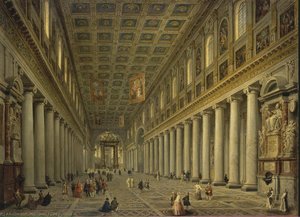
Interior of St Peter's in Rome
 Acrylic On Canvas
- WallArt
- 18th-century Roman Visions
 1750
1750 75.0 x 100.0 cm
 エルミタージュ美術館
 詳細を見る
詳細を見る
オンラインプレビューをはるかに凌ぐ、高解像度で鮮明なデジタル画像をご購入いただけます。
各ファイルは、社内の専門家が高度なツールと熟練した手作業によるレタッチを用いて、細心の注意を払って準備されています。すべての画像において、卓越した鮮明度、正確な色彩再現性、そして繊細なディテールを保証いたします。
最終ファイルは、プロフェッショナルな編集・印刷環境ですぐにご利用いただけるよう最適化された状態で、72時間以内にメールにてお届けいたします。これは、一流のデザインスタジオ、出版社、ギャラリーから信頼されているものと同等の品質です。
デジタル画像のご注文に付随する特典
高品質なデジタル画像配信を、確かな品質で。
ArtsDot.com を選ぶことは、単に画像を手に入れることではありません。それは、プロの手によって精密に仕上げられ、満足保証が付いた高品質なデジタルアートワークを受け取ることを意味します。ご注文いただいた際に自動的に付随する内容は、以下の通りです:

メールですぐにお届け
ご注文から72時間以内に、高解像度のデジタル画像ファイルがメールでお手元に届きます。すぐにそのままご利用いただけます。

AI技術で最適化されたデジタルファイル
お客様の作品は、高度なAIツールと専門家による手作業の編集を組み合わせてプロフェッショナルに最適化されており、細部のディテール、鮮明さ、そして正確な色再現性を最大限に引き出しています。

一生涯無料の再送サービス
ファイルを誤って削除したり、紛失してしまったりしましたか?ご安心ください。いつでも無料で再送いたします。

輸入手数料は一切かかりません
関税や手数料、配送料を気にすることなく、お気に入りのアートワークをすぐにお楽しみいただけます。デジタルダウンロードは常に免税です。

色彩再現の保証
プロ仕様のツールとカラーマネジメント技術を用いることで、デジタル画像が元の色を最大限に忠実に再現することを保証いたします。

60日間満足保証
ご購入いただいたデジタル画像にご満足いただけない場合は、60日以内であれば、修正または100%の返金(理由を問う必要はありません)をさせていただきます。

100% 返金保証
ご満足いただけない場合は、デジタルファイルを受け取ってから60日以内であれば、理由を問わず全額返金いたします。

まとめ買い割引
3枚購入で10%OFF - 5枚購入で15%OFF - 10枚以上購入で20%OFF。クリエイティブなプロジェクト、ギャラリー、エージェンシーに最適です。
作品の詳細
A Glimpse into Sacred Space: Giovanni Paolo Panini’s Interior of St. Peter’s
Giovanni Paolo Panini’s “Interior of St. Peter’s in Rome,” painted in 1750, isn't merely a depiction of a grand basilica; it’s a meticulously crafted illusion, a testament to the artist’s mastery of perspective and his profound understanding of Roman architectural history. Measuring a modest 75 x 100 cm, this oil on canvas offers an intimate yet expansive view of one of Christendom’s most iconic spaces – St. Peter's Basilica in Rome. The painting immediately draws the eye into a scene teeming with activity, yet imbued with a remarkable sense of stillness and reverence. Tourists and visitors alike populate the vast interior, their figures rendered with a subtle realism that contrasts beautifully with the idealized grandeur of the architecture.
Panini’s genius lies not just in his technical skill – evident in the precise rendering of columns, arches, and intricate detailing – but also in his ability to evoke a specific *feeling* associated with visiting this sacred site. The light, diffused and warm, seems to emanate from an unseen source, bathing the scene in a golden glow that highlights the rich marble surfaces and the soaring ceilings. Notice how he uses atmospheric perspective; details recede into the distance, creating a believable sense of depth and scale within the immense space.
The Architect of Memory: Panini’s Unique Approach
Giovanni Paolo Panini was an extraordinary artist, operating in a unique niche within 18th-century art. He wasn't primarily a portraitist or landscape painter; instead, he specialized in *vedute* – views of cities and architectural marvels. However, Panini’s vedute weren’t straightforward representations; they were carefully constructed fantasies, informed by his deep knowledge of Roman antiquity. He meticulously studied surviving ruins and ancient descriptions, then reimagined them with a romantic sensibility, often incorporating elements that didn't actually exist in the original structures.
His early training under Francesco Galli-Bibiena, a stage designer known for his theatrical illusions, profoundly shaped Panini’s approach. This influence is strikingly apparent in “Interior of St. Peter’s,” where the perspective is deliberately manipulated to create an illusion of vastness and grandeur. The artist doesn't simply record what he sees; he actively shapes our perception of space, inviting us into a carefully constructed world.
Symbolism and Historical Context
St. Peter’s Basilica itself holds immense symbolic weight – it represents the continuity of the Christian faith, tracing its roots back to the apostle himself. Panini's painting captures this sense of history and tradition. The numerous statues scattered throughout the scene are not merely decorative elements; they represent a layered narrative of religious devotion and artistic patronage. Observe the central statue, likely depicting Saint Peter, and the one on the right – both contribute to the overall atmosphere of solemnity and reverence.
Painted in 1750, during the height of Baroque influence, “Interior of St. Peter’s” reflects a fascination with classical antiquity and a desire to recreate the grandeur of Rome's imperial past. The meticulous detail and idealized proportions are hallmarks of this period, reflecting a renewed interest in Roman art and architecture. The painting served a practical purpose as well – it was commissioned to provide visitors with a tangible reminder of their pilgrimage, offering a luxurious and detailed souvenir of a sacred journey.
Bringing the Vision Home: A ArtsDot Reproduction
ArtsDot is proud to offer meticulously crafted hand-painted reproductions of Giovanni Paolo Panini’s “Interior of St. Peter’s in Rome.” We employ skilled artists who replicate Panini's techniques and color palette with exceptional accuracy, ensuring that your reproduction captures the essence of this remarkable artwork. Whether you are an art collector, interior designer seeking to evoke a sense of timeless elegance, or simply someone captivated by the beauty of 18th-century Rome, our reproductions provide a stunning way to bring this iconic scene into your home or office. Explore our high-resolution images and discover the perfect reproduction to suit your needs.
関連作品






作家の略歴
ローマの幻影を紡ぐ巨匠:ジョヴァンニ・パオロ・パニーニの生涯と芸術
ジョヴァンニ・パオロ・パニーニ。その名は18世紀ローマの壮麗さとロマンティックな魅力を象徴し、単なる画家というよりも、記憶の視覚的建築家と言えるでしょう。1691年にピアチェンツァに生まれた彼は、ジュゼッペ・ナターリとアンドレア・ガルッツィのもとで芸術の道を歩み始めましたが、真に彼の想像力を掻き立てたのは、フランチェスコ・ガッリ=ビビーナの舞台美術でした。幼少期からの舞台装置への没頭は、その後の作品に劇的な構成と幻想的な空間を与える深い影響を与えました。1711年、パニーニはすでに芸術の歴史が深く刻まれた都市ローマへと移り住み、ベネデット・ルティの指導のもとで絵画技術を磨き、未来の遠近法における彼の卓越性の基礎を築きました。フレスコからヴェドゥータへ:芸術様式の進化
パニーニが当初成功を収めたのは、キャンバス画家としてではなく、宮殿の装飾家としての活動でした。彼のフレスコ画は、ヴィラ・パトリッツィ(1719-1725年)、パラッツォ・デ・カロリス(1720年)、セミナリオ・ロマーノ(1721-1722年)といったローマの著名な邸宅の壁を飾りました。これらの初期の依頼は、彼の技術的な熟練度を高め、ローマの芸術界における評判を確立する機会となりました。しかし、彼が最終的にその遺産を決定づけたのは、*ヴェドゥータ*、つまり風景画への傾倒でした。それまでの地形画家たちが正確な記録に焦点を当てていたのとは異なり、パニーニはローマの描写に想像力豊かな再構築の要素を取り入れました。彼は単に見るものを記録するのではなく、既存の建造物と古代遺跡の断片、そして奇想天外な建築的要素を融合させ、それを再構築しました。この手法はしばしば*カプリッチョ*と呼ばれ、彼が歴史が重なり合うローマの精神をとらえた、認識可能でありながら夢のような情景を生み出すことを可能にしました。1719年のパンテオンの芸術家組合への入会は、ローマの芸術界における彼の地位が高まっていることを示し、彼はすぐにグランド・ツアーに参加する裕福なヨーロッパ人旅行者から求められるアーティストとなりました。遺跡の魅力とパニーニ投影法
パニーニが遺跡に魅了されたのは、単なる美的選択ではありませんでした。それは、古典古代への関心の高まりと、その儚さに対するメランコリックな意識という、当時のより広範な知的潮流を反映していました。彼はパンテオン、コロッセオ、フォロ・ロマーノといった象徴的なランドマークを巧みに描き出し、しばしば劇的な照明と大気効果の中で表現しました。しかし、それで終わりではありませんでした。彼は頻繁に異なる構造物の要素を単一の構図に組み合わせ、ローマの建築遺産を称えながら、その衰退状態も同時に認める幻想的なビジョンを作り出しました。この革新的な遠近法へのアプローチ—説得力のある奥行きと空間の錯覚を生み出す彼の能力—は、「パニーニ投影法」として知られる技術の開発につながりました。この投影法により、アーティストは広角シーンを正確に表現することが可能になり、建築レンダリングや風景画にとって非常に貴重なものとなりました。影響と遺産:芸術史への永続的な影響
ジョヴァンニ・パオロ・パニーニの影響力は、彼の生涯を超えて広がりました。彼はサン・ルカ美術アカデミーとローマのフランスアカデミーの両方で尊敬される教師であり、一世代のアーティストたちの芸術的感性を形作りました。彼の弟子の一人であるユベール・ロベールは、遺跡を描いた画家として同等の名声を得ましたが、より露骨なロマン主義的な感性を持っていました。パニーニのスタイルは、アントニオ・ジョリやシャルル=ルイ・クレリソーといった他の*ヴェドゥータ*画家たちにも共鳴し、彼らに建築画の可能性を探求するよう促しました。彼の作品は現在、プラド美術館、ルーブル美術館、ナショナル・カポディモンテ美術館など、世界中の著名なコレクションに所蔵されており、その永続的な魅力を証明しています。今日パニーニの世界を探求する
今日、私たちは数多くの複製や展覧会を通して、パニーニの作品の魅力的な美しさを体験することができます。彼の絵画は、歴史、芸術、そして知的好奇心に満ちた18世紀ローマへのユニークな窓を提供します。彼の遠近法の巧みな使い方、想像力豊かな構図、そして遺跡の鮮やかな描写を検証することで、彼の技術的なスキルだけでなく、時間、記憶、そして芸術の永続的な力に対する深い理解を評価することができます。- 作品を探求する:ディアナ神殿、サン・ピエトロ大聖堂内部、パンテオン内部。
- さらに研究する:Wikipediaや国立美術館などのリソースを通して、パニーニの生涯と作品について詳しく調べてください。

ジョヴァンニ・パオロ・パニーニ
1691 - 1765

