

 プレビュー
プレビュー
 シェアする
シェアする シェアする
シェアする
 詳細を見る
詳細を見る

 ダウンロード
 似ている作品
 X線調査
X線調査 スライドショー
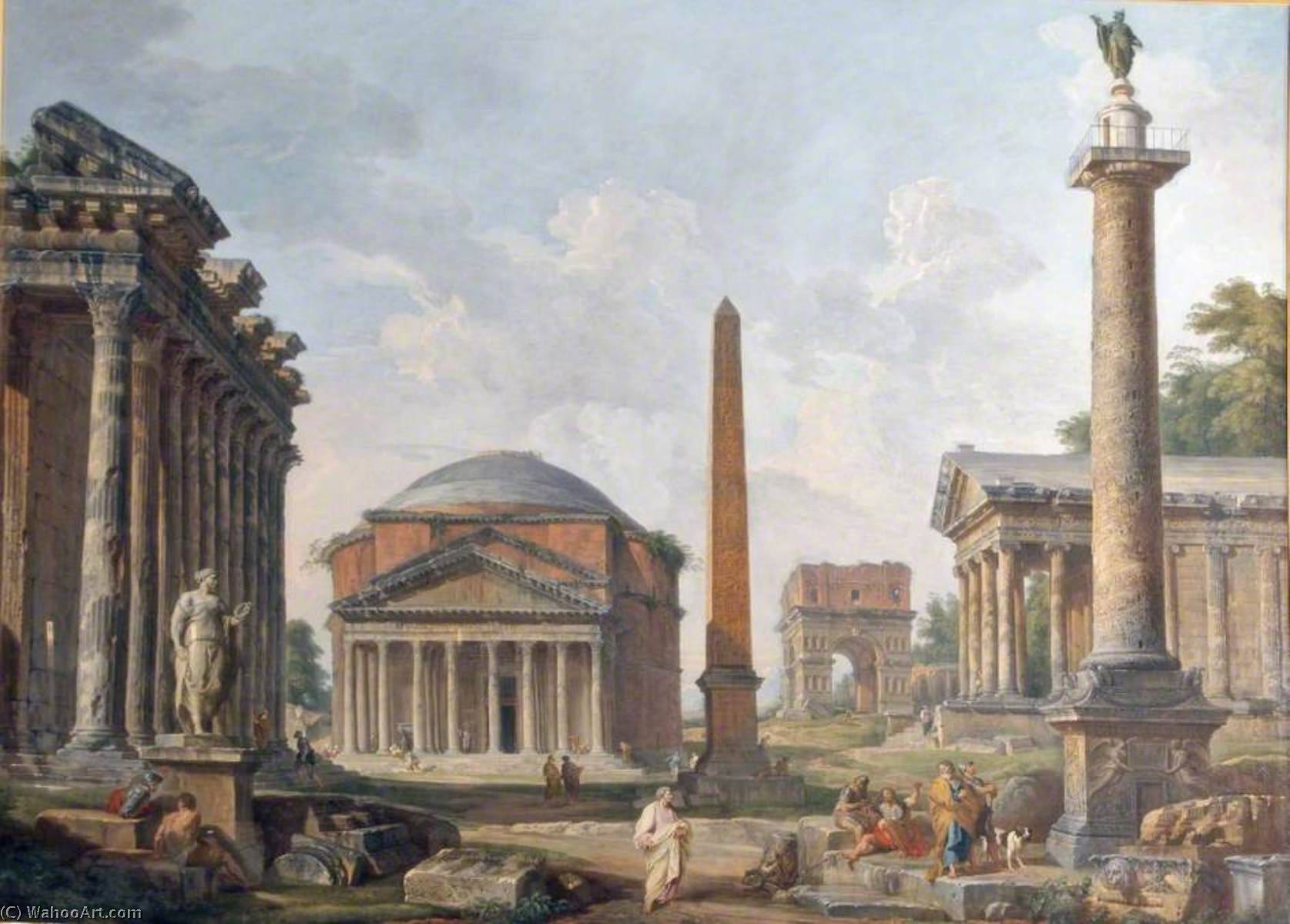
Ruins of Rome
 Oil On Canvas
- WallArt
- Baroque
 1741
1741 173.0 x 221.0 cm
 ウォーカー・アート・ギャラリー
 詳細を見る
詳細を見る
ジークレー/アートプリント
迅速な制作と多彩な仕上げオプションを備えた、ミュージアムクオリティのジークレーまたはキャンバスプリント。 ( 手描きの絵画を購入 画像を購入)




P118B $10

P118H $10

P118W $10

P438Z $10

P508JH $12

P508YH $12

P805H $10

P805Z $10

P919BZ $10

P919G $10

P919XJ $10

P959ZH $10

P968JZ $12

W106C $8

W218G $10

W218JH $8

W218Y $10

W307PJ $10

W316G $10

W316PJ $8

W316Y $10

W398PJ $8

W4111J $10

W500HY $15

W500JH $15

W692G $12

W849H $8

W940BG $15

W953PJ $8




作品のオリジナル比率に合わせた、当店の規定サイズからお選びください。

特定のフレームやスペースに合わせて、ご自身でサイズを指定することも可能です。選択されたサイズが元の画像の比率と一致しない場合、作品をトリミングするか、鏡面反射または単色での塗りつぶしによって画像を拡張いたします。制作を開始する前に、ご確認用のデジタルモックアップをお送りいたします。
画面上のプレビューには、実際のトリミングや拡張は反映されませんのでご注意ください。最終的な構図を正確に確認できるのは、モックアップのみとなります。
カスタムサイズも承っておりますが、元の比率を維持するためには、あらかじめ用意されたリストからサイズを選択することをお勧めいたします。


 ガラスオプションは、110cm未満のサイズでのみご利用いただけます。

Ruins of Rome
ジークレー/アートプリント
複製画のサイズ
-


合計金額
$ 62
作品詳細説明
Ruins of Rome: A Vision of Grandeur and Decay
Giovanni Paolo Panini’s “Ruins of Rome,” painted in 1741, isn't merely a depiction of ancient stones; it’s an immersive experience, a carefully constructed illusion designed to evoke the majesty and lingering melancholy of a lost empire. This oil on canvas masterpiece, currently residing within the Walker Art Gallery in Liverpool, transports the viewer to a meticulously rendered Roman landscape – a place where crumbling temples stand sentinel over verdant hillsides, and the echoes of a glorious past resonate through every weathered column. Panini, a master of the “veduta,” or cityscape painting, possessed an extraordinary ability to blend meticulous observation with a generous dose of artistic license, creating scenes that are both historically informed and profoundly romantic.
The painting’s genesis lies in the burgeoning fascination with antiquity during the 18th century. Europe was experiencing a renewed interest in classical Rome, fueled by archaeological discoveries and a desire to recapture the perceived virtues of republicanism and civic pride. Panini, deeply influenced by the theatrical designs of Francesco Galli-Bibiena – a stage designer who had instilled in him a keen understanding of perspective and dramatic composition – skillfully captured this spirit. He wasn’t simply painting ruins; he was reconstructing a vanished world, imbuing it with an aura of timeless beauty and poignant loss. The inclusion of figures engaged in conversation and contemplation further enhances the sense of human connection to this monumental past, suggesting that even amidst decay, life continues to find meaning within the remnants of civilization.
A Symphony of Light and Shadow – Technique and Style
Panini’s technique is a testament to his mastery of illusionistic realism. He employs a complex system of linear perspective, meticulously layering brushstrokes to create an astonishing sense of depth and spatial coherence. The obelisk dominating the foreground, rendered with sharp detail and carefully modulated light, anchors the scene and draws the eye into the receding landscape. Notice how he utilizes chiaroscuro – the dramatic contrast between light and shadow – to sculpt the forms of the ruins, emphasizing their weathered surfaces and highlighting key architectural features. The use of warm ochres, browns, and grays dominates the palette, reflecting the aged stone and lending a sense of earthy authenticity to the scene. Yet, subtle hints of red and yellow in the clothing of the figures introduce a vibrant counterpoint, preventing the composition from becoming overly somber.
The painting’s style leans heavily into the principles of Baroque illusionism, reminiscent of artists like Andrea Pozzo, but with Panini's unique touch. He doesn’t aim for photographic accuracy; instead, he prioritizes creating a convincing *impression* of reality – a world that feels both familiar and utterly fantastical. The inclusion of elements such as trees, bushes, and even a horse adds to this sense of heightened realism, grounding the scene in a believable landscape while simultaneously elevating it to an idealized vision of Rome.
Symbolism and Emotional Resonance
“Ruins of Rome” is rich with symbolic meaning. The decaying architecture represents not just the literal fall of the Roman Empire but also the transience of human power, ambition, and glory. The ruins themselves become a metaphor for memory – a reminder that even the most impressive achievements are ultimately subject to time’s relentless passage. The figures within the scene, engaged in quiet contemplation, invite us to reflect on our own place within history and the enduring legacy of the past. The painting's overall mood is one of melancholic beauty, a poignant blend of grandeur and decay that speaks to the bittersweet nature of human existence.
The inclusion of the obelisk, a symbol of Egyptian power and authority, subtly underscores the continuity of civilization across vast stretches of time. It’s a deliberate juxtaposition – a reminder that Rome inherited and built upon the traditions of earlier empires. The painting, therefore, isn't simply a record of the past; it’s an exploration of how history shapes our present and informs our future.
Bringing “Ruins of Rome” Home
Reproductions of Panini’s “Ruins of Rome” offer a remarkable opportunity to bring this iconic masterpiece into your own space. Created using the same meticulous techniques and high-quality materials as the original, these reproductions faithfully capture the painting's breathtaking detail and evocative atmosphere. Whether adorning a grand salon or a more intimate setting, this artwork will undoubtedly serve as a captivating conversation piece – a testament to the enduring power of art to transport us to another time and place. Explore exquisite hand-painted oil reproduction at https://ArtsDot.com.
関連作品
アーティストの略歴
ローマの幻影を紡ぐ巨匠:ジョヴァンニ・パオロ・パニーニの生涯と芸術
ジョヴァンニ・パオロ・パニーニ。その名は18世紀ローマの壮麗さとロマンティックな魅力を象徴し、単なる画家というよりも、記憶の視覚的建築家と言えるでしょう。1691年にピアチェンツァに生まれた彼は、ジュゼッペ・ナターリとアンドレア・ガルッツィのもとで芸術の道を歩み始めましたが、真に彼の想像力を掻き立てたのは、フランチェスコ・ガッリ=ビビーナの舞台美術でした。幼少期からの舞台装置への没頭は、その後の作品に劇的な構成と幻想的な空間を与える深い影響を与えました。1711年、パニーニはすでに芸術の歴史が深く刻まれた都市ローマへと移り住み、ベネデット・ルティの指導のもとで絵画技術を磨き、未来の遠近法における彼の卓越性の基礎を築きました。フレスコからヴェドゥータへ:芸術様式の進化
パニーニが当初成功を収めたのは、キャンバス画家としてではなく、宮殿の装飾家としての活動でした。彼のフレスコ画は、ヴィラ・パトリッツィ(1719-1725年)、パラッツォ・デ・カロリス(1720年)、セミナリオ・ロマーノ(1721-1722年)といったローマの著名な邸宅の壁を飾りました。これらの初期の依頼は、彼の技術的な熟練度を高め、ローマの芸術界における評判を確立する機会となりました。しかし、彼が最終的にその遺産を決定づけたのは、*ヴェドゥータ*、つまり風景画への傾倒でした。それまでの地形画家たちが正確な記録に焦点を当てていたのとは異なり、パニーニはローマの描写に想像力豊かな再構築の要素を取り入れました。彼は単に見るものを記録するのではなく、既存の建造物と古代遺跡の断片、そして奇想天外な建築的要素を融合させ、それを再構築しました。この手法はしばしば*カプリッチョ*と呼ばれ、彼が歴史が重なり合うローマの精神をとらえた、認識可能でありながら夢のような情景を生み出すことを可能にしました。1719年のパンテオンの芸術家組合への入会は、ローマの芸術界における彼の地位が高まっていることを示し、彼はすぐにグランド・ツアーに参加する裕福なヨーロッパ人旅行者から求められるアーティストとなりました。遺跡の魅力とパニーニ投影法
パニーニが遺跡に魅了されたのは、単なる美的選択ではありませんでした。それは、古典古代への関心の高まりと、その儚さに対するメランコリックな意識という、当時のより広範な知的潮流を反映していました。彼はパンテオン、コロッセオ、フォロ・ロマーノといった象徴的なランドマークを巧みに描き出し、しばしば劇的な照明と大気効果の中で表現しました。しかし、それで終わりではありませんでした。彼は頻繁に異なる構造物の要素を単一の構図に組み合わせ、ローマの建築遺産を称えながら、その衰退状態も同時に認める幻想的なビジョンを作り出しました。この革新的な遠近法へのアプローチ—説得力のある奥行きと空間の錯覚を生み出す彼の能力—は、「パニーニ投影法」として知られる技術の開発につながりました。この投影法により、アーティストは広角シーンを正確に表現することが可能になり、建築レンダリングや風景画にとって非常に貴重なものとなりました。影響と遺産:芸術史への永続的な影響
ジョヴァンニ・パオロ・パニーニの影響力は、彼の生涯を超えて広がりました。彼はサン・ルカ美術アカデミーとローマのフランスアカデミーの両方で尊敬される教師であり、一世代のアーティストたちの芸術的感性を形作りました。彼の弟子の一人であるユベール・ロベールは、遺跡を描いた画家として同等の名声を得ましたが、より露骨なロマン主義的な感性を持っていました。パニーニのスタイルは、アントニオ・ジョリやシャルル=ルイ・クレリソーといった他の*ヴェドゥータ*画家たちにも共鳴し、彼らに建築画の可能性を探求するよう促しました。彼の作品は現在、プラド美術館、ルーブル美術館、ナショナル・カポディモンテ美術館など、世界中の著名なコレクションに所蔵されており、その永続的な魅力を証明しています。今日パニーニの世界を探求する
今日、私たちは数多くの複製や展覧会を通して、パニーニの作品の魅力的な美しさを体験することができます。彼の絵画は、歴史、芸術、そして知的好奇心に満ちた18世紀ローマへのユニークな窓を提供します。彼の遠近法の巧みな使い方、想像力豊かな構図、そして遺跡の鮮やかな描写を検証することで、彼の技術的なスキルだけでなく、時間、記憶、そして芸術の永続的な力に対する深い理解を評価することができます。- 作品を探求する:ディアナ神殿、サン・ピエトロ大聖堂内部、パンテオン内部。
- さらに研究する:Wikipediaや国立美術館などのリソースを通して、パニーニの生涯と作品について詳しく調べてください。
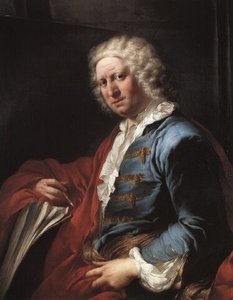
ジョヴァンニ・パオロ・パニーニ
1691 - 1765
関連記事

バロックのドラマ:現代のインテリアに壮麗さと情感を取り込む
バロック様式の歴史、絵画、家具の魅力をご紹介。ArtsDotでは、高品質な油絵複製やカスタムポートレートをご提供し、現代のインテリアに壮麗さと情感を取り入れます。アートコンサルテーションも承ります。
Simon Vouet: A Baroque Master's Journey from Italian Influence to French Classicism
Explore the life & art of Simon Vouet, a pivotal French Baroque painter who introduced Italian styles to France. Discover his masterpieces and lasting influence on 17th-century art.

バロック美術を極めた至宝:時代を彩る10大名作の世界
バロック美術の華!カラヴァッジョ、ベルニーニら巨匠が創り上げた10大名作を徹底解剖。ドラマチックな色彩と豪華絢爛の世界観に触れ、至宝のアートプリントで空間を彩ろう。ArtsDot.comで美術館品質の複製と洗練されたインテリアを見つけましょう!
Pietro da Cortona: Baroque Grandeur & the Synthesis of Roman Painting
Explore the life & masterpieces of Pietro da Cortona, a defining figure of the Italian Baroque. Discover his stunning frescoes at Palazzo Barberini and lasting influence on Roman art history. Learn more with ArtsDot.

The Dramatic Flourish: Exploring the Baroque Movement's Enduring Legacy in Art History
Explore the dramatic world of Baroque art! Discover iconic artists like Caravaggio & Rubens, defining techniques, and its lasting impact on art history. Expert insights for collectors & enthusiasts at ArtsDot.

