

 プレビュー
プレビュー
 シェアする
シェアする シェアする
シェアする
 詳細を見る
詳細を見る

 ダウンロード
 似ている作品
 X線調査
X線調査 スライドショー
 統計情報
統計情報The Angel of Life


 詳細を見る
詳細を見る
ジークレー/アートプリント
迅速な制作と多彩な仕上げオプションを備えた、ミュージアムクオリティのジークレーまたはキャンバスプリント。 ( 手描きの絵画を購入 デジタル画像販売へ切り替え)




P118B $10

P118H $10

P118W $10

P438Z $10

P508JH $12

P508YH $12

P805H $10

P805Z $10

P919BZ $10

P919G $10

P919XJ $10

P959ZH $10

P968JZ $12

W106C $8

W218G $10

W218JH $8

W218Y $10

W307PJ $10

W316G $10

W316PJ $8

W316Y $10

W398PJ $8

W4111J $10

W500HY $15

W500JH $15

W692G $12

W849H $8

W940BG $15

W953PJ $8




作品のオリジナル比率に合わせた、当店の規定サイズからお選びください。

特定のフレームやスペースに合わせて、ご自身でサイズを指定することも可能です。選択されたサイズが元の画像の比率と一致しない場合、作品をトリミングするか、鏡面反射または単色での塗りつぶしによって画像を拡張いたします。制作を開始する前に、ご確認用のデジタルモックアップをお送りいたします。
画面上のプレビューには、実際のトリミングや拡張は反映されませんのでご注意ください。最終的な構図を正確に確認できるのは、モックアップのみとなります。
カスタムサイズも承っておりますが、元の比率を維持するためには、あらかじめ用意されたリストからサイズを選択することをお勧めいたします。


 ガラスオプションは、110cm未満のサイズでのみご利用いただけます。

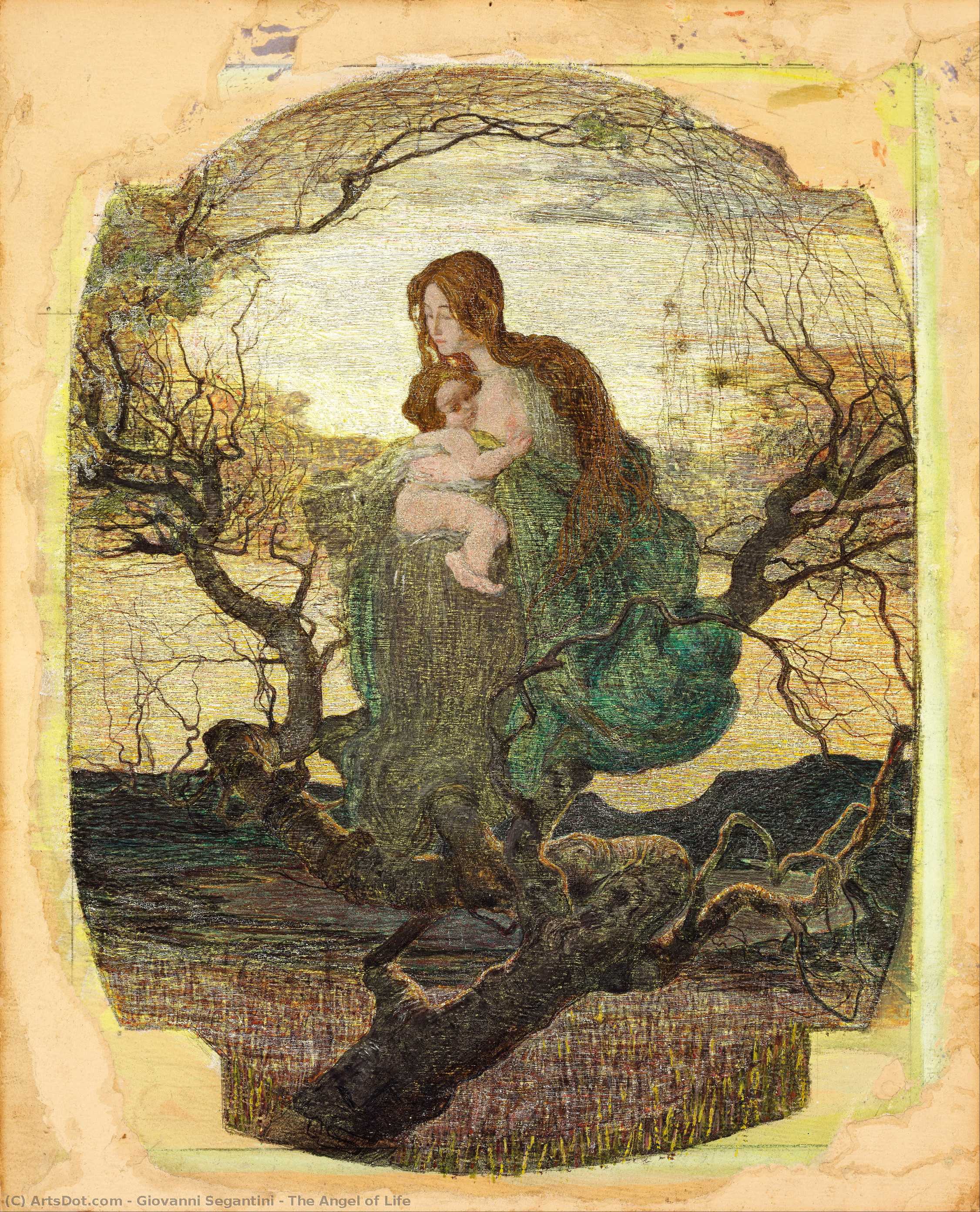
The Angel of Life
ジークレー/アートプリント
複製画のサイズ
-


合計金額
$ 62
Giovanni Segantini’s “The Angel of Life”: A Vision of Alpine Grace
Giovanni Segantini's "The Angel of Life," painted in 1895, is more than just a depiction of a mother and child; it’s a profound meditation on motherhood, faith, and the sublime beauty of the Italian Alps. This monumental canvas, measuring an impressive size (though exact dimensions remain unknown), immediately draws the viewer into a world of ethereal light and quiet reverence. Segantini, a master of Divisionism – a technique emphasizing broken color and shimmering effects – here employs it not merely as a stylistic choice but as a means to evoke the spiritual essence of his subject.
The scene unfolds within a rugged, snow-dusted landscape, instantly recognizable as the dramatic peaks of the Lombardy Alps. The woman, rendered with an almost luminous quality, is undeniably an angelic figure, her long hair cascading down her shoulders and framing a face that radiates serenity. Her posture is one of gentle strength, cradling her infant with unwavering tenderness. The baby, nestled close to her chest, mirrors her peaceful expression, suggesting a deep connection between mother and child – a bond that transcends the earthly realm. The two birds subtly placed in the composition—one near the upper left corner, another towards the lower right—add an element of symbolic grace, representing hope and divine guidance.
Divisionism and the Pursuit of Light
Segantini’s artistic approach is central to understanding “The Angel of Life.” He was a devoted practitioner of Divisionism, pioneered by Jules Chéret. This technique involved applying paint in tiny, separate strokes of pure color – often achieved through layering translucent glazes – which were then optically blended by the viewer's eye. This method allowed Segantini to capture the fleeting effects of light and atmosphere with remarkable precision. Notice how the sunlight seems to cascade across the woman’s face and body, creating a shimmering, almost otherworldly glow. The broken color creates an incredible sense of depth and movement within the landscape, mirroring the dynamism of nature itself.
He meticulously built up layers of paint, often using multiple colors simultaneously beneath the surface, resulting in a rich tapestry of hues that shift and change depending on the angle of observation. This technique wasn’t simply about visual effect; it was a deliberate attempt to capture the very essence of light – its ephemeral quality, its ability to transform and illuminate. Segantini's dedication to this method is evident in every brushstroke, creating an immersive experience for the viewer.
A Painter Shaped by Struggle
The story of Giovanni Segantini’s life is inextricably linked to his art. Born in Graz, Austria, in 1858, he faced considerable hardship early on, marked by poverty and a difficult childhood. Orphaned at a young age, he spent time in a Milanese reformatory where his artistic talent was recognized. Despite limited formal education, Segantini relentlessly pursued his passion, developing a unique style deeply rooted in the landscapes of the Italian Alps. His life was tragically cut short in 1899, but his legacy endures through works like “The Angel of Life,” which embodies his profound connection to nature and his unwavering belief in the power of beauty.
Symbolism and Emotional Resonance
Beyond its technical brilliance, "The Angel of Life" is rich in symbolism. The mother-child figure represents not only the sanctity of family but also a deeper spiritual concept – the embodiment of divine grace and creation. The setting within the Alps evokes a sense of timelessness and connection to something larger than oneself. The painting’s overall mood is one of profound peace, serenity, and hope. It invites contemplation on themes of love, faith, and the enduring beauty of the natural world. “The Angel of Life” continues to resonate with viewers today, offering a glimpse into a world where art transcends mere representation and becomes a vehicle for spiritual expression.
関連作品
アーティストの略歴
ジョヴァンニ・セガンティーニ:アルプスに捧げた生涯
- 生誕: 1858年1月15日、アルコ(当時はオーストリア=ハンガリー帝国領)
- 没去: 1899年8月10日、ソンドリオ近郊のスキアーヴィ・ディ・アッベマッジョーレ(イタリア)
ジョヴァンニ・セガンティーニは、アルプスの牧歌的な風景を描いたイタリア人画家として知られています。彼の人生は苦難と芸術的成功に彩られ、分割主義と象徴主義のイメージを融合させた独自のスタイルを確立しました。
幼少期と苦悩
- 厳しい始まり: セガンティーニの幼少時代は貧困に満ちていました。父は出稼ぎの商人であり、母がほとんど一人で彼を育てました。
- 孤児院と更生施設: 母の死後、彼は家を出奔し、ミラノの更生施設に入ることになりました。そこでチャプレン(司祭)が彼の芸術的才能を見抜き、育成を促しました。
- 独学: 正式な教育はほとんど受けていませんでしたが、セガンティーニは後に読み書きを独学で習得し、驚くべき決意を示しました。
- 初期のキャリア: 真剣に絵画に取り組む前に、彼は写真店の助手として働いていました。
芸術的発展と影響
- ブレラ美術アカデミーでの修行: セガンティーニはミラノの名門ブレラ美術アカデミーに通い、スカピリアトゥーラ運動の重要な人物たちに出会いました。このグループは、従来の芸術的慣習を拒否し、生の現実を受け入れることを提唱しました。
- 主要な影響: 彼の作品は、ヴィットリオ・グルビチ・デ・ドラゴンを通じて彼に紹介されたアントン・マウヴェとジャン=フランソワ・ミレーの影響を強く受けました。これらの画家たちは、写実主義と農村生活の描写を重視しました。
- 分割主義: セガンティーニは分割主義の絵画手法を採用しました。これは、キャンバス上に純粋な色を小さな点や筆致で並べる技法です。この技法は、鑑賞者の目で光学的な混合を生み出し、鮮やかで光り輝く効果をもたらすことを目指しました。
- 象徴主義: 分割主義に加えて、セガンティーニは彼の作品に象徴主義の要素を取り入れ、風景に深い意味と人生、死、精神性を表す寓意的な表現を込めました。
主要な作品とテーマ
- 初期の成功: 彼の絵画「サンタンティニオの聖歌隊」は、その力強い質が認められ、ミラノのSocietà per le Belle Artiによって購入されました。
- アルプスの風景: セガンティーニは最もよく知られているのは、アルプスの壮大さと静けさを描いた作品です。彼は単なる物理的な美しさだけでなく、これらの風景の精神的な本質を描こうとしました。
- 注目すべき絵画: 彼の最も有名な作品には以下が含まれます。
- 二人の母 (Le due Madri) - 母性と農村生活を痛切に描いた作品。
- 人生 (La Vita) – アルプスの美しさと人間のつながりの本質をとらえています。
- 泉の女 (Donna alla fonte) – アルプスにある泉のそばで働く女性の穏やかな情景を描いています。(Alpenlandschaft mit Frau am Brunnenとしても知られています。)
- 靴下を編む少女(Ragazza che fa la calza) - 美しい象徴主義の絵画で、女性と羊が描かれています。
- 贅沢者の罰 (Il castigo delle lussuriose) – 道徳と自然というテーマを探求した不気味な作品です。
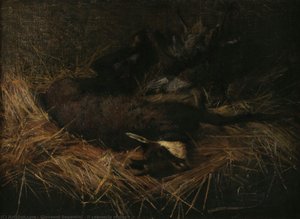
- 晩年: 彼は生涯の最後の数年間をスイスで過ごし、「死んだ雄鹿(Capriolo morto)」など、最も重要な作品を生み出しました。これは、死の儚さを深く表現した感動的な絵画です。
遺産と歴史的意義
- 独自の芸術スタイル: セガンティーニの分割主義と象徴主義の融合は、彼を同時代の人々から際立たせる独特なスタイルを生み出しました。
- アルプスの精神をとらえる: 彼はアルプス風景を描いた最も重要な画家の一人として記憶されており、その美しさと精神的な重要性を成功裏に表現しました。
- 後世の芸術家への影響: 色と光の革新的な使用は、後の世代の芸術家に影響を与えました。
- 継続的な評価: 今日、セガンティーニの作品は世界中の主要な美術館で展示されており、彼の遺産は傑出した画家としての地位を確立し続けています。
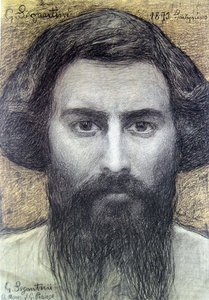
ジョヴァンニ・セガンティーニ
1858 - 1899 , オーストリア
基本情報
- Artistic Movement Or Style: 象徴主義、分割主義
- Artists Who Influenced This Artist:
- アントン・マウヴェ
- ジャン=フランソワ・ミレー
- Date Of Birth: 1858年1月15日
- Date Of Death: 1899年8月10日
- Full Name: ジョヴァンニ・セガンティーニ
- Nationality: イタリア人
- Notable Artworks (List Of Titles):
- 聖アントニオの礼拝堂
- 洗濯婦
- 生命
- 泉の女
- 靴下を編む少女
- Place Of Birth (City And Country): アルコ、オーストリア
関連記事
Giovanni Boldini: A Study in Belle Époque Portraiture & the Cult of Personality
Explore the captivating world of Giovanni Boldini, master of Belle Époque portraiture. Discover his signature style, iconic works like 'Miss Bell,' and lasting influence on art history. Expert analysis for collectors.
Giovanni Giacometti: Sculpting Existentialism – A Study of Form, Space, and the Human Condition
Explore the profound artistic journey of Giovanni Giacometti, father to Alberto. Discover his unique transition from Surrealism to Existentialist sculpture and painting – a compelling study for elite collectors and art enthusiasts.
Celestial Messengers: A Comprehensive Exploration of Angelic Representation in Art History
Explore the captivating history of angels in art! Discover symbolism, iconic Renaissance masterpieces & renowned artists. Expert insights for art lovers & collectors at ArtsDot.
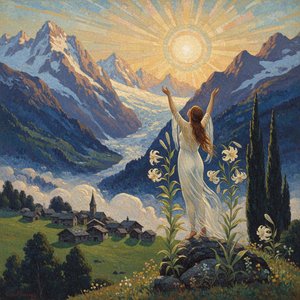
Giovanni Segantini: Capturing Alpine Light & Symbolist Visions
Explore the captivating world of Giovanni Segantini, master of Alpine landscapes & Symbolist art. Discover his innovative techniques, allegorical masterpieces like 'La Vita,' and enduring legacy. Learn about this pivotal 19th-century Italian painter.
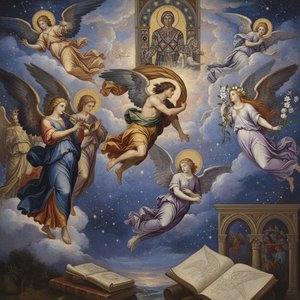
Celestial Messengers: Angels in Painting – A Historical & Artistic Exploration
Explore the captivating history of angels in painting! Discover symbolism, iconic Renaissance & Byzantine masterpieces, and renowned artists. Expert insights for art lovers & collectors at ArtsDot.