

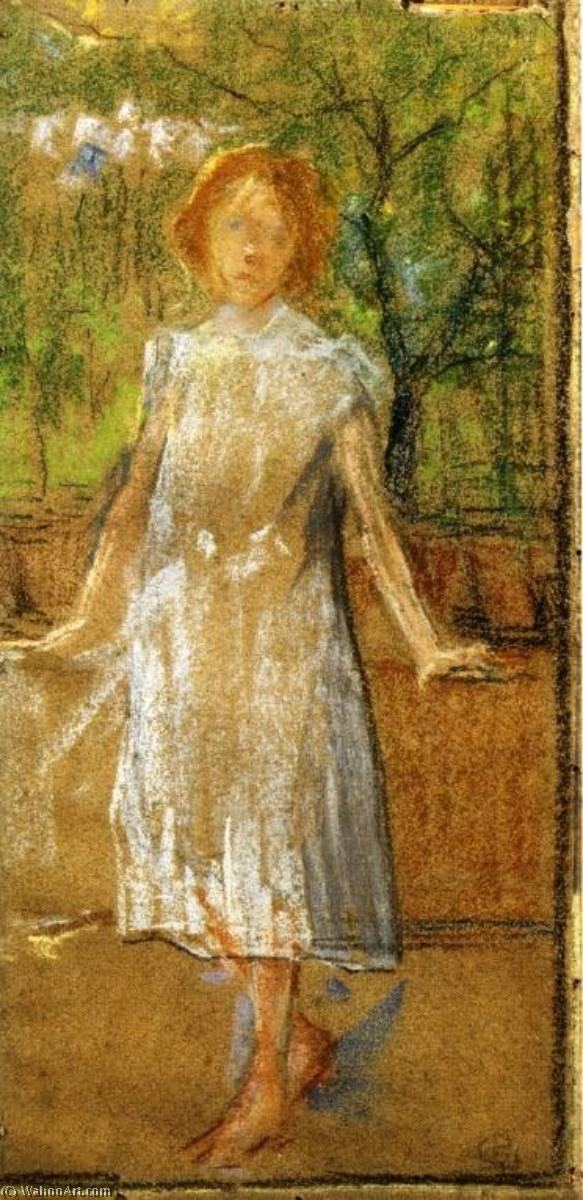
 プレビュー
プレビュー
 シェアする
シェアする シェアする
シェアする
 詳細を見る
詳細を見る

 ダウンロード
 似ている作品
 X線調査
X線調査 スライドショー
Girl in a White Dress
 詳細を見る
詳細を見る
ジークレー/アートプリント
迅速な制作と多彩な仕上げオプションを備えた、ミュージアムクオリティのジークレーまたはキャンバスプリント。 ( 手描きの絵画を購入 画像を購入)




































作品のオリジナル比率に合わせた、当店の規定サイズからお選びください。

特定のフレームやスペースに合わせて、ご自身でサイズを指定することも可能です。選択されたサイズが元の画像の比率と一致しない場合、作品をトリミングするか、鏡面反射または単色での塗りつぶしによって画像を拡張いたします。制作を開始する前に、ご確認用のデジタルモックアップをお送りいたします。
画面上のプレビューには、実際のトリミングや拡張は反映されませんのでご注意ください。最終的な構図を正確に確認できるのは、モックアップのみとなります。
カスタムサイズも承っておりますが、元の比率を維持するためには、あらかじめ用意されたリストからサイズを選択することをお勧めいたします。


 ガラスオプションは、110cm未満のサイズでのみご利用いただけます。

Girl in a White Dress
ジークレー/アートプリント
複製画のサイズ
-


合計金額
$ 62
関連作品
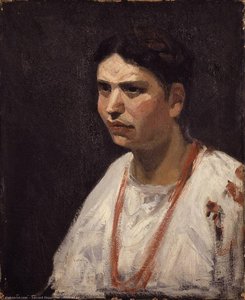
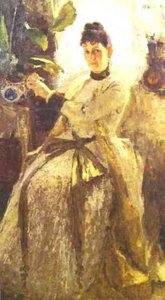
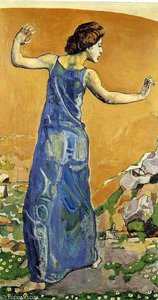
アーティストの略歴
Giovanni Sottocornola (1855 - 1917): A Painter of Alpine Light and Human Emotion
Giovanni Sottocornola was born in Milan in 1855, into a family of modest means. His early life instilled in him a profound appreciation for the natural world—a fascination that would profoundly shape his artistic vision. From a young age, he demonstrated an exceptional talent for drawing and painting, honing his skills through self-study and informal instruction. Recognizing his potential, he enrolled at the Brera Academy of Fine Arts in 1875, where he studied under Raffaele Casnedi and Giuseppe Bertini until 1880, forging connections with fellow students who would become lifelong collaborators—Gaetano Previati, Emilio Longoni, and Giovanni Segantini. This formative period exposed him to the burgeoning Symbolist movement and cemented his commitment to capturing the essence of human experience through evocative imagery.- Early Artistic Influences: Sottocornola’s initial artistic explorations were heavily influenced by Impressionism and Realism, particularly the works of Gustave Courbet and Jean-François Millet. These artists championed a truthful depiction of everyday life and celebrated the beauty of rural landscapes—values that resonated deeply with Sottocornola's sensibilities.
- Divisionist Technique: He quickly embraced the Divisionist technique pioneered by Georges Seurat and Paul Signac, meticulously applying small dots of color to create shimmering surfaces and conveying atmospheric effects with remarkable precision. This method allowed him to achieve unprecedented levels of luminosity and textural complexity, as exemplified in paintings like “The Worker’s Dawn” (1897), which powerfully portrays the dignity of labor amidst the industrial landscape of Milan.
Milanese Landscapes and Portraiture: Capturing Essence
Sottocornola established himself as a respected artist in Milan, where he cultivated a prolific output encompassing landscapes, portraits, and genre scenes—often infused with familial warmth and tenderness. His depictions of the Lombard Alps—particularly during his stays in Como and Bergamo—became iconic representations of Alpine beauty, characterized by luminous color palettes and meticulous attention to detail. He skillfully captured not only the visual splendor of the mountains but also their spiritual significance, reflecting a humanist ethos that permeated his oeuvre. Simultaneously, he excelled as a portraitist, producing evocative portraits that conveyed psychological depth and capturing the subtle nuances of human emotion—a testament to his artistic sensitivity and technical mastery. Notable works include “Girl in White Dress” (1908), which exemplifies his ability to convey profound emotion through understated composition and delicate brushwork.- Notable Landscapes: Among Sottocornola’s most celebrated landscapes are “Campo di Santi Giovanni e Paolo,” a panoramic vista of Venice's Campo San Polo, and “Veduta lacustre,” capturing the serene beauty of Lake Como.
- Portraiture Style: His portraits often featured intimate poses and expressive gazes, reflecting his desire to portray subjects with honesty and compassion—a hallmark of his artistic approach.
Symbolist Vision and Artistic Legacy
Giovanni Segantini’s influence on Sottocornola extended beyond mere stylistic imitation; he instilled in him a belief in the power of art to communicate spiritual truths and elevate human consciousness. Like Segantini, Sottocornola sought inspiration from folklore and mythology—drawing upon these sources to imbue his paintings with symbolic resonance. His magnum opus, “La Vita” (1897), is considered one of the most poignant expressions of Symbolist art, depicting a shepherdess tending her flock under the watchful gaze of Saint John the Baptist—a masterful synthesis of visual beauty and spiritual contemplation.Recognition and Influence
Giovanni Sottocornola’s artistic achievements garnered considerable acclaim during his lifetime, securing him membership in prestigious artistic organizations such as the Accademia Italiana di Belle Arti di Venezia and the Società Italiana di Geografia Artistica e Scientifica. His work continues to inspire artists today—demonstrating the enduring power of Symbolist aesthetics and the timeless appeal of capturing human emotion with unwavering sincerity. He died peacefully in Milan in 1917, leaving behind a legacy as one of Italy’s foremost landscape painters and portraitists—a testament to his artistic vision and unwavering dedication to craft.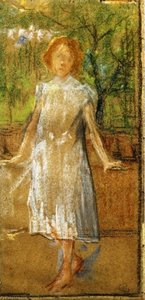
giovanni sottocornola
1855 - 1917
基本情報
- Artistic Movement Or Style: Realist Painting
- Artists Or Movements Influenced By This Artist: ['Giovanni Segantini']
- Artists Who Influenced This Artist:
- Luca della Robbia
- Giuseppe Bertini
- Date Of Death: 1917
- Full Name: Giovanni Sottocornola
- Nationality: Italian
- Notable Artworks: ['Girl in a White Dress']
- Place Of Birth: Milan, Italy

