

 プレビュー
プレビュー
 プリントを購入
 シェアする
シェアする シェアする
シェアする
 詳細を見る
詳細を見る

 ダウンロード
 似ている作品
 X線調査
X線調査 スライドショー
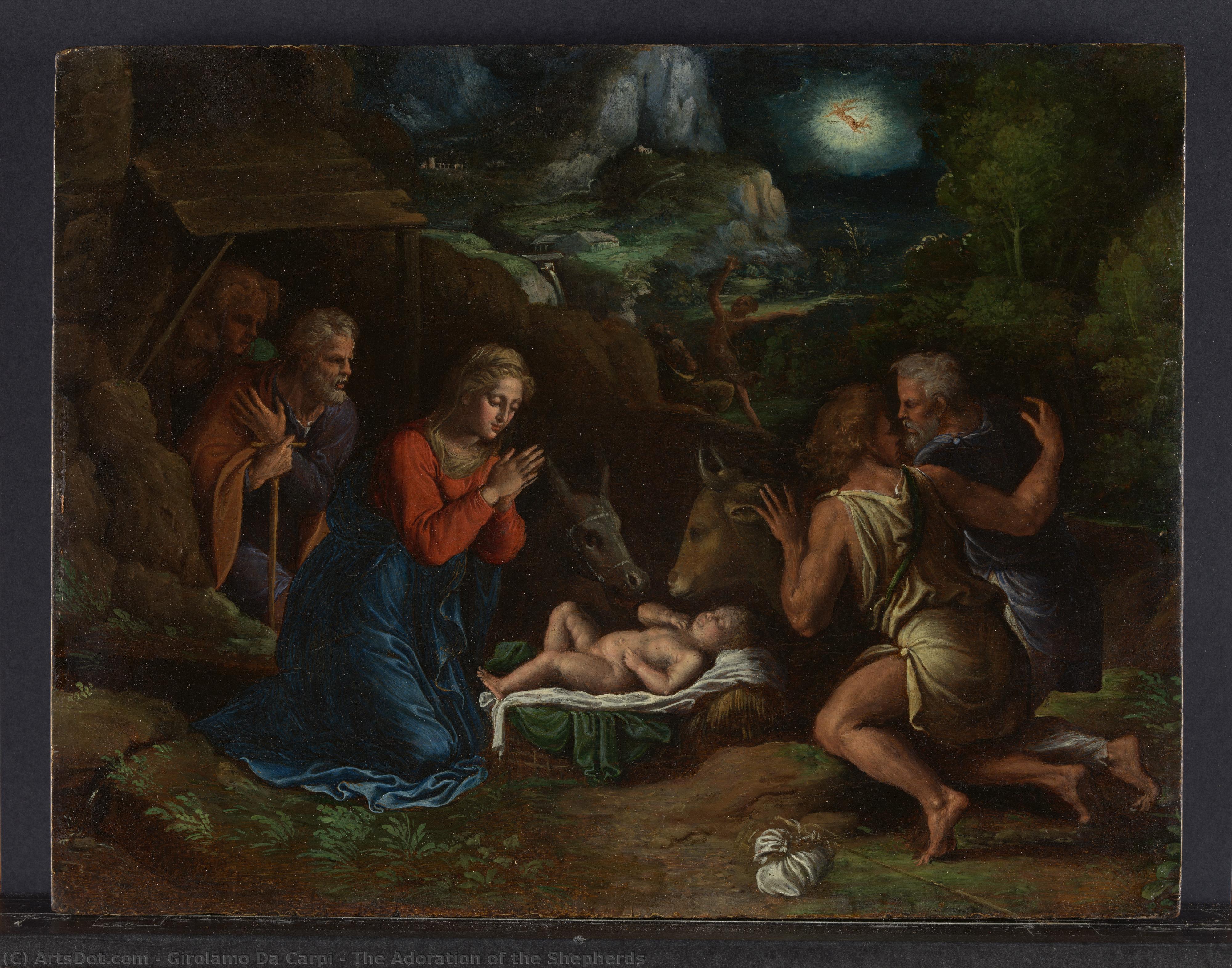
The Adoration of the Shepherds
 Oil On Panel
- WallArt
- Baroque
 1535
1535- Renaissance
 31.0 x 41.0 cm
 メトロポリタン美術館
 詳細を見る
詳細を見る




P118B $10

P118H $10

P118W $10

P438Z $10

P508JH $12

P508YH $12

P805H $10

P805Z $10

P919BZ $10

P919G $10

P919XJ $10

P959ZH $10

P968JZ $12

W106C $8

W218G $10

W218JH $8

W218Y $10

W307PJ $10

W316G $10

W316PJ $8

W316Y $10

W398PJ $8

W4111J $10

W500HY $15

W500JH $15

W692G $12

W849H $8

W940BG $15

W953PJ $8




作品のオリジナル比率に合わせた、当店の規定サイズからお選びください。

特定のフレームやスペースに合わせて、ご希望のサイズをご入力いただけます。選択されたサイズが元の画像の比率と異なる場合、アートワークをトリミングするか、手描きで要素を追加して絵画を拡張いたします。デジタルモックアップ を制作し、制作開始前にご確認(承認)をいただきます。
画面上のプレビューは、実際のトリミングや拡張を正確に反映しているものではありません。最終的な構図は、モックアップによってのみ正確にご確認いただけます。
カスタムサイズもご利用いただけますが、元の比率を維持するためには、あらかじめ用意されたリストからサイズを選択することをお勧めいたします。
ご注文後、ArtsDot.com チームより詳細な指示をお送りするとともに、仕上がりイメージ(モックアップ)をご提供いたします。


 ガラスオプションは、110cm未満のサイズでのみご利用いただけます。

The Adoration of the Shepherds
複製技法
複製画のサイズ
-


合計金額
$ 338
A Nocturnal Revelation of Faith
In the quiet, shadowed depths of a rustic cave, Girolamo da Carpi invites us into a moment of profound celestial intimacy. "The Adoration of the Shepherds" is far more than a mere depiction of a biblical event; it is a masterclass in atmospheric storytelling that captures the very essence of a Renaissance reverie. As the eye wanders through this nocturnal tableau, it is immediately drawn to the radiant glow emanating from the infant Jesus, whose presence seems to pierce the surrounding darkness with divine light. This celestial luminescence illuminates the weathered faces of the kneeling shepherds and the tender features of the Virgin Mary, creating a sense of palpable reverence. The composition, rich with deep blues, earthy reds, and shimmering golds, wraps the viewer in a blanket of awe, making the scene feel less like a distant historical event and more like a living, breathing miracle occurring just before our eyes.The Alchemy of Light and Shadow
To behold this work is to witness the sophisticated interplay of Renaissance precision and Baroque drama. Da Carpi, deeply influenced by the classical ideals of Raphael and the burgeoning Mannerist style of Giulio Romano, employs a masterful use of chiaroscuro to sculpt form from the gloom. The dramatic contrast between light and shadow does more than just provide depth; it directs the emotional journey of the observer, pulling the gaze toward the sacred center. Through the strategic use of strong diagonal lines, the artist guides our eyes through the narrative, ensuring that the focus remains fixed on the miraculous encounter. Furthermore, the impasto technique—the thick, textured application of oil paint—adds a tactile dimension to the clothing and the rugged cave walls, lending a physical weight to the spiritual subject matter. For the discerning collector or interior designer, this interplay of texture and light offers a dynamic visual energy that can anchor a room with both sophistication and warmth.Symbolism and the Spirit of Ferrara
Rooted in the humanist fervor of the Este court in Ferrara, this painting serves as a bridge between the structured beauty of the High Renaissance and the emotional intensity of the era to follow. Every element within the frame is imbued with symbolic significance:- The star above represents divine guidance through the darkness of the world.
- The presence of humble animals evokes themes of innocence, peace, and earthly humility.
- The shepherds serve as the first witnesses, representing the accessibility of the divine to all of humanity.
関連作品

アーティストの略歴
Girolamo da Carpi: Bridging Renaissance and Mannerism in Ferrara
Girolamo da Carpi (c. 1501 – 1556) stands as a pivotal figure within the burgeoning artistic landscape of Renaissance Italy, specifically celebrated for his contributions to the Este court in Ferrara. Born Ferrera, he embarked on an artistic journey marked by apprenticeship under Benvenuto Tisi (il Garofalo), establishing a foundational connection with the stylistic currents shaping Bolognese painting during that era. By his early twenties, Da Carpi had relocated to Bologna, where he solidified his reputation as a proponent of the local Renaissance school, absorbing influences from luminaries like Lorenzo Costa and Raphael – artists whose mastery profoundly impacted his artistic sensibilities.- Early Training & Influences: His formative years witnessed immersion in the studio of a Bolognese painter deeply rooted in Florentine Mannerism, mirroring the stylistic innovations championed by Giulio Romano. This exposure cultivated an aesthetic that deftly blended traditional Renaissance ideals with the expressive distortions and psychological depth characteristic of Mannerist art.
- Roman Pilgrimage & Artistic Exploration: A significant turning point arrived during his travels to Rome and Bologna in the mid-1520s, where Da Carpi encountered the vibrant energy of Mannerist experimentation. This journey served as a catalyst for artistic growth, propelling him toward stylistic explorations that transcended simple categorization.
- Ferrara & Court Patronage: Returning to Ferrara, he secured prestigious commissions from the Este family, collaborating closely with Dosso Dossi and Garofalo on monumental projects reflecting the grandeur of the ducal court. His involvement in these ambitious undertakings cemented his position as a leading artist within Ferrara’s artistic milieu.
Notable Works & Artistic Style
Da Carpi's oeuvre encompasses a diverse range of subjects, demonstrating versatility and stylistic adaptability. Among his most celebrated paintings are “The Descent of the Holy Spirit” in St Francis Church at Rovigo—a masterful depiction of religious iconography imbued with luminous color palettes and dynamic composition—and “St Catherine at Bologna,” showcasing meticulous detail and refined artistic technique. Furthermore, “St George & St Jerome” exemplifies Da Carpi’s commitment to portraying saints with dignity and solemnity. His stylistic hallmark resides in a harmonious blend of Renaissance clarity and Mannerist dynamism, characterized by subtle distortions of form and heightened emotional expression—a testament to his ability to synthesize disparate influences into a cohesive artistic vision.- "The Adoration of the Shepherds" – This Baroque masterpiece showcases Raphael-inspired style & religious symbolism.
- "Medici and Monsignor Mario Bracci" - A Renaissance portrait highlighting Medici power & religious status.
- "The Rape of Ganymede" - Demonstrates Da Carpi’s stylistic adaptability.
Legacy & Artistic Pupils
Girolamo da Carpi's influence extended beyond his own artistic output, shaping the careers of several talented pupils who carried forward his stylistic innovations. Bartolomeo Faccini and Ippolito Costa emerged as prominent artists under Da Carpi’s tutelage, perpetuating his distinctive aesthetic within Bologna’s artistic community. His enduring legacy resides in his contribution to the evolution of Renaissance painting—specifically bridging the gap between Florentine Mannerism and Bolognese tradition—leaving an indelible mark on the artistic heritage of Italy.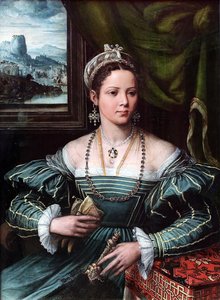
Girolamo da Carpi
1501 - 1556 , Italy
基本情報
- Artistic Movement Or Style: Mannerist Painting
- Artists Or Movements Influenced By This Artist: ['Giulio Romano']
- Artists Who Influenced This Artist:
- Benvenuto Garofalo
- Lorenzo Costa
- Raphael
- Date Of Birth: Ferrera, Italy (1501)
- Date Of Death: 1556
- Full Name: Girolamo da Carpi
- Nationality: Italian
- Notable Artworks:
- The Adoration of the Shepherds
- Medici and Monsignor Mario Bracci
- Place Of Birth: Ferrara
関連記事
レオナルド・ダ・ヴィンチ:至高の25選 - 芸術、科学、そして不朽の名作の世界
レオナルド・ダ・ヴィンチの至宝25選。モナリザ、最後の晩餐…ルネサンス美術を代表する名画の世界へ。芸術史、技法、そして感動の物語を紐解き、お部屋に飾る高級複製画で特別な空間を。ArtsDot.comで全コレクションをご覧ください。
Leonardo da Vinci: A Renaissance Master’s Synthesis of Art, Science & Human Observation – Reinterpreted for the Collector
Explore Leonardo da Vinci’s timeless masterpieces with ArtsDot. Discover insights into his art, science, and legacy – trusted expertise for discerning collectors seeking authentic reproductions & investment opportunities.

バロックのドラマ:現代のインテリアに壮麗さと情感を取り込む
バロック様式の歴史、絵画、家具の魅力をご紹介。ArtsDotでは、高品質な油絵複製やカスタムポートレートをご提供し、現代のインテリアに壮麗さと情感を取り入れます。アートコンサルテーションも承ります。

The Dramatic Flourish: Exploring the Baroque Movement's Enduring Legacy in Art History
Explore the dramatic world of Baroque art! Discover iconic artists like Caravaggio & Rubens, defining techniques, and its lasting impact on art history. Expert insights for collectors & enthusiasts at ArtsDot.

バロック美術を極めた至宝:時代を彩る10大名作の世界
バロック美術の華!カラヴァッジョ、ベルニーニら巨匠が創り上げた10大名作を徹底解剖。ドラマチックな色彩と豪華絢爛の世界観に触れ、至宝のアートプリントで空間を彩ろう。ArtsDot.comで美術館品質の複製と洗練されたインテリアを見つけましょう!

