

 プレビュー
プレビュー
 プリントを購入
 シェアする
シェアする シェアする
シェアする
 詳細を見る
詳細を見る

 ダウンロード
 似ている作品
 X線調査
X線調査 スライドショー
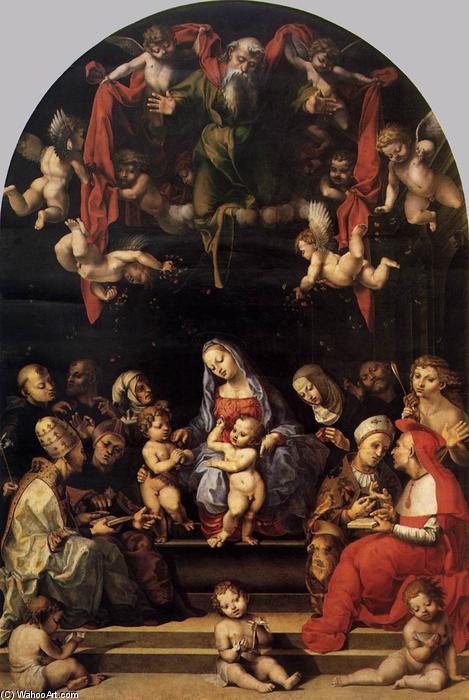
Virgin and Child with Saints
 Acrylic On Canvas
- WallArt
- Mannerist Drama
 438.0 x 290.0 cm
 ピナコテカ・ディ・ブレラ
 詳細を見る
詳細を見る




P118B $10

P118H $10

P118W $10

P438Z $10

P508JH $12

P508YH $12

P805H $10

P805Z $10

P919BZ $10

P919G $10

P919XJ $10

P959ZH $10

P968JZ $12

W106C $8

W218G $10

W218JH $8

W218Y $10

W307PJ $10

W316G $10

W316PJ $8

W316Y $10

W398PJ $8

W4111J $10

W500HY $15

W500JH $15

W692G $12

W849H $8

W940BG $15

W953PJ $8




作品のオリジナル比率に合わせた、当店の規定サイズからお選びください。

特定のフレームやスペースに合わせて、ご希望のサイズをご入力いただけます。選択されたサイズが元の画像の比率と異なる場合、アートワークをトリミングするか、手描きで要素を追加して絵画を拡張いたします。デジタルモックアップ を制作し、制作開始前にご確認(承認)をいただきます。
画面上のプレビューは、実際のトリミングや拡張を正確に反映しているものではありません。最終的な構図は、モックアップによってのみ正確にご確認いただけます。
カスタムサイズもご利用いただけますが、元の比率を維持するためには、あらかじめ用意されたリストからサイズを選択することをお勧めいたします。
ご注文後、ArtsDot.com チームより詳細な指示をお送りするとともに、仕上がりイメージ(モックアップ)をご提供いたします。


 ガラスオプションは、110cm未満のサイズでのみご利用いただけます。

Virgin and Child with Saints
複製技法
複製画のサイズ
-


合計金額
$ 263
作品解説
A Renaissance Reverie: Girolamo Genga’s Virgin and Child
Girolamo Genga's "Virgin and Child with Saints" isn’t merely a painting; it’s a carefully constructed tableau of faith, familial devotion, and the burgeoning drama of the Italian Renaissance. Completed around 1508-1510, this work transcends simple religious iconography to become a profound meditation on motherhood, piety, and the divine presence woven into the fabric of everyday life. Genga, a pivotal figure in the Mannerist movement, masterfully employs a rich palette and dynamic composition to draw the viewer into a scene brimming with both earthly beauty and spiritual significance.
The heart of the painting is undoubtedly Mary, seated regally yet intimately with her infant son, Jesus. Her expression is serene, radiating an almost palpable sense of maternal grace – a quality that resonated deeply with viewers during the period. Surrounding them are a constellation of saints and prophets, each rendered with meticulous detail and imbued with distinct personalities. The inclusion of figures like Saint John the Baptist, identifiable by his lamb emblem, and various Doctors of the Church adds layers of theological depth to the composition, creating a visual argument for Mary’s sanctity and her central role in Christian belief.
Mannerist Drama: Composition and Technique
Genga's signature Mannerist style is immediately apparent. The figures are not depicted with the idealized harmony of High Renaissance art; instead, they possess a heightened sense of drama and emotional intensity. The composition itself is deliberately complex, utilizing overlapping forms and subtly distorted perspective to create a feeling of spatial ambiguity – a hallmark of the Mannerist aesthetic. Notice how Genga manipulates light and shadow, employing chiaroscuro techniques to sculpt the figures and imbue them with a palpable three-dimensionality.
The artist’s brushwork is remarkably expressive, characterized by loose, gestural strokes that convey movement and emotion. He utilizes a vibrant color scheme—deep blues, rich reds, and earthy greens—to create a visually arresting effect. The drapery of the figures is rendered with meticulous attention to detail, adding to the sense of realism while simultaneously contributing to the overall dynamism of the composition. Genga’s skill in capturing texture – from the velvet folds of Mary's robes to the rough wool of the saints’ garments – elevates the painting beyond a simple depiction of religious subjects.
Historical Context and Symbolism
Genga painted this work during a period of significant artistic and intellectual ferment in Italy. The rise of humanism, coupled with renewed interest in classical art and philosophy, profoundly influenced Renaissance artists like Genga. The painting reflects these influences through its emphasis on narrative storytelling and its exploration of complex theological themes. The presence of the saints serves not only to honor them but also to illustrate key aspects of Christian doctrine – faith, hope, and charity.
Furthermore, the depiction of Mary as a young mother is particularly significant within the context of Renaissance art. It aligns with contemporary ideals of female virtue and motherhood, while simultaneously acknowledging the profound mystery surrounding her conception. The inclusion of figures like Saint Anne, Mary’s mother, reinforces the importance of familial piety and highlights the continuity of faith across generations.
A Timeless Masterpiece: Emotional Resonance
“Virgin and Child with Saints” is more than just a beautiful painting; it's a powerful expression of human emotion and spiritual aspiration. The scene evokes a sense of reverence, tranquility, and profound connection between the divine and the earthly realms. The artist’s masterful use of color, composition, and technique creates an immersive experience for the viewer, inviting them to contemplate the mysteries of faith and the enduring power of family love. It remains a testament to Genga's artistic genius and a captivating window into the heart of the Italian Renaissance.
関連作品
アーティストの略歴
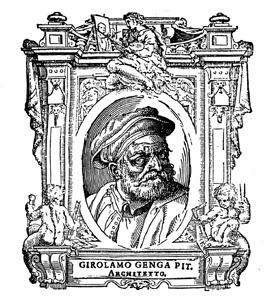
The Architect of Emotion: The Life and Legacy of Girolamo Genga
Girolamo Genga stands as a pivotal figure in the late Renaissance artistic landscape, particularly renowned for his masterful command of Mannerism—a style characterized by stylized forms, exaggerated perspective, and an emphasis on emotional intensity. Born in the illustrious city of Urbino, Italy, around 1476, Genga’s formative years were steeped in the intellectual fervor of Federico da Montefeltro's court. This was a crucible where humanist ideals intersected with artistic innovation, providing a fertile ground for a young talent to flourish. His early apprenticeship under the legendary Luca Signorelli instilled within him a foundational understanding of sculptural realism and narrative storytelling, skills that would serve as the bedrock of his prolific career. As his journey unfolded, Genga moved through the most vibrant artistic centers of Italy, honing his craft alongside titans such as Pietro Perugino and Raphael in Umbria. This exposure to Raphael's harmonious compositions undoubtedly influenced Genga’s aesthetic sensibilities, fostering a lifelong desire for elegance and balance while simultaneously nurturing an inclination towards dramatic visual effects. His subsequent ventures into Florence and Siena cemented his reputation as a versatile artist capable of adapting to diverse commissions and complex artistic traditions. One notable achievement was his collaboration with Timoteo della Vite on the opulent decoration of Pandolfo Petrucci’s palazzo in Siena, a project that perfectly exemplifies Genga's ability to synthesize classical ideals with contemporary stylistic trends.Theatricality and the Mastery of Space
Returning to his roots in Urbino, Genga became a favored artist of Duke Guidobaldo da Montefeltro. It was during this period that his unique talent for large-scale, immersive environments truly began to shine. He undertook monumental commissions for the ducal palace and famously orchestrated the elaborate staging of Guidobaldo’s funeral procession in 1508. This particular commission served as a testament to his theatrical flair and technical prowess, underscoring an exceptional ability to design spaces that conveyed profound emotional resonance and grandeur. His work often transcended the boundaries of mere painting, merging the roles of painter and architect to create unified aesthetic experiences. His contributions to the Villa Imperiale and various architectural endeavors demonstrate a mind that viewed art not as isolated objects, but as integral components of a larger, lived environment. Through his frescoes and altarpieces, Genga breathed life into stone and plaster, using light, shadow, and movement to guide the viewer's eye through complex theological and mythological narratives.A Lasting Impression on the Mannerist Movement
The historical significance of Girolamo Genga lies in his role as a bridge between the balanced perfection of the High Renaissance and the expressive, often turbulent energy of Mannerism. By embracing the more artificial and stylized elements of art, he helped pave the way for future generations to explore the psychological depths of their subjects. His legacy is found in:- The Synthesis of Styles: His ability to blend the sculptural weight of Signorelli with the grace of Raphael.
- Architectural Integration: The seamless marriage of decorative painting with structural design, particularly in his work for the Italian nobility.
- Narrative Drama: The use of theatrical staging and perspective to evoke intense emotional responses from the spectator.
Girolamo Genga
1476 - 1551 , Italy
基本情報
- Artistic Movement Or Style: Mannerism
- Artists Or Movements Influenced By This Artist: ['Villa Imperiale']
- Artists Who Influenced This Artist:
- Luca Signorelli
- Pietro Perugino
- Raphael
- Date Of Birth: c. 1476
- Date Of Death: 1551
- Full Name: Girolamo Genga
- Nationality: Italian
- Notable Artworks:
- Rescue Prisoners
- Virgin Nursing the Child with the Infant John the Baptist
- Place Of Birth: Urbino, Italy
関連記事
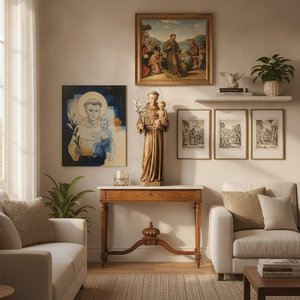
Discover the Divine: Inspiring Saint Anthony Artworks to Elevate Your Home Decor
Transform your home with the profound beauty of Saint Anthony artworks. Explore exquisite Baroque reproductions by Murillo and Zurbarán, hand-painted on 100% cotton canvas to bring divine serenity and timeless elegance to your interior design.

フラ・アンジェリコの傑作25選:ルネサンス美術の神髄と至高の装飾 | ArtsDot
フラ・アンジェリコの傑作25選。ルネサンス美術の神髄を紐解き、天使のような静謐な色彩と宗教画の世界へ誘います。壁画やフレスコ画の技法、修道院に息づく祈りの絵…ArtsDotで至高のアートプリントをお手軽に。コレクションを探索する。
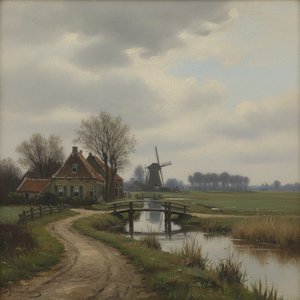
Jacob Henricus Maris: A Master of Dutch Atmospheric Realism & the Intimate Landscape
Explore the captivating world of Jacob Henricus Maris, a leading figure of the Dutch Hague School. Discover his atmospheric landscapes, signature brushstrokes & lasting influence on 19th-century art. Learn more at ArtsDot.
Sacred Narratives on Canvas: Exploring Religious Painting Through History
Explore the rich history of religious painting with ArtsDot.com! Discover iconic artworks, symbolism & techniques from antiquity to the Renaissance. Enhance your art appreciation today.
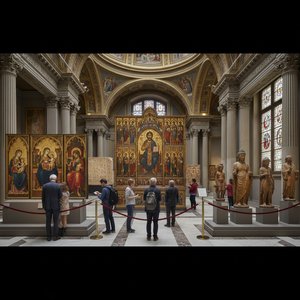
Sacred Narratives Embodied: A Comprehensive Exploration of Religious Iconography in Art History
Explore the rich history of religious iconography in art! Discover symbolism, movements & masterpieces from Byzantine to Renaissance periods. Expert insights for collectors and enthusiasts at ArtsDot.

