

 プレビュー
プレビュー
 シェアする
シェアする シェアする
シェアする
 詳細を見る
詳細を見る

 ダウンロード
 似ている作品
 X線調査
X線調査 スライドショー
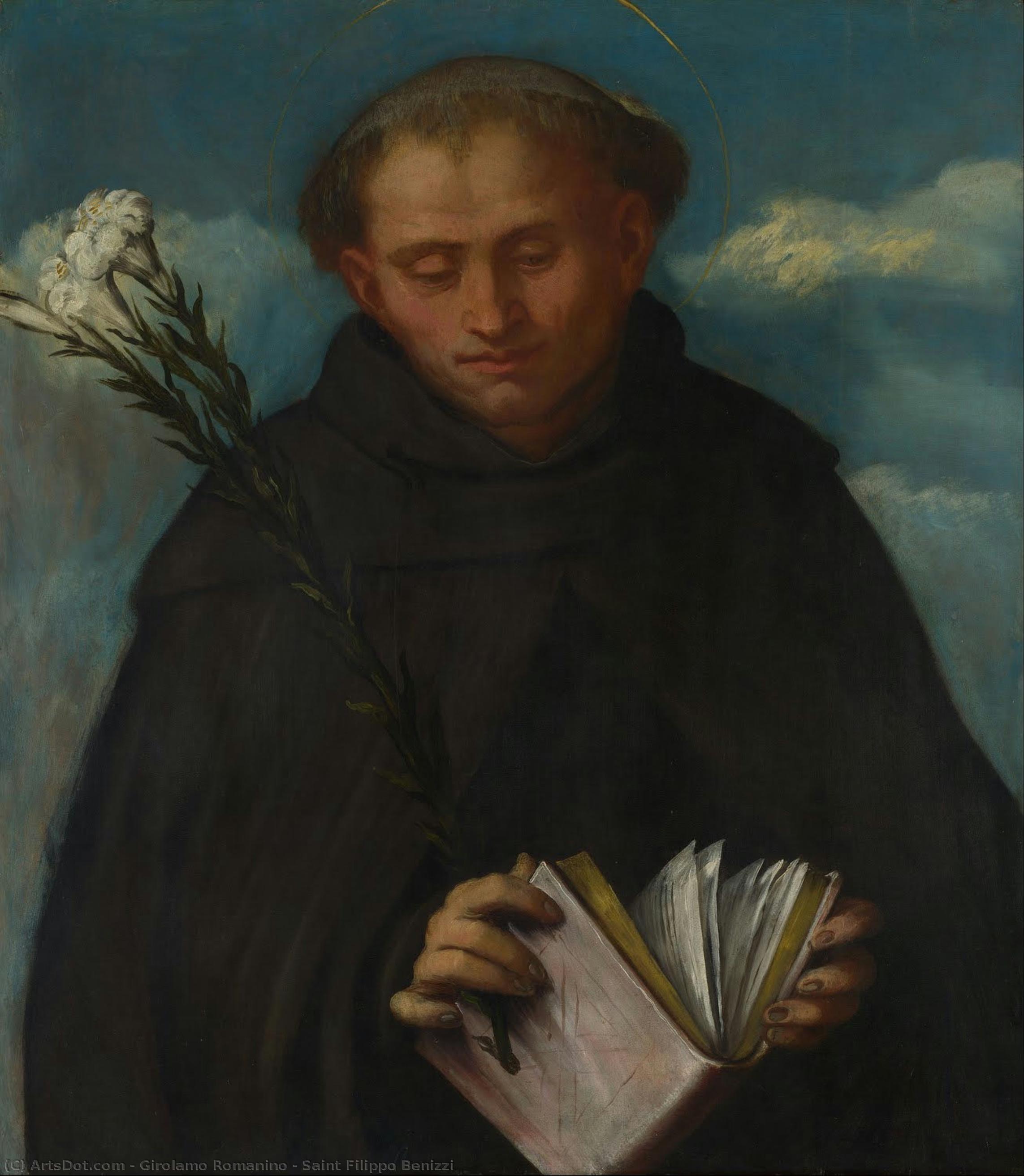
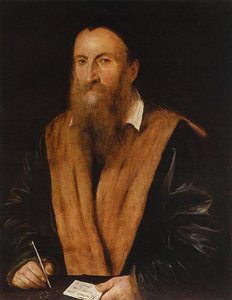
Saint Filippo Benizzi
 Oil On Canvas
- WallArt
- High Renaissance
 1524
1524 74.0 x 64.0 cm
 ナショナル・ギャラリー
 詳細を見る
詳細を見る
ジークレー/アートプリント
迅速な制作と多彩な仕上げオプションを備えた、ミュージアムクオリティのジークレーまたはキャンバスプリント。 ( 手描きの絵画を購入 画像を購入)




P118B $10

P118H $10

P118W $10

P438Z $10

P508JH $12

P508YH $12

P805H $10

P805Z $10

P919BZ $10

P919G $10

P919XJ $10

P959ZH $10

P968JZ $12

W106C $8

W218G $10

W218JH $8

W218Y $10

W307PJ $10

W316G $10

W316PJ $8

W316Y $10

W398PJ $8

W4111J $10

W500HY $15

W500JH $15

W692G $12

W849H $8

W940BG $15

W953PJ $8




作品のオリジナル比率に合わせた、当店の規定サイズからお選びください。

特定のフレームやスペースに合わせて、ご自身でサイズを指定することも可能です。選択されたサイズが元の画像の比率と一致しない場合、作品をトリミングするか、鏡面反射または単色での塗りつぶしによって画像を拡張いたします。制作を開始する前に、ご確認用のデジタルモックアップをお送りいたします。
画面上のプレビューには、実際のトリミングや拡張は反映されませんのでご注意ください。最終的な構図を正確に確認できるのは、モックアップのみとなります。
カスタムサイズも承っておりますが、元の比率を維持するためには、あらかじめ用意されたリストからサイズを選択することをお勧めいたします。


 ガラスオプションは、110cm未満のサイズでのみご利用いただけます。

Saint Filippo Benizzi
ジークレー/アートプリント
複製画のサイズ
-


合計金額
$ 62
作品詳細説明
The Serene Contemplation of Saint Filippo Benizzi
Girolamo Romanino’s “Saint Filippo Benizzi,” painted in Brescia around 1524, is more than simply a portrait; it's a window into the soul of the Renaissance and a testament to the artist’s masterful ability to imbue religious subject matter with profound human emotion. This captivating work, now meticulously reproduced as a high-quality artwork reproduction by ArtsDot.com, invites viewers into a moment of quiet reflection, capturing the saint’s deep engagement with scripture.
The painting immediately draws the eye to Saint Filippo himself, depicted in a pose of profound concentration. He holds an open book before him – not a grand tome of theological debate, but a humble volume, suggesting a personal and intimate connection with his faith. His gaze is directed downwards, lost in thought, as if wrestling with complex spiritual questions. Romanino’s technique is remarkably expressive; the figure isn't rendered with the smooth, idealized forms typical of earlier Renaissance portraiture. Instead, we see a deliberate roughness to the brushstrokes, particularly around the face and hands, lending an immediacy and vulnerability to the subject. This approach, influenced by the Lombard artistic tradition, prioritizes emotional truth over strict adherence to classical ideals.
A Window into Brescia’s Artistic Landscape
To fully appreciate “Saint Filippo Benizzi,” it's crucial to understand its historical context. Romanino was a pivotal figure in the art scene of Brescia during the early 16th century, a period marked by a fascinating interplay between Venetian and Florentine artistic influences. He initially trained under Andrea Sabbatini, absorbing the techniques of fresco painting and tempera, before developing his own distinctive style – one characterized by rich color palettes, dynamic compositions, and an intense focus on human psychology. The work’s setting—the church of San Giovanni Evangelista in Brescia—further illuminates its significance; it was part of a larger commission to decorate the chapel, showcasing Romanino's skill within a broader artistic project.
The background, dominated by a serene blue sky punctuated with delicate clouds, provides a sense of tranquility and spiritual openness. The subtle use of light and shadow – particularly on Filippo’s face – creates a palpable atmosphere of contemplation. Note the inclusion of two figures in the periphery; their presence adds a layer of narrative complexity, hinting at the saint's community and perhaps suggesting the impact of his faith on those around him. These secondary characters aren’t fully developed, but they contribute to the overall sense of a lived-in scene.
Symbolism and Spiritual Depth
The book held by Saint Filippo is not merely an object; it's a potent symbol of knowledge, wisdom, and divine revelation. The act of reading suggests a continuous dialogue between the saint and God, a process of seeking understanding through scripture. Romanino’s choice to depict Filippo in this moment of quiet contemplation speaks volumes about the nature of faith – it isn’t always about grand pronouncements or dramatic displays of piety, but often involves solitary reflection and a deep connection with the divine.
The overall mood of the painting is one of profound peace and serenity. Despite the inherent complexities of spiritual life, Romanino manages to convey a sense of hope and reassurance. “Saint Filippo Benizzi” isn’t just a portrait; it's an invitation to pause, reflect, and consider our own relationship with faith and spirituality. The reproduction by ArtsDot.com allows you to bring this timeless masterpiece into your home or office, experiencing its beauty and emotional resonance firsthand.
Technical Details & Reproduction Quality
Originally created in oil on panel, the painting measures 74 x 64 cm. Romanino’s masterful use of color and texture is faithfully reproduced in ArtsDot.com's high-quality reproductions. The meticulous attention to detail ensures that every brushstroke, every nuance of light and shadow, is captured with stunning accuracy. The canvas used for the reproduction is archival quality, guaranteeing that the artwork will retain its vibrancy and beauty for generations to come.
Available in a range of sizes, this reproduction offers an accessible way to own a piece of Renaissance art history. Whether you’re an art collector, an interior designer seeking to add a touch of elegance and sophistication, or simply someone who appreciates the beauty of timeless art, “Saint Filippo Benizzi” is a captivating choice.
関連作品



アーティストの略歴
ジョヴァンニ・ダ・ウディネ:スタッコ装飾と新古典主義の優美さを切り拓いた先駆者
1487年にウディネに生まれ、1561年あるいは1564年にローマでその生涯を閉じたジョヴァンニ・ダ・ウディネは、盛期ルネサンスの芸術的景観における極めて重要な人物として君臨しています。彼は単なる画家という枠を超え、古典技法の復興、特にスタッコ(化粧漆喰)装飾や建築装飾の領域に深い影響を与えた熟練の職人でもありました。彼の遺した足跡は、考古学的な発見と古代ローマの壮大さを再現しようとする新たな情熱によって、当時のヨーロッパ全土を席巻した古代への旺盛な関心と分かちがたく結びついています。
ウディネの若き日々については、いくぶん謎に包まれている部分もありますが、間違いなく故郷の芸術的コミュニティの中で研鑽を積んでいたことは確かです。彼はナポリの著名な画家アンドレア・サバッティーニの助手としてキャリアをスタートさせ、フレスコ画やテンペラ技法の貴重な経験を積み上げました。この形成期こそが、後の成功の礎となったのです。とりわけ1508年頃にローマでラファエロの工房に入ったことは決定的な転機となりました。この時期、ウディデン独自のスタイルが芽生え始めます。それは、古典的な比率への深い理解と、光と影を操る卓越した技術に裏打ちされた、自然主義と様式化された優雅さとの繊細な均衡でした。
ヴァチカン・ロッジア:革新の舞台
ウディネの最も永続的な功績は、1517年から1519年にかけて複雑なスタッコ・パネルで装飾された一連のヴォールト空間、ヴァチカン・ロッジアにおける仕事にあります。これらの壮麗な装飾は、ヨーロッパ美術史における決定的な転換点となりました。彼は古代技法の復興、具体的には「グロテスク様式」の創出を先導しました。これはローマの遺跡やモザイクに触発された、複雑で幻想的なデザインです。これらは単なる装飾的な飾りではありませんでした。細部まで緻密に研究された模倣であり、正確さへの驚くべき献身と、過去に対する深い敬愛の念を証明するものだったのです。
ロッジアのパネルは、その軽やかさと優雅さ、そしてどこか空想的な、天上的とも言える質感を特徴としています。ウディネは、クリーム色、オーカー(黄土色)、淡いブルーを中心とした繊細な色彩を用い、奥行きと情緒ある雰囲気を作り出しました。彼の描く人物像は、様式化されていながらも驚くほどの自然主義を湛え、精緻なディテールを通じて感情や動きを伝えてくれます。この作品の影響は瞬く間にヨーロッパ中へと広がり、新古典主義のデザイナーたちの審美眼を形作り、後世の芸術家たちに多大な影響を与えました。
ウディネへの帰還と続く影響力
ローマでの活動を経て、ウディネは1522年に故郷のウディネへと戻り、その後のキャリアの大部分をそこで過ごしました。しかし、彼の探求心は止まることなく、フィレンツェやヴェネツィアでの依頼を引き受けるために広範な旅を続け、多才で極めて需要の高い芸術家としての名声を不動のものにしました。こうした旅路の中にあっても、ウディネは常に自身の故郷に深く根ざしており、フリウリ地方の芸術的発展に多大な貢献を果たしました。
彼の作品には驚くべき適応力が見て取れ、古典的な影響と地域的な伝統を継ぎ目なく融合させています。彼は単に古代の形態を複製したのではなく、独自のビジョンを通じてそれらを解釈し、イタリア特有の感性を吹き込んだのです。その遺産は個々の作品の枠を超え、古典的美学の広範な復興と、ルネサンス建築の不可欠な要素としてのスタッコ装飾の確立へと繋がっています。
歴史的意義と不朽のレガシー
ジョヴァンニ・ダ・ウディネがヨーロッパ美術に与えた衝撃は、疑いようのないものです。彼は新古典主義時代の視覚言語を形成する上で決定的な役割を果たし、後世の芸術家や建築家たちの基礎を築きました。細部への細やかなこだわり、技法の習熟、そして古代への深い洞察力は、彼がルネサンス美術における最も重要な人物の一人として記憶されることを確かなものにしました。ヴァチカン・ロッジアにおける彼の仕事は、今なお彼の天才性の証として残っています。それは技術、革新、そして過去の栄光に対する深い畏敬の念が織りなす、息を呑むような展示なのです。彼の影は、今日でもヨーロッパ中の数え切れないほどの建造物や装飾芸術の中に見て取ることができ、古代の精神に再び命を吹き込んだ芸術家の不滅の記憶として、私たちに語りかけ続けています。
ジローラモ・ロマーニーノ
1487 - 1566 , イタリア
基本情報
- Artistic Movement Or Style: 新古典主義、スタッコ
- Artists Or Movements Influenced By This Artist: ['ヨーロッパの新古典主義デザイナー']
- Artists Who Influenced This Artist: ['ラファエロ']
- Date Of Birth: 1487年10月27日
- Date Of Death: 1561/64年
- Full Name: ジョヴァンニ・ダ・ウディネ
- Nationality: イタリア
- Notable Artworks: ['バチカン・ロッジ']
- Place Of Birth: イタリア、ウディネ
関連記事

家族の遺産を壁画で彩る:伝統技法が紡ぐ、時を超越する美と記憶
古代から現代までの壁画の歴史と技法を解説。日本の壁画文化やカスタムオーダーによる家族の遺産表現、保存・修復技術まで網羅。専門家が時を超越する美と記憶を紡ぐ芸術的価値をご案内します。
The Enduring Legacy of Fresco: Technique, History & Artistic Expression Across Cultures
Explore the rich history & enduring legacy of fresco painting! Discover ancient techniques, Giotto's masterpieces, and modern applications. Expert insights for art lovers & professionals.

The Enduring Legacy of Fresco Painting: Techniques, History & Contemporary Relevance
Explore the rich history & enduring artistry of fresco painting – from Giotto to Michelangelo! Discover techniques, conservation efforts, & modern applications. Learn how ArtsDot brings this timeless art form to your home.
The Enduring Legacy of Fresco: Technique, History & Artistic Expression
Explore the rich history & enduring artistry of fresco painting. Discover techniques from Giotto to Michelangelo, conservation efforts, & modern applications. Learn how ArtsDot brings this timeless art form to your home.

Art That Lives With You: The Emotional Power of a Custom Interior Fresco
Discover the emotional power & timeless beauty of custom interior frescoes. Explore history, design tips & expert guidance from – creating lasting legacies.

