

 プレビュー
プレビュー
 プリントを購入
 シェアする
シェアする シェアする
シェアする
 詳細を見る
詳細を見る

 ダウンロード
 似ている作品
 X線調査
X線調査 スライドショー
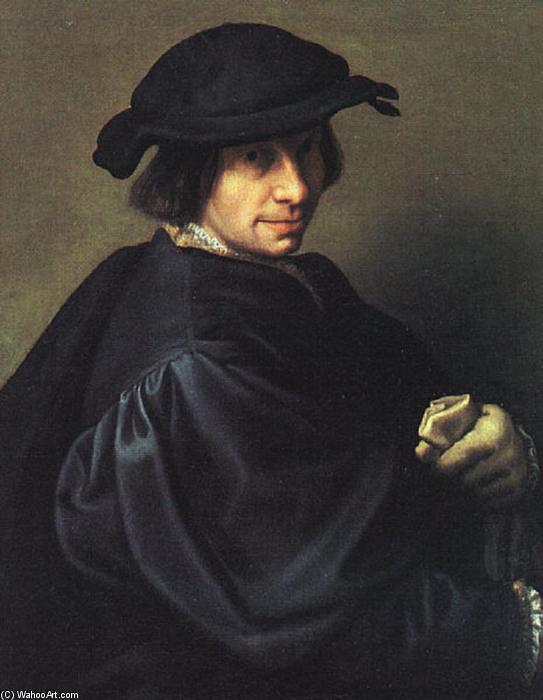
Portrait of Father Galeazzo Campi
 Oil On Canvas
- WallArt
- Renaissance Portraiture
 1535
1535- Renaissance
 78.0 x 61.0 cm
 ウフィツィ美術館
 詳細を見る
詳細を見る




P118B $10

P118H $10

P118W $10

P438Z $10

P508JH $12

P508YH $12

P805H $10

P805Z $10

P919BZ $10

P919G $10

P919XJ $10

P959ZH $10

P968JZ $12

W106C $8

W218G $10

W218JH $8

W218Y $10

W307PJ $10

W316G $10

W316PJ $8

W316Y $10

W398PJ $8

W4111J $10

W500HY $15

W500JH $15

W692G $12

W849H $8

W940BG $15

W953PJ $8




作品のオリジナル比率に合わせた、当店の規定サイズからお選びください。

特定のフレームやスペースに合わせて、ご希望のサイズをご入力いただけます。選択されたサイズが元の画像の比率と異なる場合、アートワークをトリミングするか、手描きで要素を追加して絵画を拡張いたします。デジタルモックアップ を制作し、制作開始前にご確認(承認)をいただきます。
画面上のプレビューは、実際のトリミングや拡張を正確に反映しているものではありません。最終的な構図は、モックアップによってのみ正確にご確認いただけます。
カスタムサイズもご利用いただけますが、元の比率を維持するためには、あらかじめ用意されたリストからサイズを選択することをお勧めいたします。
ご注文後、ArtsDot.com チームより詳細な指示をお送りするとともに、仕上がりイメージ(モックアップ)をご提供いたします。


 ガラスオプションは、110cm未満のサイズでのみご利用いただけます。

Portrait of Father Galeazzo Campi
複製技法
複製画のサイズ
-


合計金額
$ 263
A Window into the Renaissance Soul
In the quiet, hallowed halls of the Galleria degli Uffizi, there exists a moment of profound stillness captured in 1535: the Portrait of Father Galeazzo Campi. This exquisite oil on canvas is far more than a mere clerical likeness; it is a window into the very heart of the High Renaissance. Through the masterful hand of Giulio Campi, we are invited to encounter a subject that embodies the era's deepest ideals of humanist contemplation and spiritual serenity. The portrait presents a figure of immense dignity, whose gaze—turned slightly toward the viewer—suggests a soul caught in a moment of deep, intellectual reflection. For the discerning collector or lover of classical beauty, this work offers an unparalleled sense of gravitas, making it a centerpiece that commands respect and invites long, meditative study.
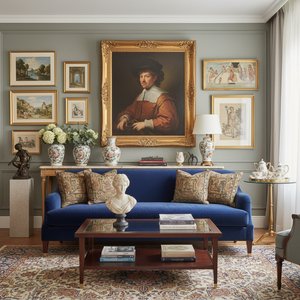
The composition is a masterclass in the delicate balance between presence and mystery. Clad in the somber, authoritative attire of his station, Father Galeazzo wears a dark robe accented by fine lace at the collar, a detail that hints at both his social standing and the meticulous care of the artist. A wide-brimmed black hat frames a face illuminated by a soft, diffused light—a technique that does not merely reveal features but sculpts them. This subtle manipulation of light creates a three-dimensional depth, pulling the viewer into the subject's personal orbit. The minimalist, dark background serves as a void that pushes the figure forward, ensuring that every contour of the face and every fold of the heavy fabric becomes a focal point of intense visual interest.
The Fusion of Lombard Realism and Roman Grandeur
To understand the technical brilliance of this portrait, one must look to the rich artistic lineage of Giulio Campi himself. Having trained under the legendary Giulio Romano in Mantua, Campi inherited a dynamic approach to composition and an eye for architectural strength. However, his subsequent journeys to Rome allowed him to absorb the classical clarity and idealized beauty championed by the Roman elite. In this portrait, we witness a breathtaking synthesis of these two worlds: the meticulous, expressive realism characteristic of the Lombard tradition meets the monumental grace of Rome. This duality is most evident in the fine brushwork that renders the texture of the subject's hair and the tactile weight of his clerical robes with such accuracy that one can almost feel the fabric.
Beyond its technical prowess, the painting serves as a symbolic bridge between the earthly and the divine. The soft illumination falling upon Father Galeazzo’s countenance is often interpreted by art historians as a gesture of divine illumination, suggesting that the light of God is reflected in the clarity of human intellect. For those looking to integrate such a piece into a sophisticated interior, the portrait provides a sense of timelessness. It does not merely decorate a space; it anchors it with a sense of history and spiritual weight. Whether placed in a sunlit study or a dimly lit library, a high-quality reproduction of this masterpiece brings with it the enduring elegance of the 16th century, offering an atmosphere of quiet sophistication and profound emotional depth.
関連作品

アーティストの略歴
Giulio Campi: Life and Legacy
Early Life and Training
- Born: Cremona, Italy in 1502.
- Family of Artists: Giulio Campi came from a prominent family of painters; his father, Galeazzo (1475–1536), provided him with initial artistic training.
- Early Studies: In 1522, he traveled to Mantua and studied painting, architecture, and modelling under the tutelage of Giulio Romano.
- His education continued with a visit to Rome where he became deeply engaged in studying classical antiquity.
Artistic Development and Influences
- Blending Traditions: Campi skillfully combined Lombard and Roman artistic traditions, influenced by his studies with Romano and his exploration of ancient art.
- Collaboration: He collaborated with Camillo Boccaccino, son of Boccaccio Boccaccino, potentially receiving further training from him.
- Key Influences: Giulio Romano’s influence is evident in Campi's dynamic compositions and architectural elements. His study of classical art instilled a sense of grandeur and anatomical accuracy.
Major Works and Style
- Masterpiece: At the age of 27, Campi completed his masterpiece, “Virgin and Child with Sts Celsus and Nazarus”, for the church of Sant'Abondio. It is celebrated for its freedom of drawing and vibrant color.
- Notable Works: Other significant works include the “Descent from the Cross” in San Sigismondo, Cremona, and frescoes within the dome of San Girolamo in Mantua.
- Artistic Characteristics: Campi’s paintings are characterized by grand conceptions, free drawing, vigorous coloring, a lofty style, and broad handling. A deep piety is evident throughout his work.
- He was involved in the reconstruction and decoration of the church of Santa Rita in Cremona.
Historical Significance and Legacy
- “Ludovico Carracci of Cremona”: Campi is often referred to by this title due to his significant influence on the artistic landscape of Cremona, mirroring Ludovico Carracci’s impact on Bologna.
- Regional Importance: He played a crucial role in shaping Renaissance art within the Cremonese school.
- Engravings by Ghiso: His altar-piece in San Sigismondo and his “Labours of Hercules” were engraved by Giorgio Ghisi, further disseminating his work.
- Lasting Impact: Campi’s influence extended beyond his lifetime, inspiring subsequent generations of artists in the region.
Death and Remembrance
- Died: Cremona, Italy in 1572.
- Giulio Campi remains a significant figure in Italian Renaissance art, celebrated for his artistic skill, religious devotion, and lasting influence on the Cremonese school of painting.
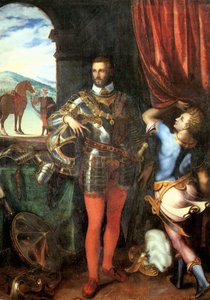
Giulio Campi
1502 - 1572 , Italy
基本情報
- Birth Date: 1502
- Birth Place: Cremona, Italy
- Death Date: 1572
- Influenced: Ludovico Carracci (in Cremona)
- Influenced By: Giulio Romano
- Movement: Renaissance, Mannerism
- Name: Giulio Campi
- Nationality: Italian
- Notable Works:
- Virgin and Child with Sts Celsus and Nazarus
- Descent from the Cross (San Sigismondo)
- Frescoes in San Girolamo (Mantua)
関連記事

The Enduring Legacy of Oil on Canvas: Technique, History & Aesthetic Impact
Explore the rich history & techniques of oil painting – from Renaissance masters to Impressionism. Discover pigments, layering methods, and why this timeless medium endures. Expert insights for artists & art enthusiasts.

Oil on Canvas: A Historical & Technical Exploration of a Timeless Artistic Medium
Explore the rich history & enduring techniques of oil painting on canvas. Discover the science behind its longevity, conservation practices, and contemporary relevance. Expert insights for art enthusiasts.

The Enduring Power of Painting: A Historical & Contemporary Exploration of Form and Emotion
Explore the rich history & enduring techniques of oil painting with ArtsDot. Discover masterpieces, learn about art collecting, and find authentic handmade reproductions crafted by skilled artists.
油彩のキャンバス:技法、歴史、そして現代の実践 - 古典美術愛好家へ
油彩の技法、歴史、巨匠たちの秘密を徹底解説。古典美術愛好家向けに、初期フランドル絵画から現代の実践まで深く掘り下げます。ArtsDotで高品質な複製画やカスタムオーダーも承ります。
サンクトペテルブルク・エルミタージュ美術館:至宝25選 - 歴史と芸術の輝きをあなたの空間に
サンクトペテルブルク・エルミタージュ美術館の至宝25選。レムブランド、ダ・ヴィンチの名作を紐解き、歴史と芸術の輝きをご堪能ください。ArtsDot.comで高品質な複製画やインテリアアートを見つけ、空間に感動を。今すぐコレクションをご覧ください。