


 プレビュー
プレビュー
 プリントを購入
 シェアする
シェアする シェアする
シェアする
 詳細を見る
詳細を見る

 ダウンロード
 似ている作品
 X線調査
X線調査 スライドショー
Rose Window – Basilica of Santa Croce

 詳細を見る
詳細を見る




































作品のオリジナル比率に合わせた、当店の規定サイズからお選びください。

特定のフレームやスペースに合わせて、ご希望のサイズをご入力いただけます。選択されたサイズが元の画像の比率と異なる場合、アートワークをトリミングするか、手描きで要素を追加して絵画を拡張いたします。デジタルモックアップ を制作し、制作開始前にご確認(承認)をいただきます。
画面上のプレビューは、実際のトリミングや拡張を正確に反映しているものではありません。最終的な構図は、モックアップによってのみ正確にご確認いただけます。
カスタムサイズもご利用いただけますが、元の比率を維持するためには、あらかじめ用意されたリストからサイズを選択することをお勧めいたします。
ご注文後、ArtsDot.com チームより詳細な指示をお送りするとともに、仕上がりイメージ(モックアップ)をご提供いたします。


 ガラスオプションは、110cm未満のサイズでのみご利用いただけます。

Rose Window – Basilica of Santa Croce
複製技法
複製画のサイズ
-


合計金額
$ 263
関連作品





アーティストの略歴
Giulio Cesare Penna: Architect of Baroque Splendor in Lecce
Giulio Cesare Penna (1607-1653) stands as a pivotal figure in the artistic landscape of Lecce and Salento, Southern Italy. His legacy isn’t one of grand, solitary masterpieces, but rather a profound contribution to the richly ornamented Baroque architecture that defines these regions – particularly evident in his masterful work on the Basilica di Santa Croce. Penna's name is inextricably linked with the exuberant, almost overwhelming, decorative style known as “Lecce Baroque,” and he played a crucial role in shaping its distinctive character. Born in Lecce, the heart of Salento, Penna’s artistic journey was deeply rooted in the local tradition while simultaneously absorbing broader influences from the era.Early Life and Influences
While precise details of Penna's early life remain somewhat elusive, it is understood that he honed his skills within the vibrant workshops of Lecce. The city’s thriving artisan community provided a fertile ground for young sculptors to develop their craft, absorbing techniques and stylistic elements from established masters. Crucially, Penna’s career coincided with a period of intense artistic activity in Salento, fueled by the patronage of wealthy families and the Church. Interestingly, his biography is closely linked to that of Giulio Cesare Procaccini, a prominent Milanese painter and sculptor whose work significantly impacted Penna's development. Procaccini, who spent formative years in Milan before relocating to Italy, brought with him a sophisticated understanding of Mannerism and early Baroque principles – styles which Penna skillfully integrated into his own distinctive approach. The influence of Correggio and Parmigianino, both masters of the High Renaissance and Early Baroque respectively, is also evident in Penna’s later work, particularly in his use of dynamic composition and dramatic lighting.The Basilica di Santa Croce: A Monumental Achievement
Penna's most celebrated contribution lies within the Basilica di Santa Croce in Lecce. He was commissioned to undertake significant sculptural and decorative elements, transforming the façade into a breathtaking spectacle of Baroque excess. His work on the upper façade is particularly remarkable, featuring intricate carvings of saints, angels, and allegorical figures – all rendered with astonishing detail and a palpable sense of movement. The rose window, a central element of the basilica’s design, showcases Penna's skill in creating complex geometric patterns and incorporating sculptural elements within its framework. The Chapel of the Relics (viewable via the provided link) offers a particularly intimate glimpse into his meticulous craftsmanship, revealing the incredible level of detail he applied to even the smallest decorative features. The scale and ambition of this project demonstrate Penna’s mastery of Baroque principles and his ability to translate complex architectural visions into tangible reality.Style and Technique
Penna's style is characterized by an almost overwhelming abundance of ornamentation – a hallmark of Lecce Baroque. His sculptures are renowned for their rich textures, dynamic poses, and expressive faces. He employed a technique known as “stiacciato,” or low relief, to create figures that appear to emerge from the surface of the stone, adding depth and realism to his carvings. The use of color was also significant; Penna skillfully applied pigments to enhance the visual impact of his sculptures, creating a vibrant and engaging spectacle for viewers. His work is not simply decorative; it’s imbued with a sense of drama and theatricality – reflecting the Baroque emphasis on emotional engagement and sensory experience.Legacy and Historical Significance
Giulio Cesare Penna's impact extends far beyond the Basilica di Santa Croce. He played a vital role in shaping the visual identity of Lecce and Salento, contributing significantly to the region’s reputation as a center for Baroque art. His work exemplifies the exuberant creativity and unparalleled craftsmanship that define “Lecce Baroque,” a style celebrated for its intricate detail, dramatic flair, and profound connection to local traditions. While his individual fame may not rival that of some of his contemporaries, Penna's enduring legacy lies in his contribution to the architectural fabric of Lecce – a testament to his skill as a sculptor and his pivotal role in shaping one of Italy’s most distinctive artistic expressions. The detailed depictions of Saint Peter Celestine (viewable via the provided link) further illustrate his ability to capture complex narratives within sculpted form, solidifying his place as a key figure in 17th-century Italian art.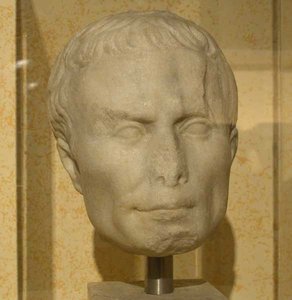
giulio cesare penna
1607 - 1653 , Italy
基本情報
- Artistic Movement Or Style: Baroque sculpture
- Artists Who Influenced This Artist: ['Giulio Cesare Procaccini']
- Date Of Birth: 1607
- Date Of Death: 1653
- Full Name: Giulio Cesare Penna
- Nationality: Italian
- Notable Artworks:
- Basilica Santa Croce
- Saint Peter Celestine
- Place Of Birth: Lecce, Italy

