 プレビュー
プレビュー
 プリントを購入
 シェアする
シェアする シェアする
シェアする
 詳細を見る
詳細を見る

 ダウンロード
 似ている作品
 X線調査
X線調査 スライドショー
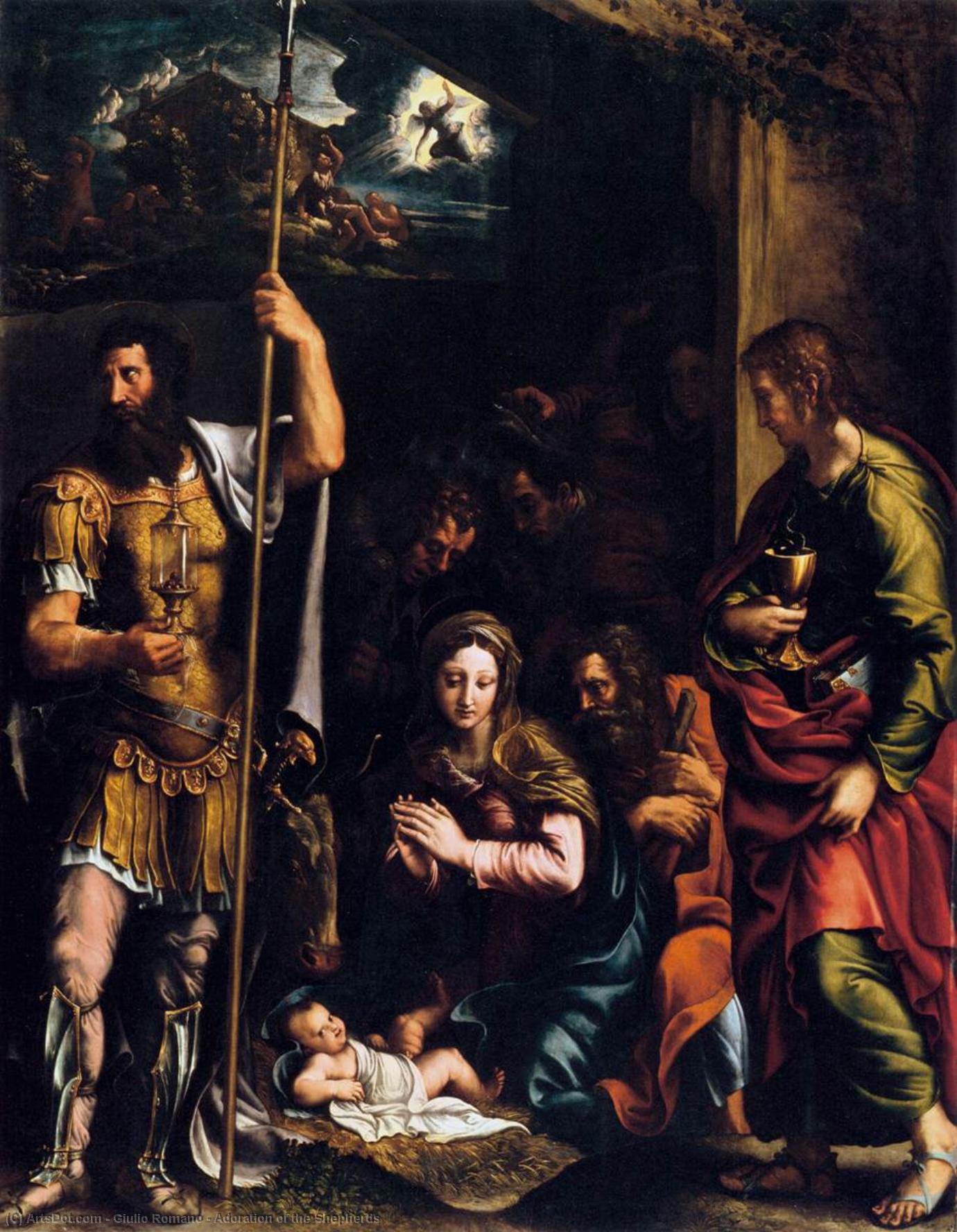
Adoration of the Shepherds
 Oil On Canvas
- WallArt
- Baroque
 1535
1535 275.0 x 212.0 cm
 ルーブル美術館
 詳細を見る
詳細を見る




P118B $10

P118H $10

P118W $10

P438Z $10

P508JH $12

P508YH $12

P805H $10

P805Z $10

P919BZ $10

P919G $10

P919XJ $10

P959ZH $10

P968JZ $12

W106C $8

W218G $10

W218JH $8

W218Y $10

W307PJ $10

W316G $10

W316PJ $8

W316Y $10

W398PJ $8

W4111J $10

W500HY $15

W500JH $15

W692G $12

W849H $8

W940BG $15

W953PJ $8




作品のオリジナル比率に合わせた、当店の規定サイズからお選びください。

特定のフレームやスペースに合わせて、ご希望のサイズをご入力いただけます。選択されたサイズが元の画像の比率と異なる場合、アートワークをトリミングするか、手描きで要素を追加して絵画を拡張いたします。デジタルモックアップ を制作し、制作開始前にご確認(承認)をいただきます。
画面上のプレビューは、実際のトリミングや拡張を正確に反映しているものではありません。最終的な構図は、モックアップによってのみ正確にご確認いただけます。
カスタムサイズもご利用いただけますが、元の比率を維持するためには、あらかじめ用意されたリストからサイズを選択することをお勧めいたします。
ご注文後、ArtsDot.com チームより詳細な指示をお送りするとともに、仕上がりイメージ(モックアップ)をご提供いたします。


 ガラスオプションは、110cm未満のサイズでのみご利用いただけます。

Adoration of the Shepherds
複製技法
複製画のサイズ
-


合計金額
$ 438
作品解説
Giulio Romano’s “Adoration of the Shepherds”: A Baroque Drama of Light and Faith
Giulio Romano's "Adoration of the Shepherds," painted in 1535, is not merely a depiction of a biblical scene; it’s a profound exploration of faith, humility, and the divine encounter. This masterpiece, rendered in rich oil paints on canvas, embodies the dramatic intensity characteristic of the late Renaissance and early Baroque periods, transporting viewers into a dimly lit stable where the miraculous birth of Christ unfolds with breathtaking realism and emotional resonance. The painting pulsates with a palpable sense of awe, inviting contemplation on the profound mysteries at its heart.
Romano’s artistic lineage is deeply rooted in the legacy of Raphael, whom he served as a crucial assistant during the decoration of the Vatican Stanze. However, “Adoration of the Shepherds” marks a significant departure from Raphael's harmonious idealism, embracing instead the heightened emotionalism and theatricality that would define his own distinctive style. The influence of Mannerism is evident in the elongated figures, the subtly distorted perspective, and the overall sense of dynamism—a deliberate move away from the static clarity of High Renaissance art.
A Symphony of Light and Shadow: Technique and Composition
The painting’s power lies largely in Romano's masterful manipulation of chiaroscuro – a technique borrowed heavily from Caravaggio but refined with his own unique sensibility. Deep, enveloping shadows dominate the scene, creating an atmosphere of mystery and reverence while simultaneously highlighting key figures within the composition. The light source, seemingly emanating from an unseen point above, casts dramatic shafts onto Mary, Joseph, and the infant Jesus, drawing our attention to their central role in this sacred event. The use of glazing—applying thin layers of translucent paint over previous layers—creates a remarkable sense of depth and luminosity, imbuing the figures with a tangible presence.
The composition itself is carefully orchestrated. The scene unfolds within a modest stable, its rough-hewn walls and simple furnishings providing a stark contrast to the divine event taking place. The arrangement of the shepherds—grouped in clusters around the infant Jesus—creates a sense of communal adoration, emphasizing the universality of faith. The placement of Joseph, holding the manger, subtly reinforces the humble origins of Christ’s birth, while the angel descending from heaven serves as a visual conduit between the earthly and celestial realms.
Symbolism and Narrative Depth
Beyond its technical brilliance, “Adoration of the Shepherds” is rich in symbolic meaning. The shepherds themselves represent the common people—the uneducated, the humble—who are chosen to witness the birth of their savior. Their simple garments and attentive gazes underscore the idea that faith can be found not in grand pronouncements or elaborate rituals, but in quiet contemplation and open hearts. The presence of the Roman soldier, a symbol of earthly authority, adds another layer of complexity, suggesting the conflict between divine grace and human power.
The inclusion of the celestial scene—an angel descending from heaven—serves as a visual reminder of God’s intervention in human affairs. The carefully rendered details of the stable, including the wooden manger and the animal figures, ground the narrative in a tangible reality, making the miraculous event all the more believable. Even the loaf of bread resting on the manger speaks to the poverty and humility that characterized Jesus's life.
A Timeless Masterpiece: Historical Context and Legacy
Painted during a period of intense religious and political upheaval in Italy, “Adoration of the Shepherds” reflects the anxieties and aspirations of its time. The Catholic Church was actively seeking to combat the spread of Protestantism, and art played a crucial role in reaffirming faith and promoting religious devotion. Romano’s dramatic style—with its emphasis on emotion and spectacle—was perfectly suited to this purpose.
The painting's influence extends far beyond its immediate historical context. It stands as a testament to the enduring power of biblical narratives and the timeless appeal of themes such as faith, humility, and redemption. Reproductions of “Adoration of the Shepherds” continue to captivate audiences today, offering a glimpse into the artistic genius of Giulio Romano and inviting us to contemplate the profound mysteries of the Nativity story.
関連作品


アーティストの略歴
ローマの始まりと巨匠の下での修行
ジュリオ・ロマーノ、本名ジュリオ・ピッピは1499年頃にローマで生まれました。ルネサンス盛期という激動の芸術的時代でした。彼の幼少期の詳細はほとんど不明ですが、すぐにラファエロの才能に認められ、その翼の下に入ったことは知られています。この修行は彼の技術的なスキルを磨くだけでなく、将来の様式探求の基礎を築く上で極めて重要な役割を果たしました。彼は単なる工房の手伝いではなく、ラファエロにとって不可欠な協力者となり、教皇ユリウス2世とレオ10世から依頼されたバチカン・スタンツァの装飾など、重要なプロジェクトに貢献しました。彼の筆致は、奇跡的な介入を描いた壮大なフレスコ画『ボルゴの火災』に見出すことができます。ラファエロが早逝した1520年後、ジュリオは枢機卿ジュリアーノ・デ・メディチのためにヴィッラ・マダーマの野心的な装飾を含む、数多くの未完の依頼を継承しました。この初期段階での大規模プロジェクトへの露出と貴族のパトロンからの要求は、彼のその後のキャリアを特徴づける自信と野心を彼に植え付けました。マニエリスムの誕生:古典的な調和からの逸脱
ルネサンスの伝統に深く根ざしている一方で、ジュリオ・ロマーノの芸術的軌跡はすぐに、従来の古典的なバランスと調和を重視する傾向から逸脱しました。彼はマニエリスムという様式の発展における重要な人物となり、その特徴は人工性、優雅さ、そしてしばしば不安な形態の歪みです。ミケランジェロの力強い人物像とダイナミックな構図、そしてより広範な芸術的実験の気候に深く影響を受け、ジュリオは彼の作品において非対称性、緊張感、感情的な強度を取り入れ始めました。これはルネサンスの理想を拒否するものではなく、むしろその限界を探求し、自然主義の制約を超えて、より表現豊かで知的に刺激的な作品を生み出そうとした意図的な試みでした。彼はラファエロの計画を徐々に修正し、ローマの芸術に新しい感性を注入しました—それは大規模なスケールでのマニエリスムの声明でした。この変化は彼のデッサンに見られやすく、驚くべき線の自由と劇的な遠近法の傾向を示しています。マントゥーアの巨匠:パラッツォ・テと建築的革新
1524年、ジュリオはマントゥーア公フェデリコ・ゴンザーガから宮廷画家兼建築家になるように招待されました。これは彼のキャリアにおける転換点となり、前例のない創造的な自由と資源を与えられました。彼は事実上、公国内のすべての芸術活動に責任を持つようになり、絵画やフレスコ画だけでなく、建築プロジェクト、庭園デザイン、さらには演劇制作も監督しました。この時期の彼の最も有名な業績は間違いなくパラッツォ・テであり、その並外れた郊外の別荘は彼の革新的な天才の証です。宮殿の内装は息を呑むような複雑さと心理的な深さを持つイリュージョニズムのフレスコ画で飾られています。たとえば、『巨人たちの間』(Hall of the Giants)は、神々と巨人の混沌とした戦いを描いており、観客を図像と建築的断片が渦巻く渦巻きに巻き込みます。この空間と視点の巧みな操作は畏敬の念を起こさせるだけでなく、不安な没入体験を生み出します。パラッツォ・テ以外にも、ジュリオはマントゥーア公宮殿や大聖堂の大規模な改修も行い、都市景観に消えない足跡を残しました。遺産と永続的な影響
ジュリオ・ロマーノは1546年にマントゥーアで亡くなり、その遺産はイタリアの国境をはるかに超えて広がりました。彼のデッサンはコレクターから高く評価され、特にマルカントニオ・ライモンディによる彼の作品に基づいた版画は、イタリアの芸術様式をヨーロッパ中に広める上で重要な役割を果たしました。彼は死後非常に有名になり、シェイクスピアの劇で言及されている唯一の「現代」のアーティストです—それは彼の広範な名声の証です。彼の影響は、そのダイナミックな構図、細長い人物像、そして表現力豊かな色彩の使用を採用した数多くの後続の芸術家の作品に見られます。マニエリスムが最終的に他の様式運動に取って代わられたとしても、ジュリオ・ロマーノの貢献は西洋美術の進化を理解する上で不可欠です。彼は転換点—高ルネサンスの調和のとれた理想から、16世紀後半のより複雑で感情的な美学への移行を表しています。彼の作品は今日でも観客を魅了し、挑戦し続けており、世界に対する私たちの理解を反映し、形作る芸術の力を思い出させてくれます。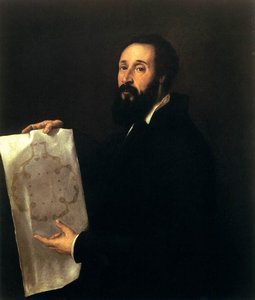
ジュリオ・ロマーノ
1499 - 1546 , イタリア
基本情報
- Artistic Movement Or Style: マニエリスム様式
- Artists Or Movements Influenced By This Artist: ['マニエリスム画家']
- Artists Who Influenced This Artist:
- ラファエロ
- ミケランジェロ
- Date Of Birth: 1499年頃
- Date Of Death: 1546年11月1日
- Full Name: ジュリオ・ロマーノ
- Nationality: イタリア人
- Notable Artworks (List Of Titles):
- ボルゴの火災
- パラッツォ・テ
- ヴィラ・マダーマ
- Place Of Birth (City And Country): ローマ、イタリア
関連記事
Giulio Romano: A Master of Mannerism & the Palazzo Te Legacy
Explore the revolutionary art of Giulio Romano, master of Mannerism & architect of Palazzo Te. Discover his influence, investment potential, and stunning frescoes – a guide for discerning collectors.

バロックのドラマ:現代のインテリアに壮麗さと情感を取り込む
バロック様式の歴史、絵画、家具の魅力をご紹介。ArtsDotでは、高品質な油絵複製やカスタムポートレートをご提供し、現代のインテリアに壮麗さと情感を取り入れます。アートコンサルテーションも承ります。

The Enduring Power of Painting: A Historical & Contemporary Exploration of Form and Emotion
Explore the rich history & enduring techniques of oil painting with ArtsDot. Discover masterpieces, learn about art collecting, and find authentic handmade reproductions crafted by skilled artists.

The Enduring Legacy of Oil on Canvas: Technique, History & Aesthetic Impact
Explore the rich history & techniques of oil painting – from Renaissance masters to Impressionism. Discover pigments, layering methods, and why this timeless medium endures. Expert insights for artists & art enthusiasts.

The Dramatic Flourish: Exploring the Baroque Movement's Enduring Legacy in Art History
Explore the dramatic world of Baroque art! Discover iconic artists like Caravaggio & Rubens, defining techniques, and its lasting impact on art history. Expert insights for collectors & enthusiasts at ArtsDot.