 プレビュー
プレビュー
 プリントを購入
 シェアする
シェアする シェアする
シェアする
 詳細を見る
詳細を見る

 ダウンロード
 似ている作品
 X線調査
X線調査 スライドショー
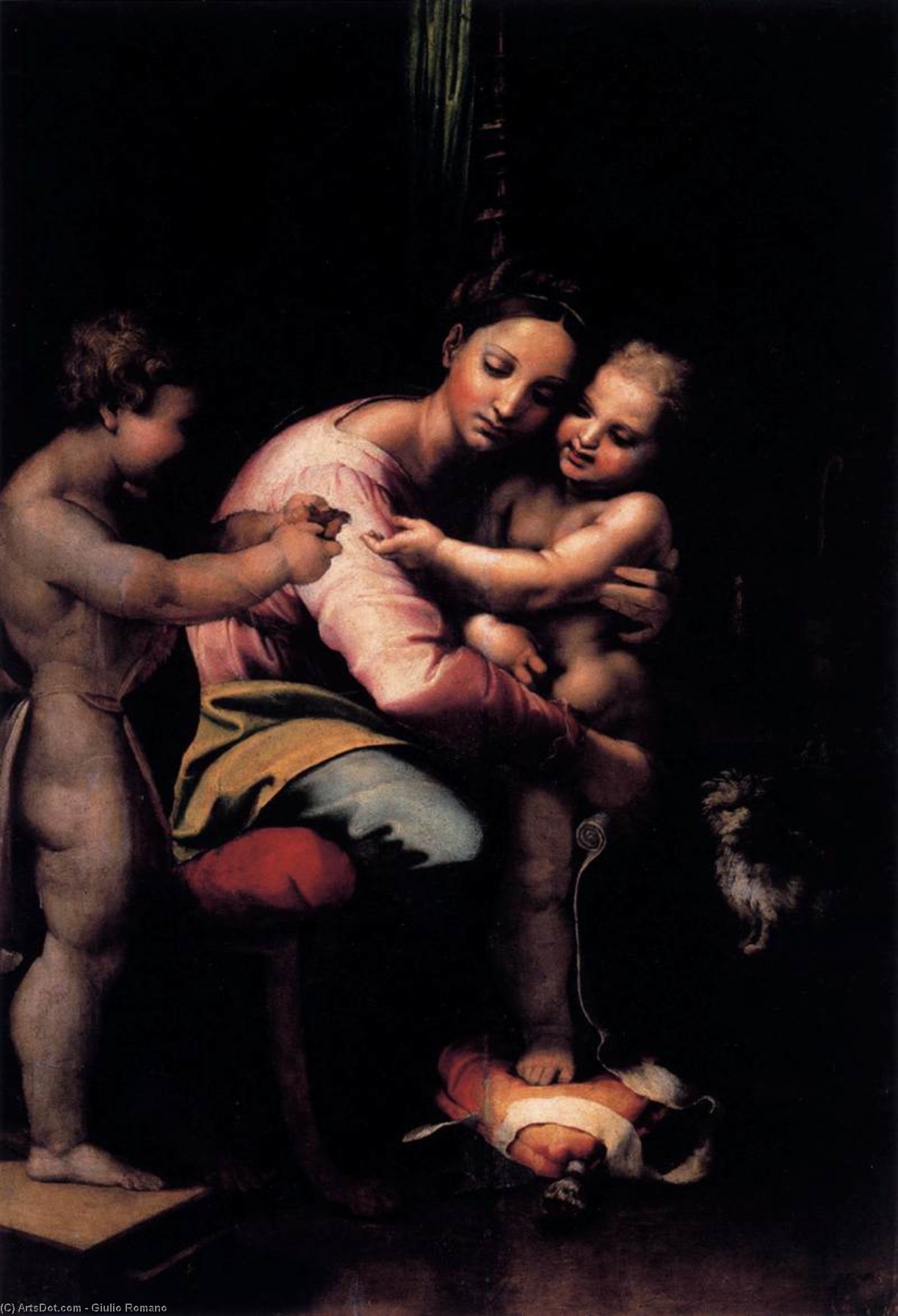
Virgin and Child with the Infant St John
 Acrylic On Canvas
- WallArt
- Mannerist Style
 1523
1523 126.0 x 85.0 cm
 ボ르게ーゼ美術館
 詳細を見る
詳細を見る




P118B $10

P118H $10

P118W $10

P438Z $10

P508JH $12

P508YH $12

P805H $10

P805Z $10

P919BZ $10

P919G $10

P919XJ $10

P959ZH $10

P968JZ $12

W106C $8

W218G $10

W218JH $8

W218Y $10

W307PJ $10

W316G $10

W316PJ $8

W316Y $10

W398PJ $8

W4111J $10

W500HY $15

W500JH $15

W692G $12

W849H $8

W940BG $15

W953PJ $8




作品のオリジナル比率に合わせた、当店の規定サイズからお選びください。

特定のフレームやスペースに合わせて、ご希望のサイズをご入力いただけます。選択されたサイズが元の画像の比率と異なる場合、アートワークをトリミングするか、手描きで要素を追加して絵画を拡張いたします。デジタルモックアップ を制作し、制作開始前にご確認(承認)をいただきます。
画面上のプレビューは、実際のトリミングや拡張を正確に反映しているものではありません。最終的な構図は、モックアップによってのみ正確にご確認いただけます。
カスタムサイズもご利用いただけますが、元の比率を維持するためには、あらかじめ用意されたリストからサイズを選択することをお勧めいたします。
ご注文後、ArtsDot.com チームより詳細な指示をお送りするとともに、仕上がりイメージ(モックアップ)をご提供いたします。


 ガラスオプションは、110cm未満のサイズでのみご利用いただけます。

Virgin and Child with the Infant St John
複製技法
複製画のサイズ
-


合計金額
$ 263
作品解説
Giulio Romano’s Virgin and Child with the Infant St John: A Study in Mannerist Elegance
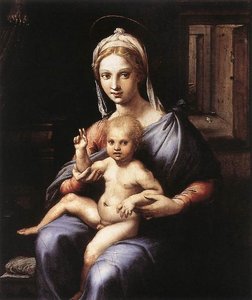
The painting “Virgin and Child with the Infant St John” by Giulio Romano stands as a testament to the enduring fascination of Renaissance art—specifically, its transition into the expressive dynamism of Mannerism. Executed around 1523 during Romano’s tenure at Palazzo Te in Mantua, this masterpiece embodies the stylistic principles that distinguished the sixteenth century from the serene idealism of its predecessor. It's housed within the Galleria Borghese in Rome, offering visitors a privileged glimpse into one of Italy’s most celebrated artistic treasures.Origins and Influences: Raphael’s Legacy
Romano’s debt to Raphael is undeniable. He began his artistic journey as a student under the tutelage of the Renaissance titan, absorbing Raphael's mastery of composition and idealized beauty. The drawing upon which Romano based this painting—a preparatory sketch by Raphael himself—demonstrates the profound impact of Raphael’s vision on subsequent artists. This deliberate echo of Raphael’s style isn’t merely stylistic homage; it reflects a broader artistic impulse to revisit and reinterpret established conventions, pushing boundaries while maintaining a connection to the foundational aesthetic ideals of the High Renaissance.Compositional Innovation: Distortion and Drama
Unlike Raphael's balanced compositions characterized by harmonious proportions and serene gazes, Romano deliberately introduces distortions—a subtle flattening of perspective and a slight exaggeration of anatomical features—to heighten emotional intensity. The Virgin Mary’s posture exudes regal composure yet simultaneously conveys tenderness as she cradles her son with unwavering devotion. The infant St John playfully grasps a bouquet of flowers, injecting an element of spontaneity into the scene. These deliberate manipulations serve not to undermine Raphael's aesthetic principles but rather to elevate them—to transform idealized beauty into emotionally resonant drama.Technique and Materials: Oil on Wood – A Delicate Balance
Romano skillfully employed oil paint on wood—a technique favored by Mannerist artists—to achieve remarkable textural detail and luminous color palettes. The artist meticulously rendered the folds of Mary’s robe, capturing the subtle nuances of light and shadow with exceptional precision. Furthermore, Romano's masterful use of color contributes significantly to the painting's expressive power. Cool blues and greens dominate the background, creating a sense of depth and atmosphere—contrasting sharply with the warm hues employed in depicting Mary and St John’s flesh tones. This careful orchestration of materials underscores Romano’s commitment to artistic excellence and reinforces the painting’s visual impact.Symbolism: Reverence for Faith and Innocence
The Virgin and Child embodies timeless symbols of faith, purity, and divine grace. The bouquet of flowers—a recurring motif in Mannerist art—represents innocence and springtime renewal, symbolizing Mary's maternal compassion and St John’s youthful vitality. The serene gaze of Mary reflects her unwavering devotion to God—a characteristic conveyed through Raphael’s earlier works as well. Romano’s reimagining of these symbols elevates them beyond mere decorative elements—transforming them into potent expressions of spiritual contemplation.Emotional Resonance: A Moment of Quiet Contemplation
Ultimately, “Virgin and Child with the Infant St John” transcends its formal innovations to evoke a profound sense of quiet contemplation. The painting captures a fleeting moment of tenderness between mother and son—a scene imbued with warmth, compassion, and an understated reverence for divine beauty. It invites viewers to pause and reflect on themes of faith, innocence, and maternal love—resonances that endure across centuries and continue to inspire admiration among art connoisseurs worldwide.関連作品
アーティストの略歴
ローマの始まりと巨匠の下での修行
ジュリオ・ロマーノ、本名ジュリオ・ピッピは1499年頃にローマで生まれました。ルネサンス盛期という激動の芸術的時代でした。彼の幼少期の詳細はほとんど不明ですが、すぐにラファエロの才能に認められ、その翼の下に入ったことは知られています。この修行は彼の技術的なスキルを磨くだけでなく、将来の様式探求の基礎を築く上で極めて重要な役割を果たしました。彼は単なる工房の手伝いではなく、ラファエロにとって不可欠な協力者となり、教皇ユリウス2世とレオ10世から依頼されたバチカン・スタンツァの装飾など、重要なプロジェクトに貢献しました。彼の筆致は、奇跡的な介入を描いた壮大なフレスコ画『ボルゴの火災』に見出すことができます。ラファエロが早逝した1520年後、ジュリオは枢機卿ジュリアーノ・デ・メディチのためにヴィッラ・マダーマの野心的な装飾を含む、数多くの未完の依頼を継承しました。この初期段階での大規模プロジェクトへの露出と貴族のパトロンからの要求は、彼のその後のキャリアを特徴づける自信と野心を彼に植え付けました。マニエリスムの誕生:古典的な調和からの逸脱
ルネサンスの伝統に深く根ざしている一方で、ジュリオ・ロマーノの芸術的軌跡はすぐに、従来の古典的なバランスと調和を重視する傾向から逸脱しました。彼はマニエリスムという様式の発展における重要な人物となり、その特徴は人工性、優雅さ、そしてしばしば不安な形態の歪みです。ミケランジェロの力強い人物像とダイナミックな構図、そしてより広範な芸術的実験の気候に深く影響を受け、ジュリオは彼の作品において非対称性、緊張感、感情的な強度を取り入れ始めました。これはルネサンスの理想を拒否するものではなく、むしろその限界を探求し、自然主義の制約を超えて、より表現豊かで知的に刺激的な作品を生み出そうとした意図的な試みでした。彼はラファエロの計画を徐々に修正し、ローマの芸術に新しい感性を注入しました—それは大規模なスケールでのマニエリスムの声明でした。この変化は彼のデッサンに見られやすく、驚くべき線の自由と劇的な遠近法の傾向を示しています。マントゥーアの巨匠:パラッツォ・テと建築的革新
1524年、ジュリオはマントゥーア公フェデリコ・ゴンザーガから宮廷画家兼建築家になるように招待されました。これは彼のキャリアにおける転換点となり、前例のない創造的な自由と資源を与えられました。彼は事実上、公国内のすべての芸術活動に責任を持つようになり、絵画やフレスコ画だけでなく、建築プロジェクト、庭園デザイン、さらには演劇制作も監督しました。この時期の彼の最も有名な業績は間違いなくパラッツォ・テであり、その並外れた郊外の別荘は彼の革新的な天才の証です。宮殿の内装は息を呑むような複雑さと心理的な深さを持つイリュージョニズムのフレスコ画で飾られています。たとえば、『巨人たちの間』(Hall of the Giants)は、神々と巨人の混沌とした戦いを描いており、観客を図像と建築的断片が渦巻く渦巻きに巻き込みます。この空間と視点の巧みな操作は畏敬の念を起こさせるだけでなく、不安な没入体験を生み出します。パラッツォ・テ以外にも、ジュリオはマントゥーア公宮殿や大聖堂の大規模な改修も行い、都市景観に消えない足跡を残しました。遺産と永続的な影響
ジュリオ・ロマーノは1546年にマントゥーアで亡くなり、その遺産はイタリアの国境をはるかに超えて広がりました。彼のデッサンはコレクターから高く評価され、特にマルカントニオ・ライモンディによる彼の作品に基づいた版画は、イタリアの芸術様式をヨーロッパ中に広める上で重要な役割を果たしました。彼は死後非常に有名になり、シェイクスピアの劇で言及されている唯一の「現代」のアーティストです—それは彼の広範な名声の証です。彼の影響は、そのダイナミックな構図、細長い人物像、そして表現力豊かな色彩の使用を採用した数多くの後続の芸術家の作品に見られます。マニエリスムが最終的に他の様式運動に取って代わられたとしても、ジュリオ・ロマーノの貢献は西洋美術の進化を理解する上で不可欠です。彼は転換点—高ルネサンスの調和のとれた理想から、16世紀後半のより複雑で感情的な美学への移行を表しています。彼の作品は今日でも観客を魅了し、挑戦し続けており、世界に対する私たちの理解を反映し、形作る芸術の力を思い出させてくれます。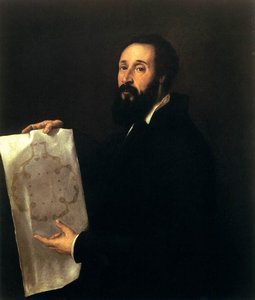
ジュリオ・ロマーノ
1499 - 1546 , イタリア
基本情報
- Artistic Movement Or Style: マニエリスム様式
- Artists Or Movements Influenced By This Artist: ['マニエリスム画家']
- Artists Who Influenced This Artist:
- ラファエロ
- ミケランジェロ
- Date Of Birth: 1499年頃
- Date Of Death: 1546年11月1日
- Full Name: ジュリオ・ロマーノ
- Nationality: イタリア人
- Notable Artworks (List Of Titles):
- ボルゴの火災
- パラッツォ・テ
- ヴィラ・マダーマ
- Place Of Birth (City And Country): ローマ、イタリア
関連記事
Giulio Romano: A Master of Mannerism & the Palazzo Te Legacy
Explore the revolutionary art of Giulio Romano, master of Mannerism & architect of Palazzo Te. Discover his influence, investment potential, and stunning frescoes – a guide for discerning collectors.

エル・グレコの傑作25選:魂を揺さぶる宗教画と芸術の深淵 | ArtsDot
エル・グレコの傑作25選:魂を揺さぶる宗教画の世界へ。スペイン絵画の巨匠、マニエリスム様式と Toledo の光彩を紐解きます。ArtsDot.com で名画のアートプリントや複製画をお楽しみください。コレクションはこちら →

フラ・アンジェリコの傑作25選:ルネサンス美術の神髄と至高の装飾 | ArtsDot
フラ・アンジェリコの傑作25選。ルネサンス美術の神髄を紐解き、天使のような静謐な色彩と宗教画の世界へ誘います。壁画やフレスコ画の技法、修道院に息づく祈りの絵…ArtsDotで至高のアートプリントをお手軽に。コレクションを探索する。

ジョット・ディ・ボンドーネ:至高の25選 - ルネサンスの夜明けを彩る傑作たち | ArtsDot
ジョット・ディ・ボンドーネの至高の25選。ルネサンス美術を牽引した巨匠の傑作と、その感動的な物語を紐解きます。高品質な絵画複製やインテリアアートで、名画の世界をあなたの空間に。ArtsDot.com でコレクションをご覧ください。
Jacob Henricus Maris: A Master of Dutch Atmospheric Realism & the Intimate Landscape
Explore the captivating world of Jacob Henricus Maris, a leading figure of the Dutch Hague School. Discover his atmospheric landscapes, signature brushstrokes & lasting influence on 19th-century art. Learn more at ArtsDot.