

 プレビュー
プレビュー
 プリントを購入
 シェアする
シェアする シェアする
シェアする
 詳細を見る
詳細を見る

 ダウンロード
 似ている作品
 X線調査
X線調査 スライドショー
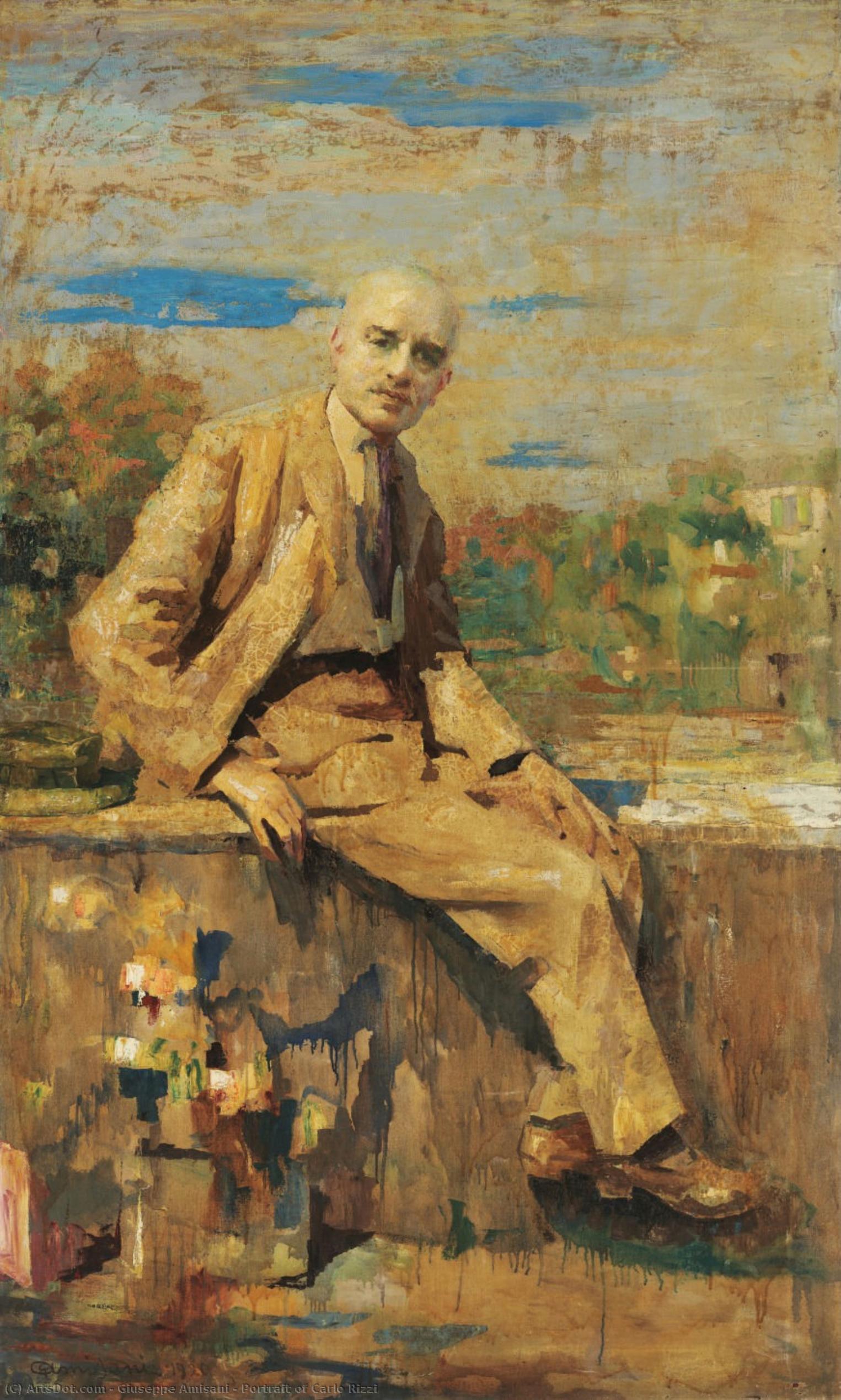
Portrait of Carlo Rizzi
 Oil
Oil- WallArt
- Contemporary Realism
 1920
1920- Modern
 200.0 x 122.0 cm
 Ca’ Granda – Ospedale Maggiore Policlinico
 詳細を見る
詳細を見る




P118B $10

P118H $10

P118W $10

P438Z $10

P508JH $12

P508YH $12

P805H $10

P805Z $10

P919BZ $10

P919G $10

P919XJ $10

P959ZH $10

P968JZ $12

W106C $8

W218G $10

W218JH $8

W218Y $10

W307PJ $10

W316G $10

W316PJ $8

W316Y $10

W398PJ $8

W4111J $10

W500HY $15

W500JH $15

W692G $12

W849H $8

W940BG $15

W953PJ $8




作品のオリジナル比率に合わせた、当店の規定サイズからお選びください。

特定のフレームやスペースに合わせて、ご希望のサイズをご入力いただけます。選択されたサイズが元の画像の比率と異なる場合、アートワークをトリミングするか、手描きで要素を追加して絵画を拡張いたします。デジタルモックアップ を制作し、制作開始前にご確認(承認)をいただきます。
画面上のプレビューは、実際のトリミングや拡張を正確に反映しているものではありません。最終的な構図は、モックアップによってのみ正確にご確認いただけます。
カスタムサイズもご利用いただけますが、元の比率を維持するためには、あらかじめ用意されたリストからサイズを選択することをお勧めいたします。
ご注文後、ArtsDot.com チームより詳細な指示をお送りするとともに、仕上がりイメージ(モックアップ)をご提供いたします。


 ガラスオプションは、110cm未満のサイズでのみご利用いただけます。

Portrait of Carlo Rizzi
複製技法
複製画のサイズ
-


合計金額
$ 263
A Glimpse into the Belle Époque: The Soul of Carlo Rizzi
In the quiet, contemplative depths of Giuseppe Amisani’s Portrait of Carlo Rizzi, we find more than just a likeness; we encounter a window into the refined elegance of the early twentieth century. Painted in 1920, this masterpiece captures a moment of profound stillness amidst a world in transition. The subject, Carlo Rizzi, sits with a dignified presence upon a stone wall, his gaze meeting the viewer with an intensity that is both serious and deeply introspective. Dressed in the sophisticated attire of his era—a meticulously rendered brown jacket paired with a perfectly coordinated tie—Rizzi embodies the poised, aristocratic spirit of the Italian Belle Époque. The artist masterfully uses the subject's steady expression to anchor the composition, inviting us to wonder about the thoughts held behind those searching eyes.
Amisani’s technical prowess is on full display through his command of light and texture. As a student of the prestigious Accademia di Brera, he inherited a tradition of Italian excellence that allowed him to manipulate oil pigments to create a sense of palpable reality. The heavy, tactile quality of the man's suit contrasts beautifully with the rugged, weathered surface of the stone wall, creating a sensory experience for the observer. While the foreground is dominated by the singular, commanding figure of Rizzi, the background reveals a subtle, bustling world. Faintly visible figures engage in various activities, their presence adding a layer of social context and depth to the scene without distracting from the central psychological study. This technique creates a soft, atmospheric perspective that pushes the subject forward, making his individual story feel even more intimate.
For the discerning collector or interior designer, this portrait offers an unparalleled opportunity to introduce a sense of historical gravity and timeless sophistication into a space. The color palette, rich with earthy tones and warm browns, provides a grounding element that complements both classical and contemporary decor. Beyond its aesthetic beauty, the painting serves as a profound emotional anchor; it evokes a sense of nostalgia for a lost era of grace and formal dignity. Whether placed in a grand library, a private study, or a curated gallery wall, a high-quality reproduction of this work by Amisani acts as a conversation piece that transcends time, offering a continuous dialogue between the modern viewer and the enduring legacy of Italian portraiture.
関連作品
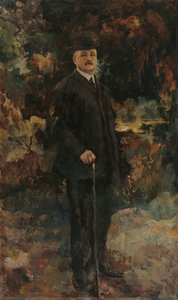
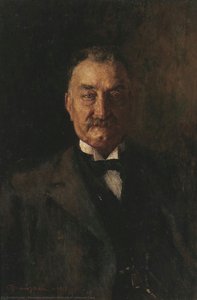
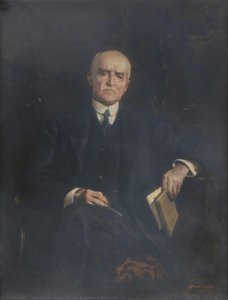
アーティストの略歴
ベル・エポックの忘れられた巨匠:ジュゼッペ・アミサーニの生涯と芸術
近年まで主流の美術史においてその名がほとんど語られることのなかったジュゼッペ・アミサーニは、イタリアの活気あふれるベル・エポック時代を象徴する重要な人物でした。1881年12月7日、ロンバルディア州パヴィア近郊のメデ・ディ・ロメッリーナに生まれた彼は、そのキャンバスを通じて当時のエリート層の優雅さと地位を捉えた、名高い肖像画家として頭角をあらわしました。彼が故郷に残した功績は、後に広場(ピアッツァ・メルカート)が「ジュゼッペ・アミサーニ広場」と改称されたことからも伺えます。彼の歩みは、パヴィアでの技術的な学問への挑戦から始まりましたが、デッサントレーニングの挫折が彼をより芸術的な道へと導くことになりました。ミラノのブレラ・アカデミーという神聖な学び舎において、チェーザレ・タリオーネやヴェスパーザノ・ビニャーミといった師の指導のもとで研鑽を積んだ彼は、洗練された技法と人間性の鋭い洞察力を兼ね備えた、独自のキャリアの礎を築いたのです。高まる名声と広がる国際的な地平
アミサーニの才能は瞬く間に認められ、1908年には作品『L'eroe(英雄)』で権威あるミュリウス賞を受賞するという輝かしい成功を収めました。この初期の成功は、数年後の1911年または1912年、名女優リダ・ボレッリの印象的な肖像画によって人物画部門のフマグッリ賞を獲得したことで、さらに揺るぎないものとなりました。これらの栄誉は彼を時代のスポットライトへと押し上げ、ミラノの上流社会において、誰もが求める肖像画家としての地位を確立させました。当時の彼のスタイルは、瑞々しさと優雅さを特徴とし、単なる外見の模写に留まらず、被写体の本質までも描き出す力を持っていました。しかし、アミサーニの野心はイタリアの国境を越えて広がっていました。彼は自身の芸術的ビジョンを深く形作るための広範な旅へと踏み出します。アルゼンチンやブラジルでの歳月は彼に未知の文化と風景をもたらし、イギリス、フランス、北アフマン、そしてアメリカへの訪問は、彼の視野を広げ、作品に国際的な感性を吹き込みました。これらの経験は単なる観察を超え、主題と技法の両面に影響を与える、彼の芸術的アイデンティティそのものとなったのです。王侯貴族から庶民までを描き出した肖像画家
再発見と遺産 生前には多大な成功を収めたものの、1941年9月8日にポルトフィーノで世を去った後、アミサーニの作品は相対的な忘却の淵へと沈んでいきました。彼の名は主要な美術史の文献から消え去り、その貢献は半世紀もの間、ほとんど忘れ去られていたのです。この忘却は、おそらく彼が未来派やキュビスムといった急進的な実験主義を避け、あえて当時の確立された芸術的伝統に留まる道を選んだことに起因しています。彼は前衛的な革新よりも、写実性と詳細な表現を優先し、パトロンたちの好みに応えることを重んじたのです。しかし、200察年、ヴィジェヴァーノのスフォルツァ城で開催された回顧展が、彼の芸術に対する新たな関心を呼び起こし、数十年の空白を経て彼の絵画は再び公衆の目に触れることとなりました。この再発見によって明らかになったのは、ミケランジェロやラファエロといった巨匠の影響を受け、細部への緻密なこだわりと人体への写実的な描写に深く根ざしたイタリア・ルネサンスの伝統を継承しつつも、ベル・エポックの優雅さと華やかさに独自の感性で呼応した芸術家の姿でした。ジュゼッペ・アミサーニの物語は、芸術的価値が時代の移り変わりや歴史の流れによって時として影に隠れてしまうこともあるが、真の才能は最終的に不滅であることを、私たちに切実に思い出させてくれます。芸術的特徴
アミサーニの絵画は、その技術的な輝きと洗練された審美眼によって特徴づけられます。- 彼の風景画は肖像画ほど多くはありませんが、同様の細部へのこだわりと空気遠近法を示しています。
- 彼は印象派の要素と古典的な感性を巧みに融合させ、視覚的な美しさと知的な深みを兼ね備えた作品を生み出しました。
- アミサーニの芸術は、楽観主義、繁栄、そして美への賛美に彩られたベル・エポックの価値観と志を反映しています。
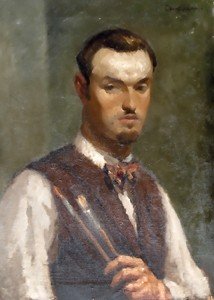
ジュゼッペ・アミサーニ
1881 - 1941 , イタリア
基本情報
- Artistic Movement Or Style: ベル・エポック肖像画
- Artists Who Influenced This Artist:
- ミケランジェロ
- ラファエロ
- Date Of Birth: 1881年12月7日
- Date Of Death: 1941年
- Full Name: ジュゼッペ・アミサーニ
- Nationality: イタリア
- Notable Artworks:
- L'eroe (英雄)
- La Teletta (少女)
- リダ・ボレッリの肖像
- ミケーレ・ベルノッキの肖像
- ダヴィデ・ランフランコニの肖像
- Place Of Birth (City And Country): イタリア、メーデ
関連記事
Jean-Georges Béraud: Capturing Parisian Life in the Belle Époque
Explore the captivating world of Jean-Georges Béraud, master painter of Belle Époque Paris. Discover his iconic scenes, artistic evolution, and social commentary. A deep dive into 19th-century French art.
Echoes of 1882: Art, Culture & the Belle Époque's Lasting Impression
Explore the art & culture of the Belle Époque! Discover Impressionism, Realism, and iconic Parisian paintings from Degas, Béraud & more. High-quality reproductions at ArtsDot.
Echoes of 1875: Art, Culture & the Belle Époque's Pivotal Moment
Explore the art & culture of 1875 Paris – a pivotal year for Impressionism & the Belle Époque. Discover Degas, Béraud, Stewart & more with ArtsDot's expert insights.
Giovanni Boldini: A Study in Belle Époque Portraiture & the Cult of Personality
Explore the captivating world of Giovanni Boldini, master of Belle Époque portraiture. Discover his signature style, iconic works like 'Miss Bell,' and lasting influence on art history. Expert analysis for collectors.
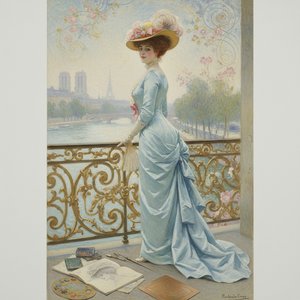
Paul César Helleu: Capturing Belle Époque Elegance & Artistic Innovation
Explore the captivating world of Paul César Helleu, master portraitist of the Belle Époque. Discover his innovative techniques, iconic works like 'Portrait of Margaret Kelly,' and investment potential with ArtsDot.

