 プレビュー
プレビュー
 シェアする
シェアする シェアする
シェアする
 詳細を見る
詳細を見る

 ダウンロード
 似ている作品
 X線調査
X線調査 スライドショー
 Stats
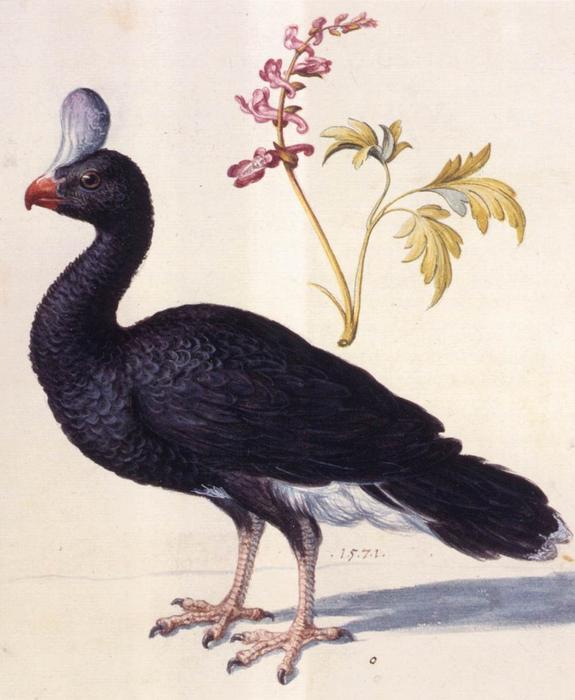
StatsStudy of a Helmeted Curassow


 詳細を見る
詳細を見る
ジークレー/アートプリント
迅速な制作と多彩な仕上げオプションを備えた、ミュージアムクオリティのジークレーまたはキャンバスプリント。 ( 手描きの絵画を購入 Switch to Digital Image)




P118B $10

P118H $10

P118W $10

P438Z $10

P508JH $12

P508YH $12

P805H $10

P805Z $10

P919BZ $10

P919G $10

P919XJ $10

P959ZH $10

P968JZ $12

W106C $8

W218G $10

W218JH $8

W218Y $10

W307PJ $10

W316G $10

W316PJ $8

W316Y $10

W398PJ $8

W4111J $10

W500HY $15

W500JH $15

W692G $12

W849H $8

W940BG $15

W953PJ $8




作品のオリジナル比率に合わせた、当店の規定サイズからお選びください。

特定のフレームやスペースに合わせて、ご自身でサイズを指定することも可能です。選択されたサイズが元の画像の比率と一致しない場合、作品をトリミングするか、鏡面反射または単色での塗りつぶしによって画像を拡張いたします。制作を開始する前に、ご確認用のデジタルモックアップをお送りいたします。
画面上のプレビューには、実際のトリミングや拡張は反映されませんのでご注意ください。最終的な構図を正確に確認できるのは、モックアップのみとなります。
カスタムサイズも承っておりますが、元の比率を維持するためには、あらかじめ用意されたリストからサイズを選択することをお勧めいたします。


 ガラスオプションは、110cm未満のサイズでのみご利用いただけます。

Study of a Helmeted Curassow
ジークレー/アートプリント
複製画のサイズ
-


合計金額
$ 62
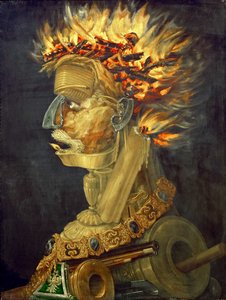
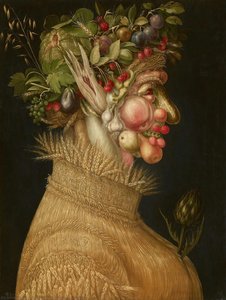
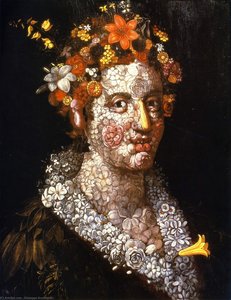
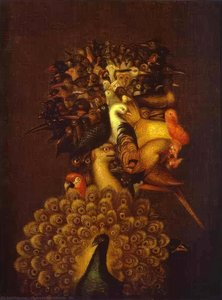
Giuseppe Arcimboldo’s “Study of a Helmeted Curassow”: A Portrait Beyond Representation
The art world remembers Giuseppe Arcimboldo not merely as a painter, but as an innovator—a visionary who dared to challenge the conventions of his time and forge a path toward artistic expression unlike any seen before. Born in Milan in 1527, Arcimboldo’s life coincided with the tumultuous period of the Renaissance, marked by groundbreaking scientific discoveries and fervent debates about humanism versus dogma. Yet, amidst this intellectual fervor, he pursued an utterly singular aesthetic: the composite portrait—a technique that would solidify his place as one of the most distinctive artists of the era. Arcimboldo’s approach wasn't simply about assembling disparate objects; it was a deliberate act of conceptual reimagining. Rather than striving for realistic depiction – a hallmark of portraiture at the time – he sought to convey an idea, a feeling, or even a philosophical statement through visual metaphor. His most famous works, like “Study of a Helmeted Curassow,” exemplify this ambition brilliantly. Completed in 1571, this watercolor painting depicts a Helmeted Curassow—a bird species celebrated for its striking plumage and regal posture—constructed entirely from meticulously arranged fruits, vegetables, flowers, and books.- Style & Technique: Arcimboldo’s method was revolutionary. He employed watercolor on canvas, layering translucent washes of pigment to achieve a luminous effect that subtly blended the textures of his chosen materials. The delicate brushstrokes capture the essence of each element—the velvety sheen of peaches, the vibrant hues of roses, the crispness of artichokes—creating an illusion of depth and dimensionality despite the apparent simplicity of the composition.
- Historical Context: Arcimboldo’s portraits emerged during a time when humanist ideals were gaining traction across Europe. Artists like Leonardo da Vinci championed observation and anatomical accuracy, but Arcimboldo deliberately rejected these standards, prioritizing symbolic representation over literal likeness. This decision reflected the broader Renaissance preoccupation with exploring hidden meanings within visual imagery.
- Symbolism & Allegory: The Helmeted Curassow itself is laden with symbolism. The curassow’s helmeted crest represents royalty and authority—a deliberate allusion to Arcimboldo's patron, Maximilian I Holy Roman Emperor. Furthermore, the fruits and vegetables symbolize fertility and abundance, mirroring the emperor’s desire for a prosperous reign. Books contribute intellectual wisdom and erudition, emphasizing Arcimboldo’s commitment to humanist values.
- Emotional Impact: Viewing “Study of a Helmeted Curassow” evokes a sense of wonder and contemplation. The artist's masterful manipulation of color and texture invites the viewer to engage in an imaginative dialogue—to consider not just what is seen, but what it signifies. Arcimboldo’s portraits are more than mere images; they are invitations to explore the complexities of human experience through the prism of artistic invention.
関連作品
アーティストの略歴
再構築された世界:ジュゼッペ・アルチンボルドの謎めいた芸術
ジュゼッペ・アルチンボルドという名は、空想的でありながら同時に深い奇妙さを感じさせるイメージを呼び起こし、ルネサンス美術における最も類稀な人物の一人として今なお語り継がれています。1527年にミラノで生まれた彼のキャリアは、知的な激動、宗教的な変革、そして自然界に対する飽くなき好奇心に満たされたヨーロッパを背景に展開されました。当初、彼は大聖堂を彩るフレスコ画や、確立された宮廷の規範に従った肖像画といった、より伝統的な作品でその名を知られるようになりました。しかし、アルチンボルドの不朽の遺産は、果物、野菜、花、本、さらには楽器に至るまで、緻密に配置された物体のみで構成された一連の「合成頭部」にあります。これらは単なる視覚的ないたずらを用いた遊び心のある試みではありませんでした。それらは複雑な寓意であり、ルネサンス期の世界観と深く共鳴する象徴性に満ちており、現代の観る者を惹きつけてやまない深遠な意味を内包していたのです。画家であった父ビアージョ・アルチンボルドは、若きジュゼッペに初期の芸術教育を与え、1549年頃から始まったミラノ大聖堂のステンドグラスやフレスコ画のデザイン業務においても、その影響を与えたことは間違いありません。この基礎的な経験が、彼の技術的な熟練度と細部への鋭い眼差しを養い、後の独創的で型破りな創作物の代名な特徴となったのです。宮廷の依頼と独自のスタイルの台頭
アルチンボルドの軌跡は、1562年にウィーンのハプスブルク宮廷においてフェルディナント1世の宮廷肖像画家へと任命されたことで、大きな転換点を迎えました。これは、マクシミリアン2世とその息子ルドルフ2世という、相次ぐ3人のハプスブルク家の統治者に対し、芸術的な万能術師(ポリマス)として仕えた20年以上に及ぶ道のりの始まりでした。肖像画の制作――それらでさえもしばしば微妙な奇抜さを漂わせていましたが――に留まらず、アルチンボルドの任務は衣装のデザイン、祭典の装飾、そして帝国のコレクションの整理にまで及びました。洗練された趣味と知的好奇心に満ちたこの環境こそが、彼のシグネチャー・スタイルが開花する舞台となったのです。斬新さとスペクタクルを求める宮廷の要求は、実験のための肥沃な土壌となり、彼を伝統的な肖像画の枠組みを超え、名高い「合成頭部」の創造へと向かわせました。これらは突発的な衝動から生まれたのではなく、パズルや謎解き、そして一見ありふれた物体の中に隠された意味を探求するというルネサンス期の熱狂を基盤として、段階的に進化していったものでした。トロンプ・ルイユ(だまし絵)の効果や歪んだ遠近法を試みた先人たちの影響も見受けられますが、アルチンボルドはそれらの要素を統合し、表現に関する従来の概念に挑戦する、彼独自の視覚言語へと昇華させたのです。象徴の解読:目に見えるもの以上の真実
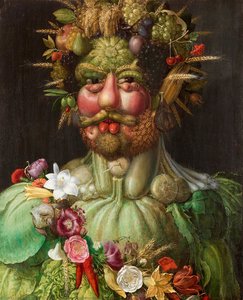
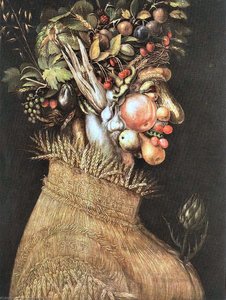
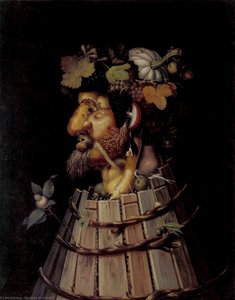
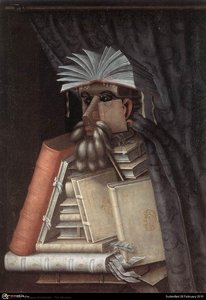
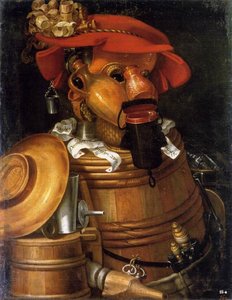
アルチンボルドの作品を単なる奇抜な遊びとして片付けてしまうことは、そこに秘められた深い知的な奥行きを見落とすことになります。彼の合成肖像画の中に配置された個々の物体は、描かれた人物の性格、職業、あるいは社会的地位に関連する象徴的な意味を込めて、慎重に選ばれていました。例えば、『司書』は単に本で構成された顔ではありません。それは学問的な虚栄心に対する鋭い批判であり、内容を真に理解することなく知識を蓄積する人々への風刺なのです。髭を形成する動物の尻尾は、棚で埃をかぶっている放置された書物を暗示しています。同様に、四季を描いた肖像画、特に皇帝ルドルフ2世を庭園と変化のローマ神へと仕立てた『ウェルトゥヌス』は、植物学的な象徴性に満ちており、科学や自然史に対する皇帝の庇護を反映しています。これらの作品は、即座に解読されることを意図したものではありませんでした。むしろ、物体が遊び心たっぷりに配置された層の中に隠された意味を、観る者が自ら紐解いていくような深い思索を促すように設計されていたのです。無生物から人間の姿を構築するという行為そのものが、万物の相互関連性についての瞑想として機能しており、それは宇宙の根底にある調和を信じたルネサンス期の新プラトン主義の反映でもありました。遺産と再発見:シュルレアリスムの前駆者として
生前には成功を収めていたものの、1593年の死後、アルチンボルドの名声は数世紀にわたって衰退していきました。彼の作品はしばろ、技術的な熟練度は認められつつも、真の芸術的価値に欠ける「珍品」の領域へと追いやられていました。しかし、20世紀になり、シュルレアリスムの台頭によって彼の芸術に対する再評価が劇的に進むこととなります。サルバドール・ダリのような芸術家は、アルチンボルドの中に、従来の知覚に挑戦し、予期せぬイメージの並置を通じて潜在意識を探求しようとした先見的な精神を見出したのです。アルチンボルドの影響は、ダリ自身の夢のような構成や、変容と錯覚への執着の中にも見て取ることができます。今日、アルチンボルドは美術史における極めて重要な人物として称えられています。象徴主義の革新的な使用と遊び心のある歪曲によって、世界中の芸術家にインスピレーションを与え続け、観衆を魅了し続けるシュルレアリスムの前駆者なのです。彼の絵画は、ウィーンの美術史博物館やパリのルーヴル美術館といった権威ある美術館に収蔵されており、その比類なきヴィジョンが、これからも世代を超えて響き渡り続けることを約束しています。彼の遺産は、想像力が持つ不朽の力と、周囲の世界に対する私たちの理解を変容させる芸術の可能性を証明するものなのです。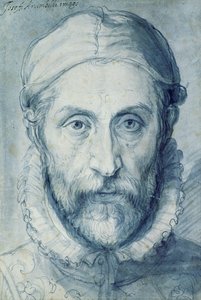
ジュゼッペ・アルチンボルド
1527 - 1593 , イタリア
基本情報
- Artistic Movement Or Style: マニエリスム、シュルレアリズム
- Artists Or Movements Influenced By This Artist:
- サルバドール・ダリ
- シュルレアリスム
- Date Of Birth: 1527年4月5日
- Date Of Death: 1593年7月11日
- Full Name: ジュゼッペ・アルチンボルド
- Nationality: イタリア人
- Notable Artworks (List Of Titles):
- 花の静物
- 四季
- ウェルトゥムヌス
- 司書
- Place Of Birth (City And Country): ミラノ、イタリア
関連記事
水彩の永続的な魅力:歴史、技法、そして現代の実践
水彩画の歴史、技法、現代の実践を深く探求。巨匠たちの名画から初心者向けテクニックまで解説。ArtsDot.comでは高品質な複製画やカスタムポートレートをご提供します。アートコンサルテーションも受付中。
Ephemeral Visions: Exploring the Artistic Legacy & Nuances of Watercolor Painting
Explore the captivating world of watercolor painting! Discover its rich history, essential techniques, influential artists & collecting tips from art experts. A comprehensive guide for enthusiasts.
Watercolor Wonders: 10 Masterpieces That Redefined Art History | ArtsDot
Journey through 10 legendary watercolor masterpieces by Sargent, Turner & Homer! Explore iconic landscapes, portraits & floral art that redefined history. Find museum-quality reproductions and curated decor ideas at ArtsDot.com.
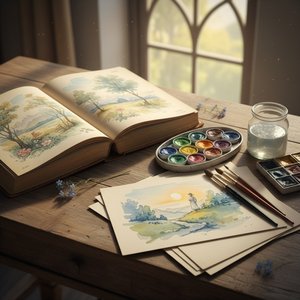
Ephemeral Visions: Exploring the History & Emotional Resonance of Watercolor Painting
Explore the captivating history of watercolor painting, from ancient techniques to modern masters like Kandinsky & Blake. Discover essential artists, collecting tips & the emotional power of this luminous medium. Expert insights for art enthusiasts.
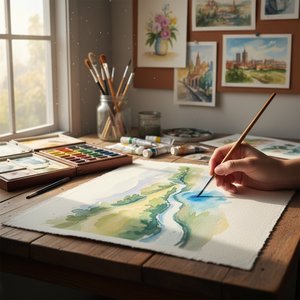
Ephemeral Visions: Exploring the Artistic Legacy & Contemporary Practice of Watercolor Painting
Explore the captivating world of watercolor painting! Discover its rich history, essential techniques, influential artists & collecting tips. A comprehensive guide for art enthusiasts from ArtsDot.