

 プレビュー
プレビュー
 シェアする
シェアする シェアする
シェアする
 詳細を見る
詳細を見る

 ダウンロード
 似ている作品
 X線調査
X線調査 スライドショー
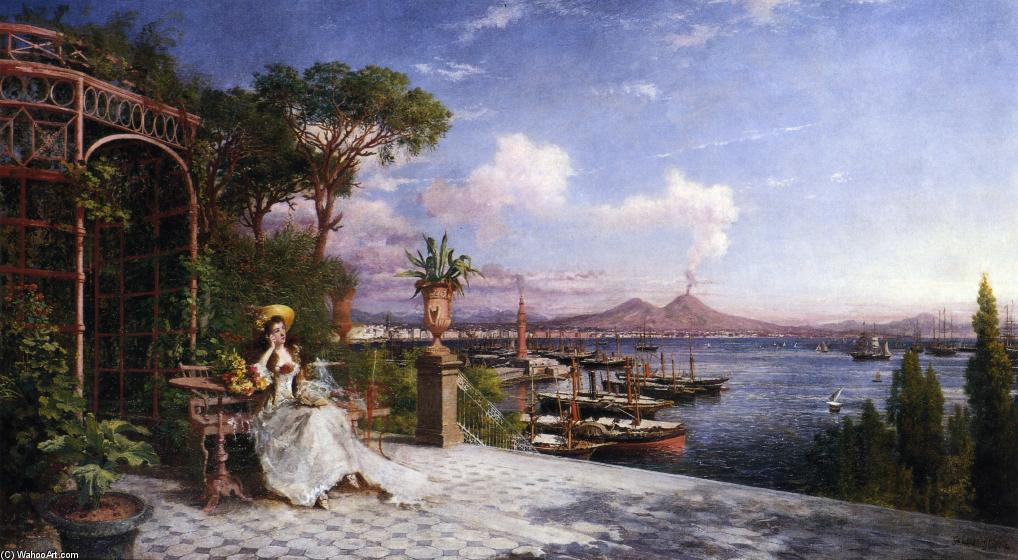
Lost in Reverie by The Bay of Naples

 詳細を見る
詳細を見る
ジークレー/アートプリント
迅速な制作と多彩な仕上げオプションを備えた、ミュージアムクオリティのジークレーまたはキャンバスプリント。 ( 手描きの絵画を購入 画像を購入)




P118B $10

P118H $10

P118W $10

P438Z $10

P508JH $12

P508YH $12

P805H $10

P805Z $10

P919BZ $10

P919G $10

P919XJ $10

P959ZH $10

P968JZ $12

W106C $8

W218G $10

W218JH $8

W218Y $10

W307PJ $10

W316G $10

W316PJ $8

W316Y $10

W398PJ $8

W4111J $10

W500HY $15

W500JH $15

W692G $12

W849H $8

W940BG $15

W953PJ $8




作品のオリジナル比率に合わせた、当店の規定サイズからお選びください。

特定のフレームやスペースに合わせて、ご自身でサイズを指定することも可能です。選択されたサイズが元の画像の比率と一致しない場合、作品をトリミングするか、鏡面反射または単色での塗りつぶしによって画像を拡張いたします。制作を開始する前に、ご確認用のデジタルモックアップをお送りいたします。
画面上のプレビューには、実際のトリミングや拡張は反映されませんのでご注意ください。最終的な構図を正確に確認できるのは、モックアップのみとなります。
カスタムサイズも承っておりますが、元の比率を維持するためには、あらかじめ用意されたリストからサイズを選択することをお勧めいたします。


 ガラスオプションは、110cm未満のサイズでのみご利用いただけます。

Lost in Reverie by The Bay of Naples
ジークレー/アートプリント
複製画のサイズ
-


合計金額
$ 62
関連作品
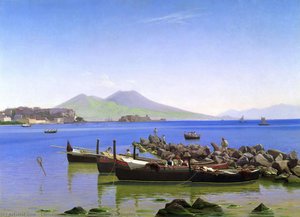
アーティストの略歴
Giuseppe Castiglione: A Bridge Between East and West
- Born: Milan, Italy (1688)
- Died: 1766
- Other Names: Lang Shining (郎世宁)
Giuseppe Castiglione was an Italian Jesuit brother and missionary who left a significant mark on Chinese art during the Qing dynasty. Born in Milan, he joined the Society of Jesus and eventually served as an artist at the imperial court for three successive emperors: Kangxi, Yongzheng, and Qianlong. His unique ability to blend European artistic techniques with traditional Chinese styles made him a highly valued figure within the imperial household.
Early Life and Training
- Castiglione received a private education in Milan, demonstrating an early aptitude for painting.
- He studied under a master painter, laying the foundation for his future artistic career.
- In 1707, he entered the Society of Jesus in Genoa, becoming a lay brother rather than a priest. This allowed him to pursue his artistic talents while remaining within the Jesuit order.
- Before traveling to China, Castiglione spent several years in Coimbra, Portugal, where he decorated the chapel of St. Francis Borgia with notable paintings, including *Circumcision of Jesus*.
Artistic Career and Style
- Arrival in China: Castiglione arrived in Beijing in 1715 and initially worked as an artisan in the imperial enamel workshop.
- Adoption of Chinese Name: He adopted the name Lang Shining, signifying his integration into Chinese society.
- Fusion of Styles: Castiglione’s artistic style is characterized by a remarkable fusion of European and Chinese traditions. He skillfully combined Western perspective, shading techniques (chiaroscuro), and draftsmanship with traditional Chinese themes, composition styles, and materials like silk.
- Imperial Patronage: His talent was quickly recognized, leading to patronage from the Yongzheng Emperor who commissioned several works. The Qianlong Emperor particularly favored Castiglione, granting him increasingly higher official ranks and commissioning numerous paintings over three decades.
- Subjects of his Work: Castiglione’s subjects included portraits of emperors and empresses, depictions of tribute horses (a series known as the "Four Afghan Steeds"), and a significant series of “Battle Copper Prints” commemorating Qianlong's military campaigns.
Notable Works and Legacy
- One Hundred Horses in a Landscape (1728): This monumental work for the Yongzheng Emperor is considered Castiglione’s masterpiece. Executed on silk, it showcases his mastery of perspective and light while subtly adapting European techniques to suit Chinese aesthetics.
- Battle Copper Prints: These prints, created in collaboration with other Jesuit artists, documented Qianlong's military victories and were distributed both within China and to Europe, demonstrating the global reach of Castiglione’s work.
- Architectural Contributions: Beyond painting, Castiglione also designed Western-style palaces within the Old Summer Palace gardens, further blending European and Chinese architectural styles.
Historical Significance
- Cultural Exchange: Giuseppe Castiglione played a pivotal role in facilitating cultural exchange between Europe and China during the 18th century. His art served as a bridge, introducing Western artistic techniques to China while simultaneously incorporating Chinese elements into his own work.
- Influence on Qing Court Art: He significantly influenced the aesthetic of the Qing court, contributing to a new style that combined realism with traditional Chinese conventions.
- Legacy: Castiglione’s legacy continues to be celebrated for its unique blend of artistic traditions and its historical significance as a testament to cross-cultural understanding and collaboration. His works are highly valued by collectors and scholars alike, offering valuable insights into the art and culture of 18th-century China.
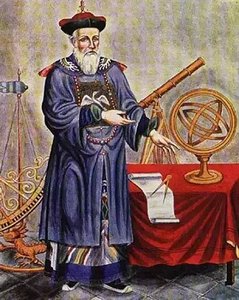
Giuseppe Castiglione
1688 - 1766 , Italy
基本情報
- Artistic Movement Or Style: European and Chinese fusion
- Artists Who Influenced This Artist:
- Carlo Cornara
- Andrea Pozzo
- Date Of Birth: 1688-07-19
- Date Of Death: 1766-07-17
- Full Name: Giuseppe Castiglione
- Nationality: Italian
- Notable Artworks:
- One Hundred Horses in a Landscape
- Four Afghan Steeds
- Place Of Birth: Milan, Italy
関連記事

ロマン派ランドスケープ:時代を彩る巨匠の10選|アートとインテリアの世界
ロマン派絵画の時代を彩る10選。巨匠たちの風景が織りなす感動の世界へ。ターナー、ルーベンスなど、名作の裏話と高精細複製でアートをお部屋に。ArtsDot.comで至福のアート体験を。

ジョン・コンスタブルの傑作25選:英国風景画の巨匠が描く自然と光の詩 | ArtsDot
ジョン・コンスタブルの傑作25選。英国風景画の巨匠が描く自然と光の詩の世界へ。ロマン主義を代表する絵画、デダム・ヴェールやヘイ・ウェインなど、ArtsDotで高品質なアートプリントをお楽しみください。インテリアに深みと感動を。コレクションはこちら。

Evocations of Place: A Historical Journey Through Landscape Art
Explore the rich history of landscape art with ArtsDot. Discover renowned artists, movements like Impressionism & Romanticism, and expert guidance for collecting timeless pieces. Find your perfect serene escape today!
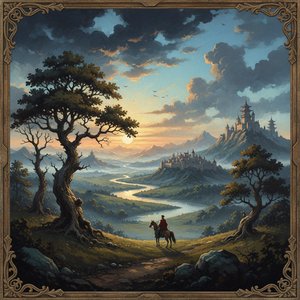
Evoking Atmosphere & Identity: A Journey Through Landscape Painting's History
Explore the rich history of landscape painting! Discover renowned artists, movements like Romanticism, & techniques such as atmospheric perspective. Find inspiration and quality reproductions at ArtsDot.
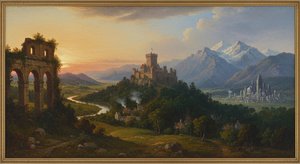
Evocations of Place: A Historical Journey Through Landscape Art
Explore the rich history of landscape art with ArtsDot. Discover renowned artists, movements like Impressionism & tonalism, and expert guidance for collecting timeless pieces. Find your perfect serene escape today!