

 プレビュー
プレビュー
 プリントを購入
 シェアする
シェアする シェアする
シェアする
 詳細を見る
詳細を見る

 ダウンロード
 似ている作品
 X線調査
X線調査 スライドショー
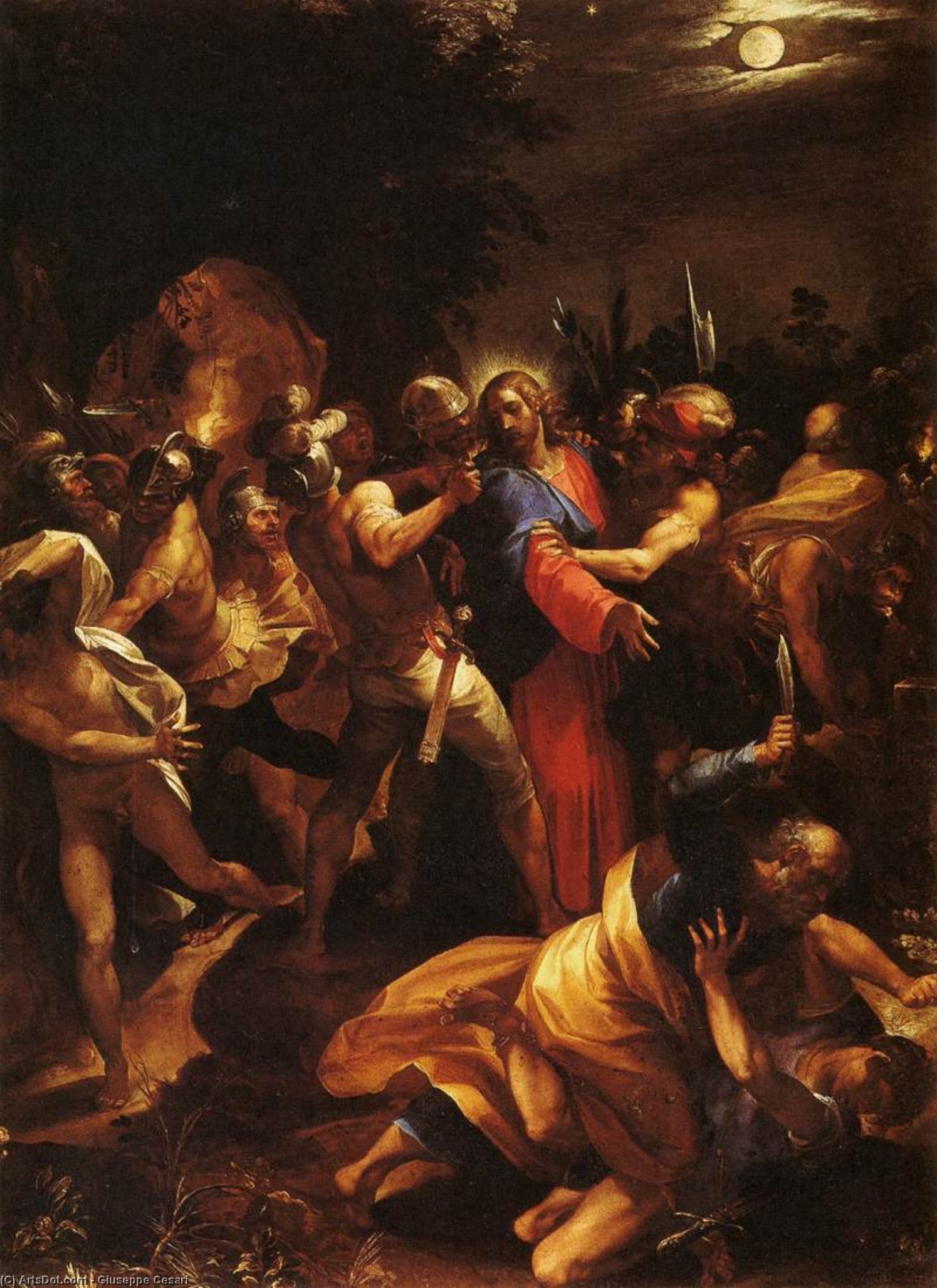
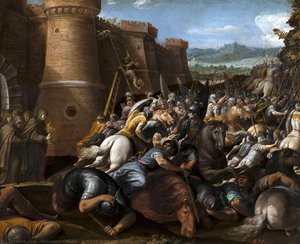
The Betrayal of Christ
 Oil On Canvas
- WallArt
- Mannerist
 1596
1596 77.0 x 56.0 cm
 ボ르게ーゼ美術館
 詳細を見る
詳細を見る
オンラインプレビューをはるかに凌ぐ、高解像度で鮮明なデジタル画像をご購入いただけます。
各ファイルは、社内の専門家が高度なツールと熟練した手作業によるレタッチを用いて、細心の注意を払って準備されています。すべての画像において、卓越した鮮明度、正確な色彩再現性、そして繊細なディテールを保証いたします。
最終ファイルは、プロフェッショナルな編集・印刷環境ですぐにご利用いただけるよう最適化された状態で、72時間以内にメールにてお届けいたします。これは、一流のデザインスタジオ、出版社、ギャラリーから信頼されているものと同等の品質です。
デジタル画像のご注文に付随する特典
高品質なデジタル画像配信を、確かな品質で。
ArtsDot.com を選ぶことは、単に画像を手に入れることではありません。それは、プロの手によって精密に仕上げられ、満足保証が付いた高品質なデジタルアートワークを受け取ることを意味します。ご注文いただいた際に自動的に付随する内容は、以下の通りです:

メールですぐにお届け
ご注文から72時間以内に、高解像度のデジタル画像ファイルがメールでお手元に届きます。すぐにそのままご利用いただけます。

AI技術で最適化されたデジタルファイル
お客様の作品は、高度なAIツールと専門家による手作業の編集を組み合わせてプロフェッショナルに最適化されており、細部のディテール、鮮明さ、そして正確な色再現性を最大限に引き出しています。

一生涯無料の再送サービス
ファイルを誤って削除したり、紛失してしまったりしましたか?ご安心ください。いつでも無料で再送いたします。

輸入手数料は一切かかりません
関税や手数料、配送料を気にすることなく、お気に入りのアートワークをすぐにお楽しみいただけます。デジタルダウンロードは常に免税です。

色彩再現の保証
プロ仕様のツールとカラーマネジメント技術を用いることで、デジタル画像が元の色を最大限に忠実に再現することを保証いたします。

60日間満足保証
ご購入いただいたデジタル画像にご満足いただけない場合は、60日以内であれば、修正または100%の返金(理由を問う必要はありません)をさせていただきます。

100% 返金保証
ご満足いただけない場合は、デジタルファイルを受け取ってから60日以内であれば、理由を問わず全額返金いたします。

まとめ買い割引
3枚購入で10%OFF - 5枚購入で15%OFF - 10枚以上購入で20%OFF。クリエイティブなプロジェクト、ギャラリー、エージェンシーに最適です。
作品の詳細
Giuseppe Cesari’s “The Betrayal of Christ”: A Study in Mannerist Drama
Giuseppe Cesari's "The Betrayal of Christ," painted around 1596, is not merely a depiction of a pivotal biblical moment; it’s a carefully constructed tableau brimming with psychological intensity and the hallmarks of the late Mannerist style. This monumental work, measuring a commanding 77 x 56 cm, transcends simple narrative illustration, offering instead a profound meditation on treachery, faith, and the agonizing weight of betrayal within the tumultuous landscape of Renaissance Rome. The painting immediately draws the eye to the central figures – Jesus, caught in an expression of bewildered sorrow, and Judas Iscariot, his face a mask of calculated malice, poised to deliver the fatal kiss. Cesari masterfully utilizes dramatic lighting, casting deep shadows that heighten the sense of foreboding and emphasizing the emotional turmoil etched upon each character’s countenance.
Cesari's artistic lineage is deeply rooted in the Florentine Mannerist tradition, a style characterized by its elongated figures, complex compositions, and an emphasis on expressive gesture. He inherited this legacy from artists like Pontormo and Bronzino, but Cesari infused it with his own distinctive sensibility – a heightened sense of theatricality and a masterful command of color. The palette is rich and opulent, dominated by deep reds, blues, and golds, creating a visually arresting effect that mirrors the grandeur of the papal court where the painting likely resided. Notice particularly the use of crimson to highlight Judas’s cloak, immediately associating him with sin and deceit – a deliberate choice that underscores his role as the catalyst for Christ's demise.
The Setting: A Stage for Tragedy
The scene unfolds outdoors, against a backdrop of a dramatic, moonlit sky—a common device in Mannerist art to evoke an atmosphere of mystery and heightened emotion. The landscape is rendered with a degree of abstraction, prioritizing the conveyance of mood over strict topographical accuracy. A small group of disciples, including Peter, stand frozen in expressions of shock and disbelief, while others – notably John – are depicted reaching for their swords, signaling the imminent violence to come. A dog, strategically placed within the composition, adds another layer of symbolic complexity. Often interpreted as a representation of loyalty or, conversely, betrayal (a pointed allusion to Judas’s own deceit), its watchful gaze contributes significantly to the painting's overall sense of unease and impending doom.
The artist’s attention to detail is remarkable. The folds of the figures’ garments are rendered with meticulous precision, creating a palpable sense of texture and volume. Cesari skillfully employs *chiaroscuro* – the dramatic contrast between light and shadow – to sculpt the forms and draw the viewer's eye to key elements within the composition. This technique not only enhances the painting’s visual impact but also serves to heighten the emotional intensity, emphasizing the vulnerability of Christ and the malevolence of Judas.
Symbolism and Historical Context
“The Betrayal of Christ” was painted during a period of intense religious fervor and political intrigue in Rome. The papacy under Clement VIII and Sixtus V was characterized by lavish patronage of the arts, as the Church sought to reaffirm its authority and project an image of power and piety. Cesari’s work reflects this climate, embodying the dramatic and emotionally charged aesthetic favored by the papal court. The painting's subject matter – the betrayal of Christ – resonated deeply with contemporary audiences, who were grappling with questions of faith, morality, and the nature of evil.
Furthermore, the inclusion of the dog is particularly significant within the context of Renaissance symbolism. Dogs have long been associated with loyalty, but also with treachery and deceit—a duality that perfectly encapsulates the central theme of the painting. Cesari’s strategic placement of the animal serves as a potent reminder of the inherent ambiguity of human nature and the ever-present threat of betrayal.
A Masterpiece of Mannerist Drama
“The Betrayal of Christ” by Giuseppe Cesari is more than just a religious painting; it’s a profound exploration of human psychology, faith, and the devastating consequences of betrayal. Cesari's masterful command of composition, color, and *chiaroscuro* creates a visually arresting and emotionally resonant work that continues to captivate viewers centuries after its creation. Reproductions of this powerful image offer an exceptional opportunity to experience the drama and intensity of Cesari’s vision – a testament to his skill as a painter and a poignant reminder of one of history's most enduring tragedies.
関連作品


作家の略歴
ジュゼッペ・チェザーリ:マニエリスムの壮麗を極めた巨匠
1568年頃にアルピーノで生まれ、1640年にローマでその生涯を閉じたジュゼッペ・チェザーリは、イタリア美術史という豊かな織物の中に、魅惑的でありながらどこか謎めいた存在として刻まれています。盛期ルネサンスやバロック期の巨匠たちのような熱狂的な称賛を常に浴びてきたわけではありませんが、彼のキャリアは、芸術様式とパトロネージュ(保護)が劇的な転換期を迎えた極めて重要な時代を駆け抜け、その変遷の目撃者として、また当事者として活動しました。彼の物語は、野心と卓越した技術、そしてローマという輝かしい芸術界の中で、永劫に残るレガシーを確立しようともがき続けた、執念にも似た闘いの記録でもあります。彼は、ルネサンスの古典的理想と、後のバロック時代を定義することになる劇的な革新を繋ぐ架け橋として、マニエリスム期における極めて重要な役割を果たしたのです。 チェザーリの幼少期については、今なおいくらかの神秘に包まれていますが、ローマとナポリの間に位置する小さな町アルピーノに生まれたことは広く知られています。画家であった父ジュゼッペもまた、若き日の彼に芸術的技法の基礎を授けました。しかし、彼の運命を真に決定づけたのは、ローマへの移住でした。教皇庁のパトロネージュの中心地であり、イタリア全土、さらには国外からも芸術家が集まる磁石のような都市ローマは、比類なきチャンスと、同時に熾烈な競争をもたらしました。彼は当初、バチカンのフレスコ画で知られるベネデット・チェザーニに師事し、その後、高名な建築家カルロ・マデルノとの関わりを持つに至ります。この繋がりは決定的な意味を持ち、彼に重要な依頼の扉を開き、ローマの芸術界における有力者たちへと彼を導くこととなったのです。宮廷画家の台頭
チェザーリのキャリアが真の飛躍を遂げたのは、教皇クレメンス8世(1592-1605)の治世においてでした。彼は瞬く間に需要の高い画家としての地位を確立し、名声と富をもたらす権威ある依頼を次々と獲得していきました。彼の最も輝かしい功績は、間違いなくサン・ピエトロ大聖堂の装飾への参画にあります。1603年から1612年にかけて、彼は大聖堂のドームを彩る壮大なモザイク画の設計を託されました。これは、彼の技術的卓越性と芸術的野心を世に知らしめる記念碑的な事業でした。キリストの生涯や聖母マリアの場面を描いたこれらのモザイクは、マニエリスム様式のモザイク芸術における最高傑作の一つと見なされています。サン・ピエトロ大聖堂のみならず、チェザーリはローマ中の宮殿、教会、私邸のフレスコ画など、数多くの依頼を受けていました。彼は極めて多作な芸術家であり、その膨大な作品群には、彼の多彩な技能と様式へのこだわりが色濃く反映されています。影響と遺産
チェザーリの芸術的発展は、当時のローマに蔓延していた多様な様式に触れたことによって、疑いようもなく形作られました。彼はラファエロやミケランジェロといった盛期ルネサンスの巨匠たちから影響を吸収しながら、同時にマニエリスム特有のエキセントリックな傾向とも深く関わっていました。また、当時の指導的な建築家であったカルロ・マデルノとの結びつきは、彼の芸術的視野をさらに広げ、革新的な建築概念やデザイン原理に彼を触れさせました。これほどの成功を収めながらも、チェザーリの遺産にはどこか曖昧さが残っています。生前は広く親しまれたものの、その作品は技術的には熟練しているが、独創性や深い感情的奥行きに欠ける、と見なされることも少なくありません。しかし、サン・ピエトロ大聖堂の装飾における彼の貢献は、キリスト教世界で最も象徴的な建造物の一つにおいて、彼の名が永遠に刻まれ続けることを約束しています。忘れ去られた巨匠か?
ジュゼッペ・チェザーリの物語は、ルネサンス期の複雑で競争の激しいパトロネージュの世界を渡り歩いた芸術家たちが直面した、困難な道のりを痛切に思い起こさせます。勝利と忘却の両面を併せ持つ彼のキャリアは、ヨーロッパ美術史における極めて重要な時期の、芸術制作と受容のダイナミズムについて貴重な洞察を与えてくれます。より有名な同時代の画家たちの影に隠れながらも、チェザーリの作品は、その技術的な巧みさ、優雅な様式、そしてローマの視覚的景観への多大な貢献によって、今なお研究され、高く評価され続けています。さらなる研究と批判的な再評価によって、この見過ごされがちなマニエリスムの壮麗なる巨匠に対する、より深い理解がもたらされる日が来るのかもしれません。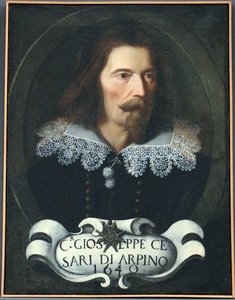
ジュゼッペ・チェザーリ
1568 - 1640
プロフィール概要
- Artistic Movement Or Style: マニエリスム
- Artists Or Movements Influenced By This Artist: ['フランドル・マニエリスム']
- Artists Who Influenced This Artist: ['カラヴァッジョ']
- Date Of Birth: 1568年
- Date Of Death: 1640年
- Full Name: ジュゼッペ・チェザーリ
- Nationality: イタリア
- Notable Artworks: ['サン・ピエトロ大聖堂のモザイク画']
- Place Of Birth: イタリア、アルピーノ

