

 プレビュー
プレビュー
 プリントを購入
 シェアする
シェアする シェアする
シェアする
 詳細を見る
詳細を見る

 ダウンロード
 似ている作品
 X線調査
X線調査 スライドショー
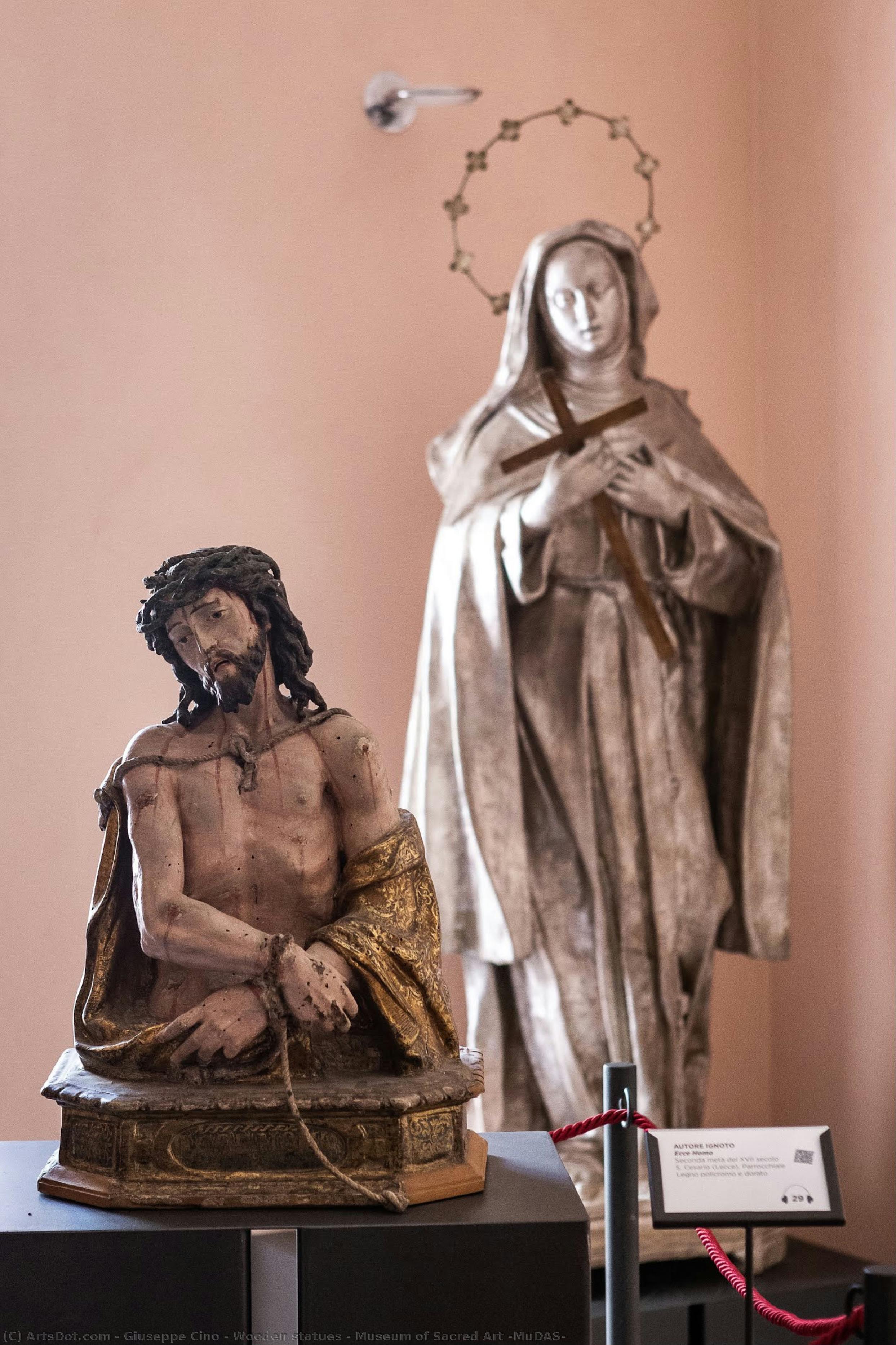
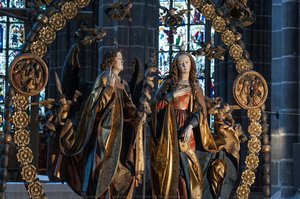
Wooden statues - Museum of Sacred Art (MuDAS)


 詳細を見る
詳細を見る




































作品のオリジナル比率に合わせた、当店の規定サイズからお選びください。

特定のフレームやスペースに合わせて、ご希望のサイズをご入力いただけます。選択されたサイズが元の画像の比率と異なる場合、アートワークをトリミングするか、手描きで要素を追加して絵画を拡張いたします。デジタルモックアップ を制作し、制作開始前にご確認(承認)をいただきます。
画面上のプレビューは、実際のトリミングや拡張を正確に反映しているものではありません。最終的な構図は、モックアップによってのみ正確にご確認いただけます。
カスタムサイズもご利用いただけますが、元の比率を維持するためには、あらかじめ用意されたリストからサイズを選択することをお勧めいたします。
ご注文後、ArtsDot.com チームより詳細な指示をお送りするとともに、仕上がりイメージ(モックアップ)をご提供いたします。


 ガラスオプションは、110cm未満のサイズでのみご利用いただけます。

Wooden statues - Museum of Sacred Art (MuDAS)
複製技法
複製画のサイズ
-


合計金額
$ 263
関連作品
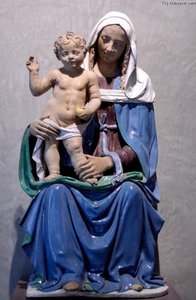
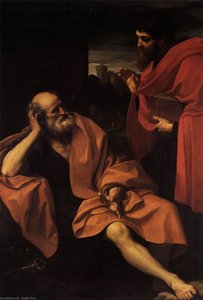
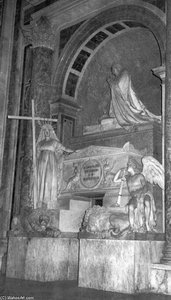


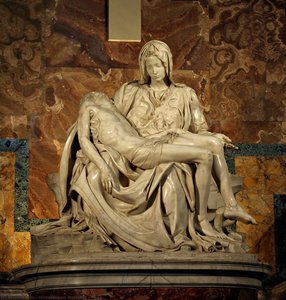
アーティストの略歴
The Architect of Lecce's Baroque Splendor
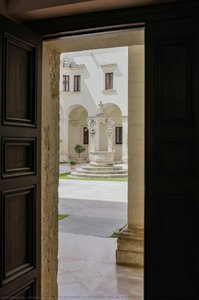
In the sun-drenched landscape of Puglia, where the golden stone of Lecce seems to capture and hold the very essence of light, the name Giuseppe Cino resonates as a master of the Baroque era. Born in 1645 into a noble family, Cino was not merely a builder of structures but a weaver of stone, an artist who helped transform his birthplace into what many have poetically called the Florence of the Baroque. His life and career were deeply intertwined with the architectural evolution of Lecce, a city that became a canvas for his profound understanding of space, ornament, and dramatic movement.
Cino’s artistic journey was shaped by the shadows and light of the masters who preceded him. He underwent rigorous training under the guidance of Giuseppe Zimbalo, one of the most formidable figures of the period. From Zimbalo, Cino inherited a command over the intricate, almost organic ornamentation that defines the Lecce Baroque style—a technique where rigid geometric foundations are softened by an explosion of floral motifs, cherubs, and swirling drapery. This duality became the hallmark of his development; he possessed the rare ability to balance structural permanence with a sense of theatrical, ephemeral beauty.
A Legacy Carved in Stone and Memory
The breadth of Cino’s contribution extends far beyond the blueprints of cathedrals. While he is celebrated as an architect, his soul was equally present in the delicate medium of sculpture. His hands breathed life into religious icons, creating works such as the exquisite wooden statues found in the Museum of Sacred Art (MuDAS), where figures like Christ and Mary Magdalene emerge from the grain with a haunting, lifelike intensity. In pieces like the Statue of Saint Irene, one can witness his mastery over detail, capturing the profound emotional gravity required by the Counter-Reformation's aesthetic demands.
His architectural portfolio serves as a roadmap of Lecce’s historical grandeur. Cino was instrumental in the design and execution of several landmarks that continue to define the city's skyline:
- Palazzo dei Celestini: A monumental achievement where he succeeded Zimbalo, bringing a refined sense of nobility to the structure.
- Church of Santa Chiara: A testament to his ability to command sacred space through light and proportion.
- The Seminary of Lecce: Commissioned by Bishop Antonio Pignatelli, this project showcased his capacity for large-scale, complex urban planning.
- Church of Santa Ana: Demonstrating his influence reached beyond the city walls into Mesagne, spreading the Lecce Baroque style across the Salento peninsula.
The Chronicler of an Era
What truly distinguishes Giuseppe Cino from his contemporaries was his role as a guardian of history. Beyond the chisel and the compass, he was a man of letters. He authored the Memorie, a meticulous chronicle documenting the vital events that unfolded in Lecce between 1656 and 1719. This literary endeavor provides a rare, intimate window into the social and political pulse of his time, ensuring that his legacy is not only found in the physical stones of Puglia but also in the written memory of its people.
When Cino passed away in 1722, he left behind a city forever altered by his vision. His work remains a bridge between the rigid discipline of classical architecture and the exuberant, emotional freedom of the Baroque. To walk through the streets of Lecce today is to walk through the mind of Giuseppe Cino, experiencing a world where every carved leaf and every shadowed alcove tells a story of devotion, grandeur, and an enduring passion for beauty.
giuseppe cino
1645 - 1722 , Italy
基本情報
- Artistic Movement Or Style: Baroque
- Artists Or Movements Influenced By This Artist: Lecce Baroque style
- Artists Who Influenced This Artist: ['Giuseppe Zimbalo']
- Date Of Birth: 1645
- Date Of Death: 1722
- Full Name: Giuseppe Cino
- Nationality: Italian
- Notable Artworks:
- Palazzo dei Celestini
- Santa Chiara Church
- Memorie
- Place Of Birth: Lecce, Italy
関連記事

Bronze Sculptures That Defined Art History | ArtsDot
Journey through art history with our Top 10 bronze sculptures! Explore masterpieces by Rodin, Michelangelo & more. Discover stories behind iconic statues and find museum-quality reproductions for your home decor at ArtsDot.com.
Theatricality & Triumph: Baroque Drama in Painting & Sculpture
Explore the dramatic world of Baroque art! Discover its history, defining characteristics, & lasting influence on painting & sculpture. Expert insights into Caravaggio, Zurbarán, and Bernini – plus high-quality reproductions at ArtsDot.

The Enduring Form: Exploring Themes & Techniques in Sculpture Across Historical Periods
Explore the rich history of sculpture from ancient masterpieces to contemporary innovations. Discover key techniques, influential artists & investment potential for discerning art collectors.

The Enduring Form: Sculpture Across History, Technique & Emotional Resonance
Explore the rich history of sculpture with ArtsDot. Discover key techniques, influential artists & investment potential for discerning collectors. Expert insights into valuing and collecting timeless masterpieces.

The Dramatic Flourish: Exploring the Baroque Movement's Enduring Legacy in Art History
Explore the dramatic world of Baroque art! Discover iconic artists like Caravaggio & Rubens, defining techniques, and its lasting impact on art history. Expert insights for collectors & enthusiasts at ArtsDot.

