

 プリントを購入
 シェアする
シェアする シェアする
シェアする
 詳細を見る
詳細を見る

 ダウンロード
 似ている作品
 スライドショー
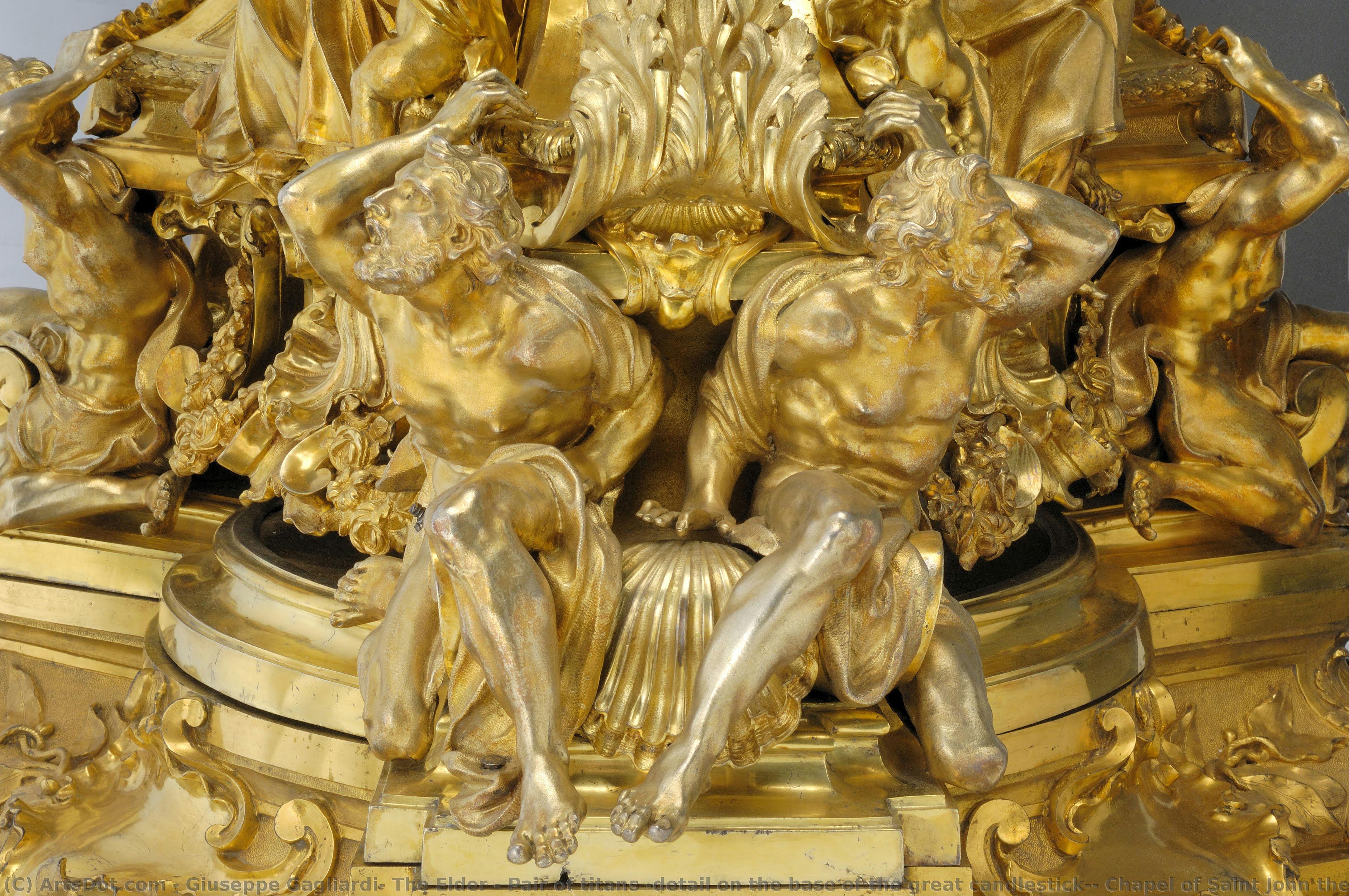
Pair of titans (detail on the base of the great candlestick), Chapel of Saint John the Baptist


 詳細を見る
詳細を見る
オンラインプレビューをはるかに凌ぐ、高解像度で鮮明なデジタル画像をご購入いただけます。
各ファイルは、社内の専門家が高度なツールと熟練した手作業によるレタッチを用いて、細心の注意を払って準備されています。すべての画像において、卓越した鮮明度、正確な色彩再現性、そして繊細なディテールを保証いたします。
最終ファイルは、プロフェッショナルな編集・印刷環境ですぐにご利用いただけるよう最適化された状態で、72時間以内にメールにてお届けいたします。これは、一流のデザインスタジオ、出版社、ギャラリーから信頼されているものと同等の品質です。
デジタル画像のご注文に付随する特典
高品質なデジタル画像配信を、確かな品質で。
ArtsDot.com を選ぶことは、単に画像を手に入れることではありません。それは、プロの手によって精密に仕上げられ、満足保証が付いた高品質なデジタルアートワークを受け取ることを意味します。ご注文いただいた際に自動的に付随する内容は、以下の通りです:

メールですぐにお届け
ご注文から72時間以内に、高解像度のデジタル画像ファイルがメールでお手元に届きます。すぐにそのままご利用いただけます。

AI技術で最適化されたデジタルファイル
お客様の作品は、高度なAIツールと専門家による手作業の編集を組み合わせてプロフェッショナルに最適化されており、細部のディテール、鮮明さ、そして正確な色再現性を最大限に引き出しています。

一生涯無料の再送サービス
ファイルを誤って削除したり、紛失してしまったりしましたか?ご安心ください。いつでも無料で再送いたします。

輸入手数料は一切かかりません
関税や手数料、配送料を気にすることなく、お気に入りのアートワークをすぐにお楽しみいただけます。デジタルダウンロードは常に免税です。

色彩再現の保証
プロ仕様のツールとカラーマネジメント技術を用いることで、デジタル画像が元の色を最大限に忠実に再現することを保証いたします。

100日間満足保証
ご購入いただいたデジタル画像にご満足いただけない場合は、100日以内であれば、修正または100%の返金(理由を問う必要はありません)をさせていただきます。

100% 返金保証
ご満足いただけない場合は、デジタルファイルを受け取ってから100日以内であれば、理由を問わず全額返金いたします。

まとめ買い割引
3枚購入で10%OFF - 5枚購入で15%OFF - 10枚以上購入で20%OFF。クリエイティブなプロジェクト、ギャラリー、エージェンシーに最適です。
A Glimpse into Baroque Grandeur
In the hallowed stillness of the Chapel of Saint John the Baptist, there exists a moment of frozen movement captured in precious metal. The Pair of Titans, a breathtaking detail from the base of a monumental candlestick, serves as a profound testament to the virtuosity of the Italian Baroque master, Giuseppe Gagliardi the Elder. To gaze upon these figures is to be transported back to the 18th century, where the interplay of light and shadow—the quintessential chiaroscuro of sculpture—was used to evoke a sense of divine presence. The figures, rendered with an exquisite attention to anatomical precision and dramatic tension, sit poised upon their gilded pedestal, embodying a strength that is both physical and spiritual.
The craftsmanship displayed in this work transcends mere ornamentation; it is a masterclass in the silversmithing traditions of Rome. Gagliardi, a collaborator with some of the most esteemed sculptors of his era, infused this piece with a sense of theatricality that defines the Roman Baroque style. Every curve of the bronze and every glint of gold reflects a period when religious objects were designed to overwhelm the senses, pulling the viewer into a state of awe. For the discerning collector or interior designer, such a piece represents more than an object of beauty; it is a fragment of history that brings a sophisticated, classical weight to any curated space.
Symbolism and the Art of the Detail
The choice of Titans as subjects for the base of a liturgical candlestick is deeply symbolic. In the hierarchy of classical and religious iconography, Titans represent primordial power and the foundational forces of the universe. By placing these mighty figures at the very foot of a light-bearing object, the artist creates a powerful metaphor: the strength of the earth supporting the illumination of the divine. This tension between the heavy, muscular forms of the titans and the ethereal purpose of the candlestick creates a captivating emotional resonance, inviting contemplation on the relationship between the material world and the spiritual realm.
The intricate detailing—the subtle musculature, the textured surfaces, and the complex arrangement of figures in the background—suggests a narrative far larger than what is immediately visible. This depth of detail ensures that the artwork remains a focal point of discovery, revealing new nuances with every change in lighting. For those seeking to incorporate high-quality reproductions into a luxurious interior, this piece offers an unparalleled opportunity to introduce a sense of historical gravity and artistic complexity, making it an ideal centerpiece for rooms designed to inspire reflection and elegance.
関連作品

作家の略歴
Giuseppe Gagliardi, The Elder: A Master of Roman Baroque Silver
Born in Cassano Magnago in 1697 and tragically dying in Rome in 1749, Giuseppe Gagliardi, often referred to as Giuseppe Gagliardi the Elder, stands as a pivotal figure within the vibrant tapestry of the Roman Baroque period. More than simply a silversmith, he was a collaborative artist, deeply intertwined with some of the era’s most celebrated sculptors and artisans – names like Fellice Schiffone, Agostino Ancidoni, Lucano Celladini, and Luciano Morelli. His legacy isn't found in solitary masterpieces but rather in the intricate details and shared vision evident across numerous religious works, candlesticks, and decorative objects that grace museums and collections worldwide, including the Museo Nazionale di San Martino in Naples and the Museu de São Roque in Lisbon.
Gagliardi’s early life remains somewhat shrouded in mystery, though his origins in the Lombardy region of Italy are well-established. He entered the Roman artistic scene during a period of intense creative ferment, benefiting from the patronage of wealthy families and the Church's demand for opulent religious art. Unlike many artists who focused solely on independent creation, Gagliardi thrived as a collaborator, bringing his exceptional skill in metalworking to complement the visions of other masters. This collaborative spirit is arguably what defines his most significant contribution – not just individual works, but a shared aesthetic and technical approach that elevated the quality and complexity of Roman Baroque silverwork.
The Art of Collaboration
Gagliardi’s career was fundamentally shaped by his partnerships with other prominent artists. Schiffone, Ancidoni, Celladini, and Morelli each brought unique talents to their collaborations, resulting in a remarkable synergy. Schiffone's expertise in sculpture often informed the design elements of Gagliardi’s silverwork, while Ancidoni’s sculptural training contributed to the dynamic poses and expressive gestures within the pieces. Celladini’s skill in carving and detailing enhanced the intricate ornamentation, and Morelli’s contributions likely focused on refining the overall composition and ensuring a harmonious balance of form and function.
The nature of these collaborations is particularly fascinating. Rather than simply executing pre-determined designs, Gagliardi and his colleagues actively participated in the creative process – sketching preliminary ideas, discussing compositional arrangements, and meticulously crafting each element to achieve a unified vision. This wasn’t merely a matter of dividing labor; it was a true artistic dialogue, where individual skills converged to produce works of exceptional beauty and sophistication. The documentation of these collaborations is extensive, providing invaluable insight into the techniques and aesthetic sensibilities of the Roman Baroque period.
Notable Works and Artistic Style
Among Gagliardi’s most celebrated creations are the “Pair of Titans (detail on the base of the great candlestick)” and “Detail of one Doctor of the Church, great candlestick,” both found at the Museu de São Roque in Lisbon. These pieces exemplify his mastery of intricate detail, dynamic composition, and masterful use of silver. The Titans, rendered with a remarkable sense of scale and movement, demonstrate Gagliardi’s ability to translate complex sculptural concepts into the medium of silver. The Doctor of the Church piece showcases his meticulous attention to surface texture and ornamentation, creating a shimmering effect that draws the eye.
Gagliardi's style is characterized by a blend of classical influences – particularly evident in the idealized forms and balanced compositions – with the dramatic flair and emotional intensity typical of Baroque art. His work is not merely decorative; it’s imbued with a sense of narrative, inviting viewers to contemplate the religious themes represented within each piece. The use of light and shadow, achieved through skillful polishing and engraving, further enhances the visual impact of his creations.
Legacy and Historical Significance
Giuseppe Gagliardi, the Elder’s contribution to the Roman Baroque period extends far beyond the individual works he produced. His collaborative spirit, technical skill, and aesthetic sensibility helped shape the direction of silverwork during a crucial era in Italian art history. His work continues to be studied by art historians and enthusiasts alike, offering valuable insights into the artistic practices and cultural values of 18th-century Rome.
The inclusion of his pieces within the collection of the Museo Nazionale di San Martino in Naples underscores the recognition of his importance as a major figure in Italian Baroque art. Furthermore, the references to his work in Ennio Di Marino’s “La scultura del settecento a Napoli” cement his place within the broader scholarly discourse surrounding this period. For those seeking deeper information on Gagliardi's life and artistic output, the page dedicated to him on ArtsDot.com provides a comprehensive resource.
Further Exploration
To delve further into the world of Giuseppe Gagliardi, the Elder, we recommend exploring resources such as the Museo Nazionale di San Martino in Naples and the Museu de São Roque in Lisbon, where his works are prominently displayed. The book “La scultura del settecento a Napoli” by Ennio Di Marino offers valuable scholarly insights into his contributions to the Roman Baroque period. Finally, visiting the Giuseppe Gagliardi, the Elder page on ArtsDot.com provides a detailed overview of his life and work.

ジュゼッペ・ガリアールディ(大)
1697 - 1749