

 プレビュー
プレビュー
 プリントを購入
 シェアする
シェアする シェアする
シェアする
 詳細を見る
詳細を見る

 ダウンロード
 似ている作品
 X線調査
X線調査 スライドショー
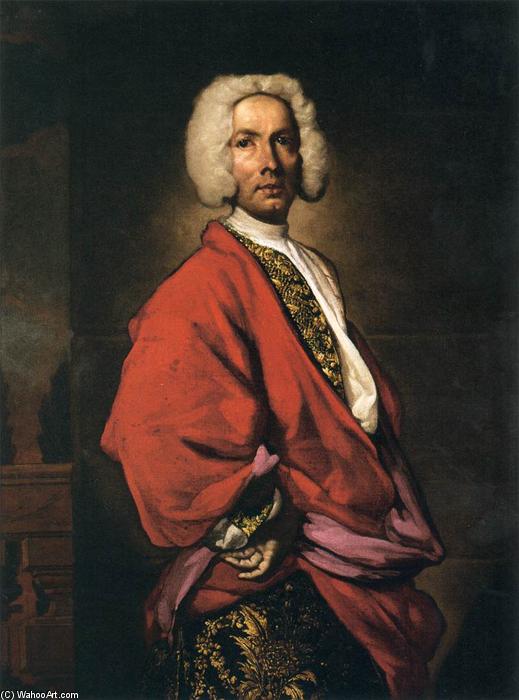
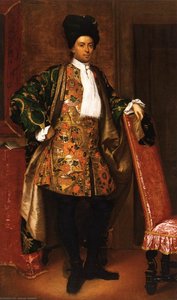
Portrait of Count Galeozzo Secco Suardo
 Oil On Canvas
- WallArt
- Baroque
 1681
1681 120.0 x 90.0 cm
 ルーブル美術館
 詳細を見る
詳細を見る
オンラインプレビューをはるかに凌ぐ、高解像度で鮮明なデジタル画像をご購入いただけます。
各ファイルは、社内の専門家が高度なツールと熟練した手作業によるレタッチを用いて、細心の注意を払って準備されています。すべての画像において、卓越した鮮明度、正確な色彩再現性、そして繊細なディテールを保証いたします。
最終ファイルは、プロフェッショナルな編集・印刷環境ですぐにご利用いただけるよう最適化された状態で、72時間以内にメールにてお届けいたします。これは、一流のデザインスタジオ、出版社、ギャラリーから信頼されているものと同等の品質です。
デジタル画像のご注文に付随する特典
高品質なデジタル画像配信を、確かな品質で。
ArtsDot.com を選ぶことは、単に画像を手に入れることではありません。それは、プロの手によって精密に仕上げられ、満足保証が付いた高品質なデジタルアートワークを受け取ることを意味します。ご注文いただいた際に自動的に付随する内容は、以下の通りです:

メールですぐにお届け
ご注文から72時間以内に、高解像度のデジタル画像ファイルがメールでお手元に届きます。すぐにそのままご利用いただけます。

AI技術で最適化されたデジタルファイル
お客様の作品は、高度なAIツールと専門家による手作業の編集を組み合わせてプロフェッショナルに最適化されており、細部のディテール、鮮明さ、そして正確な色再現性を最大限に引き出しています。

一生涯無料の再送サービス
ファイルを誤って削除したり、紛失してしまったりしましたか?ご安心ください。いつでも無料で再送いたします。

輸入手数料は一切かかりません
関税や手数料、配送料を気にすることなく、お気に入りのアートワークをすぐにお楽しみいただけます。デジタルダウンロードは常に免税です。

色彩再現の保証
プロ仕様のツールとカラーマネジメント技術を用いることで、デジタル画像が元の色を最大限に忠実に再現することを保証いたします。

60日間満足保証
ご購入いただいたデジタル画像にご満足いただけない場合は、60日以内であれば、修正または100%の返金(理由を問う必要はありません)をさせていただきます。

100% 返金保証
ご満足いただけない場合は、デジタルファイルを受け取ってから60日以内であれば、理由を問わず全額返金いたします。

まとめ買い割引
3枚購入で10%OFF - 5枚購入で15%OFF - 10枚以上購入で20%OFF。クリエイティブなプロジェクト、ギャラリー、エージェンシーに最適です。
Portrait of Count Galeozzo Secco Suardo: A Baroque Masterpiece Illuminated
The Portrait of Count Galeozzo Secco Suardo by Giuseppe Ghislandi stands as a testament to the grandeur and psychological complexity of the Italian Baroque, capturing not merely likeness but also embodying the aristocratic ideals of its era. Painted in 1681 during the zenith of Venetian artistic patronage, this monumental oil on canvas – measuring an impressive 120 x 90 cm – resides within the hallowed halls of the Musée du Louvre in Paris, offering visitors a rare glimpse into the aesthetic sensibilities of a bygone age.The Artist and His Vision
Giuseppe Ghislandi (1655-1743) emerged from Bergamo as a sculptor’s son destined for artistic excellence. Trained under Giovanni Battista Brustolonzi, he absorbed the influence of Mantuan Mannerism before wholeheartedly embracing the Baroque style championed by Rubens and Caravaggio. Ghislandi's approach prioritized capturing emotion and conveying status—a hallmark of his prolific output, which included numerous portraits commissioned by noble families across Lombardy and Venice. His meticulous attention to detail and masterful manipulation of light and shadow cemented his reputation as Bergamo’s foremost portraitist.A Symphony of Baroque Technique
The painting exemplifies the Baroque's characteristic dramatic chiaroscuro—the interplay between light and darkness—creating a palpable sense of depth and theatricality. Ghislandi skillfully employs glazing techniques, layering translucent pigments over underpaintings to achieve luminous skin tones and subtle gradations of color. The artist’s meticulous rendering of fabric folds reveals an astonishing level of realism, mirroring the Baroque fascination with capturing textures and surfaces accurately. Notice particularly how light illuminates Count Suardo's face, highlighting his gaze—a gesture conveying both solemn contemplation and dignified composure.Subject Matter and Symbolism
Count Galeozzo Secco Suardo himself is depicted in opulent attire: a scarlet robe adorned with gold embroidery speaks volumes about his wealth and noble lineage. Beneath the robe lies a crisp white shirt, providing a striking contrast that emphasizes the subject’s aristocratic bearing. Ghislandi's careful depiction of facial features—the furrowed brow, the piercing eyes—suggests an inner life brimming with intellect and emotion. The dark background serves to amplify the figure’s presence, reinforcing the painting’s symbolic representation of power and authority.Connections to Other Baroque Artists
Comparing Ghislandi's Portrait of Count Suardo to works by Rubens and Berrettoni reveals shared stylistic concerns—a preoccupation with grandeur, emotional intensity, and masterful technique. Like Rubens’ Landscape with a Watering Place at the Musée du Louvre, Ghislandi utilizes expansive canvases to convey monumental scale and evoke awe in the viewer. Similarly, Berrettoni's paintings demonstrate an unwavering commitment to capturing human form with anatomical precision. These artists collectively contributed to shaping the Baroque aesthetic, establishing it as one of history’s most influential artistic movements.Emotional Resonance
Ultimately, Ghislandi’s Portrait transcends mere visual representation; it communicates a profound sense of dignity and introspection. The painting invites contemplation on themes of nobility, intellect, and inner reflection—qualities valued during the Baroque period and enduringly appreciated by art lovers today. It remains an exceptional example of Baroque artistry, demonstrating Ghislandi's unparalleled skill in conveying both physical likeness and psychological depth. For a deeper understanding of Giuseppe Ghislandi’s oeuvre and his contribution to Italian Baroque art, explore ArtsDot.com.関連作品




作家の略歴
Giuseppe Ghislandi: Bergamo’s Master of Portraiture
Giuseppe Ghislandi (1655-1743) stands as a pivotal figure in the artistic landscape of Bergamo and the broader Venetian Baroque tradition. Born in Bergamo, Italy, his life coincided with an era of considerable cultural flourishing, marked by patronage from noble families and a fervent embrace of classical ideals blended with dramatic emotional expression—characteristics that profoundly shaped his oeuvre. While biographical details remain somewhat sparse compared to contemporaries like Rembrandt or Rubens, Ghislandi’s legacy rests firmly on the exceptional quality and psychological depth of his portraits, cementing his place among Bergamo's most celebrated artists.Early Life and Artistic Training
Information regarding Ghislandi’s formative years is limited; however, he apprenticed under Giovanni Battista Brustolonzi, a prominent sculptor and painter who served as court artist to the Gonzaga family in Mantua. This influential mentorship instilled in Ghislandi a meticulous attention to anatomical accuracy and a masterful command of chiaroscuro—the dramatic interplay of light and shadow—techniques that would become hallmarks of his distinctive style. Brustolonzi’s emphasis on capturing the essence of human emotion alongside precise representation undoubtedly contributed to Ghislandi's artistic sensibilities.Style and Technique: Venetian Influence
Ghislandi’s artistic vision was undeniably indebted to the Venetian Baroque, particularly the work of artists like Pietro Testa and Johann Baptist Pozzo di Borgo Santo Stefano. Like these masters, he favored a palette rich in warm hues—often reds and golds—to convey grandeur and nobility. His brushwork was characterized by smoothness and delicacy, achieved through layering thin glazes that created luminous surfaces capable of capturing subtle nuances of expression. Ghislandi’s portraits are renowned for their remarkable realism, meticulously rendered with painstaking detail, yet infused with an intangible quality that transcends mere imitation—a testament to his ability to convey inner life and psychological complexity.Notable Works and Commissions
Ghislandi gained considerable renown during his lifetime through commissions from prominent families in Bergamo and Venice. Among his most celebrated paintings is “Portrait of Count Galeozzo Secco Suardo,” a stunning depiction showcasing the sitter’s dignified countenance and aristocratic bearing—a masterpiece that exemplifies Ghislandi's technical prowess and artistic sensitivity. Furthermore, he produced "Portrait of a Young Man," demonstrating his ability to portray youthful vitality with remarkable realism and capturing the subtle emotions conveyed through gaze and posture. His work also includes “Portrait of a Boy,” furthering his reputation for portraying children with tenderness and psychological insight. The Metropolitan Museum of Art holds a significant portrait by Ghislandi, “Fra Vittore Galgario”, showcasing his skill in conveying emotion and detail.Legacy and Historical Significance
Giuseppe Ghislandi’s contribution to Bergamo's artistic heritage is undeniable. He elevated the genre of portraiture to new heights, establishing a standard for psychological realism that influenced subsequent generations of artists. His paintings continue to captivate viewers today with their beauty, precision, and profound understanding of human character—a testament to his enduring artistic genius and his pivotal role in shaping the visual culture of the Baroque period. He remains an important figure in Bergamo’s art history and a celebrated artist whose work embodies the spirit of Venetian Renaissance ideals.
giuseppe ghislandi
1655 - 1743

