

 プレビュー
プレビュー
 シェアする
シェアする シェアする
シェアする
 詳細を見る
詳細を見る

 ダウンロード
 似ている作品
 X線調査
X線調査 スライドショー
 統計情報
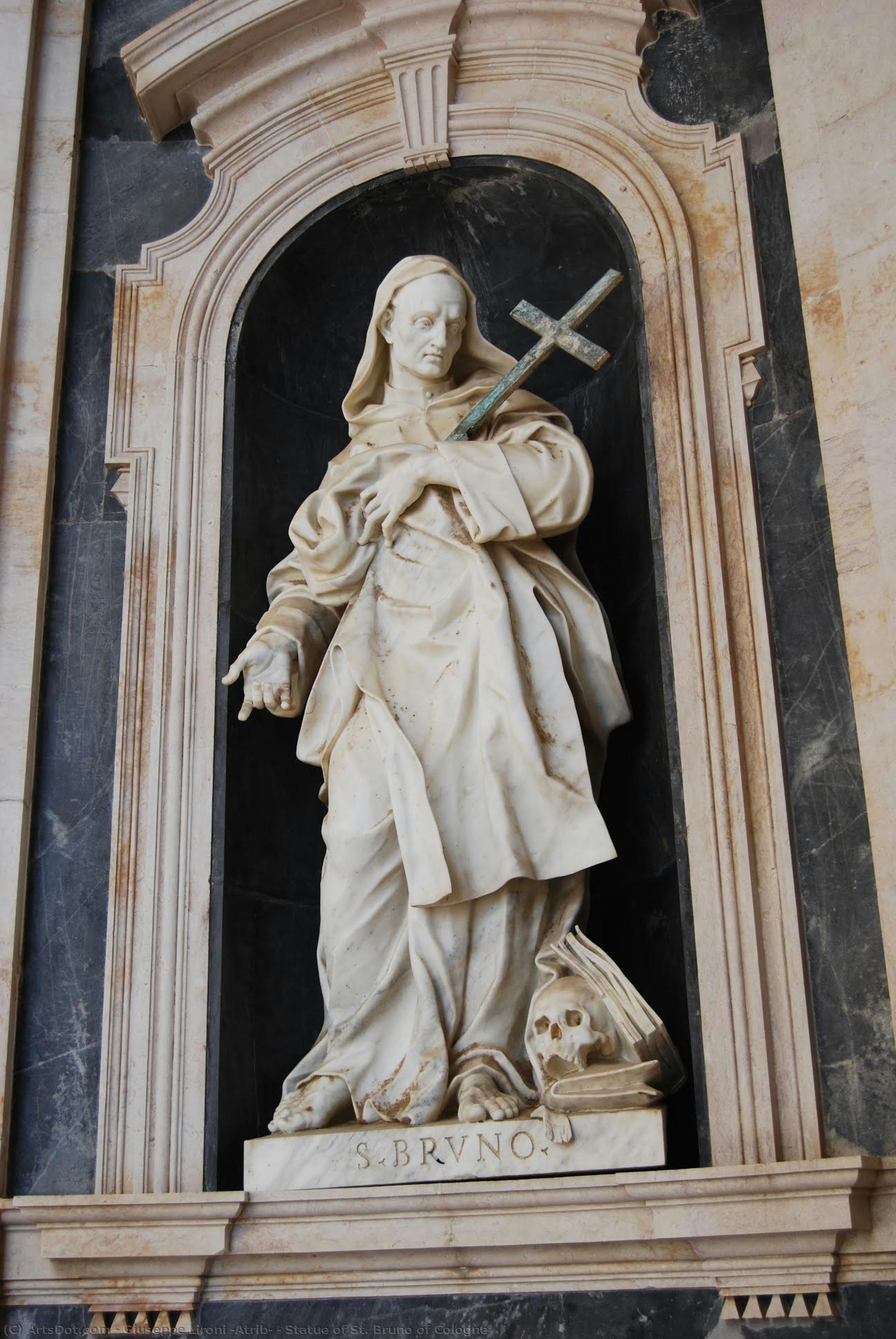
統計情報Statue of St. Bruno of Cologne


 詳細を見る
詳細を見る
手描き油彩複製画
当社のアーティストが、お客様のご希望のサイズと額縁に合わせて、キャンバスに手描きで制作する油彩画です。 ( プリント版に切り替え デジタル画像販売へ切り替え)




































作品のオリジナル比率に合わせた、当店の規定サイズからお選びください。

特定のフレームやスペースに合わせて、ご希望のサイズをご入力いただけます。選択されたサイズが元の画像の比率と異なる場合、アートワークをトリミングするか、手描きで要素を追加して絵画を拡張いたします。デジタルモックアップ を制作し、制作開始前にご確認(承認)をいただきます。
画面上のプレビューは、実際のトリミングや拡張を正確に反映しているものではありません。最終的な構図は、モックアップによってのみ正確にご確認いただけます。
カスタムサイズもご利用いただけますが、元の比率を維持するためには、あらかじめ用意されたリストからサイズを選択することをお勧めいたします。
ご注文後、ArtsDot.com チームより詳細な指示をお送りするとともに、仕上がりイメージ(モックアップ)をご提供いたします。


 ガラスオプションは、110cm未満のサイズでのみご利用いただけます。

Statue of St. Bruno of Cologne
複製技法
複製画のサイズ
-


合計金額
$ 263
関連作品







アーティストの略歴
Giuseppe Lironi (Atrib): A Master of Baroque Sculpture in Portugal
Born in Como, Italy, around 1689 and tragically passing away in 1749, Giuseppe Lironi remains a figure of intriguing complexity within the history of Italian Baroque sculpture. While his name isn’t as widely celebrated as some of his contemporaries – Bernini or Caravaggio, for example – Lironi’s impact is profoundly felt, particularly through his monumental contributions to the Basilica of Mafra in Portugal and, most notably, the ‘St. Bruno of Cologne’ statue now gracing the Mafra National Palace. His legacy stems from a lineage deeply rooted in Ticinese sculpture, a tradition that imbued him with a foundational understanding of form, technique, and the expressive potential of marble.
Lironi's early life remains somewhat shrouded in mystery, typical for artists of his era. He spent much of his career in Rome, a vibrant hub of artistic innovation during the 18th century. It was here that he honed his skills and gained recognition for his ability to capture both anatomical accuracy and emotional depth within his works. His time in Rome exposed him to the prevailing stylistic trends of the Baroque – dramatic lighting, dynamic movement, and an emphasis on theatricality – elements which would later inform his distinctive approach.
Ecclesiastical Commissions and Roman Influence
Lironi’s artistic career was largely shaped by ecclesiastical commissions. He produced significant sculptures for various churches in Rome, including notable works within the San Giovanni in Laterano basilica. These projects demanded a mastery of classical principles combined with Baroque dynamism. His work here demonstrates an understanding of drapery, musculature, and the subtle nuances of human expression – skills he would later translate into his larger-scale commissions.
The influence of Roman sculpture is undeniable in Lironi’s style. He studied the works of ancient masters, particularly those of Greek and Roman antiquity, absorbing their ideals of beauty, proportion, and realism. However, unlike some of his predecessors who slavishly imitated the past, Lironi skillfully integrated these classical elements into a distinctly Baroque aesthetic. This synthesis is evident in the ‘St. Bruno of Cologne,’ where the saint’s serene countenance and dignified posture are rooted in Roman portraiture while simultaneously embodying the emotional intensity characteristic of Baroque sculpture.
The ‘St. Bruno of Cologne’: A Portuguese Masterpiece
Perhaps Lironi's most enduring achievement is the ‘St. Bruno of Cologne,’ a monumental marble statue housed within the Mafra National Palace in Portugal. Completed around 1732, this work represents Saint Bruno, the founder of the Carthusian Order, and stands as a testament to Lironi’s technical skill and artistic vision. The sculpture depicts St. Bruno with remarkable detail – his shaved head, beardless face, and habit of the Carthusian order are rendered with exquisite precision. The statue's serene expression conveys a sense of profound contemplation and spiritual devotion.
The ‘St. Bruno’ is considered one of the most important examples of Italian Baroque sculpture in Portugal, showcasing the influence of Italian artistic trends on Portuguese art during the 18th century. Its placement within the Mafra National Palace underscores its significance as a symbol of royal patronage and cultural exchange.
Beyond Mafra: Virgin and Child Statues
While the ‘St. Bruno’ is undoubtedly Lironi's most celebrated work, he also contributed significantly to the Basilica of Mafra, producing a series of marble sculptures including a poignant depiction of the Virgin and Child with Saint Anthony. These works further demonstrate his ability to capture delicate emotions and create compelling narratives within the confines of sculpted form. The consistent style and quality across these pieces suggest a sustained period of creative output and a deep understanding of his craft.
Despite the limited surviving documentation about Lironi’s life, his impact on Portuguese art is undeniable. His work continues to inspire admiration for its technical brilliance, emotional depth, and enduring beauty – solidifying his place as a significant figure in the history of Italian Baroque sculpture.
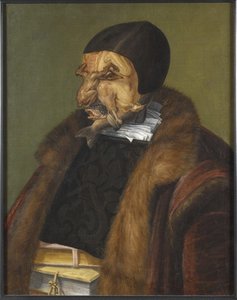
giuseppe lironi (atrib)
1689 - 1749 , Italy
基本情報
- Artistic Movement Or Style: Baroque sculpture
- Date Of Birth: 1689
- Date Of Death: 1749
- Full Name: Giuseppe Lironi
- Nationality: Italian
- Notable Artworks:
- St. Bruno of Cologne
- Virgin and Child (Mafra)
- Place Of Birth: Como, Italy