

 プレビュー
プレビュー
 プリントを購入
 シェアする
シェアする シェアする
シェアする
 詳細を見る
詳細を見る

 ダウンロード
 似ている作品
 X線調査
X線調査 スライドショー
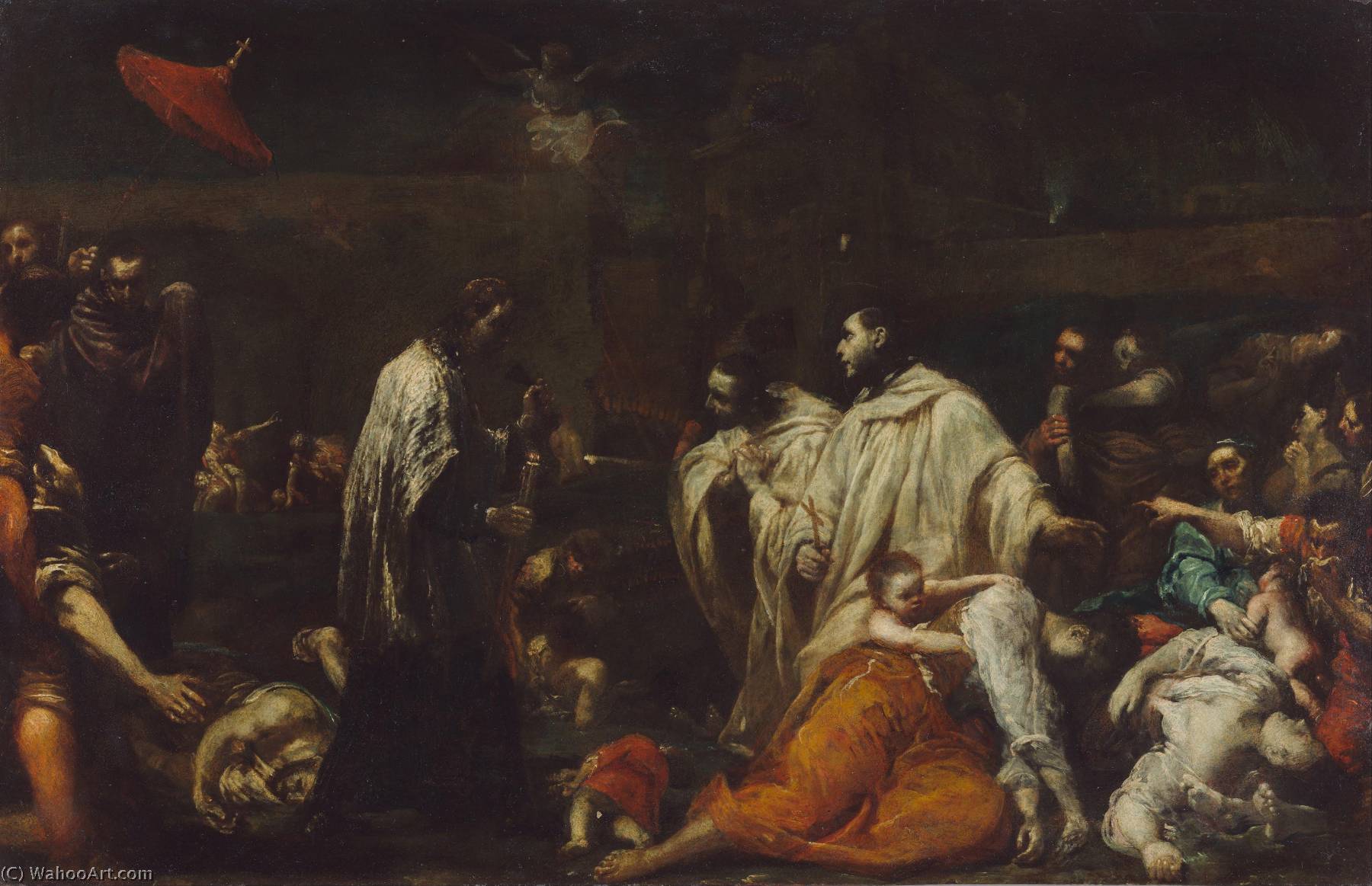
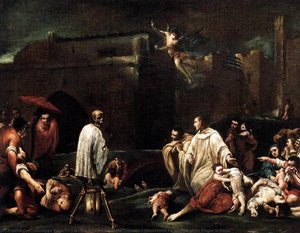
Bernard Tolomei and the Plague in Siena
 Acrylic On Canvas
- WallArt
- Baroque Painting
 1735
1735 43.0 x 67.0 cm
 ゲッティセンター
 詳細を見る
詳細を見る
オンラインプレビューをはるかに凌ぐ、高解像度で鮮明なデジタル画像をご購入いただけます。
各ファイルは、社内の専門家が高度なツールと熟練した手作業によるレタッチを用いて、細心の注意を払って準備されています。すべての画像において、卓越した鮮明度、正確な色彩再現性、そして繊細なディテールを保証いたします。
最終ファイルは、プロフェッショナルな編集・印刷環境ですぐにご利用いただけるよう最適化された状態で、72時間以内にメールにてお届けいたします。これは、一流のデザインスタジオ、出版社、ギャラリーから信頼されているものと同等の品質です。
デジタル画像のご注文に付随する特典
高品質なデジタル画像配信を、確かな品質で。
ArtsDot.com を選ぶことは、単に画像を手に入れることではありません。それは、プロの手によって精密に仕上げられ、満足保証が付いた高品質なデジタルアートワークを受け取ることを意味します。ご注文いただいた際に自動的に付随する内容は、以下の通りです:

メールですぐにお届け
ご注文から72時間以内に、高解像度のデジタル画像ファイルがメールでお手元に届きます。すぐにそのままご利用いただけます。

AI技術で最適化されたデジタルファイル
お客様の作品は、高度なAIツールと専門家による手作業の編集を組み合わせてプロフェッショナルに最適化されており、細部のディテール、鮮明さ、そして正確な色再現性を最大限に引き出しています。

一生涯無料の再送サービス
ファイルを誤って削除したり、紛失してしまったりしましたか?ご安心ください。いつでも無料で再送いたします。

輸入手数料は一切かかりません
関税や手数料、配送料を気にすることなく、お気に入りのアートワークをすぐにお楽しみいただけます。デジタルダウンロードは常に免税です。

色彩再現の保証
プロ仕様のツールとカラーマネジメント技術を用いることで、デジタル画像が元の色を最大限に忠実に再現することを保証いたします。

100日間満足保証
ご購入いただいたデジタル画像にご満足いただけない場合は、100日以内であれば、理由を問わず修正または100%の返金対応をさせていただきます。

100% 返金保証
ご満足いただけない場合は、デジタルファイルを受け取ってから100日以内であれば、理由を問わず全額返金いたします。

まとめ買い割引
3枚購入で10%OFF - 5枚購入で15%OFF - 10枚以上購入で20%OFF。クリエイティブなプロジェクト、ギャラリー、エージェンシーに最適です。
A Moment Frozen in Time: Giuseppe Maria Crespi’s Dramatic Depiction of Faith Amidst Suffering
Giuseppe Maria Crespi's “Bernard Tolomei and the Plague in Siena,” painted in 1735, stands as a remarkable testament to Baroque artistry—a genre painting that transcends mere representation to capture the palpable tension between piety and despair. More than just a historical record of Siena during the devastating plague epidemic, it’s an exploration of human emotion rendered with breathtaking realism and imbued with subtle symbolic layers that continue to resonate today. The artwork's enduring appeal lies in its ability to convey not only what happened but *how* it felt—a profound meditation on faith confronting mortality.The Scene Unfolds: Composition and Narrative Depth
The painting depicts a scene within Siena’s Chiesa di San Francesco Maggiore, where Bernard Tolomei, a Dominican priest revered for his miraculous healing abilities, is shown fervently praying before an altar. Crespi meticulously crafted the composition to draw the viewer's eye into the central figure—Tolomei—whose outstretched arms embody unwavering devotion and desperate hope. Surrounding him are several other individuals: men and women dressed in varying degrees of solemnity, reflecting the collective anxiety and spiritual yearning of the afflicted populace. The artist’s masterful use of perspective creates a sense of immediacy, transporting us back to 1735 Siena and immersing us in the atmosphere of crisis. Notably, Crespi included several birds circling above—a common motif in Baroque art symbolizing divine providence and offering solace amidst hardship.Baroque Technique: Precision and Emotional Resonance
Crespi’s technique exemplifies the hallmarks of Bolognese Baroque painting. He employed chiaroscuro – dramatic contrasts between light and dark – to sculpt the figures and illuminate the interior space, enhancing their emotional impact. The artist skillfully rendered textures with meticulous detail, capturing the folds of robes, the sheen of polished stone, and even the subtle nuances of facial expressions. Crespi’s palette is muted yet vibrant, favoring earthy tones punctuated by splashes of color that draw attention to key elements—particularly Tolomei's hands and the altar crucifix. This careful attention to craftsmanship underscores Crespi’s commitment to conveying not just visual accuracy but also psychological truth.Symbolism Beyond Representation: Faith and Resilience
“Bernard Tolomei and the Plague in Siena” operates on multiple symbolic levels. The central figure of Tolomei represents unwavering faith—a belief in divine intervention as a shield against suffering. His outstretched arms symbolize prayer, supplication, and an earnest desire for healing—aspirations shared by all those present within the church. The inclusion of birds serves as a reminder that even amidst darkness and despair, hope persists; they embody God’s watchful care and promise of redemption. Furthermore, Crespi's depiction of ordinary people confronting extraordinary circumstances speaks to the human spirit’s capacity for resilience—its ability to endure hardship while maintaining spiritual conviction.A Legacy of Emotion: The Painting's Enduring Impact
Crespi’s masterpiece continues to captivate viewers with its poignant portrayal of faith and fear. It stands as a powerful reminder that art can transcend time, capturing not only historical events but also the universal human experience—the yearning for solace in moments of crisis and the unwavering belief in something greater than oneself. “Bernard Tolomei and the Plague in Siena” remains an exceptional example of Baroque artistry, demonstrating Crespi’s unparalleled skill in conveying emotion through meticulous observation and masterful technique. Its enduring legacy inspires contemplation on themes of spirituality, compassion, and the transformative power of art.関連作品
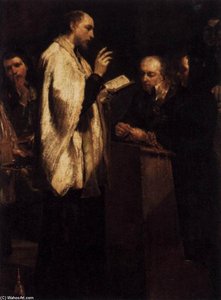
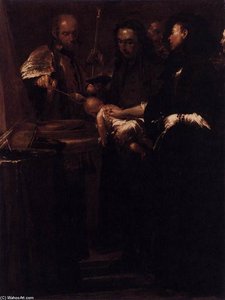
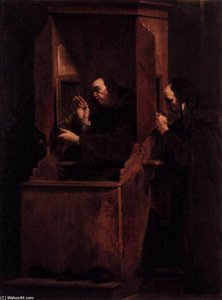
作家の略歴
ボローニャが生んだ異才:ジュゼッペ・マリア・クレスピーの生涯と芸術
「ロ・スパニョーロ(スペイン人)」という愛称で親しまれたジュゼッペ・マリア・クレスピは、イタリア・バロックという壮大な風景の中に現れた、人々を魅了してやまない稀有な存在でした。1665年にボローニャに生まれた彼のあだ名は、血統によるものではなく、当時のスペインで流行していた体に密着した衣服を好んで身につけていたことに由来します。その装いの選択は、この類まれなる芸術家の内面に秘められた、独立心旺盛な精神を暗示しているかのようです。クレスピの歩みは、アンジェロ・ミケーレ・トニ、次いでドメニコ・マリア・カヌティという師のもとでの伝統的な徒弟修行から始まり、ボローネゼ絵画の基礎技術を吸収していきました。しかし、カルロ・マラッティからの誘いを受けてローマへ向かう道を選ばず、彼は自らの道を切り拓くことを決意します。その道こそが、後に風俗画の定義を塗り替え、日常の営みを驚くほど親密な視点から描き出す新たな地平となるのでした。伝統との決別:立ち現れた新たなヴィジョン
クレスピの芸術的成果は極めて多岐にわたり、宗教画や肖像画、さらにはレンブラントやサルヴァトール・ローザといった巨匠に触発されたエッチングまで網羅しています。しかし、今日において彼を最も高く評価させているのは、その風俗画、すなわち日常の何気ない活動に従事する普通の人々を描いた作品群です。この主題への傾倒は、歴史画や神話画を尊んだ当時のアカデミックな伝統からの、重大な脱却を意味していました。彼は壮大な物語や理想化された形態には関心を寄せませんでした。その代わりに、クレスピの眼差しは、皿を洗う女性、食事を囲む家族、遊びに興じる子供たちといった、自身の周囲で繰り広げられる生々しい生活へと向けられたのです。これらの作品は単なる日常の記録にとどまらず、かつて見たことのないような心理的な深みとリアリズムを湛えていました。その画風は、色彩と筆致における意図的な抑制を特徴とし、限られたパレットを巧みに操りました。一部の批評家からは、描法における力強さに欠けると指摘されることもありましたが、その繊細さこそが場面の感情的なインパクトを高め、観る者を家庭内の静かなドラマへと引き込む役割を果たしたのです。「七つの秘跡」と永続する影響力
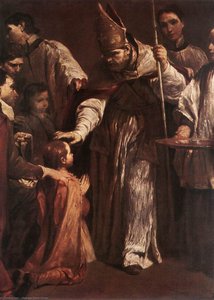
風俗画が彼の不朽の名声をもたらした一方で、クレスピのより広範な芸術的業績も決して見過ごすべきではありません。その極めて重要な作品として挙げられるのが、1712年頃にオットoboni枢機卿のために描かれた連作『七つの秘跡』です。この野心的なプロジェクトは、複雑な宗教的主題に対して革新的なアプローチで挑むクレスピの能力を証明しました。聖書の出来事を遠い過去の歴史的舞台として描くのではなく、彼は当時の人物や場所を用いて、自らの時代の文脈の中にそれらを配置したのです。その結果、深い精神性と、抗いがたい人間らしさを同時に感じさせるシリーズが誕生しました。彼の影はイタリアの枠を超えて広がりました。ジョヴァンニ・バッティスタ・ピアゼッタやピエトロ・ロンギといった、ヴェネツィアにおいてリアリズムと風俗画への献身を継承していく芸術家たちの師となったのです。晩年は、1722年の妻の死後、主に宗教画に没頭し、次第に隠遁的な生活を送ることになりますが、先駆的な芸術家としての彼の遺産は揺るぎないものでした。1740年には教皇ベネディクトゥス14世から騎士号を授与されており、これは彼の芸術的地位と文化的意義の証といえるでしょう。リアリズムと親密さが紡ぐレガシー
1747年、クレスピはボローニャでその生涯を閉じましたが、彼が遺した作品群は今なお観る者の心に響き続けています。彼は人間性の観察における達人であり、感情や経験の微細なニュアンスを驚くべき感受性で捉えることができました。彼の絵画は単なる歴史的遺物ではありません。それは普通の人々の人生へと通じる窓であり、愛、喪失、信仰、そして日々の営みという普遍的なテーマを、時代を超えて垣間見せてくれるものです。ロ・スパニョーロのイタリア美術への貢献は、ありふれた日常を芸術的な価値へと昇華させた点にあります。美と意味は、壮大な物語の中だけでなく、日々の静かな瞬間の中にも見出せるのだということを、彼は証明したのです。彼の作品は、困難に立ち向かう力、他者との繋がり、そして気高さといった、人間が持つ不朽の能力を思い出させてくれる力強いメッセージであり続けています。現代におけるクレスピの世界への探求
幸いなことに、クレスピの芸術性を直接体験する機会は数多く存在します。彼の作品は、ドイツ・ドレスデンのゲマールデ・ガレリー・アルテ・マイスター(旧絵画館)――ここには『七つの秘𝕤』が収蔵されています――や、フィレンツェのサンタ・クローチェ聖堂美術館などの著名な美術館で見ることができます。また、彼の絵画の数多くの複製画も入手可能であり、芸術愛好家はボローネゼの巨匠が捉えたヴィジョンを、自らの家庭へと取り入れることができます。ArtsDot.comのようなリソースでは、高品質な手描き複製画が提供されており、クレスピーの遺産が次世代へと受け継がれ、観衆を魅了し続けることを支えています。さらに詳細な生涯や芸術的発展については、WikipediaやBritannicaなどの資料で深く掘り下げることができます。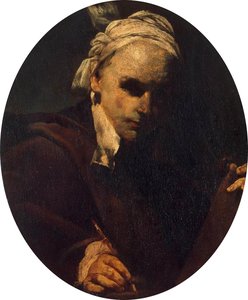
ジュゼッペ・マリア・クレスピ
1665 - 1747 , イタリア
プロフィール概要
- Artistic Movement Or Style: 後期バロック
- Artists Or Movements Influenced By This Artist:
- ピエトロ・ロンギー
- G. B. ピアゼッタ
- Artists Who Influenced This Artist:
- アンジェロ・ミケーレ・トニ
- ドメニコ・マリア・カヌティ
- Date Of Birth: 1665年3月14日
- Date Of Death: 1747年7月16日
- Full Name: ジュゼッペ・マリア・クレスピ
- Nationality: イタリア
- Notable Artworks:
- 七つの秘跡
- 悔悛する聖マリア・マグダレナ
- 告解
- 皿を洗う女
- Place Of Birth: イタリア、ボローニャ