

 プレビュー
プレビュー
 シェアする
シェアする シェアする
シェアする
 詳細を見る
詳細を見る

 ダウンロード
 似ている作品
 X線調査
X線調査 スライドショー
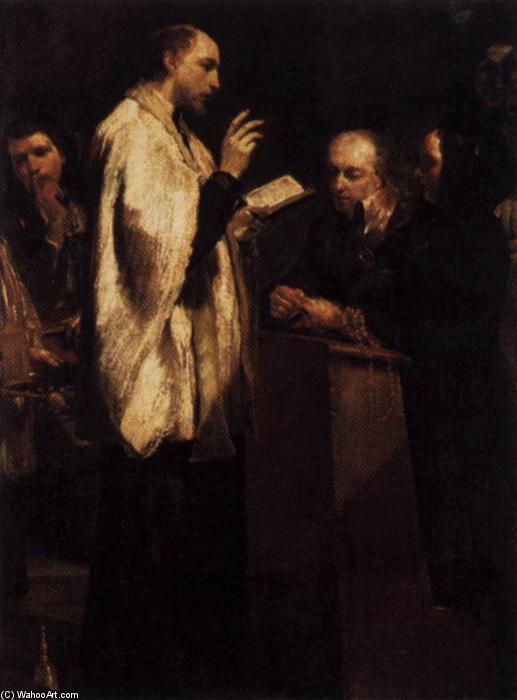
Matrimony
 Oil On Canvas
- WallArt
- Baroque
 1712
1712 127.0 x 94.0 cm
 Gemäldegalerie Alte Meister
 詳細を見る
詳細を見る
ジークレー/アートプリント
迅速な制作と多彩な仕上げオプションを備えた、ミュージアムクオリティのジークレーまたはキャンバスプリント。 ( 手描きの絵画を購入 画像を購入)




P118B $10

P118H $10

P118W $10

P438Z $10

P508JH $12

P508YH $12

P805H $10

P805Z $10

P919BZ $10

P919G $10

P919XJ $10

P959ZH $10

P968JZ $12

W106C $8

W218G $10

W218JH $8

W218Y $10

W307PJ $10

W316G $10

W316PJ $8

W316Y $10

W398PJ $8

W4111J $10

W500HY $15

W500JH $15

W692G $12

W849H $8

W940BG $15

W953PJ $8




作品のオリジナル比率に合わせた、当店の規定サイズからお選びください。

特定のフレームやスペースに合わせて、ご自身でサイズを指定することも可能です。選択されたサイズが元の画像の比率と一致しない場合、作品をトリミングするか、鏡面反射または単色での塗りつぶしによって画像を拡張いたします。制作を開始する前に、ご確認用のデジタルモックアップをお送りいたします。
画面上のプレビューには、実際のトリミングや拡張は反映されませんのでご注意ください。最終的な構図を正確に確認できるのは、モックアップのみとなります。
カスタムサイズも承っておりますが、元の比率を維持するためには、あらかじめ用意されたリストからサイズを選択することをお勧めいたします。


 ガラスオプションは、110cm未満のサイズでのみご利用いただけます。

Matrimony
ジークレー/アートプリント
複製画のサイズ
-


合計金額
$ 62
Giuseppe Maria Crespi’s “Matrimony”: A Window into 18th-Century Italian Life
Giuseppe Maria Crespi's "Matrimony," painted in 1712, isn’t merely a depiction of a wedding ceremony; it’s a meticulously observed snapshot of social dynamics and the subtle power structures within Bolognese society. Housed at the Gemäldegalerie in Dresden, Germany, this oil on canvas offers a remarkably intimate glimpse into the lives of its subjects – a testament to Crespi's skill in capturing not just appearances but also the unspoken narratives woven into everyday interactions. The painting’s enduring appeal lies in its ability to transport us back to 18th-century Italy, revealing a world both familiar and subtly alien through the lens of a master artist.
Composition and Style: Intimacy and Social Hierarchy
Crespi's composition is immediately striking for its sense of contained intimacy. The scene unfolds within what appears to be a modestly furnished room, bathed in soft, diffused light – a deliberate choice that encourages close observation. Two men are engaged in conversation at a table, while two women stand quietly in the background, their postures suggesting a degree of deference and observation. This arrangement isn’t haphazard; it subtly reinforces the established social hierarchy of the time. The seated man, dressed in a richly adorned robe with a fur collar, clearly holds a position of authority – his gesture, directing attention towards his companion, underscores this dominance. The women, clad in simpler attire, occupy a secondary role, their presence acknowledging the importance of family and lineage within the marriage arrangement. Crespi’s brushwork is remarkably confident and expressive; bold strokes delineate the figures while subtle variations in texture capture the richness of fabrics and the nuances of facial expressions. The artist masterfully balances realism with an almost theatrical quality, elevating a commonplace event into something visually compelling.
Symbolism and Narrative: Beyond the Ceremony
“Matrimony” is far more than just a record of a wedding; it’s laden with symbolic meaning. The rosary draped over the bride's robe, for instance, speaks to her piety and devotion – a crucial element in securing a favorable marriage. The muted colors and restrained gestures suggest a focus on duty and social obligation rather than exuberant celebration. Crespi deliberately avoids overtly romanticizing the scene, instead presenting a realistic portrayal of the complexities inherent in choosing a partner within a structured society. The painting invites us to consider not just *what* is happening but *why*, prompting questions about the roles of men and women, the importance of social status, and the pressures exerted by tradition. The setting itself – a private room rather than a grand ballroom – further emphasizes the intimate nature of the decision-making process.
Historical Context: The Bolognese Baroque
Crespi’s work is firmly rooted in the Bolognese Baroque, a style characterized by its dramatic lighting, dynamic compositions, and focus on human emotion. Bologna during the 18th century was a vibrant center of artistic innovation, attracting artists from across Italy and beyond. Crespi, nicknamed “Lo Spagnuolo” for his penchant for Spanish fashion, broke with traditional academic painting by embracing genre scenes – depictions of everyday life – and portraying them with remarkable psychological depth. His ability to capture the nuances of human interaction, combined with his technical skill, established him as one of the most important artists of his time. “Matrimony,” therefore, represents a pivotal moment in Crespi’s career, showcasing his evolving style and his willingness to explore complex social themes.
Emotional Impact: A Moment Frozen in Time
Despite its historical context, "Matrimony" continues to resonate with viewers today. The painting's quiet intensity, coupled with the subtle expressions on the faces of the figures, evokes a sense of contemplation and perhaps even melancholy. It’s a reminder that behind every grand event lies a complex web of social expectations, personal desires, and unspoken anxieties. The scene is both familiar and strangely distant, inviting us to reflect on our own understanding of love, marriage, and the enduring power of tradition. Reproductions of this captivating work offer a unique opportunity to bring this slice of 18th-century Italian life into your home, serving as a beautiful conversation piece and a window into a bygone era.
関連作品



アーティストの略歴
ボローニャが生んだ異才:ジュゼッペ・マリア・クレスピーの生涯と芸術
「ロ・スパニョーロ(スペイン人)」という愛称で親しまれたジュゼッペ・マリア・クレスピは、イタリア・バロックという壮大な風景の中に現れた、人々を魅了してやまない稀有な存在でした。1665年にボローニャに生まれた彼のあだ名は、血統によるものではなく、当時のスペインで流行していた体に密着した衣服を好んで身につけていたことに由来します。その装いの選択は、この類まれなる芸術家の内面に秘められた、独立心旺盛な精神を暗示しているかのようです。クレスピの歩みは、アンジェロ・ミケーレ・トニ、次いでドメニコ・マリア・カヌティという師のもとでの伝統的な徒弟修行から始まり、ボローネゼ絵画の基礎技術を吸収していきました。しかし、カルロ・マラッティからの誘いを受けてローマへ向かう道を選ばず、彼は自らの道を切り拓くことを決意します。その道こそが、後に風俗画の定義を塗り替え、日常の営みを驚くほど親密な視点から描き出す新たな地平となるのでした。伝統との決別:立ち現れた新たなヴィジョン
クレスピの芸術的成果は極めて多岐にわたり、宗教画や肖像画、さらにはレンブラントやサルヴァトール・ローザといった巨匠に触発されたエッチングまで網羅しています。しかし、今日において彼を最も高く評価させているのは、その風俗画、すなわち日常の何気ない活動に従事する普通の人々を描いた作品群です。この主題への傾倒は、歴史画や神話画を尊んだ当時のアカデミックな伝統からの、重大な脱却を意味していました。彼は壮大な物語や理想化された形態には関心を寄せませんでした。その代わりに、クレスピの眼差しは、皿を洗う女性、食事を囲む家族、遊びに興じる子供たちといった、自身の周囲で繰り広げられる生々しい生活へと向けられたのです。これらの作品は単なる日常の記録にとどまらず、かつて見たことのないような心理的な深みとリアリズムを湛えていました。その画風は、色彩と筆致における意図的な抑制を特徴とし、限られたパレットを巧みに操りました。一部の批評家からは、描法における力強さに欠けると指摘されることもありましたが、その繊細さこそが場面の感情的なインパクトを高め、観る者を家庭内の静かなドラマへと引き込む役割を果たしたのです。「七つの秘跡」と永続する影響力
風俗画が彼の不朽の名声をもたらした一方で、クレスピのより広範な芸術的業績も決して見過ごすべきではありません。その極めて重要な作品として挙げられるのが、1712年頃にオットoboni枢機卿のために描かれた連作『七つの秘跡』です。この野心的なプロジェクトは、複雑な宗教的主題に対して革新的なアプローチで挑むクレスピの能力を証明しました。聖書の出来事を遠い過去の歴史的舞台として描くのではなく、彼は当時の人物や場所を用いて、自らの時代の文脈の中にそれらを配置したのです。その結果、深い精神性と、抗いがたい人間らしさを同時に感じさせるシリーズが誕生しました。彼の影はイタリアの枠を超えて広がりました。ジョヴァンニ・バッティスタ・ピアゼッタやピエトロ・ロンギといった、ヴェネツィアにおいてリアリズムと風俗画への献身を継承していく芸術家たちの師となったのです。晩年は、1722年の妻の死後、主に宗教画に没頭し、次第に隠遁的な生活を送ることになりますが、先駆的な芸術家としての彼の遺産は揺るぎないものでした。1740年には教皇ベネディクトゥス14世から騎士号を授与されており、これは彼の芸術的地位と文化的意義の証といえるでしょう。リアリズムと親密さが紡ぐレガシー
1747年、クレスピはボローニャでその生涯を閉じましたが、彼が遺した作品群は今なお観る者の心に響き続けています。彼は人間性の観察における達人であり、感情や経験の微細なニュアンスを驚くべき感受性で捉えることができました。彼の絵画は単なる歴史的遺物ではありません。それは普通の人々の人生へと通じる窓であり、愛、喪失、信仰、そして日々の営みという普遍的なテーマを、時代を超えて垣間見せてくれるものです。ロ・スパニョーロのイタリア美術への貢献は、ありふれた日常を芸術的な価値へと昇華させた点にあります。美と意味は、壮大な物語の中だけでなく、日々の静かな瞬間の中にも見出せるのだということを、彼は証明したのです。彼の作品は、困難に立ち向かう力、他者との繋がり、そして気高さといった、人間が持つ不朽の能力を思い出させてくれる力強いメッセージであり続けています。現代におけるクレスピの世界への探求
幸いなことに、クレスピの芸術性を直接体験する機会は数多く存在します。彼の作品は、ドイツ・ドレスデンのゲマールデ・ガレリー・アルテ・マイスター(旧絵画館)――ここには『七つの秘𝕤』が収蔵されています――や、フィレンツェのサンタ・クローチェ聖堂美術館などの著名な美術館で見ることができます。また、彼の絵画の数多くの複製画も入手可能であり、芸術愛好家はボローネゼの巨匠が捉えたヴィジョンを、自らの家庭へと取り入れることができます。ArtsDot.comのようなリソースでは、高品質な手描き複製画が提供されており、クレスピーの遺産が次世代へと受け継がれ、観衆を魅了し続けることを支えています。さらに詳細な生涯や芸術的発展については、WikipediaやBritannicaなどの資料で深く掘り下げることができます。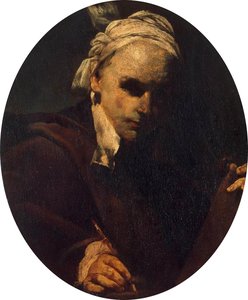
ジュゼッペ・マリア・クレスピ
1665 - 1747 , イタリア
基本情報
- Artistic Movement Or Style: 後期バロック
- Artists Or Movements Influenced By This Artist:
- ピエトロ・ロンギー
- G. B. ピアゼッタ
- Artists Who Influenced This Artist:
- アンジェロ・ミケーレ・トニ
- ドメニコ・マリア・カヌティ
- Date Of Birth: 1665年3月14日
- Date Of Death: 1747年7月16日
- Full Name: ジュゼッペ・マリア・クレスピ
- Nationality: イタリア
- Notable Artworks:
- 七つの秘跡
- 悔悛する聖マリア・マグダレナ
- 告解
- 皿を洗う女
- Place Of Birth: イタリア、ボローニャ
関連記事
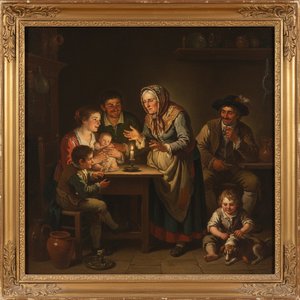
Giuseppe Maria Crespi: Pioneering Genre Painting & the Bolognese Baroque
Explore the life & art of Giuseppe Maria Crespi, a pivotal Bolognese Baroque painter. Discover his groundbreaking genre scenes, religious works, and lasting influence on Italian art history. Learn more at ArtsDot.
Beyond the Guest Book: Unique Wedding Keepsakes Through Custom Artwork
Elevate your wedding memories with unique custom artwork! Discover personalized paintings & prints that capture the magic of your special day. Expert guidance, premium quality, lasting keepsakes.

愛のキャンバス:結婚肖像画におけるロマンティック様式の選択と表現
ロマンティック様式の結婚肖像画で、二人の愛を永遠に。手描き複製画からカスタムメイドまで、高品質なアート作品をご提供。制作プロセスやインテリアコーディネート術もご紹介します。信頼のArtsDot.com。
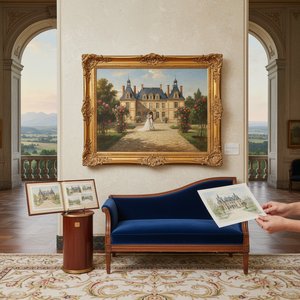
Beyond Photographs: Commissioning Bespoke Paintings of Wedding Venues for Unforgettable Keepsakes
Transform your wedding venue into timeless art! Discover the beauty of bespoke paintings & commissions with 's expert artists. Create a unique, luxurious keepsake.
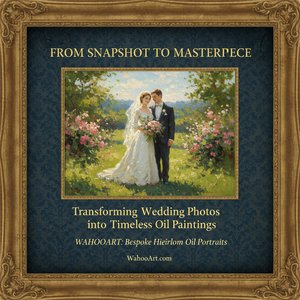
From Snapshot to Masterpiece: Transforming Wedding Photos into Timeless Oil Paintings
Transform cherished wedding photos into timeless oil paintings! Expert artists at create bespoke portraits & heirloom art. Discover the process, styles & lasting value.