

 プレビュー
プレビュー
 シェアする
シェアする シェアする
シェアする
 詳細を見る
詳細を見る

 ダウンロード
 似ている作品
 X線調査
X線調査 スライドショー
 統計情報
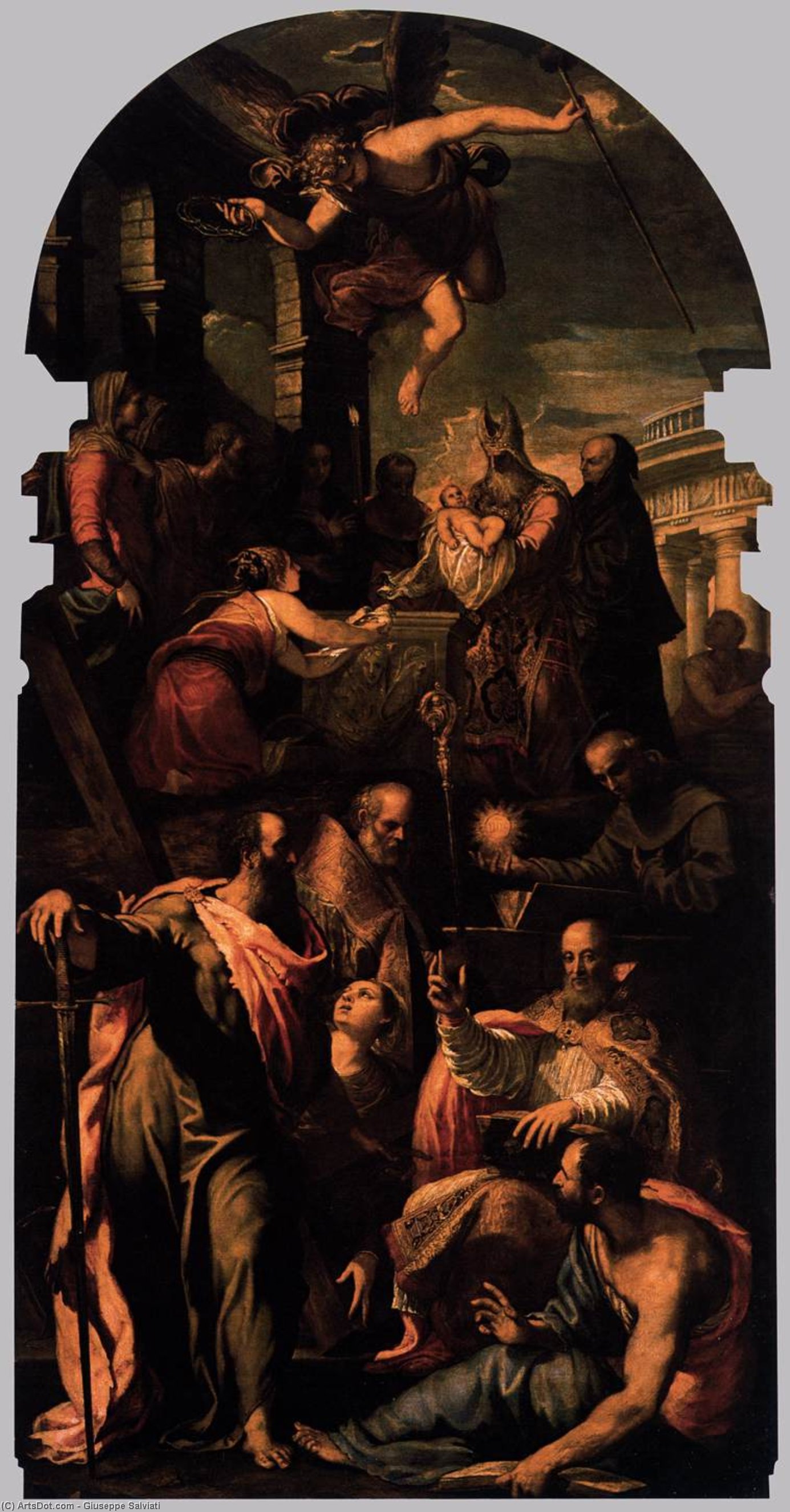
統計情報Presentation of Mary in the Temple
 Oil On Canvas
- WallArt
- Mannerism
 1548
1548- Renaissance
 483.0 x 247.0 cm
 サンタ・マリア・グロリオザ・デイ・フラリBasilica
 詳細を見る
詳細を見る
オンラインプレビューをはるかに凌ぐ、高解像度で鮮明なデジタル画像をご購入いただけます。
各ファイルは、社内の専門家が高度なツールと熟練した手作業によるレタッチを用いて、細心の注意を払って準備されています。すべての画像において、卓越した鮮明度、正確な色彩再現性、そして繊細なディテールを保証いたします。
最終ファイルは、プロフェッショナルな編集・印刷環境ですぐにご利用いただけるよう最適化された状態で、72時間以内にメールにてお届けいたします。これは、一流のデザインスタジオ、出版社、ギャラリーから信頼されているものと同等の品質です。
デジタルアート
個人での鑑賞、印刷、クリエイティブなプロジェクト用に、高解像度ファイルをダウンロードできます。 ( プリント版に切り替え 手描きの絵画を購入)
デジタル画像のご注文に付随する特典
高品質なデジタル画像配信を、確かな品質で。
ArtsDot.com を選ぶことは、単に画像を手に入れることではありません。それは、プロの手によって精密に仕上げられ、満足保証が付いた高品質なデジタルアートワークを受け取ることを意味します。ご注文いただいた際に自動的に付随する内容は、以下の通りです:

メールですぐにお届け
ご注文から72時間以内に、高解像度のデジタル画像ファイルがメールでお手元に届きます。すぐにそのままご利用いただけます。

AI技術で最適化されたデジタルファイル
お客様の作品は、高度なAIツールと専門家による手作業の編集を組み合わせてプロフェッショナルに最適化されており、細部のディテール、鮮明さ、そして正確な色再現性を最大限に引き出しています。

一生涯無料の再送サービス
ファイルを誤って削除したり、紛失してしまったりしましたか?ご安心ください。いつでも無料で再送いたします。

輸入手数料は一切かかりません
関税や手数料、配送料を気にすることなく、お気に入りのアートワークをすぐにお楽しみいただけます。デジタルダウンロードは常に免税です。

色彩再現の保証
プロ仕様のツールとカラーマネジメント技術を用いることで、デジタル画像が元の色を最大限に忠実に再現することを保証いたします。

100日間満足保証
ご購入いただいたデジタル画像にご満足いただけない場合は、100日以内であれば、理由を問わず修正または100%の返金対応をさせていただきます。

100% 返金保証
ご満足いただけない場合は、デジタルファイルを受け取ってから100日以内であれば、理由を問わず全額返金いたします。

まとめ買い割引
3枚購入で10%OFF - 5枚購入で15%OFF - 10枚以上購入で20%OFF。クリエイティブなプロジェクト、ギャラリー、エージェンシーに最適です。
A Divine Narrative in Mannerist Splendor
To stand before Giuseppe Salviati's depiction of the Presentation of Mary in the Temple is to step directly into the vibrant, dramatic heart of the late Italian Renaissance colliding with the emerging energy of Mannerism. This monumental work is not merely a recounting of scripture; it is an orchestrated tableau vivant, brimming with theological weight and breathtaking artistic virtuosity. The scene captures that pivotal moment when the young Mary, daughter of Joachim and Anne, is formally presented within the sacred confines of the Temple. One can almost feel the hushed reverence mingling with the palpable drama emanating from the richly robed figures.
Mastery in Composition and Detail
Salviati, a master whose career unfolded amidst the artistic ferment of Venice, imbues this canvas with an opulent detail that speaks to his technical prowess. Observe the interplay between the central figures—Mary, flanked by her parents, Joachim and Anne—and the surrounding celestial witnesses. The composition is anything but static; it pulses with controlled energy. From the background elements, perhaps a figure bearing a cross or another engaged in study with a book, we glean glimpses of the broader spiritual world intersecting with this intimate rite. Salviati’s handling of drapery is particularly noteworthy; the folds seem to possess a life of their own, catching the light and suggesting movement even in repose. The inclusion of minute details, such as the depicted chair or perhaps a subtle bird, anchors the divine narrative within a tangible, richly decorated reality.
The Echoes of Mannerist Drama
This painting serves as a magnificent testament to the period's stylistic shift. While rooted in the grandeur of High Renaissance composition, Salviati channels it through a distinctly Mannerist lens—a style characterized by heightened emotion, elongated forms, and an almost theatrical sense of drama. The colors are rich, deep, and saturated, contributing to an atmosphere that is both sacredly solemn and dramatically charged. It is this masterful manipulation of tone and gesture that elevates the piece beyond mere illustration; it becomes a profound meditation on piety and divine destiny.
Symbolism and Emotional Resonance
The Presentation itself carries layers of deep symbolism. Mary’s journey to the Temple marks her formal introduction into the religious life, an event charged with prophecy and anticipation. The presence of angels underscores the heavenly sanction upon this earthly rite. For the modern admirer or collector, the emotional impact is one of awe—a feeling evoked by witnessing a moment of profound transition. Owning a reproduction of this work allows one to bring that sense of elevated spirituality and dramatic beauty into a contemporary space, transforming an area from merely decorative to deeply evocative.
A Legacy for Your Sanctuary
Whether adorning a grand hall or serving as the focal point of a richly decorated chapel, this artwork speaks to enduring themes of faith, lineage, and divine grace. Salviati’s ability to merge meticulous craftsmanship with overwhelming emotional narrative ensures that this piece remains timeless. It is an investment not just in art history, but in a continuous dialogue with the masters who defined dramatic pictorial storytelling.
関連作品

作家の略歴
Giuseppe Salviati: A Master of Mannerist Drama
Giuseppe Salviati (c. 1520 – c. 1575), originally known as Giuseppe Porta, stands as a pivotal figure in the late Italian Renaissance and early Mannerist period. Born in Castelnuovo di Garfagnana, he initially apprenticed under Francesco Salviati, a renowned painter of his time, ultimately adopting his mentor’s surname – a common practice among artists seeking recognition and prestige. Salviati's career unfolded primarily in Venice, a city that served as a vibrant hub for artistic innovation during this era, absorbing the stylistic influences of both Rome and its own rich Venetian tradition.
His early training instilled within him a deep understanding of classical composition and technique, yet Salviati quickly developed his own distinctive style – characterized by dramatic dynamism, opulent detail, and a masterful manipulation of perspective. Unlike many of his contemporaries who adhered strictly to the established rules of High Renaissance art, Salviati embraced exaggeration, distortion, and an intense emotionalism that defined the Mannerist movement. This wasn’t simply stylistic choice; it reflected a broader shift in artistic sensibilities, moving away from idealized beauty towards a more expressive and psychologically charged representation of reality.
Religious Themes and Dramatic Compositions
Salviati's oeuvre is overwhelmingly dominated by religious subjects, reflecting the patronage demands of Venetian churches and noble families. He frequently depicted scenes from the lives of Christ, Mary, and the saints, but approached these narratives with a distinctly Mannerist flair. His compositions are rarely static; instead, they pulsate with movement, energy, and often unsettling intensity. Figures are elongated, their poses exaggerated, and drapery flows in swirling, dramatic folds – elements that contribute to a sense of heightened emotionality.
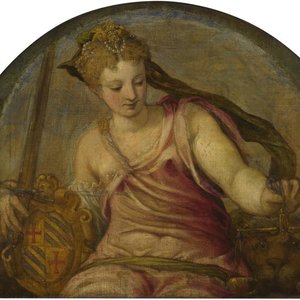
Consider his ‘Presentation of Mary in the Temple,’ a powerful depiction of this pivotal biblical event. The figures are arranged in a complex, almost claustrophobic space, conveying both the sacredness and the inherent tension of the scene. Similarly, ‘Pallas Athene between Fortune and Virtue’ showcases Salviati's ability to fuse classical mythology with Mannerist dynamism, creating a visually arresting tableau that explores themes of wisdom, fate, and moral choice. These works demonstrate his skill in layering complex narratives within a single image, inviting viewers to contemplate the deeper meanings behind each scene.
Technique and Venetian Influence
Salviati’s technical approach was deeply rooted in the Venetian painting tradition, yet he pushed its boundaries further. He employed a technique known as “stiacciato,” building up layers of thin paint – often dozens – to create a sense of depth and volume. This meticulous layering resulted in surfaces that shimmered with an almost tactile quality, particularly evident in his ceiling frescoes. His use of color was equally distinctive—rich, saturated hues combined with subtle gradations and atmospheric effects, creating a luminous and dramatic visual experience.
However, Salviati wasn’t simply replicating Venetian techniques; he adapted them to serve his own expressive goals. He incorporated elements of Roman Mannerism – such as distorted perspective and elongated figures – while simultaneously embracing the vibrant color palette and dynamic compositions characteristic of Venice. This synthesis created a uniquely personal style that distinguished him from both his Roman predecessors and his Venetian contemporaries.
Legacy and Recognition
Despite his considerable talent, Salviati’s work was often overshadowed during his lifetime. Many of his most ambitious commissions – particularly his large-scale frescoes – were tragically lost to fire or neglect. However, in recent decades, scholars have increasingly recognized Salviati's importance as a key figure in the development of Mannerism and a significant contributor to Venetian art history. His influence can be seen in the work of subsequent generations of artists, including Girolamo da Santacroce.
Today, his masterpieces – such as ‘Pallas Athene between Fortune and Virtue’ and ‘Presentation of Mary in the Temple’ – are treasured examples of Italian Renaissance art, offering a compelling glimpse into the dramatic world of Giuseppe Salviati, a master painter who skillfully blended classical ideals with the expressive power of Mannerism.
giuseppe salviati
1520 - 1575 , Italy
プロフィール概要
- Artistic Movement Or Style: Mannerist
- Artists Or Movements Influenced By This Artist: ['Girolamo da Santacroce']
- Artists Who Influenced This Artist: ['Francesco Salviati']
- Date Of Birth: ca. 1520
- Date Of Death: ca. 1575
- Full Name: Giuseppe Salviati
- Nationality: Italian
- Notable Artworks:
- Presentation of Mary
- Pallas Athene
- Place Of Birth: Castelnuovo di Garfagnana, Italy