

 プレビュー
プレビュー
 プリントを購入
 シェアする
シェアする シェアする
シェアする
 詳細を見る
詳細を見る

 ダウンロード
 似ている作品
 X線調査
X線調査 スライドショー
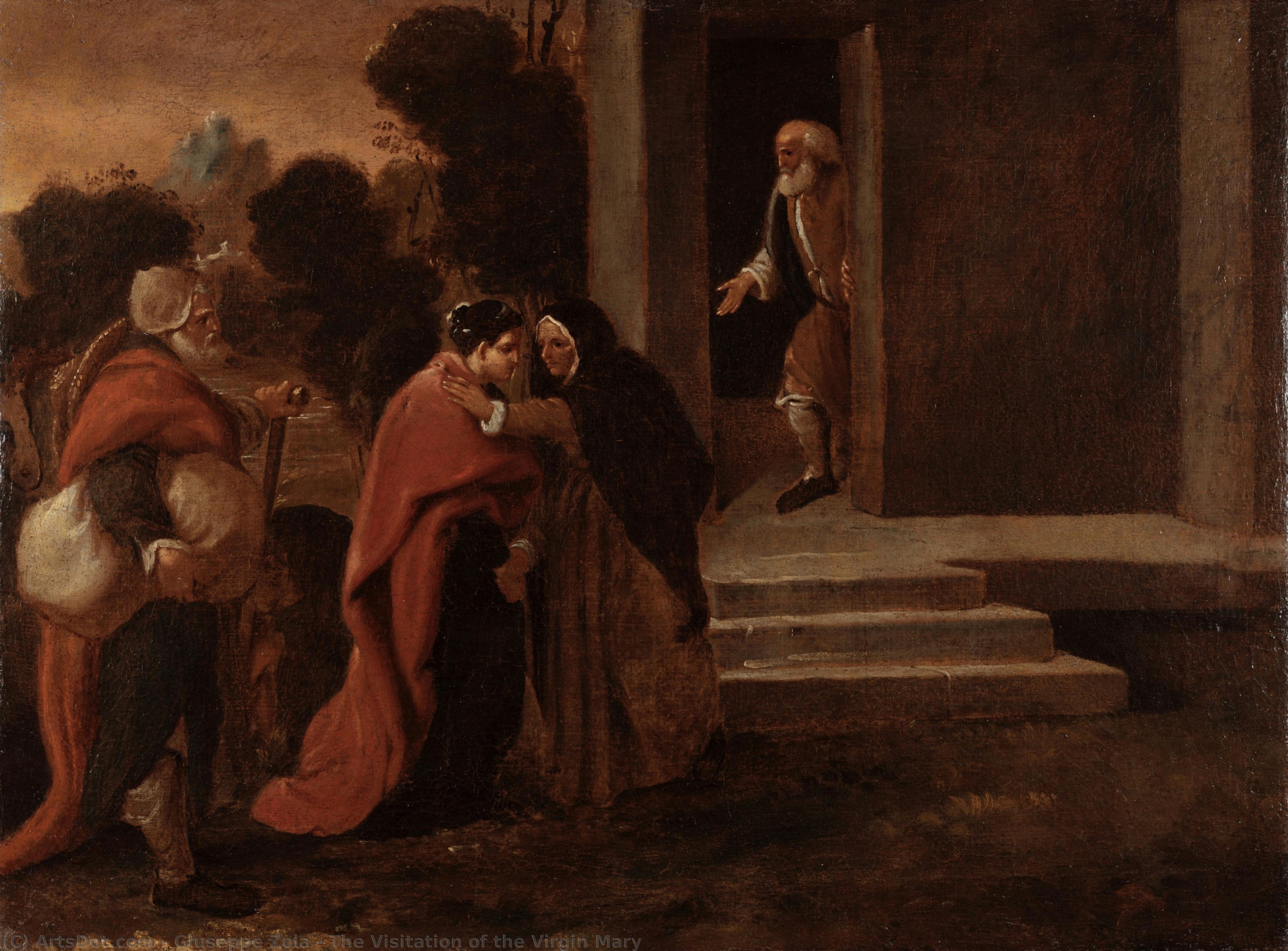
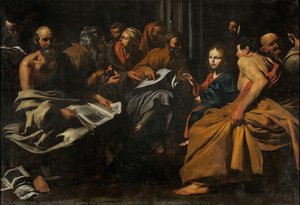
The Visitation of the Virgin Mary
 51.0 x 68.0 cm
 Musei Civici di Arte Antica e Museo Riminaldi
 詳細を見る
詳細を見る
オンラインプレビューをはるかに凌ぐ、高解像度で鮮明なデジタル画像をご購入いただけます。
各ファイルは、社内の専門家が高度なツールと熟練した手作業によるレタッチを用いて、細心の注意を払って準備されています。すべての画像において、卓越した鮮明度、正確な色彩再現性、そして繊細なディテールを保証いたします。
最終ファイルは、プロフェッショナルな編集・印刷環境ですぐにご利用いただけるよう最適化された状態で、72時間以内にメールにてお届けいたします。これは、一流のデザインスタジオ、出版社、ギャラリーから信頼されているものと同等の品質です。
デジタル画像のご注文に付随する特典
高品質なデジタル画像配信を、確かな品質で。
ArtsDot.com を選ぶことは、単に画像を手に入れることではありません。それは、プロの手によって精密に仕上げられ、満足保証が付いた高品質なデジタルアートワークを受け取ることを意味します。ご注文いただいた際に自動的に付随する内容は、以下の通りです:

メールですぐにお届け
ご注文から72時間以内に、高解像度のデジタル画像ファイルがメールでお手元に届きます。すぐにそのままご利用いただけます。

AI技術で最適化されたデジタルファイル
お客様の作品は、高度なAIツールと専門家による手作業の編集を組み合わせてプロフェッショナルに最適化されており、細部のディテール、鮮明さ、そして正確な色再現性を最大限に引き出しています。

一生涯無料の再送サービス
ファイルを誤って削除したり、紛失してしまったりしましたか?ご安心ください。いつでも無料で再送いたします。

輸入手数料は一切かかりません
関税や手数料、配送料を気にすることなく、お気に入りのアートワークをすぐにお楽しみいただけます。デジタルダウンロードは常に免税です。

色彩再現の保証
プロ仕様のツールとカラーマネジメント技術を用いることで、デジタル画像が元の色を最大限に忠実に再現することを保証いたします。

60日間満足保証
ご購入いただいたデジタル画像にご満足いただけない場合は、60日以内であれば、修正または100%の返金(理由を問う必要はありません)をさせていただきます。

100% 返金保証
ご満足いただけない場合は、デジタルファイルを受け取ってから60日以内であれば、理由を問わず全額返金いたします。

まとめ買い割引
3枚購入で10%OFF - 5枚購入で15%OFF - 10枚以上購入で20%OFF。クリエイティブなプロジェクト、ギャラリー、エージェンシーに最適です。
関連作品





作家の略歴
Robert Barker: The Pioneer of the Panorama
Born in Kells, County Meath, Ireland, in 1739, Robert Barker’s life was a fascinating blend of artistic innovation and entrepreneurial ambition. While often overshadowed by his invention – the panorama – Barker himself remains a somewhat enigmatic figure within art history. His career spanned decades, marked by a remarkable shift from humble portraiture to the creation of immersive, large-scale paintings that captivated audiences across Europe and America. Barker’s story is one of recognizing a burgeoning public appetite for visual spectacle and cleverly exploiting it, ultimately establishing himself as a pivotal figure in the development of both panoramic art and the concept of “panorama” itself.
Early life offers little detail, but Barker's training likely involved apprenticeships within established artistic circles. He began his career as a portrait painter, diligently working to establish a reputation in London. This foundation proved crucial; it provided him with the technical skills and understanding of perspective – particularly the principles developed by artists like Charles Jervas – that would later underpin his revolutionary panoramas. Jervas’s work, known for its meticulous detail and ability to convey depth and spatial relationships, undoubtedly influenced Barker's approach to creating convincing illusions of space within his vast canvases.
- Early Portraiture: Barker honed his skills painting portraits of prominent figures in London society.
- The Coinage of “Panorama” (1792): He coined the term "panorama" from Greek roots meaning “all-seeing,” describing his paintings of Edinburgh, Scotland, which presented a complete 360-degree view of the city.
The Rise of the Barker Panorama
Barker’s breakthrough came in 1793 with the construction of a dedicated panorama building in Leicester Square, London – a truly unprecedented undertaking for its time. This purpose-built structure, designed by Robert Mitchell, housed six massive canvases depicting Edinburgh from Calton Hill. The experience was transformative; viewers stood on a central platform beneath a skylight, enveloped in a breathtakingly expansive view that simulated the sensation of standing atop the hill itself. This wasn’t merely a painting; it was an immersive spectacle, a new form of entertainment that quickly gained immense popularity.
The success of the Edinburgh panorama led to further iterations and expansions. Barker soon moved his panoramas to a larger building in London, showcasing scenes from other cities like Paris and Rome. His technique involved sophisticated manipulations of perspective – far exceeding the conventions of earlier “prospect” paintings – creating an illusion of depth and scale that was remarkably convincing. He employed techniques developed by artists such as Francis Towne, who had spent time studying landscape painting in Italy, to achieve this effect.
- The Leicester Square Building (1793): The first purpose-built panorama building, a marvel of engineering and design.
- Edinburgh from Calton Hill: Barker’s most famous work, showcasing the panoramic view of Edinburgh.
- Expansion to London: Barker replicated his success with panoramas of Paris and Rome.
Technique and Innovation
Barker's mastery lay not just in the scale of his paintings but also in the technical innovations he employed. He moved beyond the traditional single-point perspective, utilizing a complex system of vanishing points to create an illusion of depth that extended across the entire canvas. His panoramas were meticulously constructed, often incorporating detailed models and topographical surveys to ensure accuracy. The use of carefully calibrated lighting further enhanced the immersive quality of the experience, creating a dramatic and captivating spectacle for viewers.
Crucially, Barker’s work anticipated developments in visual perception that wouldn't fully emerge until decades later. His panoramas demonstrated an understanding of how the human eye perceives space and distance – principles that would later be explored by artists like Charles Jervas and further developed by Impressionists and Post-Impressionists. His approach to creating a comprehensive, all-encompassing view was truly groundbreaking.
Legacy and Influence
Robert Barker’s legacy is complex and multifaceted. While he never achieved widespread recognition during his lifetime – largely due to the ephemeral nature of his panoramas – he undeniably pioneered a new art form and coined a term that continues to be used today. His invention of “panorama” fundamentally altered the way people experienced visual art, shifting from static paintings to dynamic, immersive spectacles.
The Barker Panorama’s influence extended beyond Britain, inspiring similar projects across Europe and eventually in America. The concept of the cyclorama – a moving panorama viewed on a rotating screen – emerged in the 19th century, demonstrating the enduring appeal of Barker's innovative approach. Today, his work is studied as a crucial milestone in the history of art, representing a pivotal moment in the evolution of visual representation and entertainment.
Robert Barker died in 1806, leaving behind a remarkable legacy – not just as an artist but as an inventor and a visionary who transformed the way people experienced the world through art.
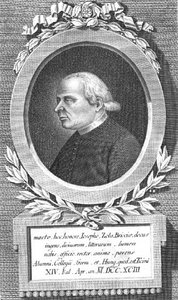
giuseppe zola
1739 - 1806 , Italy
プロフィール概要
- Artistic Movement Or Style: Panoramic painting
- Artists Or Movements Influenced By This Artist: ['Francis Towne']
- Artists Who Influenced This Artist: ['Charles Jervas']
- Date Of Birth: 1739
- Date Of Death: 1806
- Full Name: Robert Barker
- Nationality: Irish
- Notable Artworks: ['The Panorama of Edinburgh']
- Place Of Birth: Kells, County Meath, Ireland

