

 プレビュー
プレビュー
 プリントを購入
 シェアする
シェアする シェアする
シェアする
 詳細を見る
詳細を見る

 ダウンロード
 似ている作品
 X線調査
X線調査 スライドショー
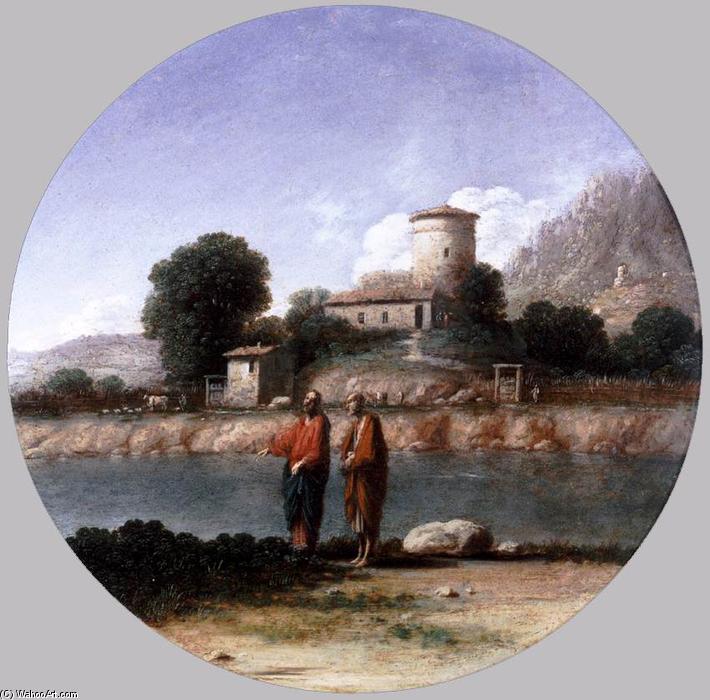
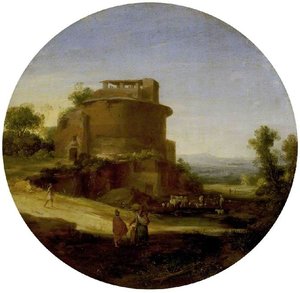
景観にイエスとサンピエール - ローマの静寂への賛歌
 キャンバスにアクリル絵具
- ウォールアート
- Baroque Landscape Painting
 1625
1625 28.0 x 28.0 cm
 スコットランド国立美術館
 詳細を見る
詳細を見る
オンラインプレビューをはるかに凌ぐ、高解像度で鮮明なデジタル画像をご購入いただけます。
各ファイルは、社内の専門家が高度なツールと熟練した手作業によるレタッチを用いて、細心の注意を払って準備されています。すべての画像において、卓越した鮮明度、正確な色彩再現性、そして繊細なディテールを保証いたします。
最終ファイルは、プロフェッショナルな編集・印刷環境ですぐにご利用いただけるよう最適化された状態で、72時間以内にメールにてお届けいたします。これは、一流のデザインスタジオ、出版社、ギャラリーから信頼されているものと同等の品質です。
デジタル画像のご注文に付随する特典
高品質なデジタル画像配信を、確かな品質で。
ArtsDot.com を選ぶことは、単に画像を手に入れることではありません。それは、プロの手によって精密に仕上げられ、満足保証が付いた高品質なデジタルアートワークを受け取ることを意味します。ご注文いただいた際に自動的に付随する内容は、以下の通りです:

メールですぐにお届け
ご注文から72時間以内に、高解像度のデジタル画像ファイルがメールでお手元に届きます。すぐにそのままご利用いただけます。

AI技術で最適化されたデジタルファイル
お客様の作品は、高度なAIツールと専門家による手作業の編集を組み合わせてプロフェッショナルに最適化されており、細部のディテール、鮮明さ、そして正確な色再現性を最大限に引き出しています。

一生涯無料の再送サービス
ファイルを誤って削除したり、紛失してしまったりしましたか?ご安心ください。いつでも無料で再送いたします。

輸入手数料は一切かかりません
関税や手数料、配送料を気にすることなく、お気に入りのアートワークをすぐにお楽しみいただけます。デジタルダウンロードは常に免税です。

色彩再現の保証
プロ仕様のツールとカラーマネジメント技術を用いることで、デジタル画像が元の色を最大限に忠実に再現することを保証いたします。

60日間満足保証
ご購入いただいたデジタル画像にご満足いただけない場合は、60日以内であれば、修正または100%の返金(理由を問う必要はありません)をさせていただきます。

100% 返金保証
ご満足いただけない場合は、デジタルファイルを受け取ってから60日以内であれば、理由を問わず全額返金いたします。

まとめ買い割引
3枚購入で10%OFF - 5枚購入で15%OFF - 10枚以上購入で20%OFF。クリエイティブなプロジェクト、ギャラリー、エージェンシーに最適です。
Landschaft mit Christus und Petrus – Eine römische Kontemplation
Gottfried Wals (1595 – 1638), ein deutscher Maler geboren in Köln um 1595 und tragisch frühzeitig in Rom im Jahr 1638 verstorben, bleibt eine rätselhafte Figur innerhalb des umfassenderen Panorama der Barockkunst. Während biografische Einzelheiten spärlich sind – hauptsächlich aus vereinzelten Archivaufzeichnungen gewonnen –, spricht sein künstlerisches Werk für sich selbst und offenbart seine tiefgreifende Beschäftigung mit römischer Landschaftsmalerei und biblischen Erzählungen, wodurch er eine besondere Stimme inmitten der stilistischen Strömungen seiner Zeit etabliert. Wals’s frühe Jahre verbrachte er in Köln, wo er unter Anleitung Johann Georg Muffat, einem renommierten Komponisten und einflussreichen Lehrer, seine Fähigkeiten entwickelte. Diese Begegnung mit musikalischer Raffinesse prägte zweifellos Wals’s künstlerische Sensibilität und förderte eine Wertschätzung für harmonisches Gleichgewicht und subtile Textur – Eigenschaften, die zu Kennzeichen seines Œuvres wurden. Frühe Einflüsse: Die Betonung tonaler Farbgebung und akribischer Beobachtung durch die Kölner Schule prägte maßgeblich Wals’s künstlerischen Ansatz. Anders als der dramatische Durchscheinungsdruck von Caravaggio bevorzugte Wals eine ruhigere Palette und konzentrierte sich auf sanfte Farbtöne und diffuses Licht – Techniken, die direkt aus den ästhetischen Prinzipien der Kölner Schule hervorgegangen waren. Diese bewusste Zurückhaltung diente nicht nur als stilistische Entscheidung, sondern auch als Ausdruck des kontemplativen Geistes, der für die katholische Liturgie zu seiner Zeit charakteristisch war. Er strebte danach, die Einfachheit der italienischen Landschaft einzufangen und spiegelte damit die spirituelle Erholung wider, die durch Kontemplation und Gebet erreicht wurde – Themen, die im Zentrum des religiösen Kunstverständnisses dieser Epoche standen. Das Werk: „Landschaft mit Christus und Petrus“ zeigt eine ruhige Aussicht über den Tiberfluss. Wals zeichnet die sich ondulierenden Hügelhänge mit goldenem Nachmittagslicht nach und bevölkert sie von grasenden Kühen und Schafen. Die Komposition ist ausgewogen und lenkt das Auge auf einen entfernten Boot, das sich über Wasser bewegt – eine subtile Anspielung auf biblische Erzählungen von Pilgerfahrt und göttlicher Vorsehung. Ein prominenter Uhrturm prägt den Horizont und stellt die Zeitliche Realität dar und verstärkt gleichzeitig das allgemeine Gefühl von zeitloser Schönheit. Wals’s sorgfältige Pinseltechnik trägt zu einem Eindruck von wahrnehmbarer Stille bei; Einzelne Striche verschmelzen nahtlos miteinander und schaffen eine samtartige Oberfläche, die die Essenz römischer Landschaftstranquillität einfängt. Symbolismus und Kontext: Wals’s Gemälde geht über reine visuelle Darstellung hinaus und wirkt auf mehreren symbolischen Ebenen. Die Landschaft selbst steht für Edenische Reinheit – eine Rückkehr zur ursprünglichen Schöpfung Gottes –, während Christus und Petrus als Symbole des Glaubens und göttlicher Autorität auftreten. Ihre Körperhaltung strahlt ruhige Würde aus und vermittelt die Bedeutung von Gebet und Kontemplation innerhalb der Weltanschauung der katholischen Kirche. Produziert wurde das Werk während Wals’s Tätigkeit in Rom und spiegelt damit die umfassendere künstlerische Beschäftigung mit biblischen Themen und idealisierten Darstellungen der Natur wider – eine Tendenz, die sich während des Barock durchzog. Es spricht zu einem Wunsch nach geistlicher Erhebung und bietet dem Betrachter ein Einladung zur Eintauchung in die Schönheit Gottes Schöpfung an. Fazit: Gottfried Wals’s „Landschaft mit Christus und Petrus“ ist ein Zeugnis für die dauerhafte Kraft der zurückhaltenden Eleganz und harmonischen Komposition. Seine stille Größe erfasst nicht nur die visuelle Pracht römischer Landschaften, sondern auch die tiefgreifenden spirituellen Werte, die die Barockkunst prägten. Eine außergewöhnliche Reproduktion würde zweifellos jedem Innenraum eine besondere Atmosphäre verleihen und Betrachter zurück zu einem Moment der kontemplativen Ruhe führen – eine zeitlose Erinnerung daran, dass Schönheit die Fähigkeit besitzt, zu inspirieren und die Seele aufzuhellen.関連作品
![Landscape With A Calm (un Tem[p]s Calme Et Serein) — ニコラ・プーサン, Baroque](/media/artworks/images-thumb/40/10/4010b4505e707e3c8c70e15a89451175.jpg)

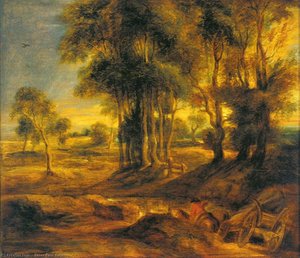
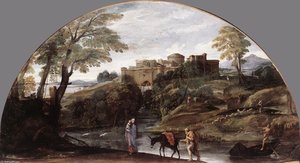
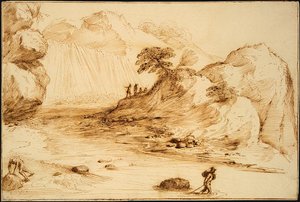
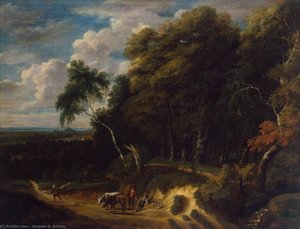
作家の略歴
The Enigmatic Wanderer of the Baroque Landscape
In the grand, sweeping tapestry of the seventeenth century, few figures possess the haunting mystery of Gottfried Wals, known to his Italian contemporaries as Goffredo Tedesco. Born in Cologne around 1595, this German master’s life was a restless pilgrimage across the heart of Europe, a journey that mirrored the very movement and light he sought to capture on canvas. While biographical fragments remain scattered like autumn leaves—gleaned from sparse archival records and the echoes of legal complaints—his artistic legacy is one of profound atmospheric depth. Wals did not merely paint scenery; he orchestrated quiet Roman landscapes where biblical narratives breathed within the stillness of nature, creating a bridge between the meticulous traditions of the North and the dramatic, sun-drenched innovations of the Italian Baroque.
Wals’s early years in Cologne provided a foundation of technical rigor. Under the tutelage of the influential Johann Georg Muffat, he likely absorbed a sense of musicality and harmonic balance that would later define his compositions. This period instilled in him an appreciation for tonal colorism and a keen eye for the subtle textures of the natural world. However, it was his migration to Italy around 1615 that ignited his true artistic transformation. Moving through Naples and Genoa before settling in Rome, Wals found himself immersed in a landscape of intense creative friction. His time in Rome was marked by both hardship and brilliance; he served as an assistant to the notoriously volatile Agostino Tassi, an experience that saw him endure physical hardship and even brief imprisonment, yet it placed him at the very epicenter of the Roman artistic ferment.
A Symphony of Light and Shadow
The stylistic evolution of Wals is a testament to his ability to synthesize diverse influences into a singular, evocative voice. As he navigated the streets of Rome, the revolutionary shadows of Caravaggio began to permeate his work. He embraced the power of tenebrism, using stark contrasts between light and dark to imbue biblical scenes with an unflinching, spiritual realism. Yet, Wals was not a mere imitator of the Caravaggisti; he sought a more lyrical integration of figure and environment. His interest in composition and lighting often drew comparisons to Filippo Napoletano and the atmospheric mastery of Adam Elsheimer, suggesting a painter deeply concerned with the way light sculpts the physical world.
One of the most remarkable aspects of his career was his role as a mentor to future legends. Between 1620 and 1622, the great landscape master Claude Lorrain was an occasional student of Wals, suggesting that the seeds of Lorrain’s celebrated classical landscapes may have been sown in the lessons learned from the German painter's delicate handling of light. Wals’s preferred medium—often small-format works painted on copper or circular compositions—allowed for a jewel-like precision. In these intimate spaces, he could meticulously render the grandeur of the Roman countryside, turning a small piece of metal into a window onto an eternal, pastoral world.
Legacy and the Final Tremor
Despite the scarcity of his surviving oeuvre—with only about twenty-five works definitively attributed to him—the historical significance of Goffredo Wals remains undiminished. He stood as a pivotal figure in the burgeoning Northern School of landscape painting, a movement that sought to capture the sublime serenity of antiquity through a lens of profound emotional resonance. His ability to weave sacred history into the fabric of the natural landscape offered a meditative experience for the viewer, turning landscapes into sites of spiritual contemplation.
The tragic end of his life serves as a poignant coda to his restless journey. It is believed that Wals perished in 1638, likely during or shortly after the devastating earthquake that struck Calabria. This sudden loss silenced a voice that was still actively shaping the landscape traditions of Europe. Today, when we look upon his works, such as his evocative Landscape with Christ and Saint John the Baptist, we see more than just historical artifacts; we encounter the enduring spirit of an artist who found beauty in the interplay of shadow and light, and who left behind a quiet, luminous imprint on the history of Baroque art.
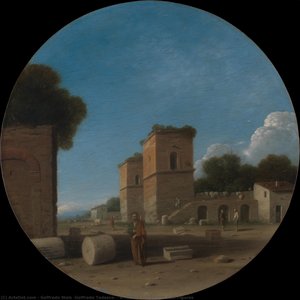
goffredo wals (goffredo tedesco)
1595 - 1638 , Germany
プロフィール概要
- Artistic Movement Or Style: Italian Baroque
- Artists Or Movements Influenced By This Artist: ['']
- Artists Who Influenced This Artist: ['']
- Date Of Birth: c. 1595
- Date Of Death: 1638
- Full Name: Gottfried Wals
- Nationality: German
- Notable Artworks:
- Roman Landscapes
- Biblical Narratives
- Place Of Birth: Cologne, Germany

