 プレビュー
プレビュー
 シェアする
シェアする シェアする
シェアする
 詳細を見る
詳細を見る

 ダウンロード
 似ている作品
 X線調査
X線調査 スライドショー
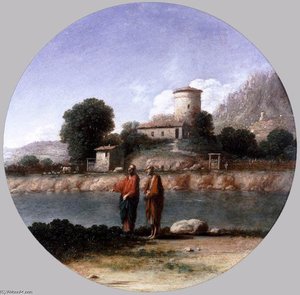
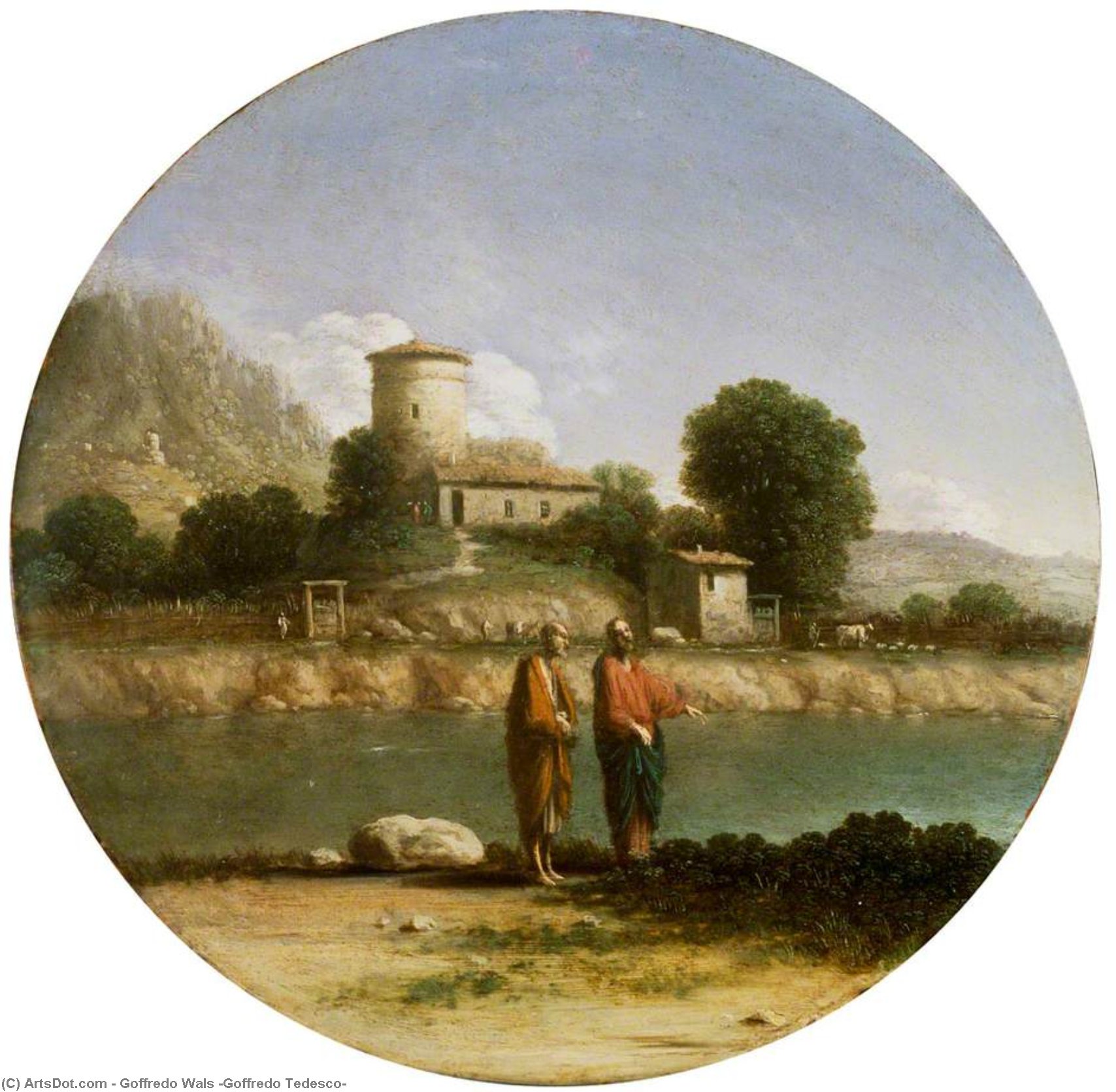
Landscape With Christ And Saint John The Baptist
 詳細を見る
詳細を見る
ジークレー/アートプリント
迅速な制作と多彩な仕上げオプションを備えた、ミュージアムクオリティのジークレーまたはキャンバスプリント。 ( 手描きの絵画を購入 画像を購入)




































作品のオリジナル比率に合わせた、当店の規定サイズからお選びください。

特定のフレームやスペースに合わせて、ご自身でサイズを指定することも可能です。選択されたサイズが元の画像の比率と一致しない場合、作品をトリミングするか、鏡面反射または単色での塗りつぶしによって画像を拡張いたします。制作を開始する前に、ご確認用のデジタルモックアップをお送りいたします。
画面上のプレビューには、実際のトリミングや拡張は反映されませんのでご注意ください。最終的な構図を正確に確認できるのは、モックアップのみとなります。
カスタムサイズも承っておりますが、元の比率を維持するためには、あらかじめ用意されたリストからサイズを選択することをお勧めいたします。


 ガラスオプションは、110cm未満のサイズでのみご利用いただけます。

Landscape With Christ And Saint John The Baptist
ジークレー/アートプリント
複製画のサイズ
-


合計金額
$ 62
関連作品
![Landscape With A Calm (un Tem[p]s Calme Et Serein) — ニコラ・プーサン, Baroque](/media/artworks/images-thumb/40/10/4010b4505e707e3c8c70e15a89451175.jpg)

アーティストの略歴
The Enigmatic Wanderer of the Baroque Landscape
In the grand, sweeping tapestry of the seventeenth century, few figures possess the haunting mystery of Gottfried Wals, known to his Italian contemporaries as Goffredo Tedesco. Born in Cologne around 1595, this German master’s life was a restless pilgrimage across the heart of Europe, a journey that mirrored the very movement and light he sought to capture on canvas. While biographical fragments remain scattered like autumn leaves—gleaned from sparse archival records and the echoes of legal complaints—his artistic legacy is one of profound atmospheric depth. Wals did not merely paint scenery; he orchestrated quiet Roman landscapes where biblical narratives breathed within the stillness of nature, creating a bridge between the meticulous traditions of the North and the dramatic, sun-drenched innovations of the Italian Baroque.
Wals’s early years in Cologne provided a foundation of technical rigor. Under the tutelage of the influential Johann Georg Muffat, he likely absorbed a sense of musicality and harmonic balance that would later define his compositions. This period instilled in him an appreciation for tonal colorism and a keen eye for the subtle textures of the natural world. However, it was his migration to Italy around 1615 that ignited his true artistic transformation. Moving through Naples and Genoa before settling in Rome, Wals found himself immersed in a landscape of intense creative friction. His time in Rome was marked by both hardship and brilliance; he served as an assistant to the notoriously volatile Agostino Tassi, an experience that saw him endure physical hardship and even brief imprisonment, yet it placed him at the very epicenter of the Roman artistic ferment.
A Symphony of Light and Shadow
The stylistic evolution of Wals is a testament to his ability to synthesize diverse influences into a singular, evocative voice. As he navigated the streets of Rome, the revolutionary shadows of Caravaggio began to permeate his work. He embraced the power of tenebrism, using stark contrasts between light and dark to imbue biblical scenes with an unflinching, spiritual realism. Yet, Wals was not a mere imitator of the Caravaggisti; he sought a more lyrical integration of figure and environment. His interest in composition and lighting often drew comparisons to Filippo Napoletano and the atmospheric mastery of Adam Elsheimer, suggesting a painter deeply concerned with the way light sculpts the physical world.
One of the most remarkable aspects of his career was his role as a mentor to future legends. Between 1620 and 1622, the great landscape master Claude Lorrain was an occasional student of Wals, suggesting that the seeds of Lorrain’s celebrated classical landscapes may have been sown in the lessons learned from the German painter's delicate handling of light. Wals’s preferred medium—often small-format works painted on copper or circular compositions—allowed for a jewel-like precision. In these intimate spaces, he could meticulously render the grandeur of the Roman countryside, turning a small piece of metal into a window onto an eternal, pastoral world.
Legacy and the Final Tremor
Despite the scarcity of his surviving oeuvre—with only about twenty-five works definitively attributed to him—the historical significance of Goffredo Wals remains undiminished. He stood as a pivotal figure in the burgeoning Northern School of landscape painting, a movement that sought to capture the sublime serenity of antiquity through a lens of profound emotional resonance. His ability to weave sacred history into the fabric of the natural landscape offered a meditative experience for the viewer, turning landscapes into sites of spiritual contemplation.
The tragic end of his life serves as a poignant coda to his restless journey. It is believed that Wals perished in 1638, likely during or shortly after the devastating earthquake that struck Calabria. This sudden loss silenced a voice that was still actively shaping the landscape traditions of Europe. Today, when we look upon his works, such as his evocative Landscape with Christ and Saint John the Baptist, we see more than just historical artifacts; we encounter the enduring spirit of an artist who found beauty in the interplay of shadow and light, and who left behind a quiet, luminous imprint on the history of Baroque art.
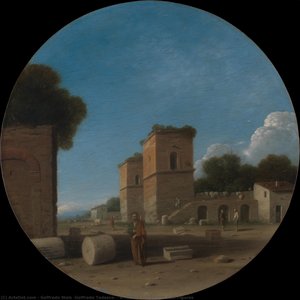
goffredo wals (goffredo tedesco)
1595 - 1638 , Germany
基本情報
- Artistic Movement Or Style: Italian Baroque
- Artists Or Movements Influenced By This Artist: ['']
- Artists Who Influenced This Artist: ['']
- Date Of Birth: c. 1595
- Date Of Death: 1638
- Full Name: Gottfried Wals
- Nationality: German
- Notable Artworks:
- Roman Landscapes
- Biblical Narratives
- Place Of Birth: Cologne, Germany