

 プレビュー
プレビュー
 プリントを購入
 シェアする
シェアする シェアする
シェアする
 詳細を見る
詳細を見る

 ダウンロード
 似ている作品
 X線調査
X線調査 スライドショー
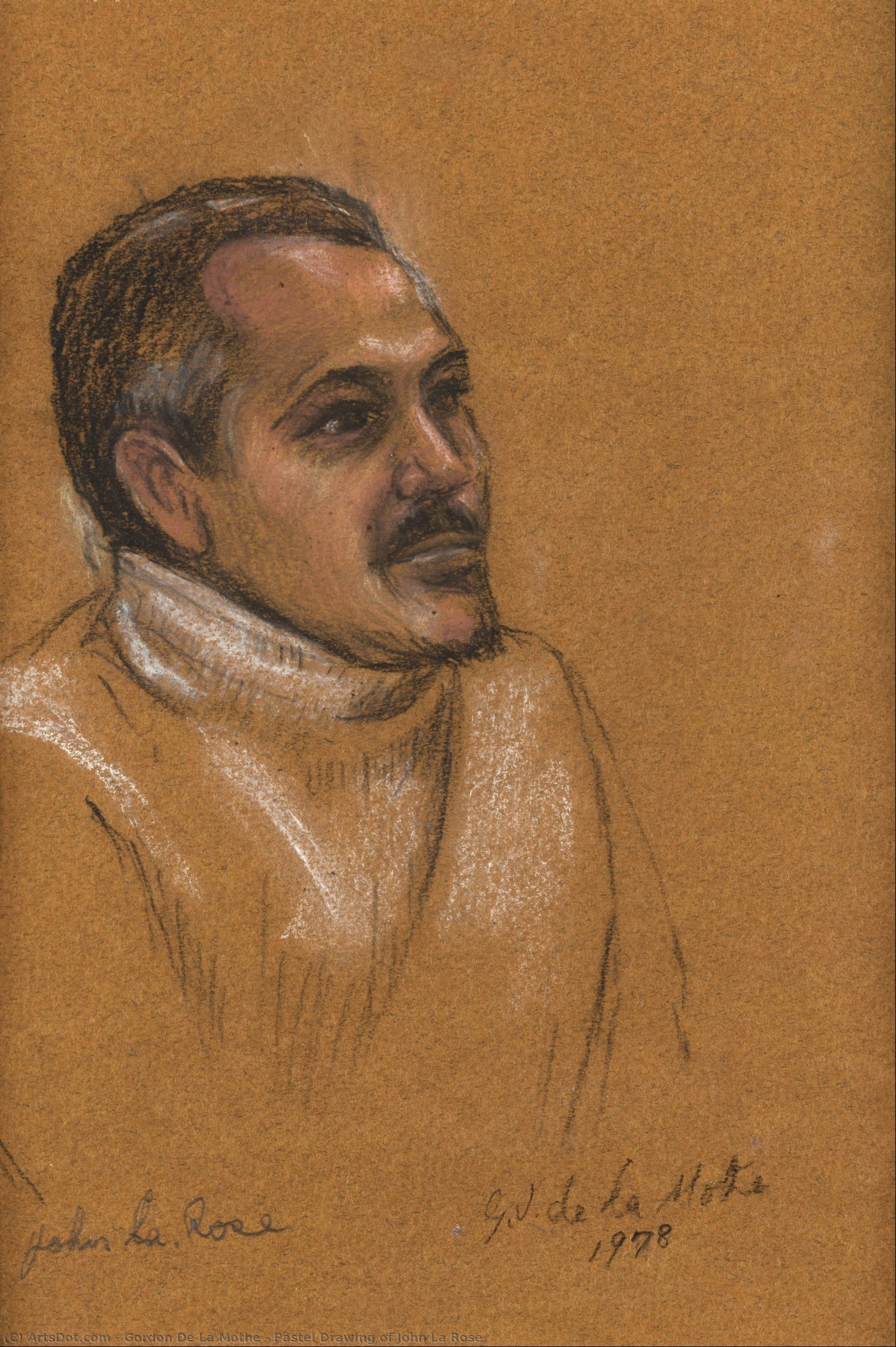
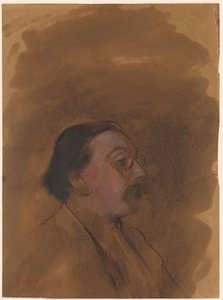
Pastel Drawing of John La Rose


 詳細を見る
詳細を見る




P118B $10

P118H $10

P118W $10

P438Z $10

P508JH $12

P508YH $12

P805H $10

P805Z $10

P919BZ $10

P919G $10

P919XJ $10

P959ZH $10

P968JZ $12

W106C $8

W218G $10

W218JH $8

W218Y $10

W307PJ $10

W316G $10

W316PJ $8

W316Y $10

W398PJ $8

W4111J $10

W500HY $15

W500JH $15

W692G $12

W849H $8

W940BG $15

W953PJ $8




作品のオリジナル比率に合わせた、当店の規定サイズからお選びください。

特定のフレームやスペースに合わせて、ご希望のサイズをご入力いただけます。選択されたサイズが元の画像の比率と異なる場合、アートワークをトリミングするか、手描きで要素を追加して絵画を拡張いたします。デジタルモックアップ を制作し、制作開始前にご確認(承認)をいただきます。
画面上のプレビューは、実際のトリミングや拡張を正確に反映しているものではありません。最終的な構図は、モックアップによってのみ正確にご確認いただけます。
カスタムサイズもご利用いただけますが、元の比率を維持するためには、あらかじめ用意されたリストからサイズを選択することをお勧めいたします。
ご注文後、ArtsDot.com チームより詳細な指示をお送りするとともに、仕上がりイメージ(モックアップ)をご提供いたします。


 ガラスオプションは、110cm未満のサイズでのみご利用いただけます。

Pastel Drawing of John La Rose
複製技法
複製画のサイズ
-


合計金額
$ 263
作品解説
A Portrait of Resilience: The Soul of John La Rose
In the delicate, textured strokes of Gordon de la Mothe’s 1978 pastel drawing, we encounter more than just a likeness; we meet a legacy. The subject, John La Rose, stands as a monumental figure in the tapestry of political and cultural activism. As a poet, publisher, and the visionary founder of New Beacon Books, La Rose’s life was dedicated to the liberation of thought and the empowerment of the Caribbean diaspora. Through de la Sobhe's lens, we see the man behind the movement—a figure whose influence stretched from the windswept streets of Trinidad to the heart of London’s intellectual circles. This portrait captures a moment of quiet contemplation, inviting the viewer to look past the historical weight of his achievements and connect with the human essence of a man who shaped the social landscapes of both the West Indies and Europe.
The technique employed in this piece is a masterclass in the subtle power of pastel. De la Mothe utilizes a monochromatic palette of rich, earthy browns and sepia tones to evoke a sense of timelessness, as if we are peering through the amber of history itself. The soft, blended textures characteristic of pastel allow for a gentle transition of light and shadow across La Rose’s features, particularly around the thoughtful tilt of his head and the distinguished line of his mustache. This choice of medium lends an organic, almost tactile quality to the work, mirroring the grounded, grassroots nature of La Rose's activism. The lack of distracting background elements ensures that the focus remains entirely on the subject, creating an intimate encounter between the observer and the observed.
For the discerning collector or interior designer, this artwork offers a profound emotional resonance that transcends mere decoration. It is a piece that commands presence through its understated elegance and historical gravity. The sepia-toned aesthetic provides a sophisticated warmth, making it an ideal centerpiece for a study, a library, or a curated gallery space where conversation and intellect are celebrated. To hang this reproduction is to invite a spirit of social consciousness and cultural pride into a room. It serves as a poignant reminder of the power of the written word and the enduring strength of identity, offering a window into a pivotal era of global change through the masterful hand of an artist whose life was equally rooted in the beauty of the Caribbean.
関連作品
アーティストの略歴
A Life Rooted in Grenada, Reimagined Through Art
Gordon de la Mothe’s journey as an artist is inextricably linked to his birthplace, the idyllic island of Carriacou, Grenada. Born in 1933, he absorbed the vibrant culture and raw beauty of his surroundings during his formative years, experiences that would later become a powerful undercurrent in his artistic expression. His early education at the Grenada Boys Secondary School laid a foundation, but it was his move to Luton, England in 1958 that truly ignited a period of profound transformation. This relocation wasn’t merely a geographical shift; it was an immersion into a different world—a world marked by evolving social landscapes and burgeoning civil rights movements. Witnessing the complexities of racial dynamics and societal shifts firsthand profoundly influenced his artistic vision, pushing him to explore themes of identity, sexuality, and the often-fraught relationship between race and representation.Navigating Identity and Challenging Perceptions
De la Mothe’s work is characterized by a fearless exploration of what he terms “racialised beauty.” He doesn't shy away from confronting societal norms or challenging conventional perceptions, instead choosing to celebrate the diverse spectrum of Black identity with honesty and nuance. This commitment manifested early in his career, evolving through various mediums—from sketching and portraiture to more expansive acrylic works. His art became a vehicle for reclaiming narratives, offering counter-representations to dominant stereotypes. The publication of his seminal work, Reconstructing the Black Image in 1993, solidified his position as a critical thinker and advocate for nuanced representation within the art world. It wasn’t simply about depicting Black figures; it was about dismantling preconceived notions and presenting multifaceted portrayals that acknowledged both vulnerability and strength. His sketches of Rastafari figures from 1981, for example, are not merely observational studies but intimate glimpses into a culture often misunderstood or misrepresented.A Return to Roots and Continued Recognition
After over three decades living in England, de la Mothe made the poignant decision to return to Grenada in the 1990s. This wasn’t an abandonment of his artistic pursuits but rather a homecoming—a chance to reconnect with the source of his inspiration and contribute directly to the cultural landscape of his birthplace. His self-portrait from 2009, titled ‘A Matter of Reflection’, offers a compelling insight into this period of introspection. The painting is rich in detail, capturing not just his physical likeness but also a sense of quiet contemplation—a seasoned artist looking back on a life lived between two worlds. This return to Grenada wasn’t simply about personal fulfillment; it was about sharing his knowledge and experience as an art teacher, nurturing the next generation of Caribbean artists.Legacy and Achievements
De la Mothe's contributions extend beyond the canvas. His dedication to art education and activism earned him the prestigious Order of the British Empire (OBE) award in 2015 for his services to art on Grenada. This recognition wasn’t just a celebration of his artistic talent but also an acknowledgement of his unwavering commitment to cultural preservation and social justice. His works, including poignant portraits like “Drawing of Len Garrison” from 1991, are now held in museum collections—testaments to their enduring power and historical significance. His art continues to resonate with audiences today, sparking dialogue about race, identity, and the importance of reclaiming one’s narrative. He stands as a pivotal figure within Caribbean diaspora art, bridging cultural gaps and challenging conventional artistic boundaries.Themes and Techniques
De la Mothe's technical skill is evident in his mastery of various mediums, particularly pastel and acrylic. His portraits are often characterized by realistic detail combined with expressive brushwork, creating a sense of intimacy and emotional depth. He frequently employs grayscale palettes to emphasize form and texture, allowing the subject’s personality to shine through. Beyond technique, however, lies a deeper thematic consistency. Race relations, sexuality, and the exploration of Black British Art are recurring motifs in his work. He doesn't shy away from complex subjects, often using self-portraiture as a means of personal reflection and social commentary. His landscapes and townscapes, particularly those created during his time in Maidstone, offer a unique perspective on the everyday lives of people within a specific cultural context. Ultimately, Gordon de la Mothe’s art is a testament to the power of representation—a powerful voice challenging perceptions and celebrating the beauty of human diversity.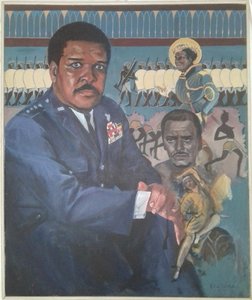
gordon de la mothe
1933 - , Grenada
基本情報
- Artistic Movement Or Style: Portraiture, Sketching
- Date Of Birth: 1933
- Full Name: Gordon de la Mothe
- Nationality: Grenadian
- Notable Artworks:
- Drawing of Len Garrison
- Self Portrait
- Rastafari Sketch No.1
- Place Of Birth: Carriacou, Grenada
関連記事
ジョン・シンガー・サージェント:至高の25選 - 美と光の肖像画の世界 | ArtsDot
ジョン・シンガー・サージェントの至高の25選。肖像画、写実主義、光と影の表現が美しい作品群を紐解きます。マダムXや少女の肖像など、時代を超えて愛される名作をArtsDotで鑑賞。高品質なアート複製で、お部屋に美術館のような空間を。今すぐコレクションをご覧ください。

ジョン・コンスタブルの傑作25選:英国風景画の巨匠が描く自然と光の詩 | ArtsDot
ジョン・コンスタブルの傑作25選。英国風景画の巨匠が描く自然と光の詩の世界へ。ロマン主義を代表する絵画、デダム・ヴェールやヘイ・ウェインなど、ArtsDotで高品質なアートプリントをお楽しみください。インテリアに深みと感動を。コレクションはこちら。
John George Brown: Capturing American Life & Sentiment in 19th-Century Genre Painting
Explore the captivating genre paintings of John George Brown, celebrated for his realistic depictions of 19th-century American life. Discover his legacy & find museum-quality reproductions at ArtsDot.

John La Farge: Pioneering American Colorism & Japonisme's Influence
Explore the groundbreaking work of John La Farge, a pioneer of American colorism and stained glass. Discover his captivating Japonisme-inspired murals & lasting legacy in 19th-century art. Expert insights for collectors.
The Subdued Radiance of Pastel: Exploring Nuance & Emotion in Art
Explore the nuanced world of pastel art! Discover its history, techniques & emotional power with expert insights from ArtsDot.com. Find museum-quality reproductions and learn about collecting this delicate medium.

