 プリントを購入
 シェアする
シェアする シェアする
シェアする
 詳細を見る
詳細を見る

 ダウンロード
 似ている作品
 スライドショー
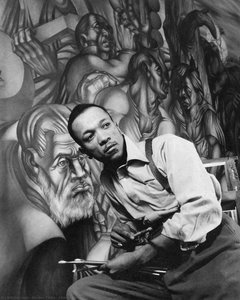
Family Crowds Around Open Oven for Warmth, Harlem, New York


 詳細を見る
詳細を見る




































作品のオリジナル比率に合わせた、当店の規定サイズからお選びください。

特定のフレームやスペースに合わせて、ご希望のサイズをご入力いただけます。選択されたサイズが元の画像の比率と異なる場合、アートワークをトリミングするか、手描きで要素を追加して絵画を拡張いたします。デジタルモックアップ を制作し、制作開始前にご確認(承認)をいただきます。
画面上のプレビューは、実際のトリミングや拡張を正確に反映しているものではありません。最終的な構図は、モックアップによってのみ正確にご確認いただけます。
カスタムサイズもご利用いただけますが、元の比率を維持するためには、あらかじめ用意されたリストからサイズを選択することをお勧めいたします。
ご注文後、ArtsDot.com チームより詳細な指示をお送りするとともに、仕上がりイメージ(モックアップ)をご提供いたします。


 ガラスオプションは、110cm未満のサイズでのみご利用いただけます。

Family Crowds Around Open Oven for Warmth, Harlem, New York
複製技法
複製画のサイズ
-


合計金額
$ 363
作品解説
A Quiet Resilience in Monochrome
In the heart of Harlem, 1967, Gordon Parks captured a moment that transcends the mere documentation of hardship, offering instead a profound meditation on human connection. "Family Crowds Around Open Oven for Warmth, Harlem, New York" is a masterwork of American social realism that invites the viewer into an intimate, domestic sanctuary carved out of urban struggle. The photograph centers on a woman and a young boy, seated closely upon the floor near a sink, their forms bathed in a soft, natural light that lends an almost sacred dignity to their presence. Through Parks’s lens, we do not simply witness poverty; we encounter the quiet strength of a family unit forged in the crucible of necessity.
The composition is a delicate dance of lines and shadows. The structural elements of the kitchen—the edge of the sink, the placement of a simple chair, and the steady horizontal plane of the floor—act as leading lines that draw the eye inward toward the emotional core of the image. There is a rhythmic quality to the arrangement, where the geometric rigidity of the household objects contrasts beautifully with the organic, tender curves of the human figures. This interplay creates a sense of depth and spatial recession, making the viewer feel less like an observer and more like a silent guest within this private, shared space.
The Artistry of Light and Shadow
Technically, the photograph is a triumph of gelatin silver printing. Parks utilized the full tonal range of monochrome film to create a world built from silver, ash, and obsidian. The deep, velvety blacks define the shadows within the room, providing a sense of weight and enclosure, while the bright, luminous whites of the sink and highlights on skin provide much-needed breath and clarity. This meticulous control of exposure ensures that every texture—from the rough grain of the flooring to the smooth, cold surface of the porcelain—is rendered with palpable realism.
The absence of color serves a vital narrative purpose. By stripping away the distractions of a chromatic palette, Parks forces our attention onto form, light, and emotion. The grayscale spectrum allows for a subtle gradation of tones that captures the atmospheric quality of a cold New York winter. It is through these nuanced shades of gray that the warmth of the oven is felt visually; though we cannot feel the heat, we see it reflected in the way the light clings to the subjects, creating a visual metaphor for the emotional warmth found in their togetherness.
A Legacy of Symbolism and Soul
Beyond its aesthetic brilliance, this work carries immense symbolic weight. The open oven serves as a powerful totem—a literal source of heat in a period of deprivation, but also a symbol of vulnerability and the shared struggle of the Black experience in mid-century America. Yet, Parks avoids a purely tragic narrative. By focusing on the proximity of the figures and their unified posture, he elevates the scene to a portrait of resilience. The image suggests that while resources may be scarce, the communal spirit remains abundant.
For the discerning collector or interior designer, this reproduction offers more than just a striking visual element; it provides a conversation piece rooted in historical significance and emotional depth. It is an ideal selection for spaces that value soulful, documentary-style art—places where one wishes to evoke themes of empathy, strength, and the enduring beauty of the human spirit. To hang this work is to honor a pivotal moment in photographic history and to bring a sense of profound, quiet narrative into the modern home.
関連作品

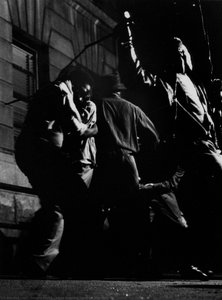
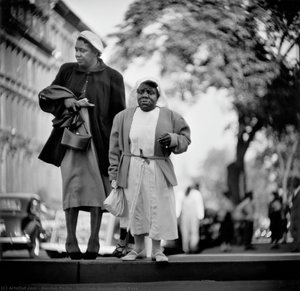
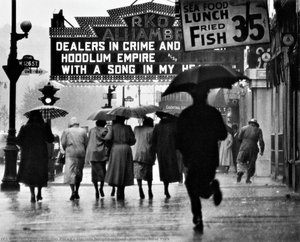
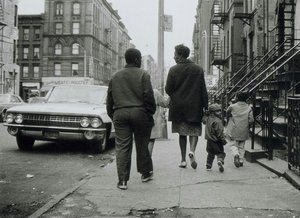
アーティストの略歴
生い立ちとキャリア
ゴードン・ロジャー・アレクサンダー・ブキャナン・パークスは、アメリカのフォトグラファー、ミュージシャン、作家、そして映画監督として、その多才な才能を遺しました。1912年11月30日、カンザス州フォートスコットにて、サラ(旧姓ロス)とジャクソン・パークスの15人の子供たちの末っ子として誕生しました。パークスの幼少期は、故郷で身をもって経験した人種隔離政策という厳しい現実によって形作られました。独学で芸術の道を切り拓いたパークスは、写真家としてのキャリアをスタートさせ、やがて『LIFE』誌や『VOGUE』誌に勤務する最初のアフリカ系アメリカ人となりました。1940年代、連邦政府のプロジェクトの一環として撮影された、困窮するアメリカ人たちの象徴的な写真は、彼の卓越した技術と献身的な姿勢を物語る、歴史に残る傑作です。
主な作品と功績
- シャフ (1971年):パークスが監督を務め、社会現象を巻き起こした映画。
- ラーニング・ツリー (1969年):パークスの監督デビュー作であり、自伝的な要素を持つ作品。
- ア・チョイス・オブ・ウェポンズ (1985年):彼の卓越した執筆能力を示す回想録。
- 『LIFE』誌に掲載されたフォトエッセイ:これらを通じて、パークスは著名なフォトジャーナリストとしての地位を不動のものにしました。
美術館とコレクション
- メルビン・ホームズ・コレクション:パークスの膨大な作品群を収蔵しています。 [https://www.hollesartgallery.com/gordonparks](https://www.hollesartgallery.com/gordonparks)
- MoMA(ニューヨーク近代美術館):パークスの写真の素晴らしいコレクションを誇っています。 [https://www.moma.org/artists/8083](https://www.moma.org/artists/8083)
受賞とレガシー
- NAACPイメージ賞 (2003年)
- PGAオスカー・ミショー賞 (1993年)
- ナショナル・メダル・オブ・アーツ (1988年)
- スピンガード・メダル (1972年)
ゴードン・パークスの遺したレガシーは、その圧倒的な作品群の枠を超え、次世代のアフリカ系アメリカ人アーティストたちの道を切り拓きました。フォトジャーナリズム、映画制作、そして音楽への彼の貢献は、今なお多くの芸術家たちにインスピレーションを与え続けています。
ArtsDot.com の厳選作品
- エマージング・マン(ゼラチン・シルバー・プリント):パークスの技術の高さを示す、力強い一枚。 [https://ArtsDot.com/d3xgfc-gordon-parks-emerging-man](https://ArtsDot.com/d3xgfc-gordon-parks-emerging-man)
- ルーシー・ジョンソン夫人の肖像(ゼラチン・シルバー・プリント):パークスの物語る力を際立たせる、心を揺さぶるポートレート。 [https://ArtsDot.com/d4dblu-gordon-parks-portrait-of-mrs-lucy-johnson](https://ArtsDot.com/d4dblu-gordon-parks-portrait-of-mrs-lucy-johnson)

ゴードン・パークス
1912 - 2006 , アメリカ合衆国
基本情報
- Artistic Movement Or Style: フォトジャーナリズム、社会写実主義
- Artists Or Movements Influenced By This Artist: 後世のアフリカ系アメリカ人アーティスト
- Date Of Birth: 1912年11月30日
- Date Of Death: 2006年3月7日
- Full Name: ゴードン・ロジャー・アレクサンダー・ブキャナン・パークス
- Nationality: アメリカ
- Notable Artworks:
- シャフト
- ラーニング・ツリー
- エマージング・マン
- ハーレム・ギャング・ウォーズ
- ナイト・ランブル
- Place Of Birth: アメリカ合衆国、フォートスコット
関連記事

Gordon Parks: A Poetic Lens on American Life – Photography, Social Justice & Storytelling
Explore the profound work of Gordon Parks, a groundbreaking photographer who documented American life with unparalleled empathy and artistry. Discover his iconic images & lasting impact on social justice through Life magazine & beyond.

Monochrome Visions: Exploring the Aesthetic & Historical Significance of Black & White Photography
Explore the rich history & artistic power of black and white photography. From early techniques to iconic masters like Ansel Adams, discover why monochrome continues to captivate art lovers today. Expert insights for collectors.
Witnessing History Through Lens & Light: Documentary Photography's Enduring Legacy
Explore the powerful history of documentary photography – from its origins to contemporary masters like Gordon Parks & W. Eugene Smith. Discover how this art form shapes our understanding of society and witness pivotal moments in time.

Beyond the Lens: Photography's Enduring Influence on Modern & Contemporary Art
Explore photography's pivotal role in shaping modern & contemporary art. Discover key movements, influential artists like Stieglitz, and expert collecting advice from ArtsDot.

Witnessing History: Documentary Photography as an Art Movement
Explore the powerful history of documentary photography – from its origins to contemporary masters like Gordon Parks. Discover how this art form shapes our understanding of society and witness pivotal moments in time.