

 プレビュー
プレビュー
 プリントを購入
 シェアする
シェアする シェアする
シェアする
 詳細を見る
詳細を見る

 ダウンロード
 似ている作品
 X線調査
X線調査 スライドショー
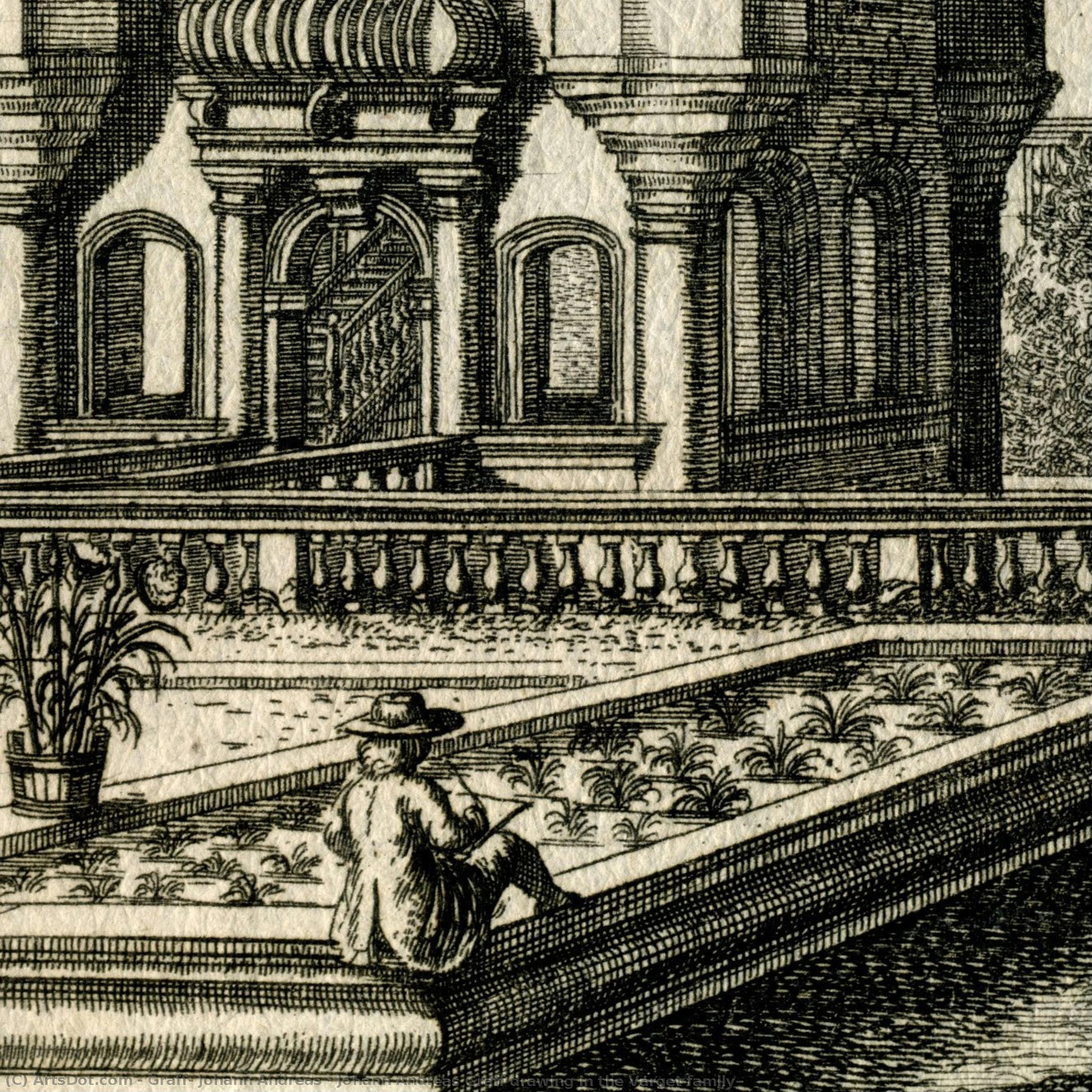
Johann Andreas Graff drawing in the Varget family


 詳細を見る
詳細を見る




P118B $10

P118H $10

P118W $10

P438Z $10

P508JH $12

P508YH $12

P805H $10

P805Z $10

P919BZ $10

P919G $10

P919XJ $10

P959ZH $10

P968JZ $12

W106C $8

W218G $10

W218JH $8

W218Y $10

W307PJ $10

W316G $10

W316PJ $8

W316Y $10

W398PJ $8

W4111J $10

W500HY $15

W500JH $15

W692G $12

W849H $8

W940BG $15

W953PJ $8




作品のオリジナル比率に合わせた、当店の規定サイズからお選びください。

特定のフレームやスペースに合わせて、ご希望のサイズをご入力いただけます。選択されたサイズが元の画像の比率と異なる場合、アートワークをトリミングするか、手描きで要素を追加して絵画を拡張いたします。デジタルモックアップ を制作し、制作開始前にご確認(承認)をいただきます。
画面上のプレビューは、実際のトリミングや拡張を正確に反映しているものではありません。最終的な構図は、モックアップによってのみ正確にご確認いただけます。
カスタムサイズもご利用いただけますが、元の比率を維持するためには、あらかじめ用意されたリストからサイズを選択することをお勧めいたします。
ご注文後、ArtsDot.com チームより詳細な指示をお送りするとともに、仕上がりイメージ(モックアップ)をご提供いたします。


 ガラスオプションは、110cm未満のサイズでのみご利用いただけます。

Johann Andreas Graff drawing in the Varget family
複製技法
複製画のサイズ
-


合計金額
$ 263
作品解説
Johann Andreas Graff’s Intimate Portrait of Urban Life
The etching “Johann Andreas Graff drawing in the Varget family,” created in 1688, offers a remarkably poignant window into the daily rhythms and civic pride of Nuremberg during the late 17th century. Attributed to Johann Andreas Graff (1636-1701), a pivotal figure in German art known for his meticulously detailed copper engravings, this work transcends a simple portrait; it’s an immersive snapshot of urban life, rendered with a precision that speaks volumes about the artist's dedication and the burgeoning trend of documenting European cities through printmaking. Graff wasn't interested in grand narratives or heroic scenes; instead, he focused on the granular details – the architecture, the people, the everyday activities – capturing the essence of Nuremberg’s identity with an almost voyeuristic intimacy.
A Masterclass in Copper Engraving
Graff's technique is immediately striking. Executed as a black and white etching, the image reveals the hallmarks of his craft: a deep understanding of tonal variation achieved through careful manipulation of line weight and density. The composition utilizes chiaroscuro – the dramatic interplay of light and shadow – to create depth and volume, particularly in the depiction of the boat and its contents. Notice the meticulous rendering of the potted plants, each leaf and stem painstakingly etched with incredible accuracy. This level of detail wasn't merely decorative; it reflected a broader artistic movement driven by a desire for realism and an appreciation for the beauty found within the commonplace. The use of copper as the medium itself is significant, allowing for the creation of incredibly durable and detailed prints that would have been highly valued at the time.
Symbolism Within the Scene
Beyond its technical brilliance, the etching is rich in symbolic meaning. The man seated in the boat, identified as Johann Andreas Graff himself, represents a connection to the city’s mercantile heart – Nuremberg was a major trading center at this time. The plants surrounding him could symbolize prosperity and abundance, reflecting the wealth and vitality of the region. The presence of another figure in the background, standing behind Graff, adds an element of social context, perhaps representing a family member or associate. This layering of detail invites viewers to contemplate the complex relationships between individuals and their environment.
Historical Context and Artistic Significance
Created in 1688, this etching reflects a crucial moment in art history – the rise of printmaking as a tool for artistic expression and historical documentation. Graff’s work aligns with the broader trend of urban studies and topographical prints that emerged during the 17th and 18th centuries. His detailed depictions of Nuremberg served not only as visual records but also as powerful statements about the city's importance and its place within Europe. Graff’s legacy extends beyond a single artwork; he established a precedent for artists to engage with their surroundings in a deeply observant and meticulously rendered manner, influencing generations of printmakers to come.
関連作品
アーティストの略歴
ヨハン・アンドレアス・グラフ:銅版に刻まれたニュルンベルクの年代記
1636年、ニュルンベルクの中心部で産声を上げたヨハン・アンドレアス・グラフは、17世紀ドイツ美術における極めて重要な人物としてその名を刻みました。彼は単なる画家にとどまらず、自らが愛した都市のアイデンティティを克明に記録し、解釈した語り部でもありました。彼の遺した功績は、壮大で流麗なキャンバスによって定義されるものではありません。むしろ、驚くほど緻密な一連の作品群――大規模な銅版画の中にこそ、その真髄があります。それらは、大きな変革期にあったニュルンベルクの日常生活、建築、そして市民の誇りを、まるで覗き窓から覗き見るかのような親密さで描き出しています。版画産業が勃興し、ヨーロッパの都市の視覚的記憶を記録・保存しようとする情熱が高まっていた時代背景の中で、グラフはその潮流を見事に体現したのです。
グラフの芸術的な旅路は、ニュルンベルクの尊敬すべき画家ヤコブ・マレルによる指導のもと、その工房でデッサンとエングレービングの強固な基礎を築くことから始まりました。しかし、彼の人生は、高名な昆虫学者であり科学的イラストレーターでもあったマリア・ジビラ・メリアとの結婚によって、劇的な転換を迎えます。この結びつきはグラフの作品に深い影響を与え、細部への執着と鋭い観察眼をその筆致に吹き込みました。これこそが、彼の版画の代名詞となる特質です。メリアが持つ博物学の専門知識は、間違いなく彼の都市風景へのアプローチを形作り、単なる建造物の描写を超えて、ニュルンベルクの活気ある営みを定義づける人々や活動、そして質感までも捉えるよう彼を駆り立てたのです。
銅の建築家:グラフの版画
グラフの名を最も高めたのは、ニュルンベルクを描いた記念碑的な銅版画です。これらは単なる地形図的な調査記録ではありませんでした。それは都市の物理的な構造を緻密に研究した成果であり、教会、ギルドホール、市場広場、そして住宅街を驚異的な精度で捉えたものです。威厳あるバルフサー教会(裸足の修道士の教会)、司法や見世物の場として機能した堅牢なフェヒトハウス、そして聖ヤコブ教会など、その題材は多岐にわたります。これらの版画は単なるスケッチから生まれたものではなく、グラフ自らが測量器具を駆なして現地での広範な計測を行い、正確性を期したものです。完成したプリントには、複雑な建築的特徴や装飾要素、さらには光と影の繊細なニュアンスまでもが、驚くべき詳細さで浮かび上がっています。
彼の代表作の一つである「リヒテンホーフ邸の前の芸術家」は、グラフの芸術的技巧と、彼自身のニュルンベルクとの個人的な繋がりを同時に示す魅力的な肖像画です。また、「ヴァルゲット家の素描」も重要な作品であり、家庭的な風景の中に人物を描き出す卓越した技術と、仕草や表情に対する鋭い感性を示しています。これらの版画は単なる技術的な習作ではなく、市民としての誇りと、都市の遺産を後世に伝えたいという切実な願いが込められたものだったのです。
捉えられた都市:主要な版画作品
- 北を望むエギディエン広場(旧ディリンホフ):ペラーハウスとロマネスク様式のエギディエン教会とともに: 1682年に制作されたこの版画は、ニュルンベルクの中心広場を見事な建築学的研究として提示しています。バロック様式の精密さを誇り、都市の賑わう公共生活を捉えており、ロマネスク様式の教会が加わることで、情景に歴史的な深みを与えています。
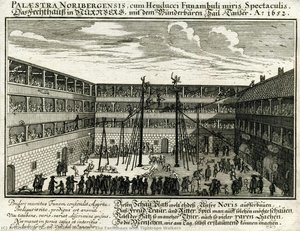
- 綱渡り師のいるフェヒトハウス: ニュルンベルクのフェヒトハウス内で行われた見世物をドラマチックに描写しており、司法と娯楽の拠点としての建物の役割を際立たせています。綱渡り師の存在は視覚的な興味を惹きつけるとともに、都市の活気ある文化を反映しています。
- グラフによるニュルンベルクの教会の緻密な描写: これらの版画は、17世紀の都市に普及していた建築様式や装飾要素について、極めて貴重な洞察を与えてくれます。これらは不可欠な歴史的記録として、過去との確かな繋がりを私たちに提示しています。
影響と遺産
グラフの作品は芸術界に永続的な影響を与え、後世の版画家や芸術家たちにインスピレーションを与え続けました。彼の大型プリントは、地形学的な正確さと細部描写における新たな基準を打ち立て、他の人々が自らの都市や風景を記録する際の指針となりました。ニュルンベルクの建築の本質と市民生活を捉えようとする彼の献身は、歴史保存と芸術表現の道具としての版画の力を証明したのです。大英博物館、ニュルンベルク博物館、シュテデル美術館には、彼の重要な作品が収蔵されており、その不朽の遺産を物語っています。
さらに、グラフのキャリアは科学的イラストレーションの隆盛と重なり、それはメリア自身の功績とも共鳴していました。細部への細心の注意と、建築物および人物の両面における複雑な主題を描き出す能力は、観察、記録、そして周囲の世界を理解しようとする17世紀美術の大きな潮流を反映しています。彼は、芸術的技能と歴史的意識を完璧に融合させ、ニュルンベルクの黄金時代の豊かな視覚的記録を後世に残した、稀有な芸術家の一人なのです。
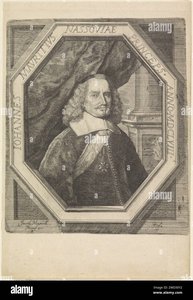
ヨハン・アンドレアス・グラフ
1636 - 1701 , ドイツ
基本情報
- Artistic Movement Or Style: 銅版画
- Artists Or Movements Influenced By This Artist: 後世の芸術家
- Artists Who Influenced This Artist: ヤコブ・マレル
- Date Of Birth: 1636年5月、ニュルンベルク
- Date Of Death: 1701年12月6日
- Full Name: ヨハン・アンドレアス・グラフ
- Nationality: ドイツ
- Notable Artworks:
- リヒテンホーフ・マナー
- ヴァルゲット家
- フェヒトハウスの綱渡り
- Place Of Birth: ドイツ、ニュルンベルク
関連記事

Etching: A Historical Survey of Technique, Aesthetic Qualities & Enduring Artistic Significance
Explore the rich history of etching, from its origins to Rembrandt's masterful innovations. Discover the technique, aesthetic qualities & enduring legacy of this captivating art form. Expert insights for collectors and enthusiasts.
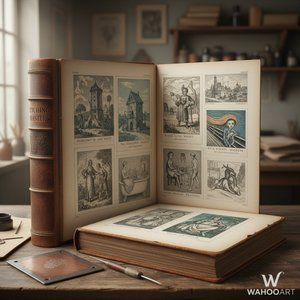
Etching Masters: 10 Legendary Prints That Revolutionized Art | ArtsDot
Journey through 10 legendary etching masterpieces by Rembrandt, Dürer & Goya. Explore the history of printmaking and discover timeless art for your home. Find museum-quality reproductions at ArtsDot.com.
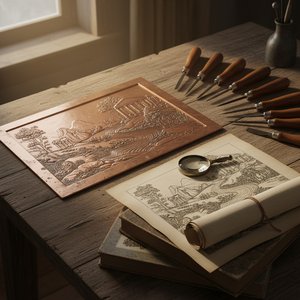
Engraving: A Historical Survey of Technique, Artistic Expression & Enduring Legacy
Explore the rich history of engraving with ArtsDot. Discover techniques, iconic artists like Dürer & Callot, collecting tips, and expert guidance for preserving your art investment. Learn about intaglio printing & more!
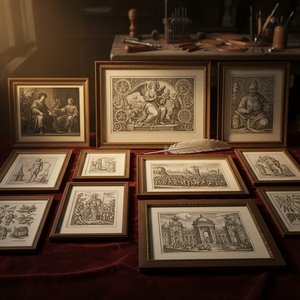
Engraving's Golden Age: 10 Masterpieces That Redefined Art | ArtsDot
Journey through art history with our Top 10 Legendary Engravings! Explore masterpieces by Dürer, Rembrandt & Goya. Discover the stories behind these iconic prints and find museum-quality reproductions for your home at ArtsDot.com.
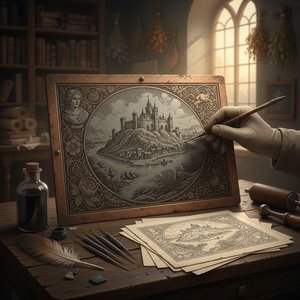
The Intricate World of Etching: A Historical Survey of Technique, Aesthetic Evolution, and Enduring Artistic Impact
Explore the rich history of etching, from its origins to modern practice. Discover techniques, key artists like Rembrandt, and insights for collectors. A comprehensive guide by ArtsDot.

