

 プレビュー
プレビュー
 プリントを購入
 シェアする
シェアする シェアする
シェアする
 詳細を見る
詳細を見る

 ダウンロード
 似ている作品
 X線調査
X線調査 スライドショー
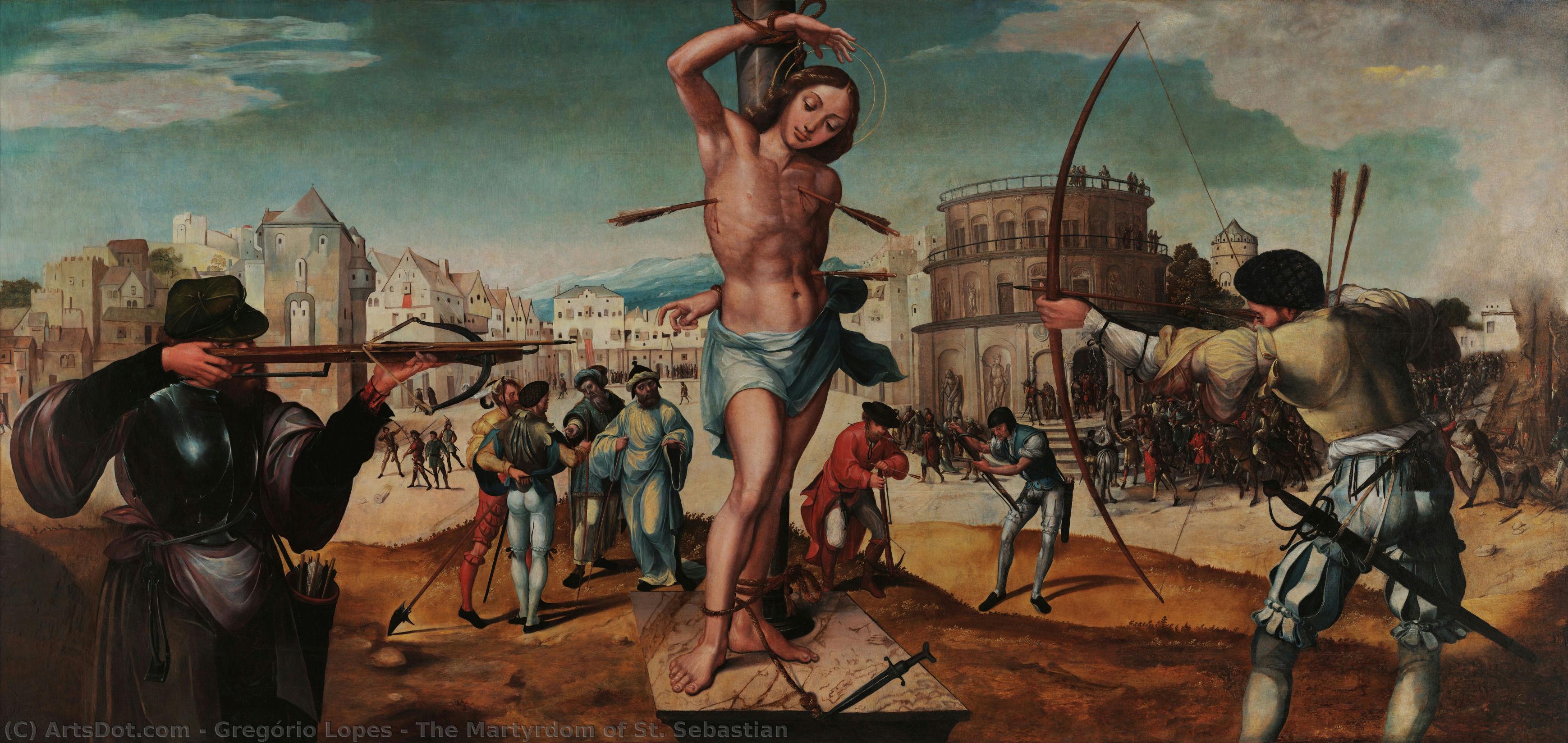
The Martyrdom of St. Sebastian


 詳細を見る
詳細を見る
オンラインプレビューをはるかに凌ぐ、高解像度で鮮明なデジタル画像をご購入いただけます。
各ファイルは、社内の専門家が高度なツールと熟練した手作業によるレタッチを用いて、細心の注意を払って準備されています。すべての画像において、卓越した鮮明度、正確な色彩再現性、そして繊細なディテールを保証いたします。
最終ファイルは、プロフェッショナルな編集・印刷環境ですぐにご利用いただけるよう最適化された状態で、72時間以内にメールにてお届けいたします。これは、一流のデザインスタジオ、出版社、ギャラリーから信頼されているものと同等の品質です。
デジタル画像のご注文に付随する特典
高品質なデジタル画像配信を、確かな品質で。
ArtsDot.com を選ぶことは、単に画像を手に入れることではありません。それは、プロの手によって精密に仕上げられ、満足保証が付いた高品質なデジタルアートワークを受け取ることを意味します。ご注文いただいた際に自動的に付随する内容は、以下の通りです:

メールですぐにお届け
ご注文から72時間以内に、高解像度のデジタル画像ファイルがメールでお手元に届きます。すぐにそのままご利用いただけます。

AI技術で最適化されたデジタルファイル
お客様の作品は、高度なAIツールと専門家による手作業の編集を組み合わせてプロフェッショナルに最適化されており、細部のディテール、鮮明さ、そして正確な色再現性を最大限に引き出しています。

一生涯無料の再送サービス
ファイルを誤って削除したり、紛失してしまったりしましたか?ご安心ください。いつでも無料で再送いたします。

輸入手数料は一切かかりません
関税や手数料、配送料を気にすることなく、お気に入りのアートワークをすぐにお楽しみいただけます。デジタルダウンロードは常に免税です。

色彩再現の保証
プロ仕様のツールとカラーマネジメント技術を用いることで、デジタル画像が元の色を最大限に忠実に再現することを保証いたします。

60日間満足保証
ご購入いただいたデジタル画像にご満足いただけない場合は、60日以内であれば、修正または100%の返金(理由を問う必要はありません)をさせていただきます。

100% 返金保証
ご満足いただけない場合は、デジタルファイルを受け取ってから60日以内であれば、理由を問わず全額返金いたします。

まとめ買い割引
3枚購入で10%OFF - 5枚購入で15%OFF - 10枚以上購入で20%OFF。クリエイティブなプロジェクト、ギャラリー、エージェンシーに最適です。
作品の詳細
関連作品









作家の略歴
A Luminary of the Portuguese Renaissance: The Life and Art of Gregório Lopes
Gregório Lopes, born around 1490 in Portugal, stands as a towering figure within the nation’s artistic landscape during the High Renaissance. While overshadowed historically by some of his European contemporaries, Lopes' contribution to Portuguese painting is undeniable, marked by a deeply spiritual sensibility and a masterful command of form and color. His life unfolded against a backdrop of immense maritime exploration and burgeoning royal power, influences that subtly permeated his work, even as he remained steadfastly devoted to religious themes. He wasn’t merely a painter; he was a visual storyteller for an empire at its zenith, crafting images intended to inspire devotion and reflect the grandeur of the Portuguese court.Early Training and Courtly Patronage
Lopes' artistic journey began within the workshop of Jorge Afonso, the esteemed court painter under King Manuel I. This formative period instilled in him a solid foundation in Renaissance techniques—the careful study of anatomy, perspective, and the use of oil paint to achieve luminous realism. Afonso’s influence is readily apparent in Lopes’ early works, characterized by elegant figures and detailed compositions. However, Lopes quickly developed his own distinct style, moving beyond mere imitation towards a more emotionally resonant expression. A pivotal moment arrived with his marriage to Afonso's daughter in 1514, solidifying his connection to the artistic elite and opening doors to further patronage. His appointment as court painter—first under Manuel I and then under John III—provided him with consistent commissions and access to the most important religious institutions in Portugal. This position wasn’t simply about fulfilling requests; it was a responsibility to create art that upheld the values of the crown and reinforced its spiritual authority.The Altarpieces: A Synthesis of Faith and Artistry
Lopes is best known for his magnificent painted altarpieces, which adorn churches and monasteries throughout central Portugal. These weren’t isolated panels but rather immersive environments designed to envelop the viewer in a world of sacred narrative. His compositions often feature complex arrangements of figures—saints, angels, and biblical characters—depicted with remarkable grace and expressiveness. The use of rich, vibrant colors, particularly blues and golds, creates an atmosphere of otherworldly splendor. He skillfully employed chiaroscuro – the dramatic contrast between light and shadow – to highlight key elements and draw the eye towards focal points within the scene. Considered a master of *sfumato*, Lopes softened outlines and blended tones to create a sense of depth and realism that was revolutionary for Portuguese art at the time. The altarpieces weren’t simply decorative; they were intended as tools for contemplation, inviting viewers to engage with the stories they depicted on a deeply personal level.Beyond Imitation: A Developing Style
While initially indebted to Afonso's style and influenced by Flemish painting—evident in his meticulous detail—Lopes gradually evolved a uniquely Portuguese aesthetic. He moved away from the rigid formality of earlier Renaissance works, embracing a more dynamic composition and a greater emphasis on emotional intensity. His figures became less idealized and more human, conveying a sense of vulnerability and spiritual struggle. This shift is particularly noticeable in his later altarpieces, where he experimented with bolder color palettes and more dramatic lighting effects. He also demonstrated an increasing interest in portraying the natural world, incorporating elements of landscape into his compositions—a subtle reflection of Portugal’s expanding horizons during the Age of Discovery.Legacy and Historical Significance
Gregório Lopes died in 1550, leaving behind a substantial body of work that continues to inspire awe and admiration. His son, Cristóvão Lopes, followed in his footsteps as a portrait painter for the royal family, ensuring the continuation of the artistic tradition he established. Lopes’ influence on subsequent generations of Portuguese painters is profound, shaping the development of religious art throughout the 16th century.- His masterful use of color and light
- His emotionally resonant compositions
- His ability to blend Renaissance techniques with a uniquely Portuguese sensibility
gregório lopes
1550 , Portugal
プロフィール概要
- Artistic Movement Or Style: Renaissance
- Artists Who Influenced This Artist: Jorge Afonso
- Date Of Death: 1550
- Full Name: Gregório Lopes
- Nationality: Portuguese
- Notable Artworks:
- Assumption of the Virgin
- The Martyrdom of St. Sebastian
- Place Of Birth: Portugal

