

 プレビュー
プレビュー
 プリントを購入
 シェアする
シェアする シェアする
シェアする
 詳細を見る
詳細を見る

 ダウンロード
 似ている作品
 X線調査
X線調査 スライドショー
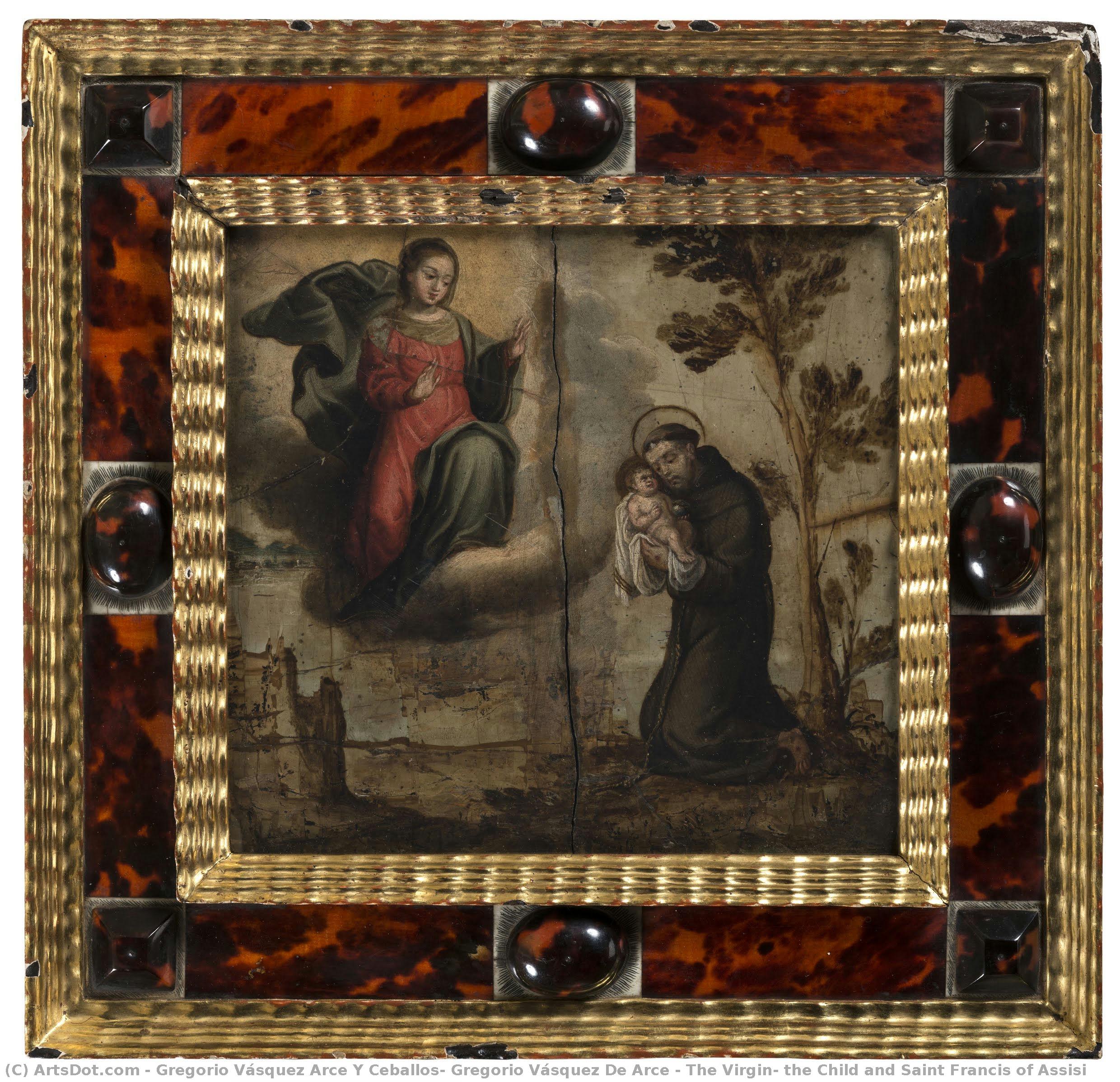
The Virgin, the Child and Saint Francis of Assisi


 詳細を見る
詳細を見る
オンラインプレビューをはるかに凌ぐ、高解像度で鮮明なデジタル画像をご購入いただけます。
各ファイルは、社内の専門家が高度なツールと熟練した手作業によるレタッチを用いて、細心の注意を払って準備されています。すべての画像において、卓越した鮮明度、正確な色彩再現性、そして繊細なディテールを保証いたします。
最終ファイルは、プロフェッショナルな編集・印刷環境ですぐにご利用いただけるよう最適化された状態で、72時間以内にメールにてお届けいたします。これは、一流のデザインスタジオ、出版社、ギャラリーから信頼されているものと同等の品質です。
デジタル画像のご注文に付随する特典
高品質なデジタル画像配信を、確かな品質で。
ArtsDot.com を選ぶことは、単に画像を手に入れることではありません。それは、プロの手によって精密に仕上げられ、満足保証が付いた高品質なデジタルアートワークを受け取ることを意味します。ご注文いただいた際に自動的に付随する内容は、以下の通りです:

メールですぐにお届け
ご注文から72時間以内に、高解像度のデジタル画像ファイルがメールでお手元に届きます。すぐにそのままご利用いただけます。

AI技術で最適化されたデジタルファイル
お客様の作品は、高度なAIツールと専門家による手作業の編集を組み合わせてプロフェッショナルに最適化されており、細部のディテール、鮮明さ、そして正確な色再現性を最大限に引き出しています。

一生涯無料の再送サービス
ファイルを誤って削除したり、紛失してしまったりしましたか?ご安心ください。いつでも無料で再送いたします。

輸入手数料は一切かかりません
関税や手数料、配送料を気にすることなく、お気に入りのアートワークをすぐにお楽しみいただけます。デジタルダウンロードは常に免税です。

色彩再現の保証
プロ仕様のツールとカラーマネジメント技術を用いることで、デジタル画像が元の色を最大限に忠実に再現することを保証いたします。

60日間満足保証
ご購入いただいたデジタル画像にご満足いただけない場合は、60日以内であれば、修正または100%の返金(理由を問う必要はありません)をさせていただきます。

100% 返金保証
ご満足いただけない場合は、デジタルファイルを受け取ってから60日以内であれば、理由を問わず全額返金いたします。

まとめ買い割引
3枚購入で10%OFF - 5枚購入で15%OFF - 10枚以上購入で20%OFF。クリエイティブなプロジェクト、ギャラリー、エージェンシーに最適です。
A Testament to Faith: Exploring Gregorio Vásquez Arce y Ceballos’ “The Virgin, the Child and Saint Francis of Assisi”
- This magnificent painting by Gregorio Vásquez de Arce y Ceballos transports viewers into the heart of Baroque spirituality. Executed sometime around 1700, it exemplifies the stylistic hallmarks of the Viceroyalty of New Granada—a region striving to reconcile Iberian traditions with burgeoning Latin American sensibilities.
- The artwork depicts a serene yet powerfully emotive scene: Mary cradling Jesus in her arms, accompanied by Saint Francis kneeling in devotion. Vásquez skillfully captures the Virgin’s maternal tenderness and Saint Francis' unwavering humility, conveying a profound message of compassion and spiritual contemplation.
Stylistic Brilliance: Baroque Techniques Employed
- Vasquez’s mastery lies in his meticulous application of Baroque techniques. He utilizes chiaroscuro—the dramatic interplay between light and shadow—to sculpt the figures, creating depth and enhancing their expressive qualities. The luminous gold frame surrounding the painting underscores its sacred aura and contributes to the overall grandeur of the composition.
- Brushwork is characterized by smooth, blended strokes that achieve remarkable realism while maintaining an ethereal quality. Vásquez’s attention to detail extends beyond mere representation; he imbues each element with symbolic significance, reflecting the artistic conventions of his time.
Historical Context: Bogotá and the Baroque Imagination
- Bogotá served as a crucible for artistic innovation during Vásquez’s era. The Viceroyalty witnessed a fervent embrace of European Baroque ideals, fueled by papal patronage and a desire to elevate Bogotá's status as a cultural center.
- Artists like Vásquez sought inspiration from Italian masters—Caravaggio and Bernini—adapting their stylistic approaches to create works that resonated with the local populace. The painting reflects this broader trend toward synthesizing European artistic influences with indigenous traditions.
Symbolism and Emotional Resonance
- The Virgin Mary, Saint Francis, and Jesus embody universal symbols of faith, purity, and divine grace. Vásquez’s depiction emphasizes the importance of humility and compassion—values central to Franciscan spirituality.
- The golden frame symbolizes holiness and enlightenment, reinforcing the painting's spiritual message. More than just a visual spectacle, “The Virgin, the Child and Saint Francis of Assisi” invites contemplation on themes of piety, devotion, and the enduring power of faith—a testament to Vásquez’s artistic vision.
A Luxurious Reproduction for Your Home
ArtsDot.com offers exceptional reproductions of Gregorio Vásquez Arce y Ceballos’ “The Virgin, the Child and Saint Francis of Assisi,” meticulously crafted to capture the essence of this iconic Baroque masterpiece.関連作品

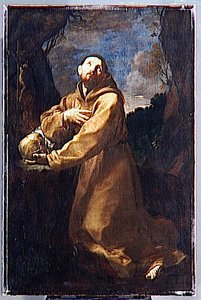
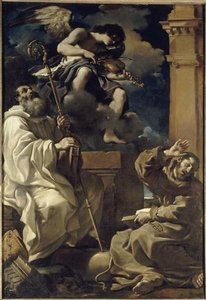
作家の略歴
A Life Immersed in Baroque Splendor
Gregorio Vásquez de Arce y Ceballos, born in Bogotá, Colombia, in 1638, stands as a pivotal figure in the artistic landscape of colonial Spanish America. He wasn’t merely a painter; he was an embodiment of the Hispanic American Baroque—a style characterized by its dramatic intensity, opulent detail, and profound spiritual fervor. Vásquez flourished during a period when the Viceroyalty of New Granada pulsed with cultural energy, seeking to express both its loyalty to Spain and its burgeoning identity as a distinct society. His life, though ultimately marked by tragedy, left an indelible mark on Colombian art, establishing a uniquely American interpretation of European Baroque aesthetics. From his early training at St. Bartholomew’s College to his apprenticeship under the esteemed Baltasar Vargas de Figueroa, Vásquez absorbed the foundational principles that would shape his distinctive style. This rigorous education wasn't simply about mastering technique; it was about understanding how art could serve as a powerful instrument for religious instruction and emotional resonance within a colonial context.The Canvas as a Stage for Faith
Vásquez de Arce’s artistic output centered almost exclusively on religious themes, reflecting the dominant role of the Church in colonial life. He masterfully depicted scenes from the lives of Christ, the Virgin Mary, and various saints, imbuing each canvas with a palpable sense of drama and devotion. His paintings weren't intended as mere decorations; they were visual sermons, designed to inspire faith and reinforce religious doctrine. The Annunciation, housed in Bogotá’s Colonial Museum, exemplifies his skill—the ethereal quality of the Virgin Mary contrasted with the divine light illuminating the angel Gabriel creates a moment of profound spiritual significance. Similarly, his depictions of Saint Dominic de Guzmán and Joachim of Fiore showing portraits of Saint Dominic de Guzmán and Saint Francis of Assisi, also residing in the Colonial Museum, showcase his ability to capture both the physical likeness and the inner piety of his subjects. The Virgin of the Candelaria is another testament to his skill, radiating a serene yet powerful presence that captivated viewers then, as it continues to do today. Vásquez’s palette was rich and vibrant, employing deep reds, blues, and golds to create a sense of luxurious grandeur, while his masterful use of chiaroscuro—the dramatic interplay of light and shadow—heightened the emotional impact of each scene.European Roots, American Expression
While deeply rooted in European artistic traditions, particularly the Baroque style emanating from Spain, Vásquez de Arce wasn’t simply a copyist. He skillfully adapted these influences to the unique cultural context of New Granada, infusing his work with a distinctly American sensibility. The Spanish Baroque, already known for its theatricality and emotional intensity, found new expression in Vásquez's hands, reflecting the specific religious beliefs and social values of colonial Colombia. He wasn’t merely translating European models; he was reimagining them through an American lens. This is evident not only in his subject matter—often incorporating local interpretations of biblical stories—but also in his subtle stylistic choices, such as a preference for certain color combinations or compositional arrangements that resonated with the tastes of his colonial patrons. His work demonstrates a keen understanding of how to use art to bridge cultural divides and create a sense of shared identity within a diverse society.A Tragic Descent and Enduring Legacy
Despite achieving considerable artistic success, Vásquez de Arce’s later life was marred by scandal and misfortune. In 1701, he became embroiled in the kidnapping of Doña María Teresa de Orgaz from the Santa Clara Convent—a transgression that led to his imprisonment and subsequent impoverishment. This event marked a turning point in his life, effectively ending his artistic career. He never painted again, succumbing to despair and ultimately passing away in Bogotá in 1711. The circumstances surrounding his downfall remain shrouded in mystery, but they serve as a poignant reminder of the precariousness of life in colonial society. Yet, despite this tragic end, Vásquez de Arce’s legacy endured. In 1863, the Colombian government recognized his importance by erecting a commemorative plaque at the house where he was born and died—a testament to his lasting contribution to Colombian art and culture. Today, his works continue to be celebrated for their artistic merit, historical significance, and enduring spiritual power.- His paintings offer invaluable insights into the religious beliefs of 17th-century Colombia.
- He played a crucial role in establishing a distinctly American Baroque style.
- Vásquez’s work remains a source of national pride for Colombians.
gregorio vásquez arce y ceballos, gregorio vásquez de arce
1638 - 1711 , Colombia
プロフィール概要
- Artistic Movement Or Style: Hispanic American Baroque
- Artists Who Influenced This Artist: ['Baltasar Vargas de Figueroa']
- Date Of Birth: May 9, 1638
- Date Of Death: August 6, 1711
- Full Name: Gregorio Vásquez de Arce y Ceballos
- Nationality: Spanish Neogranadine
- Notable Artworks:
- Joachim of Fiore
- Saint Dominic de Guzmán
- Annunciation
- Virgin of the Candelaria
- Place Of Birth: Bogotá, Colombia

