

 プレビュー
プレビュー
 プリントを購入
 シェアする
シェアする シェアする
シェアする
 詳細を見る
詳細を見る

 ダウンロード
 似ている作品
 X線調査
X線調査 スライドショー
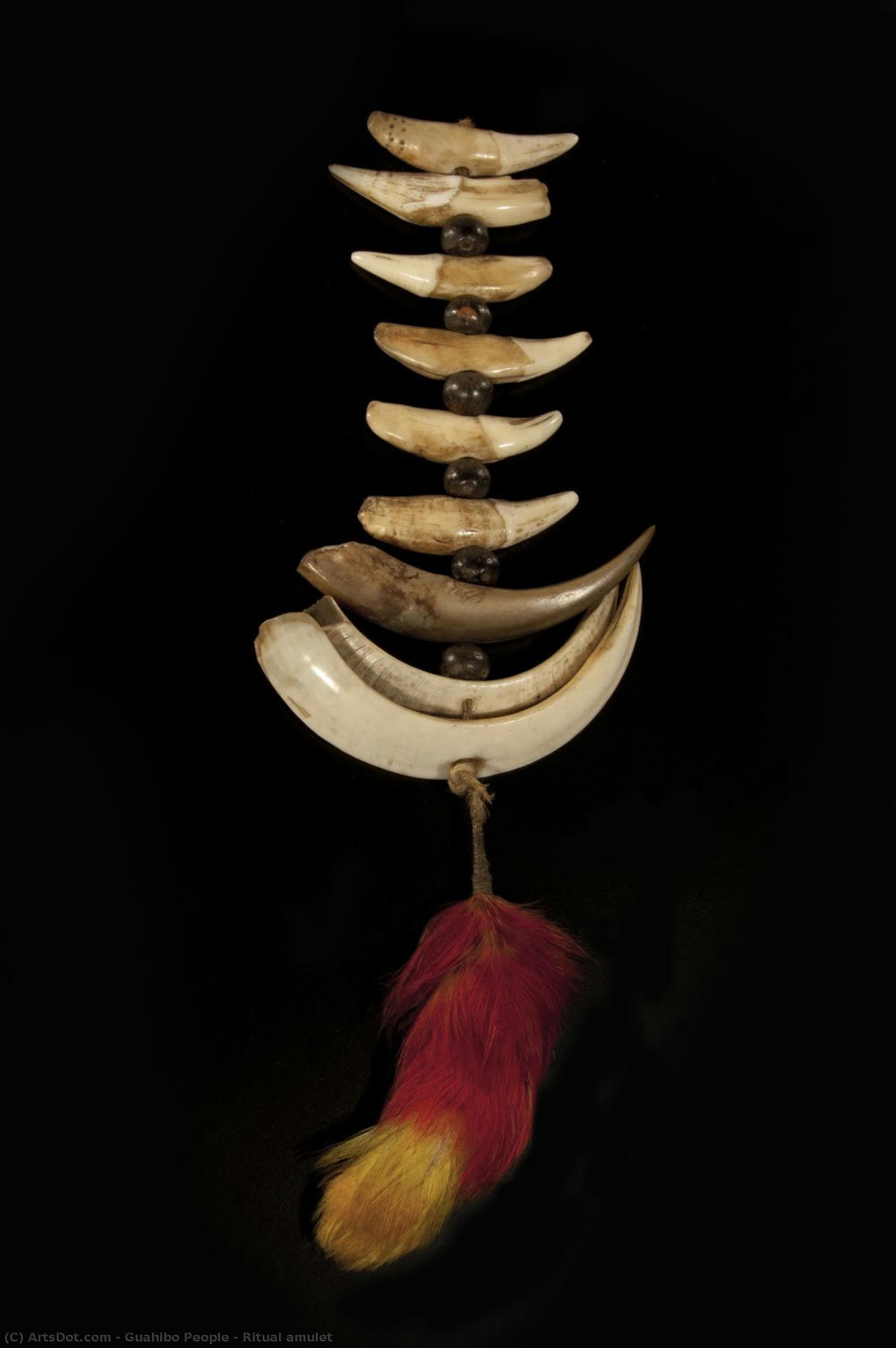
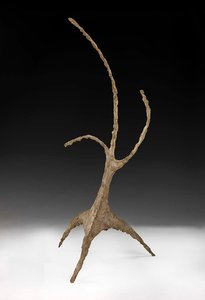
Ritual amulet
 Ethnographic Art
 1940
1940 30.0 x 10.0 cm
 コロンビア国立博物館
 詳細を見る
詳細を見る




































作品のオリジナル比率に合わせた、当店の規定サイズからお選びください。

特定のフレームやスペースに合わせて、ご希望のサイズをご入力いただけます。選択されたサイズが元の画像の比率と異なる場合、アートワークをトリミングするか、手描きで要素を追加して絵画を拡張いたします。デジタルモックアップ を制作し、制作開始前にご確認(承認)をいただきます。
画面上のプレビューは、実際のトリミングや拡張を正確に反映しているものではありません。最終的な構図は、モックアップによってのみ正確にご確認いただけます。
カスタムサイズもご利用いただけますが、元の比率を維持するためには、あらかじめ用意されたリストからサイズを選択することをお勧めいたします。
ご注文後、ArtsDot.com チームより詳細な指示をお送りするとともに、仕上がりイメージ(モックアップ)をご提供いたします。


 ガラスオプションは、110cm未満のサイズでのみご利用いただけます。

Ritual amulet
複製技法
複製画のサイズ
-


合計金額
$ 263
関連作品
アーティストの略歴
The Enduring Echoes of the Llanos: Exploring the Art of the Guahibo People
Deep within the vast, sun-baked savannas of Colombia and Venezuela lies a culture steeped in ancient traditions – the Guahibo people. For centuries, these indigenous communities have thrived amidst the rolling grasslands and winding rivers of the Llanos, their lives intricately woven with the rhythms of nature and expressed through a profoundly symbolic art form. Far from being mere decoration, the intricate carvings, vibrant textiles, and powerful ritual objects created by the Guahibo are windows into a worldview shaped by shamanic beliefs, ancestral spirits, and an intimate connection to the natural world. This article delves into the captivating story of the Guahibo people and their remarkable artistic legacy, exploring its historical roots, evolving techniques, and enduring significance.
Origins and Historical Context
The Guahibo’s history is one marked by both resilience and hardship. Initially nomadic hunter-gatherers, they inhabited a sprawling territory encompassing parts of modern-day Colombia and Venezuela. Their early existence was profoundly shaped by conflict with neighboring groups – the Hiwi, in particular – resulting in generations of warfare and displacement. The 18th and 19th centuries witnessed particularly brutal campaigns against the Guahibo, fueled by colonial expansion and a pervasive belief in their “savagery.” These periods of violence dramatically reduced their population and fragmented their communities, leaving an indelible mark on their cultural identity. Despite these challenges, the Guahibo have maintained a strong sense of community and a deep reverence for their traditions, preserving elements of their language, spirituality, and artistic practices.
Art as Ritual and Representation
Guahibo art is inextricably linked to ritual and spiritual life. The creation of objects – particularly amulets, masks, and ceremonial tools – is a sacred process undertaken by skilled artisans who act as intermediaries between the human and spirit worlds. Animal imagery dominates much of their work, with jaguars, snakes, eagles, and tapirs holding profound symbolic meaning. The jaguar, for instance, represents power, strength, and protection, while snakes embody healing and transformation. These motifs are not simply decorative; they are imbued with potent spiritual energy, intended to invoke the spirits’ assistance in hunting, healing, or ensuring a successful harvest. The use of natural materials – bone, teeth, feathers, beads, and wood – further emphasizes their connection to the land and its resources.
- Amulets: These small, intricately carved objects are worn as protective talismans, believed to ward off evil spirits and bring good fortune.
- Masks: Employed in ceremonies and rituals, masks represent ancestral spirits or mythical beings, facilitating communication with the spirit world.
- Figurines: Small, stylized figures depicting humans, animals, and supernatural entities are often used in divination practices and as offerings to the spirits.
Techniques and Materials – A Symphony of Texture and Color
The Guahibo’s artistic techniques are remarkably diverse, reflecting their intimate knowledge of local materials and traditions. Wood carving is a central skill, with artisans employing a variety of tools to create intricate relief sculptures and three-dimensional figures. Bone and teeth are meticulously shaped into amulets and ceremonial objects, often adorned with beads and feathers. Textile production, particularly weaving, holds significant cultural importance, producing vibrant hammocks, clothing, and mats using natural fibers like marima bark. The color palette is dominated by earthy tones – browns, reds, yellows, and blacks – reflecting the landscape of the Llanos. However, the incorporation of brightly colored beads adds a layer of visual complexity and symbolic richness.
Key Techniques:- Relief Carving: Creating raised designs on wood surfaces using specialized tools.
- Bone Shaping: Precise manipulation of animal bones to form intricate amulets.
- Weaving: Utilizing natural fibers to create textiles with geometric patterns and symbolic motifs.
Contemporary Significance and Preservation
Today, the Guahibo people face ongoing challenges – including land encroachment, cultural assimilation, and limited access to education and healthcare. However, a growing movement is dedicated to preserving their traditions and promoting sustainable development. Recognizing the value of their artistic heritage, organizations are working to support Guahibo artisans, document their knowledge, and ensure that their art continues to thrive. The increasing visibility of Guahibo art in international markets provides an important source of income for communities while simultaneously raising awareness about their unique culture and struggles. The enduring echoes of the Llanos – expressed through the intricate artistry of the Guahibo people – serve as a powerful reminder of the resilience, creativity, and spiritual depth of indigenous cultures around the world.
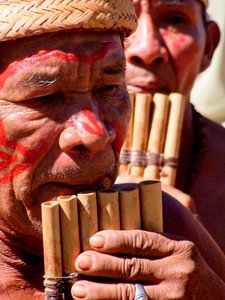
guahibo people
Colombia
基本情報
- Artistic Movement Or Style: Indigenous art
- Full Name: Guahibo People
- Nationality: Colombian/Venezuelan
- Notable Artworks:
- Ritual amulet
- Guahibo people
- Place Of Birth: Arauca, Colombia
関連記事
Fernando Botero: Celebrating Volume, Form & Colombian Identity
Explore the captivating world of Fernando Botero! Discover his iconic 'Boterismo' style, Colombian influences, investment potential & lasting legacy. Expert insights for art collectors.
George Catlin: Witnessing & Representing Indigenous Life on the American Frontier
Explore the captivating art of George Catlin, renowned for his vivid portraits & landscapes documenting Native American life on the frontier. Discover a vanishing world through stunning paintings and historical context.
Charles Bird King: Capturing Native American Dignity Through Portraiture & Cultural Exchange
Explore the captivating portraits of Charles Bird King, renowned for his depictions of Native American leaders. Discover the historical context, artistic techniques, and collecting value of these significant 19th-century artworks.
Ovidio Murguía de Castro: Ecuadorian Modernism & Social Realism's Indigenous Voice
Explore the captivating work of Ovidio Murguía de Castro, a pivotal figure in Ecuadorian Modernism. Discover his powerful Social Realist paintings and unique portrayal of Indigenous life – a compelling investment for discerning art collectors.
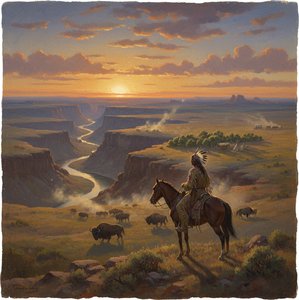
Henry Farny: Romantic Visions of the American West & Indigenous Life
Explore the evocative paintings of Henry Farny, renowned for his romantic realism & depictions of Native American life in the 19th-century West. Discover his legacy and key artworks at ArtsDot.