

 プレビュー
プレビュー
 シェアする
シェアする シェアする
シェアする
 詳細を見る
詳細を見る

 ダウンロード
 似ている作品
 X線調査
X線調査 スライドショー
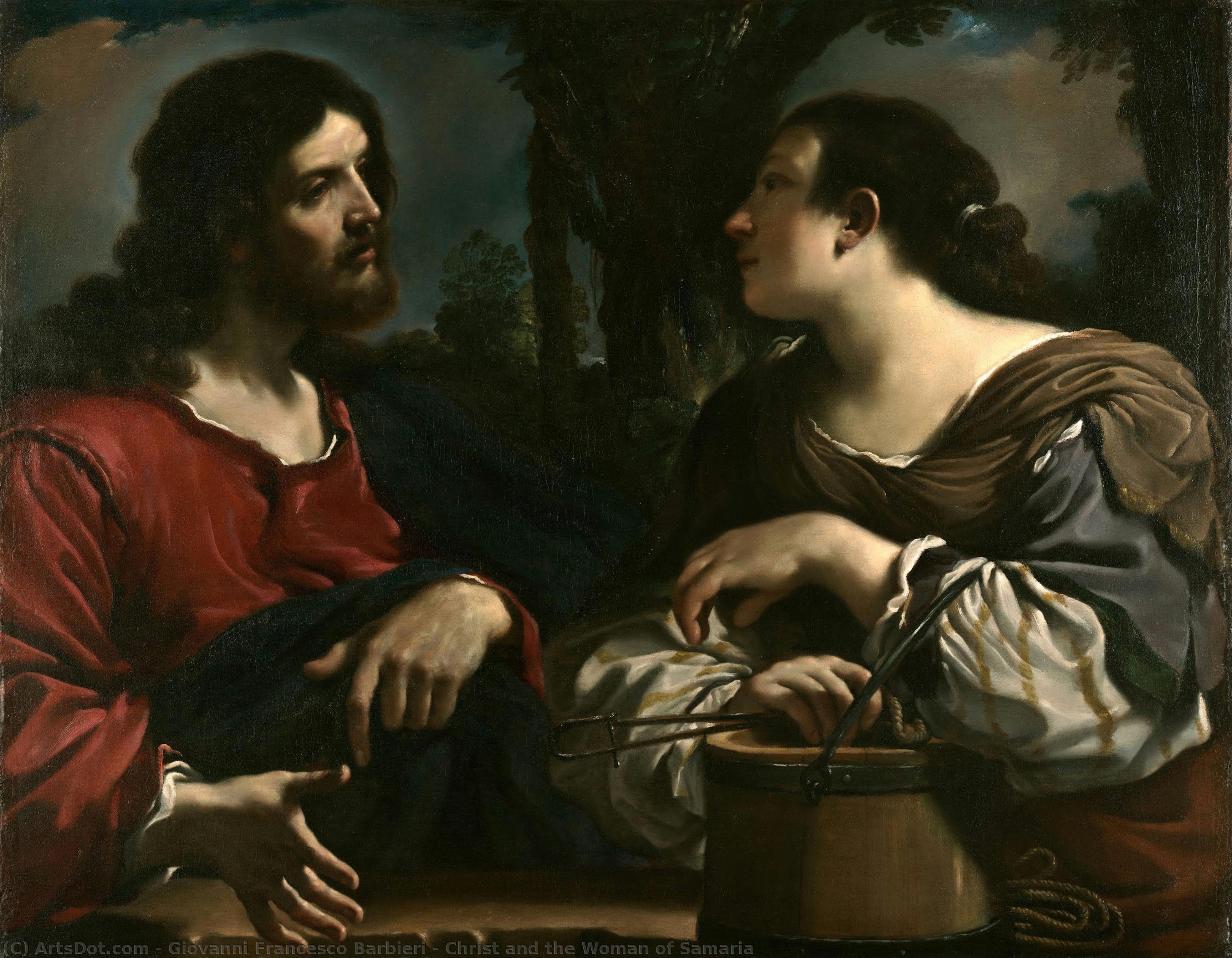
Christ and the Woman of Samaria
 Oil On Canvas
- WallArt
- Baroque Dramatic Emotion
 1619
1619 97.0 x 124.0 cm
 Kimbell Art Museum
 詳細を見る
詳細を見る
ジークレー/アートプリント
迅速な制作と多彩な仕上げオプションを備えた、ミュージアムクオリティのジークレーまたはキャンバスプリント。 ( 手描きの絵画を購入 画像を購入)




P118B $10

P118H $10

P118W $10

P438Z $10

P508JH $12

P508YH $12

P805H $10

P805Z $10

P919BZ $10

P919G $10

P919XJ $10

P959ZH $10

P968JZ $12

W106C $8

W218G $10

W218JH $8

W218Y $10

W307PJ $10

W316G $10

W316PJ $8

W316Y $10

W398PJ $8

W4111J $10

W500HY $15

W500JH $15

W692G $12

W849H $8

W940BG $15

W953PJ $8




作品のオリジナル比率に合わせた、当店の規定サイズからお選びください。

特定のフレームやスペースに合わせて、ご自身でサイズを指定することも可能です。選択されたサイズが元の画像の比率と一致しない場合、作品をトリミングするか、鏡面反射または単色での塗りつぶしによって画像を拡張いたします。制作を開始する前に、ご確認用のデジタルモックアップをお送りいたします。
画面上のプレビューには、実際のトリミングや拡張は反映されませんのでご注意ください。最終的な構図を正確に確認できるのは、モックアップのみとなります。
カスタムサイズも承っておりますが、元の比率を維持するためには、あらかじめ用意されたリストからサイズを選択することをお勧めいたします。


 ガラスオプションは、110cm未満のサイズでのみご利用いただけます。

Christ and the Woman of Samaria
ジークレー/アートプリント
複製画のサイズ
-


合計金額
$ 62
作品詳細説明
A Moment of Revelation: Guercino’s “Christ and the Woman of Samaria”
- Subject: This captivating painting depicts a pivotal moment from the Gospel of John – Jesus Christ engaging in a profound conversation with a Samaritan woman at Jacob's Well. The scene unfolds with remarkable intimacy, capturing the essence of spiritual revelation and the offering of eternal life.
- Artist: Created by the masterful Guercino (1591-1666), a pivotal figure bridging Mannerism and Baroque styles, this work exemplifies his signature approach to religious painting: emotionally charged compositions, meticulously rendered figures, and a dramatic use of light and shadow.
- Date: Painted in 1619, during the artist’s most intensely productive and arguably finest period, the canvas offers a rare glimpse into Guercino's artistic evolution – a time when his influence was rapidly ascending within the Italian art world.
The Painter’s Vision: Style and Technique
Guercino’s style is immediately recognizable for its powerful emotional intensity, achieved through a masterful manipulation of chiaroscuro—the dramatic contrast between light and dark. He eschewed the idealized forms favored by some of his contemporaries, opting instead for a strikingly realistic portrayal of human figures, imbued with palpable feeling. Notice the careful attention to detail in the woman’s expression – a mixture of curiosity, confusion, and nascent understanding as she grapples with Christ's enigmatic words. The artist’s use of color is equally significant; rich, saturated hues contribute to the painting’s dramatic effect, drawing the viewer’s eye to key elements within the composition.
The technique employed reflects Guercino’s meticulous approach. He utilized a layered glazing method, building up colors gradually to achieve depth and luminosity. His draftsmanship is evident in the precise rendering of the figures' anatomy and the intricate details of their clothing. The artist’s skill is further demonstrated by his ability to create a convincing sense of space – the well, the surrounding landscape, and the figures themselves are rendered with remarkable clarity.
Historical Context and Symbolism
Created in 1619, this painting reflects the religious fervor and intellectual currents of its time. Guercino’s patronage came from influential Cardinals, reflecting the significant role of the Church in commissioning art during the early 17th century. The scene itself is laden with symbolism. The well represents a source of life – both physical and spiritual – while Christ's offer of “living water” signifies salvation and eternal life. The Samaritan woman, an outsider to Jesus’ Jewish community, embodies the universal appeal of his message, highlighting themes of inclusivity and redemption.
Interestingly, Guercino’s career coincided with a period of artistic innovation in Rome, where he eventually settled after leaving Cento. His time in Rome exposed him to the burgeoning Baroque style, which he skillfully integrated into his own distinctive approach, ultimately contributing to its development.
Emotional Impact and Artistic Significance
“Christ and the Woman of Samaria” transcends a simple biblical depiction; it’s a profoundly moving portrayal of human interaction and spiritual awakening. The painting's emotional power stems from Guercino’s ability to capture a moment of intense contemplation, inviting viewers to reflect on themes of faith, doubt, and redemption. This rediscovered masterpiece represents a crucial link in the chain of artistic development, showcasing Guercino’s genius at its peak – a testament to his profound understanding of human emotion and his unparalleled skill as a painter.
関連作品



アーティストの略歴
生い立ちと初期の才能:影の中の光
ジョヴァンニ・フランチェスコ・バルビエリ、通称イル・グエルチーノ(“近視の人”)は、その異名が彼の身体的特徴に由来する一方で、バロック絵画を劇的に変貌させた芸術的ヴィジョンを象徴するものとなりました。1591年、フェラーラとボローニャの間に位置する小さな町チェントで生まれたグエルチーノの道のりは、厳格なアカデミーではなく、自己発見と初期のルドヴィコ・カラッチとの師事から始まりました。この形成期は、激しい感情性、劇的なキアロスクーロ(明暗法)、そして現実主義と理想主義の両方への深い関わりが同義語となるスタイルを築く基礎となりました。多くの同時代画家が古典的完璧さを追求したのに対し、グエルチーノの芸術は17世紀イタリアの激動する精神的気候を反映し、生々しい人間的なエネルギーに満ちていました。彼の初期の人生は、従来の訓練を凌駕する自然な才能によって特徴づけられ、彼は単なる模倣ではなく、生まれつき光と影への理解力によって照らされた独自の道を切り開きました。カラヴァッジョ主義から古典的優雅さへ:変化するパレット
グエルチーノの芸術的発展は直線的なものではなく、むしろ様々な影響と様式的探求との魅力的な対話でした。彼の初期作品は、革命的な自然主義者カラヴァッジョに深く負債を負っており、鮮明なコントラストと衝撃を与え魅了した生々しい現実主義を受け入れていました。『アムノンとタマル』はその初期の時代を示す好例であり、率直さと心理的深さをもって描かれた聖書の物語です。しかし、グエルチーノはカラヴァッジョ主義の中に留まることに満足しませんでした。1630年代に、芸術的好奇心と分別のあるパトロンからの要求によって彼のスタイルに重要な変化が起こりました。彼はパレットを柔らかくし始め、厳しいテネブリズム(暗闇の表現)からより明るくバランスのとれたアプローチへと移行しました。この移行は単なる様式的気まぐれではなく、古典的理想へのより深い関わりと、感情的に力強いだけでなく、美学的に洗練された作品を創造したいという願望を反映していました。『プロディガルの帰還』はそのような時期の証であり、より大きな空間的な深みと調和のとれた構成を受け入れました。聖書の物語と感情的な共鳴
キャリアを通じて、グエルチーノは常にインスピレーションの源として聖書の物語に目を向けました。しかし、彼は単にこれらの物語を説明したのではなく、深い人間ドラマと感情的な共鳴を吹き込みました。彼の人物は理想化された聖人ではなく、信仰、疑念、後悔、贖罪に取り組む欠陥のある個人です。『聖アロイジオ・ゴンザーガの召命』はその好例であり、息を呑むような技術と感受性をもって描かれた宗教的な目覚めです。グエルチーノが被写体の内面を描き出す能力は彼を同時代画家から際立たせました。彼は真の信心深さは外面的な献身の表現ではなく、信仰に捧げられた人生を定義する内的闘争と犠牲についてであることを理解していました。この心理的深さ、彼の光と影の巧みな使用と相まって、視覚的に見事であるだけでなく感情的に説得力のある絵画を生み出しました。彼は困難または不安な瞬間を描くことをためらわず、それらが人間の状態を理解するために不可欠であると信じていました。永続的な遺産:影響と再発見
グエルチーノの影響は彼の生涯を超えて広がりました。光と影の劇的な使用と強力な感情を引き出す能力は、ヨーロッパ全土の世代の芸術家にインスピレーションを与えました。18世紀と19世紀には彼の評判がやや衰退しましたが、美術史家サー・デニス・マホンのたゆまぬ努力のおかげで20世紀に彼の作品への新たな評価が生まれました。マホンの細心の研究と情熱的な擁護は、グエルチーノをバロック時代の巨匠の仲間入りに戻すのに役立ちました。今日、彼の絵画はフェラーラのピナコテカ・ナツィオナーレからワシントンD.C.の国立美術館まで、世界中の権威ある博物館で祝われ、彼の永続的な芸術的才能の証となっています。- 博物館とコレクション:グエルチーノの作品は、フェラーラのピナコテカ・ナツィオナーレ、ジェノヴァのパラッツォ・ブリニョーレ=サーレ、ローマのガッレリア・スパーダなどの機関のホールを飾っています。
- キアロスクーロの名手:彼の光と影の劇的な使用は、彼のスタイルの定義の特徴であり続けています。
- 聖書の語り部:彼は比類のない感情的な深みと心理的洞察力をもって聖書の物語に命を吹き込みました。
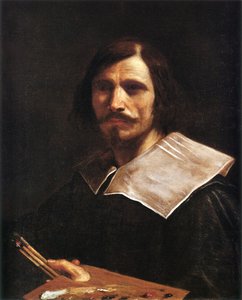
グエルチーノ
1591 - 1666 , イタリア
基本情報
- Artistic Movement Or Style: バロック
- Artists Or Movements Influenced By This Artist: ['バロック絵画']
- Artists Who Influenced This Artist: ['ルードヴィコ・カラッチ']
- Date Of Birth: 1591年2月8日
- Date Of Death: 1666年12月22日
- Full Name: ジョヴァンニ・フランチェスコ・バルビエリ
- Nationality: イタリア人
- Notable Artworks (List Of Titles):
- アムノンとタマル
- 浪子息子の帰還
- 聖アロジオの召命
- Place Of Birth (City And Country): イタリア、チェント
関連記事
Guercino: A Baroque Master Between Caravaggism & Classicism – Exploring Innovation & Emotional Depth
Explore the captivating world of Guercino, a Baroque master bridging Caravaggism & Classicism. Discover his dramatic chiaroscuro, emotional depth, and lasting influence on art history with ArtsDot.

The Dramatic Flourish: Exploring the Baroque Movement's Enduring Legacy in Art History
Explore the dramatic world of Baroque art! Discover iconic artists like Caravaggio & Rubens, defining techniques, and its lasting impact on art history. Expert insights for collectors & enthusiasts at ArtsDot.

The Visceral Stage: Exploring Dramatic Narratives & Emotional Intensity in Baroque Art
Explore the dramatic world of Baroque art! Discover iconic masters like Caravaggio & Rembrandt, their techniques, and the movement's lasting impact. Expert insights for collectors & enthusiasts at ArtsDot.

バロック美術を極めた至宝:時代を彩る10大名作の世界
バロック美術の華!カラヴァッジョ、ベルニーニら巨匠が創り上げた10大名作を徹底解剖。ドラマチックな色彩と豪華絢爛の世界観に触れ、至宝のアートプリントで空間を彩ろう。ArtsDot.comで美術館品質の複製と洗練されたインテリアを見つけましょう!

バロックのドラマ:現代のインテリアに壮麗さと情感を取り込む
バロック様式の歴史、絵画、家具の魅力をご紹介。ArtsDotでは、高品質な油絵複製やカスタムポートレートをご提供し、現代のインテリアに壮麗さと情感を取り入れます。アートコンサルテーションも承ります。

