

 プレビュー
プレビュー
 プリントを購入
 シェアする
シェアする シェアする
シェアする
 詳細を見る
詳細を見る

 ダウンロード
 似ている作品
 X線調査
X線調査 スライドショー
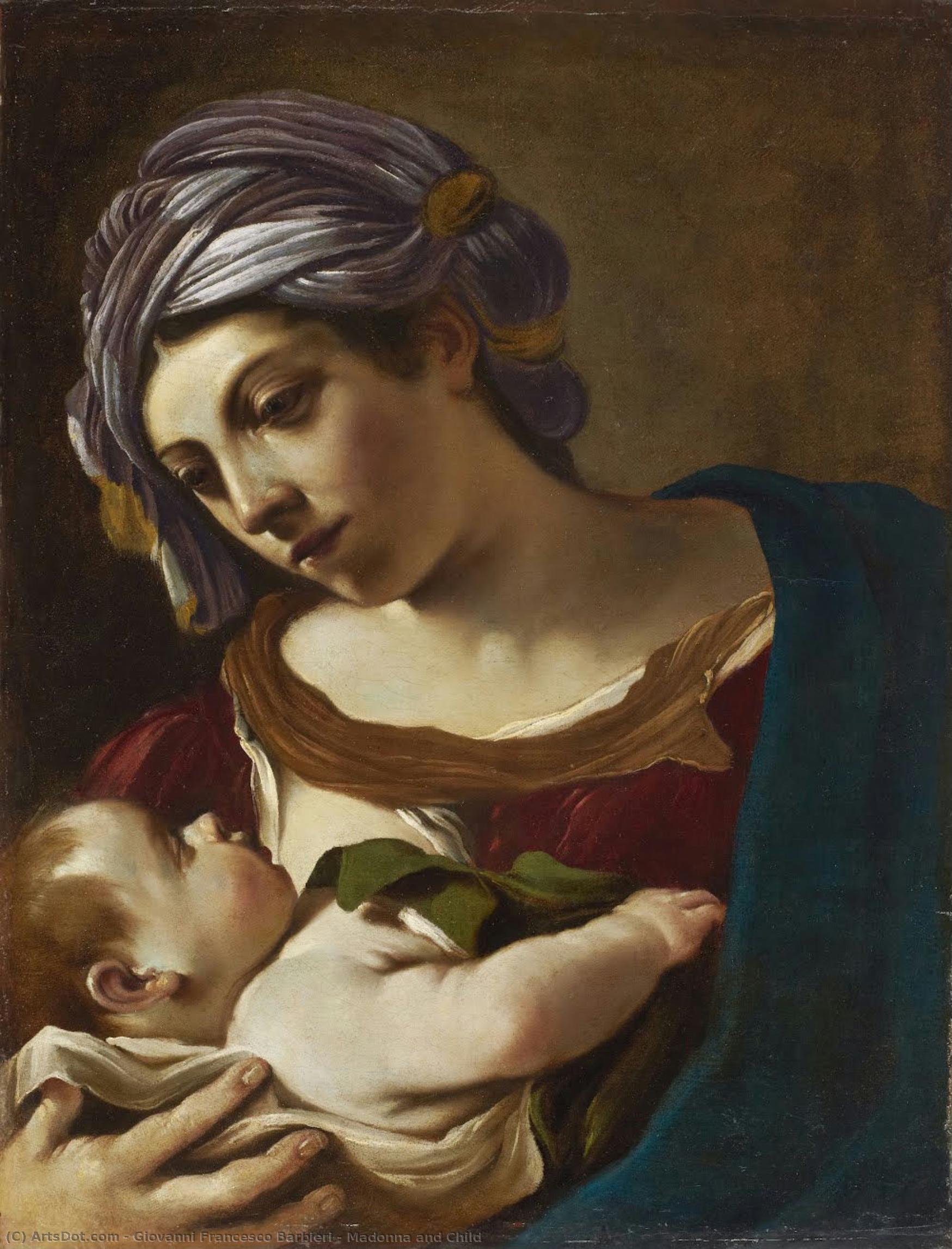
Madonna and Child
 Baroque Painting
 1622
1622 50.0 x 64.0 cm
 シュテデル美術館
 詳細を見る
詳細を見る




P118B $10

P118H $10

P118W $10

P438Z $10

P508JH $12

P508YH $12

P805H $10

P805Z $10

P919BZ $10

P919G $10

P919XJ $10

P959ZH $10

P968JZ $12

W106C $8

W218G $10

W218JH $8

W218Y $10

W307PJ $10

W316G $10

W316PJ $8

W316Y $10

W398PJ $8

W4111J $10

W500HY $15

W500JH $15

W692G $12

W849H $8

W940BG $15

W953PJ $8




作品のオリジナル比率に合わせた、当店の規定サイズからお選びください。

特定のフレームやスペースに合わせて、ご希望のサイズをご入力いただけます。選択されたサイズが元の画像の比率と異なる場合、アートワークをトリミングするか、手描きで要素を追加して絵画を拡張いたします。デジタルモックアップ を制作し、制作開始前にご確認(承認)をいただきます。
画面上のプレビューは、実際のトリミングや拡張を正確に反映しているものではありません。最終的な構図は、モックアップによってのみ正確にご確認いただけます。
カスタムサイズもご利用いただけますが、元の比率を維持するためには、あらかじめ用意されたリストからサイズを選択することをお勧めいたします。
ご注文後、ArtsDot.com チームより詳細な指示をお送りするとともに、仕上がりイメージ(モックアップ)をご提供いたします。


 ガラスオプションは、110cm未満のサイズでのみご利用いただけます。

Madonna and Child
複製技法
複製画のサイズ
-


合計金額
$ 263
The Madonna and Child: A Window into Renaissance Devotion
Guercino’s “Madonna and Child,” painted in 1622, isn't merely a depiction of the Virgin Mary cradling her infant son; it’s a profound meditation on faith, motherhood, and the delicate balance between earthly beauty and divine grace. Born Giovanni Francesco Barbieri in Cento, Italy, Guercino – a name ironically derived from “squinter,” meaning squint-eyed – forged a distinctive artistic path, diverging sharply from the prevailing classical ideals of his time. Unlike many of his contemporaries striving for idealized perfection, Guercino embraced a raw, intensely emotional realism, channeling the turbulent spiritual atmosphere of 17th-century Italy into every brushstroke. This painting exemplifies that approach, offering a glimpse into a world where piety and passion intertwine.
The scene unfolds within a modestly furnished interior – a simple wall adorned with a clock, a subtle detail suggesting the passage of time and the fleeting nature of earthly existence. Mary, rendered in rich, warm tones, is presented not as an ethereal goddess but as a deeply human mother, her gaze fixed intently on her child. The baby Jesus, nestled securely within her arms, exudes an innocent charm that belies the weighty theological significance of the image. Guercino masterfully employs *chiaroscuro*, the dramatic interplay of light and shadow, to draw the viewer’s eye directly to the central figures, creating a sense of intimacy and immediacy. The use of deep shadows around Mary's face and hands emphasizes her maternal role, while the soft illumination on the infant highlights his purity and vulnerability.
A Masterclass in Baroque Technique
Guercino’s technical prowess is immediately evident in the painting’s dynamic composition and meticulous detail. He was a highly skilled draftsman, and this skill translates seamlessly into the painted surface. The drapery of Mary's robes flows with an almost sculptural quality, rendered with remarkable precision and attention to texture. Notice the subtle variations in color and tone – the deep crimson of the cloth contrasted against the lighter background—a testament to his understanding of light and shadow. His brushwork is characterized by a loose, expressive style that conveys both energy and control. The figures are not idealized; they possess a tangible physicality, reflecting Guercino’s commitment to portraying human emotion with unflinching honesty.
The painting's palette leans towards earthy tones – browns, ochres, and reds—creating a sense of groundedness and realism. However, these muted colors are punctuated by flashes of vibrant color in the infant Jesus’s garments, drawing attention to his divine nature. The artist skillfully employs *sfumato*, a technique popularized by Leonardo da Vinci, to soften edges and create a hazy atmosphere, contributing to the painting's overall sense of depth and mystery.
Symbolism and Spiritual Resonance
Beyond its aesthetic qualities, “Madonna and Child” is rich in symbolic meaning. The pose itself—Mary nursing her child—is a direct reference to the biblical story of breastfeeding, symbolizing nourishment, protection, and divine grace. The clock on the wall serves as a poignant reminder of mortality, suggesting that Mary’s role as mother transcends earthly concerns. The inclusion of two additional figures in the background – a man on the left and another on the right—adds an element of narrative complexity, perhaps hinting at the broader context of Mary's life and her connection to the wider world.
Furthermore, Guercino’s style aligns with the Counter-Reformation’s emphasis on emotional engagement in religious art. Unlike the static, idealized Madonnas of earlier periods, Guercino’s depiction is imbued with a palpable sense of warmth and compassion. It invites viewers to connect with Mary's maternal love and contemplate the profound mysteries of faith. The painting speaks not just to the eye but also to the heart, resonating with viewers across centuries.
A Timeless Icon: Reproduction Possibilities
Reproductions of Guercino’s “Madonna and Child” offer a remarkable opportunity to bring this powerful work of art into any setting. The meticulous detail and expressive brushwork are faithfully captured in high-quality prints, allowing viewers to appreciate the artist's genius even without experiencing the original firsthand. Whether adorning a private study or gracing a grand salon, this iconic image continues to evoke feelings of serenity, devotion, and timeless beauty. Consider a hand-painted reproduction for an authentic touch that captures the essence of Guercino’s masterpiece.
関連作品
アーティストの略歴
生い立ちと初期の才能:影の中の光
ジョヴァンニ・フランチェスコ・バルビエリ、通称イル・グエルチーノ(“近視の人”)は、その異名が彼の身体的特徴に由来する一方で、バロック絵画を劇的に変貌させた芸術的ヴィジョンを象徴するものとなりました。1591年、フェラーラとボローニャの間に位置する小さな町チェントで生まれたグエルチーノの道のりは、厳格なアカデミーではなく、自己発見と初期のルドヴィコ・カラッチとの師事から始まりました。この形成期は、激しい感情性、劇的なキアロスクーロ(明暗法)、そして現実主義と理想主義の両方への深い関わりが同義語となるスタイルを築く基礎となりました。多くの同時代画家が古典的完璧さを追求したのに対し、グエルチーノの芸術は17世紀イタリアの激動する精神的気候を反映し、生々しい人間的なエネルギーに満ちていました。彼の初期の人生は、従来の訓練を凌駕する自然な才能によって特徴づけられ、彼は単なる模倣ではなく、生まれつき光と影への理解力によって照らされた独自の道を切り開きました。カラヴァッジョ主義から古典的優雅さへ:変化するパレット
グエルチーノの芸術的発展は直線的なものではなく、むしろ様々な影響と様式的探求との魅力的な対話でした。彼の初期作品は、革命的な自然主義者カラヴァッジョに深く負債を負っており、鮮明なコントラストと衝撃を与え魅了した生々しい現実主義を受け入れていました。『アムノンとタマル』はその初期の時代を示す好例であり、率直さと心理的深さをもって描かれた聖書の物語です。しかし、グエルチーノはカラヴァッジョ主義の中に留まることに満足しませんでした。1630年代に、芸術的好奇心と分別のあるパトロンからの要求によって彼のスタイルに重要な変化が起こりました。彼はパレットを柔らかくし始め、厳しいテネブリズム(暗闇の表現)からより明るくバランスのとれたアプローチへと移行しました。この移行は単なる様式的気まぐれではなく、古典的理想へのより深い関わりと、感情的に力強いだけでなく、美学的に洗練された作品を創造したいという願望を反映していました。『プロディガルの帰還』はそのような時期の証であり、より大きな空間的な深みと調和のとれた構成を受け入れました。聖書の物語と感情的な共鳴
キャリアを通じて、グエルチーノは常にインスピレーションの源として聖書の物語に目を向けました。しかし、彼は単にこれらの物語を説明したのではなく、深い人間ドラマと感情的な共鳴を吹き込みました。彼の人物は理想化された聖人ではなく、信仰、疑念、後悔、贖罪に取り組む欠陥のある個人です。『聖アロイジオ・ゴンザーガの召命』はその好例であり、息を呑むような技術と感受性をもって描かれた宗教的な目覚めです。グエルチーノが被写体の内面を描き出す能力は彼を同時代画家から際立たせました。彼は真の信心深さは外面的な献身の表現ではなく、信仰に捧げられた人生を定義する内的闘争と犠牲についてであることを理解していました。この心理的深さ、彼の光と影の巧みな使用と相まって、視覚的に見事であるだけでなく感情的に説得力のある絵画を生み出しました。彼は困難または不安な瞬間を描くことをためらわず、それらが人間の状態を理解するために不可欠であると信じていました。永続的な遺産:影響と再発見
グエルチーノの影響は彼の生涯を超えて広がりました。光と影の劇的な使用と強力な感情を引き出す能力は、ヨーロッパ全土の世代の芸術家にインスピレーションを与えました。18世紀と19世紀には彼の評判がやや衰退しましたが、美術史家サー・デニス・マホンのたゆまぬ努力のおかげで20世紀に彼の作品への新たな評価が生まれました。マホンの細心の研究と情熱的な擁護は、グエルチーノをバロック時代の巨匠の仲間入りに戻すのに役立ちました。今日、彼の絵画はフェラーラのピナコテカ・ナツィオナーレからワシントンD.C.の国立美術館まで、世界中の権威ある博物館で祝われ、彼の永続的な芸術的才能の証となっています。- 博物館とコレクション:グエルチーノの作品は、フェラーラのピナコテカ・ナツィオナーレ、ジェノヴァのパラッツォ・ブリニョーレ=サーレ、ローマのガッレリア・スパーダなどの機関のホールを飾っています。
- キアロスクーロの名手:彼の光と影の劇的な使用は、彼のスタイルの定義の特徴であり続けています。
- 聖書の語り部:彼は比類のない感情的な深みと心理的洞察力をもって聖書の物語に命を吹き込みました。
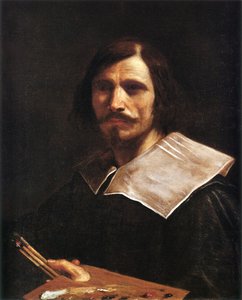
グエルチーノ
1591 - 1666 , イタリア
基本情報
- Artistic Movement Or Style: バロック
- Artists Or Movements Influenced By This Artist: ['バロック絵画']
- Artists Who Influenced This Artist: ['ルードヴィコ・カラッチ']
- Date Of Birth: 1591年2月8日
- Date Of Death: 1666年12月22日
- Full Name: ジョヴァンニ・フランチェスコ・バルビエリ
- Nationality: イタリア人
- Notable Artworks (List Of Titles):
- アムノンとタマル
- 浪子息子の帰還
- 聖アロジオの召命
- Place Of Birth (City And Country): イタリア、チェント
関連記事

ラファエロ傑作25選:ルネサンス巨匠の物語と芸術の世界 | ArtsDot
ラファエロの傑作25選🎨 ルネサンス巨匠の物語と芸術の世界を紐解きます。美しい絵画複製や壁掛けアートで、お部屋に名画の彩りを。ArtsDot.comで、美術史に残る作品群をご覧ください✨

ウフィツィ美術館の至宝25選:ルネサンス巨匠たちの傑作とアートデコレーション
ウフィツィ美術館の至宝25選:ボッティチェリ、レオナルド・ダ・ヴィンチ…ルネサンス巨匠たちの傑作と感動的な物語を紐解きます。高品質な絵画複製やアートプリントで、お部屋に名画の輝きを。ArtsDot.comで芸術の世界へ。
サンクトペテルブルク・エルミタージュ美術館:至宝25選 - 歴史と芸術の輝きをあなたの空間に
サンクトペテルブルク・エルミタージュ美術館の至宝25選。レムブランド、ダ・ヴィンチの名作を紐解き、歴史と芸術の輝きをご堪能ください。ArtsDot.comで高品質な複製画やインテリアアートを見つけ、空間に感動を。今すぐコレクションをご覧ください。
フラ・アンジェリコの傑作25選:ルネサンス美術の神髄と至高の装飾 | ArtsDot
フラ・アンジェリコの傑作25選。ルネサンス美術の神髄を紐解き、天使のような静謐な色彩と宗教画の世界へ誘います。壁画やフレスコ画の技法、修道院に息づく祈りの絵…ArtsDotで至高のアートプリントをお手軽に。コレクションを探索する。
ミュンヘン・アルテ・ピナコテークの至宝25選:名画と芸術の物語 | ArtsDot
ミュンヘン・アルテ・ピナコテークの至宝25選。ドゥーラー、ラファエロ、レンブラントの名画を紐解き、ルネサンス美術とバロック美術の輝きをご堪能ください。ArtsDotで高品質なアートプリントや複製画を見つけ、お部屋に芸術の彩りを。今すぐコレクションをご覧ください。